
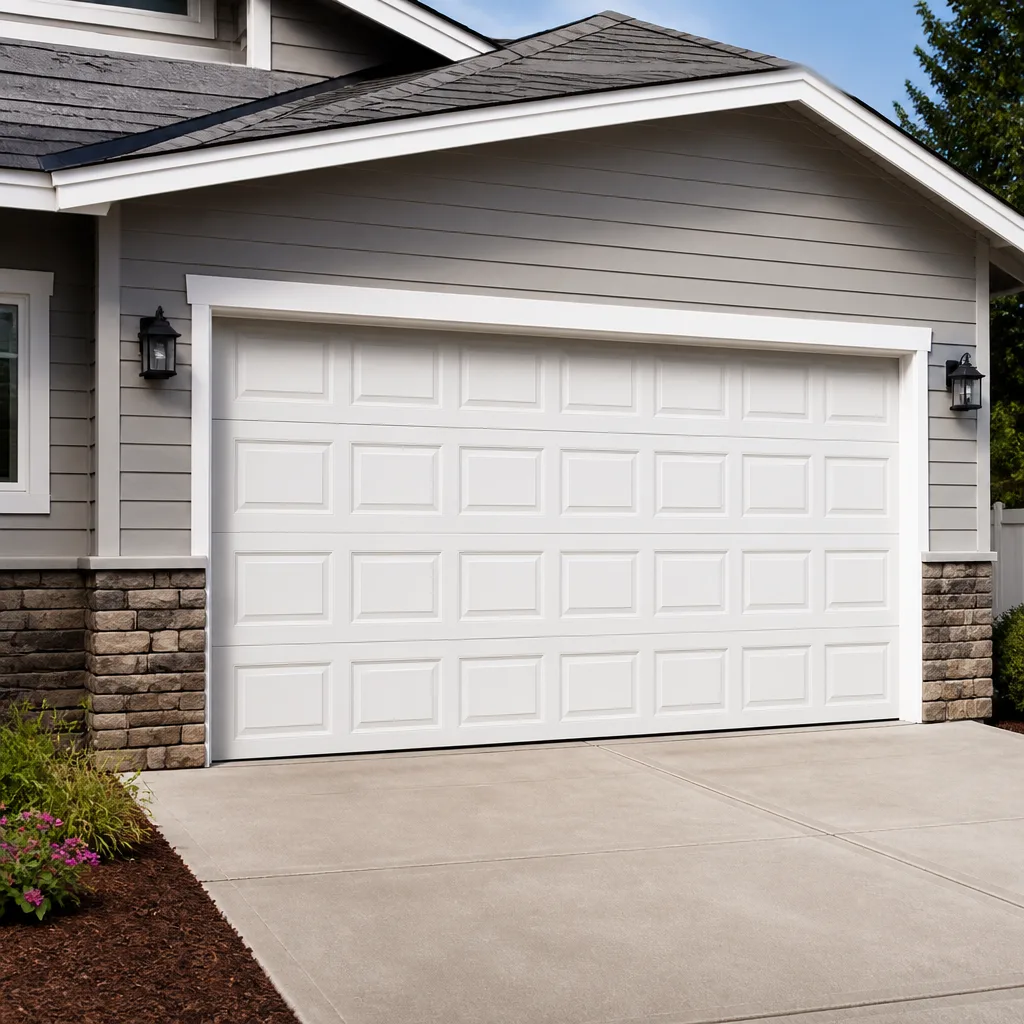
 Raised-panel steel
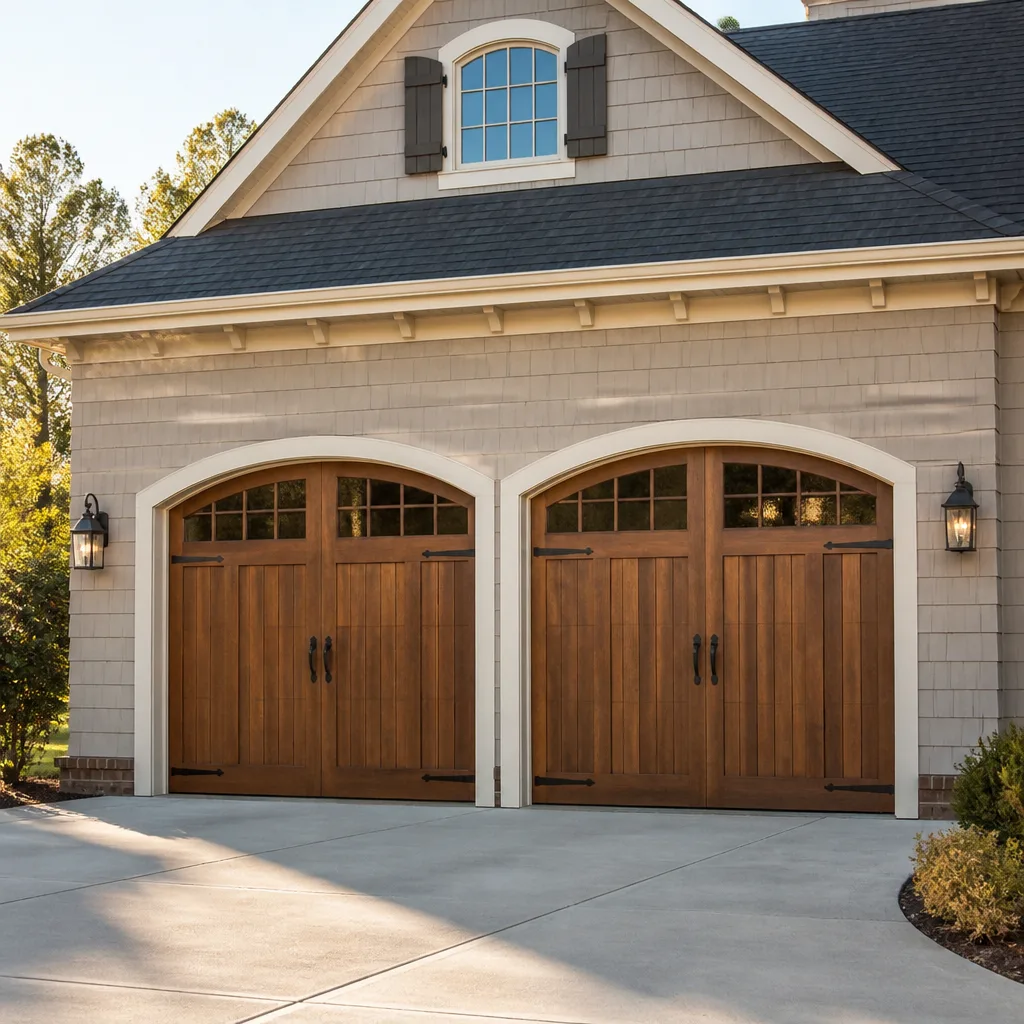 Carriage house
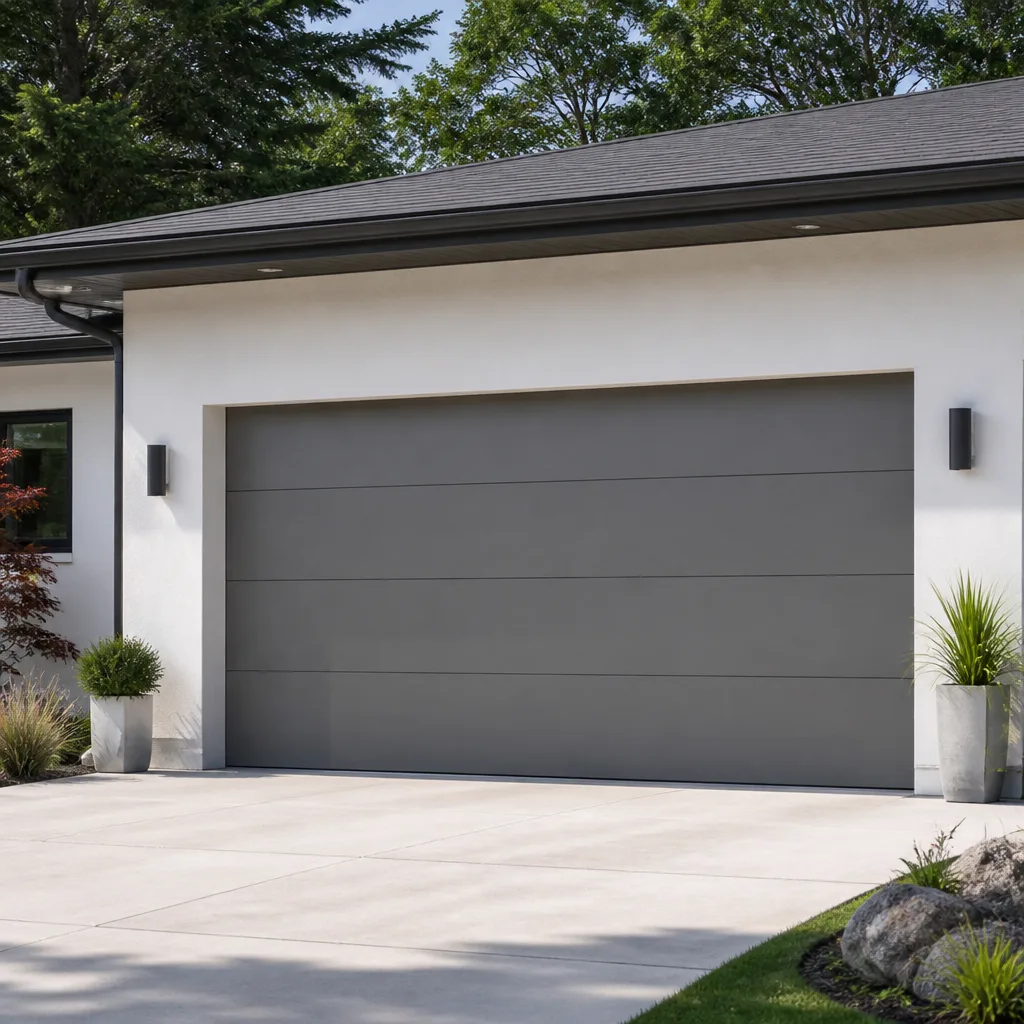 Modern flush
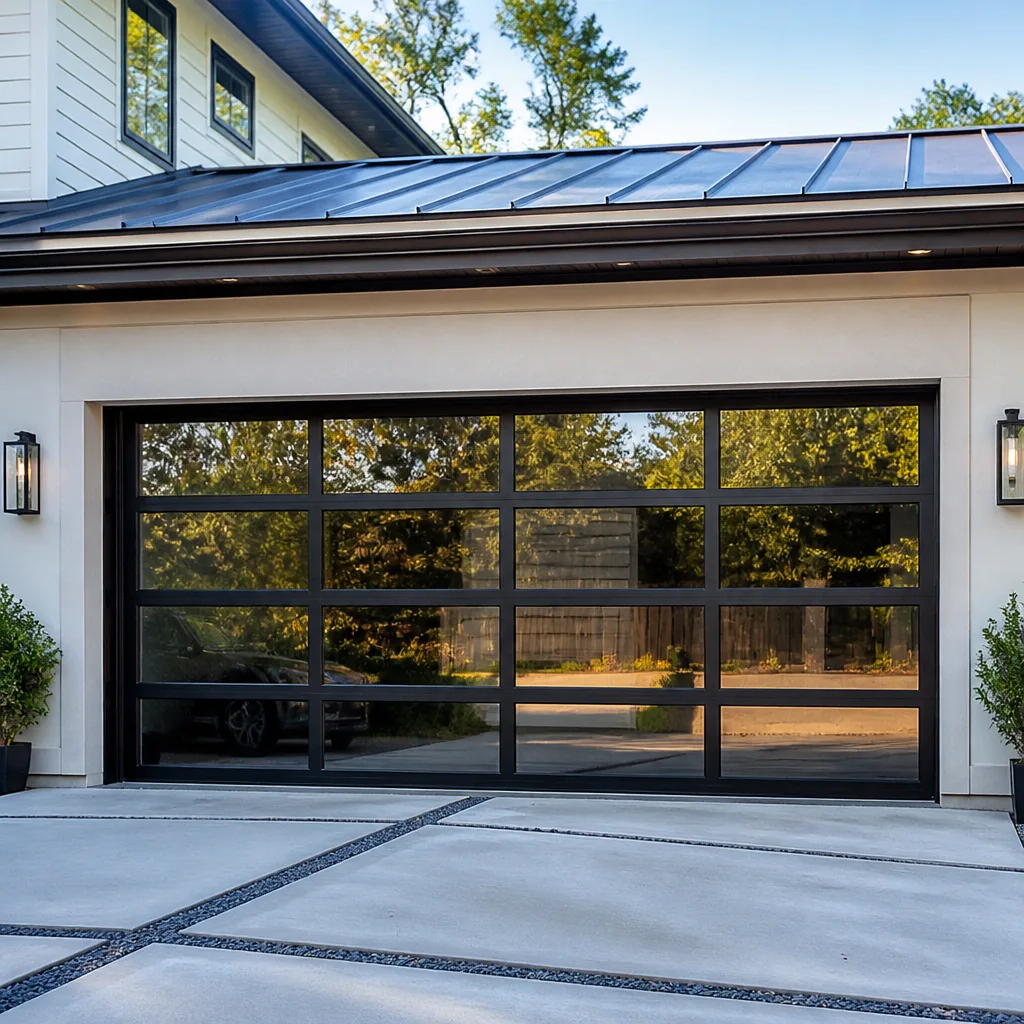 Full-view glass
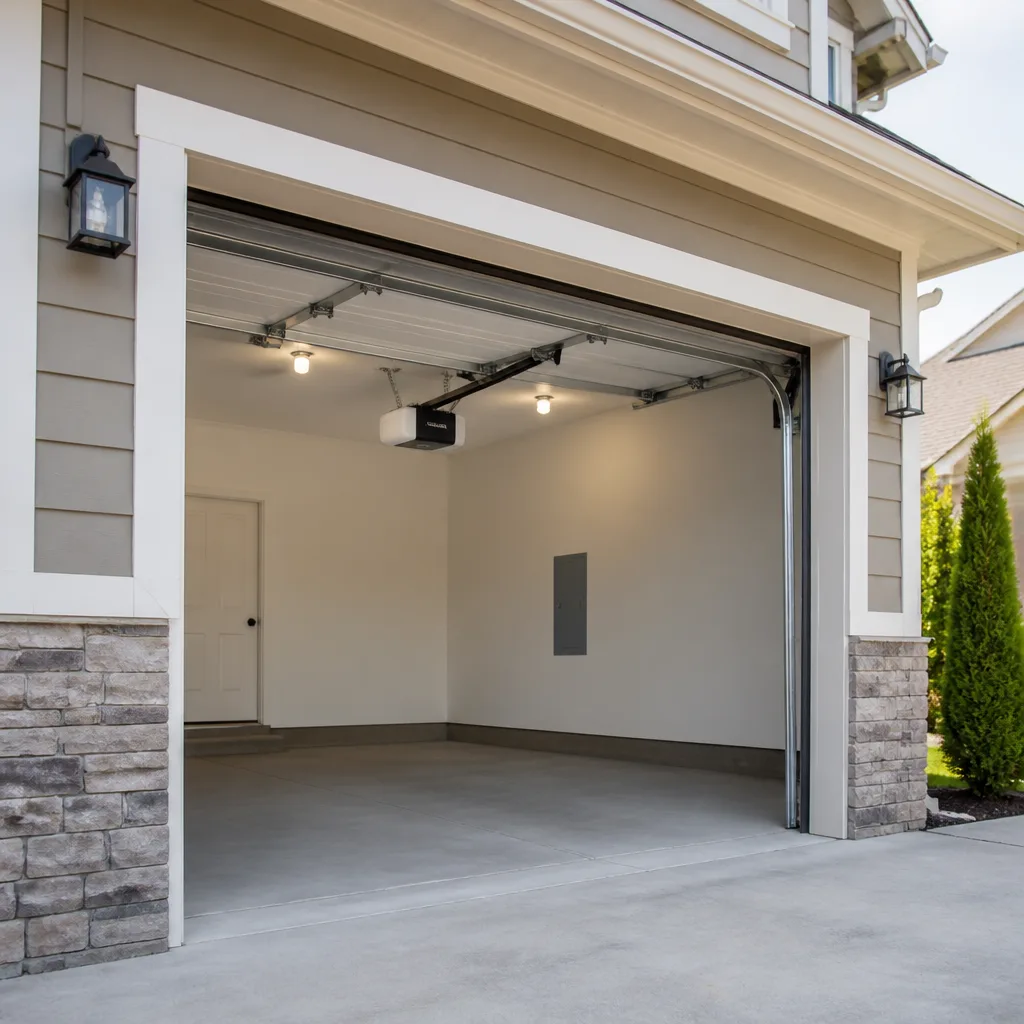 LiftMaster openers
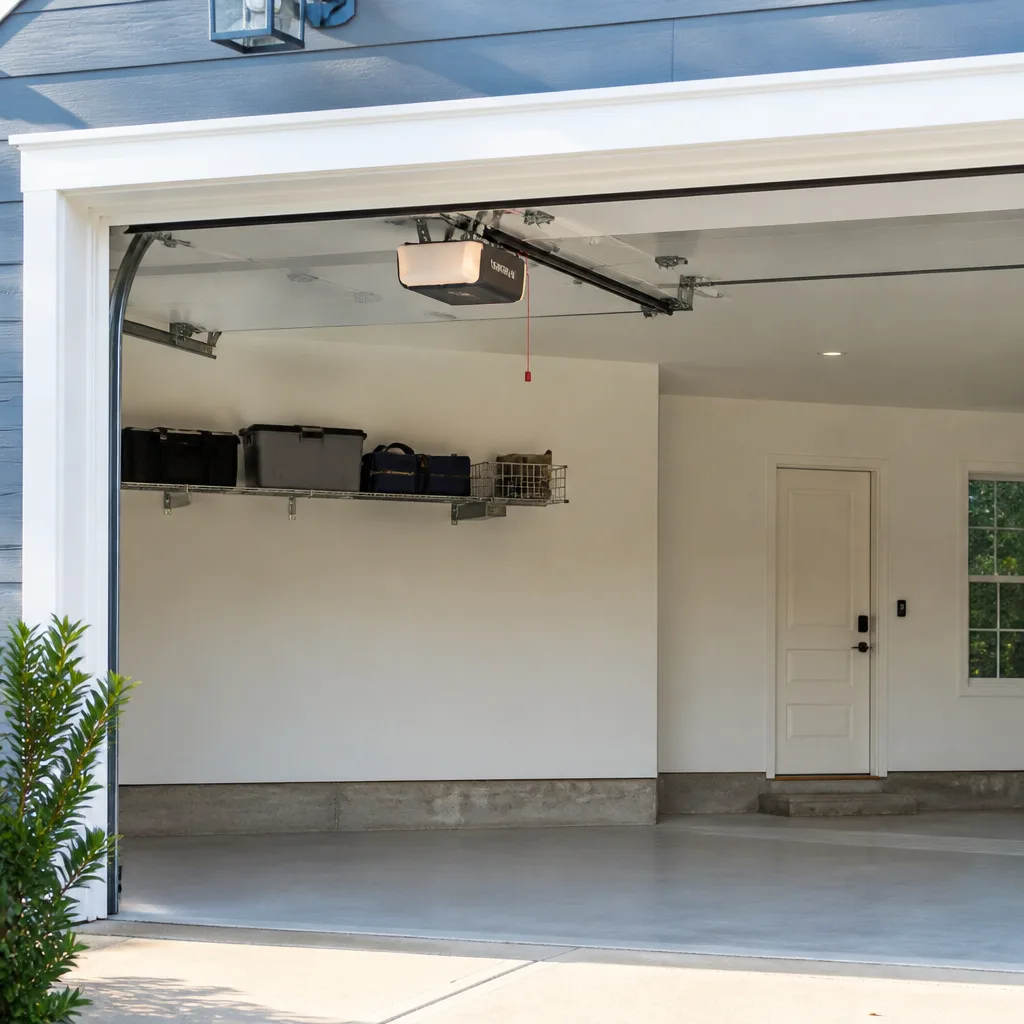 Chamberlain openers
Full 25-point door and opener safety check with every visit - springs, cables, rollers, tracks, and your LiftMaster or Chamberlain opener included
You get a price before we start. It does not change when the pro arrives.
Get your free estimateStyles & brands we work with
- Raised-panel steel
- Carriage house
- Modern flush
- Full-view glass
- LiftMaster openers
- Chamberlain openers
See the difference
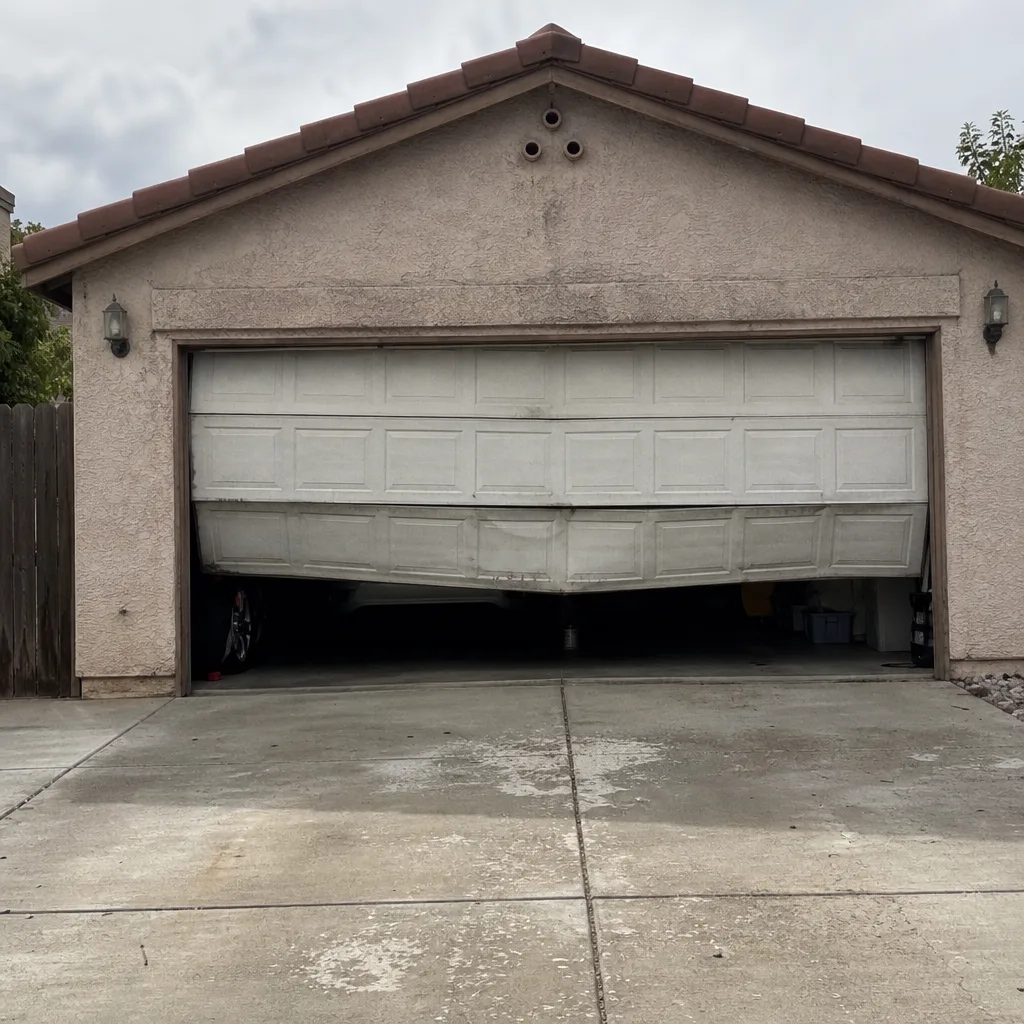 Before
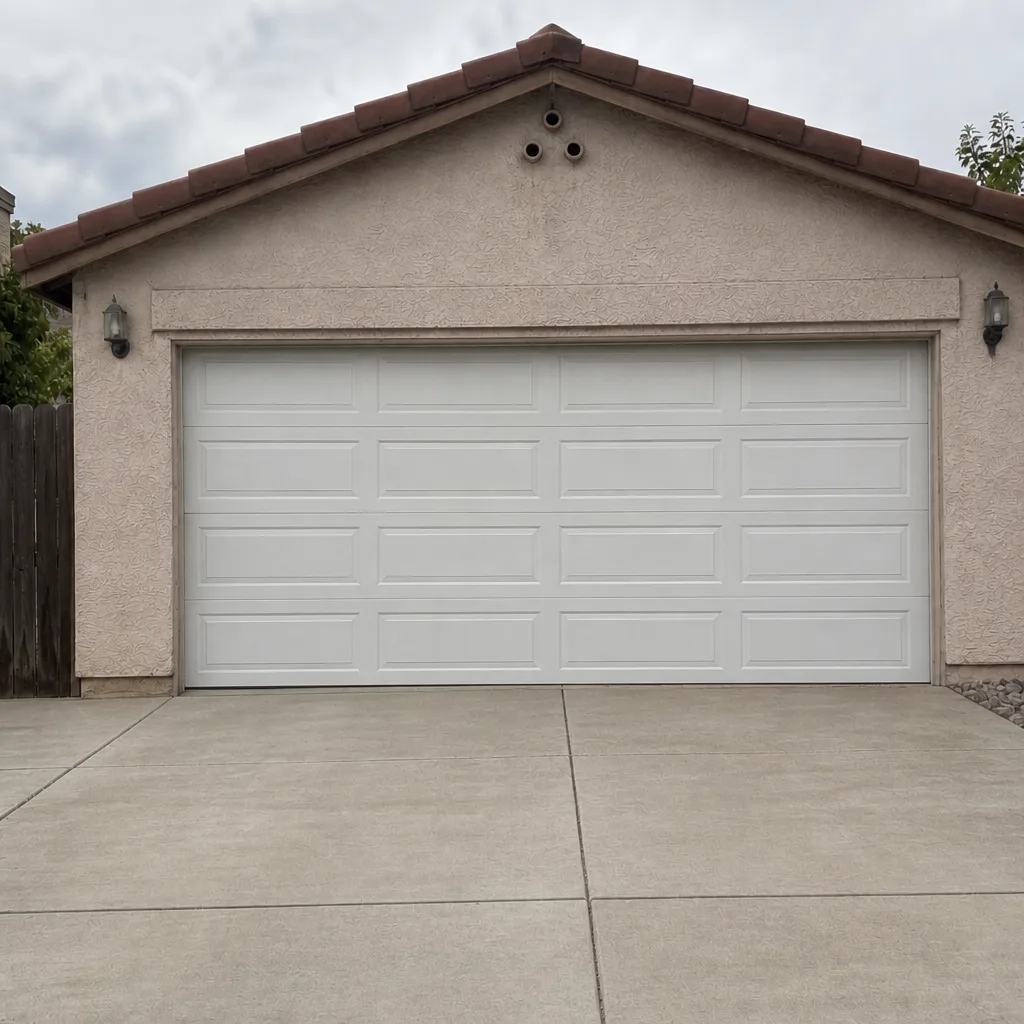 After
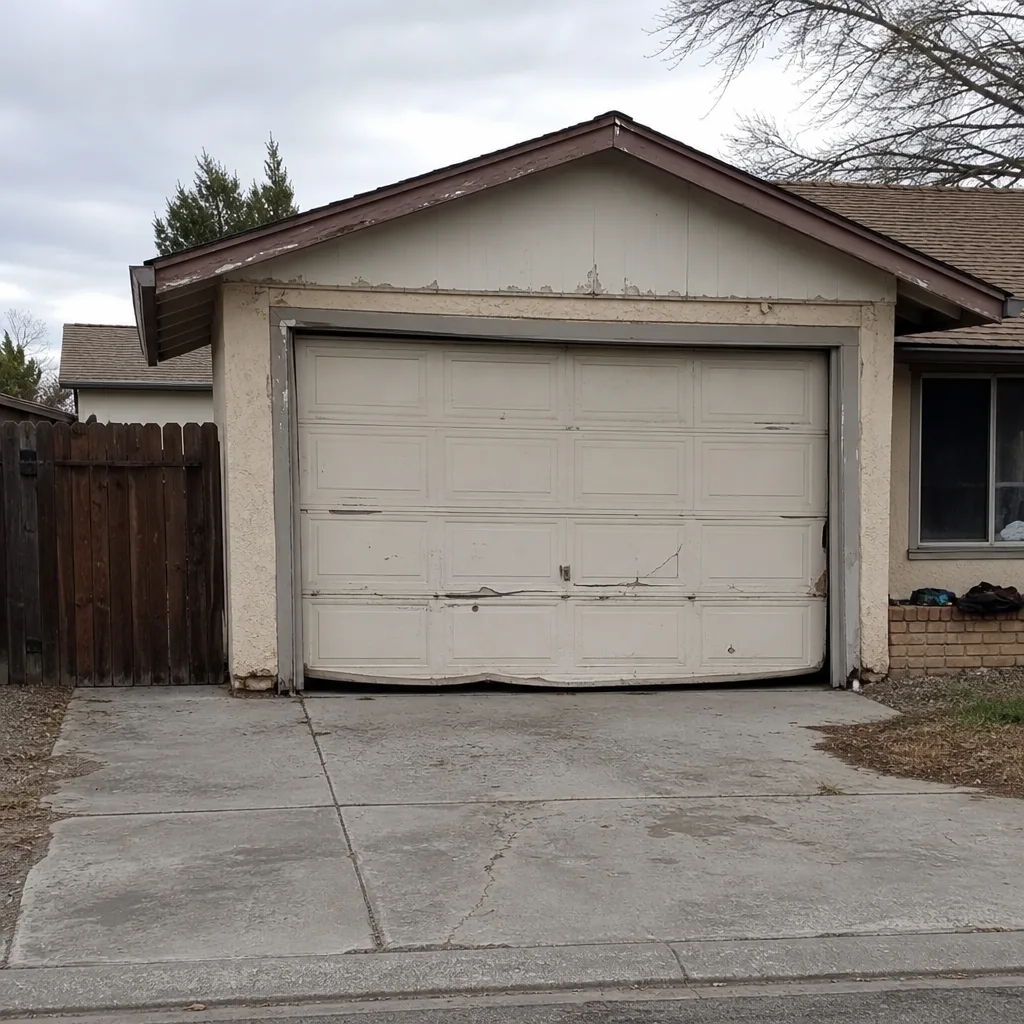 Before
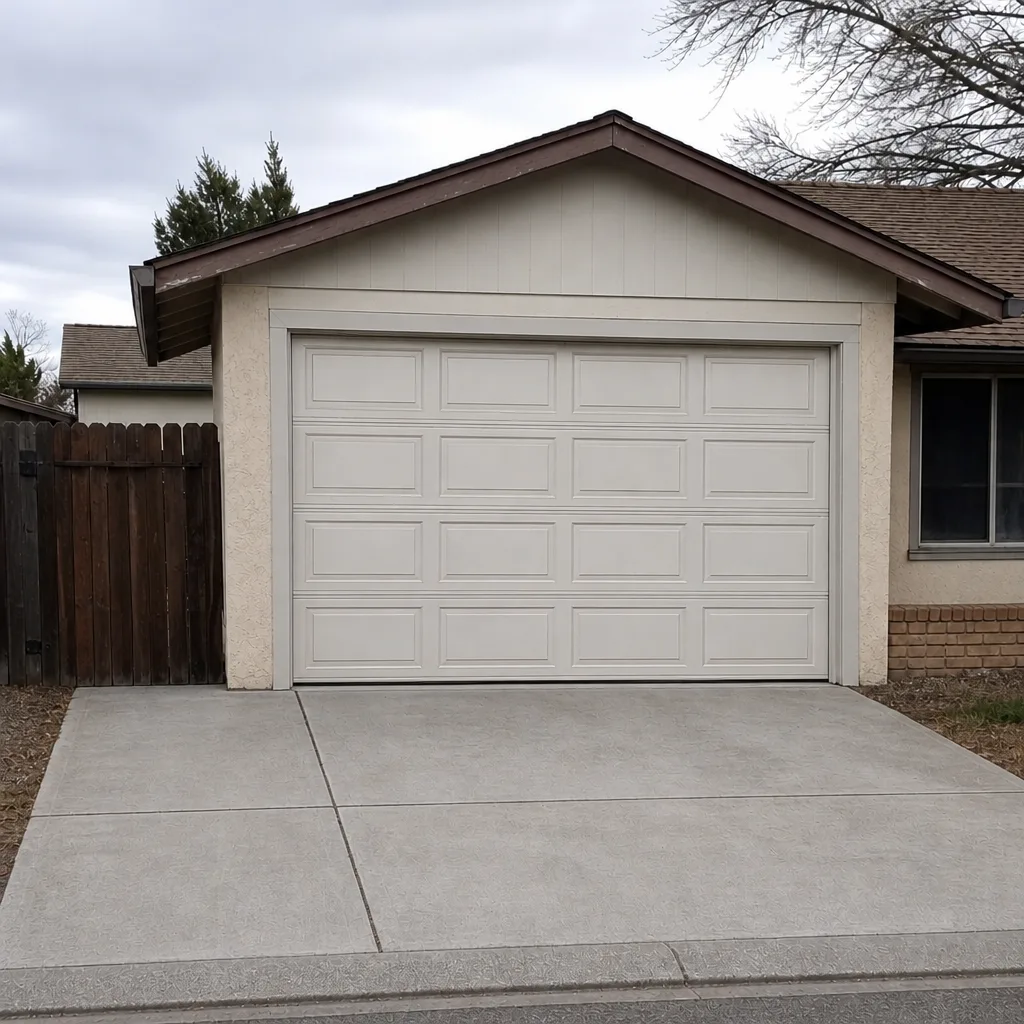 After
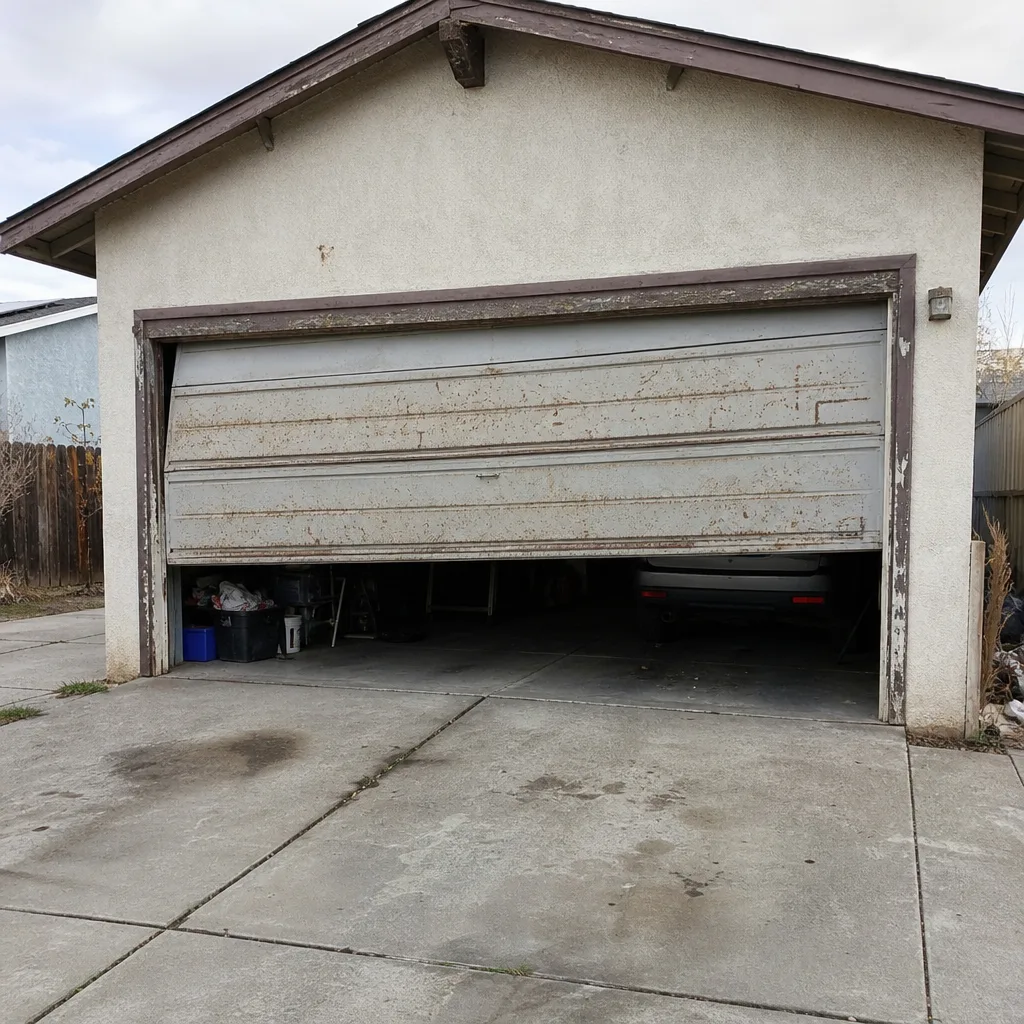 Before
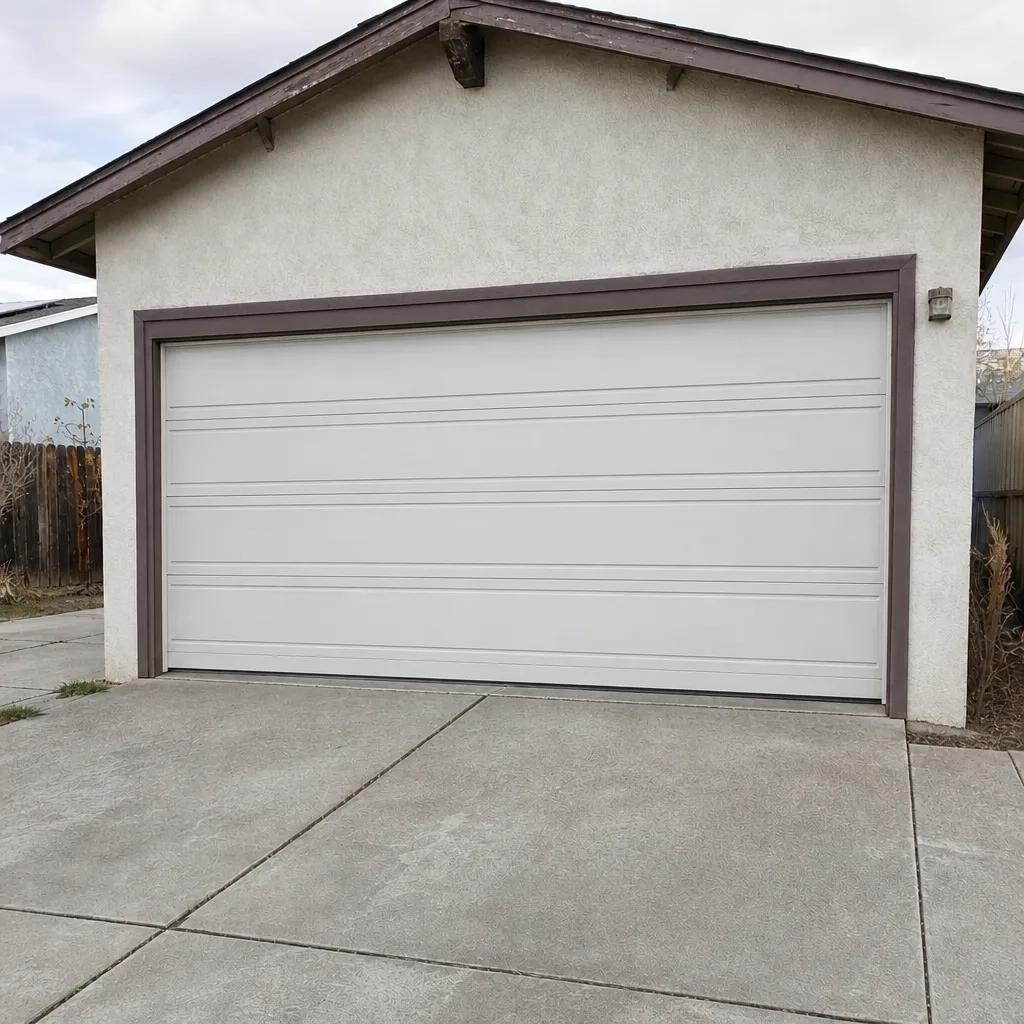 After
Belt vs Chain Drive Garage Door Opener in Winchester, NV: Which One Belongs on Your Door?
Choose belt drive if your garage is attached, shares a wall with a bedroom or utility room, or sits in one of Winchester’s newer zero-lot-line townhomes. Choose chain drive if your garage is detached, sits away from living space, and you’d rather spend the savings on a heavier-duty motor than on a quieter drive. That’s the honest short answer. The longer answer depends on which housing type you actually live in, because in Winchester the noise argument that dominates most comparison pages only applies to about half the homes here. Call (855) 517-0284 and we’ll tell you which side of that line your garage falls on.
Here’s what most belt-versus-chain write-ups skip: if your Winchester ranch-home garage is detached, or shares only a single firewall wall with a utility room, the noise case for belt drive costs you $80-$120 extra for a benefit you won’t notice. But if that same belt runs inside a 130°F uninsulated bay through July and August, its elastomer compound is under stress no manufacturer test replicates. The variable that matters here isn’t decibels. It’s heat tolerance and housing type.
The Winchester Housing Split That Decides This
Winchester is an unincorporated Las Vegas Valley suburb, which means the housing stock runs an unusually wide spread. Near the Strip-adjacent east side you’ll find 1950s through 1970s single-story ranch homes, many with detached garages or a garage that shares just one firewall wall with the house. Toward the newer infill and townhome developments, you get attached, zero-lot-line layouts where the garage ceiling sits directly under a bedroom.
Those two housing types should get two different openers, and here’s why the distinction holds:
- Older detached ranch garage: Nobody sleeps above it, nobody watches TV next to it. Noise transmission is a non-issue. Chain drive’s clatter costs you nothing you’ll hear.
- Attached garage with a shared bedroom wall: A chain drive running at 6 a.m. travels straight through that firewall. This is where belt drive earns its premium honestly.
- Newer zero-lot-line townhome: The garage is often against a neighbor’s unit too. Belt drive here isn’t a luxury, it’s the defensible spec.
- Garage converted or extended for living space: If square footage was added and the header or track clearances changed, the opener recommendation has to account for the new geometry before drive type even comes up.
So the real question isn’t “which drive is better.” It’s “which housing type do I have.” If you’re unsure, a technician can tell you in five minutes whether your opener noise actually reaches living space, and that answer should drive the recommendation.
Heat Is the Variable Nobody Puts in the Comparison
Winchester summers routinely top 110°F, and an uninsulated garage bay can run 15 to 20 degrees hotter than the outside air. Rubber-reinforced belts are rated for a temperature range, and sustained heat above that range accelerates belt stretch and cracking. The same desert sun that cooks your rubber weather seals on the same schedule is quietly attacking the belt drive on your opener. That makes annual belt inspection a real Las Vegas Valley maintenance item, not a theoretical one.
Chain drives don’t have that problem. Steel doesn’t crack from heat. But they have their own desert-specific issue: lubrication. After a monsoon dust storm rolls through the valley, fine desert grit settles on the chain and rail, and that grit turns lubricant into an abrasive paste. A lubrication interval set by calendar months alone is wrong here. It has to account for dust events. A chain that got coated in grit in August and never cleaned will wear faster than the manual predicts.
You can see the tradeoff laid out plainly:
| Factor | Belt Drive | Chain Drive |
|---|---|---|
| Noise | Quiet; matters only in attached or townhome layouts | Audible; irrelevant in a detached bay |
| Heat tolerance | Elastomer belt rated to a range; 130°F bays stress it | Steel; heat-insensitive |
| Desert dust | Sealed belt housing keeps grit out reasonably well | Open chain collects grit; needs cleaning after dust storms |
| Maintenance | Annual belt inspection for stretch and cracking | Periodic lubrication, more often after dust events |
| Typical added cost | $80-$120 over a comparable chain unit | Baseline |
Neither column is “better.” They trade one maintenance burden for another, and which burden you’d rather carry depends on your garage.
BeforeAfterWhat the Written Quote Should Tell You Before Work Starts
When we recommend belt over chain, the written scope says which variable drove the call. Not “belt is better.” It says the garage shares a wall with the primary bedroom, or the townhome is zero-lot-line, or the bay runs hot and here’s the belt rating versus the measured temperature. You should be able to read the quote and understand the reasoning, because that’s the whole point of a flat written price and written scope before anything gets touched.
That documentation principle traces back to the founding rule Servo Garage Doors Winchester was built on in 2015: the customer sees the failed part before anyone quotes a replacement. It’s codified now as Clause 4 of The Haven Standard. On an opener job it means the technician photographs the existing unit, shows you the drive mechanism, and puts the recommendation in writing with the model and the reason. If you have a written estimate from another company, bring it. We’ll give you a free second opinion on the paperwork.
One more thing worth knowing about how the 365-Day Done Right Promise applies here: it covers the installed opener. If a belt begins to stretch or slip within the promise period, that’s a warranty call, not a service charge. That makes the belt-in-heat risk our liability, which is exactly why we don’t default to belt drive in a hot detached bay just because it’s the fancier-sounding answer.
How We Settle the Belt-vs-Chain Question on Your Door
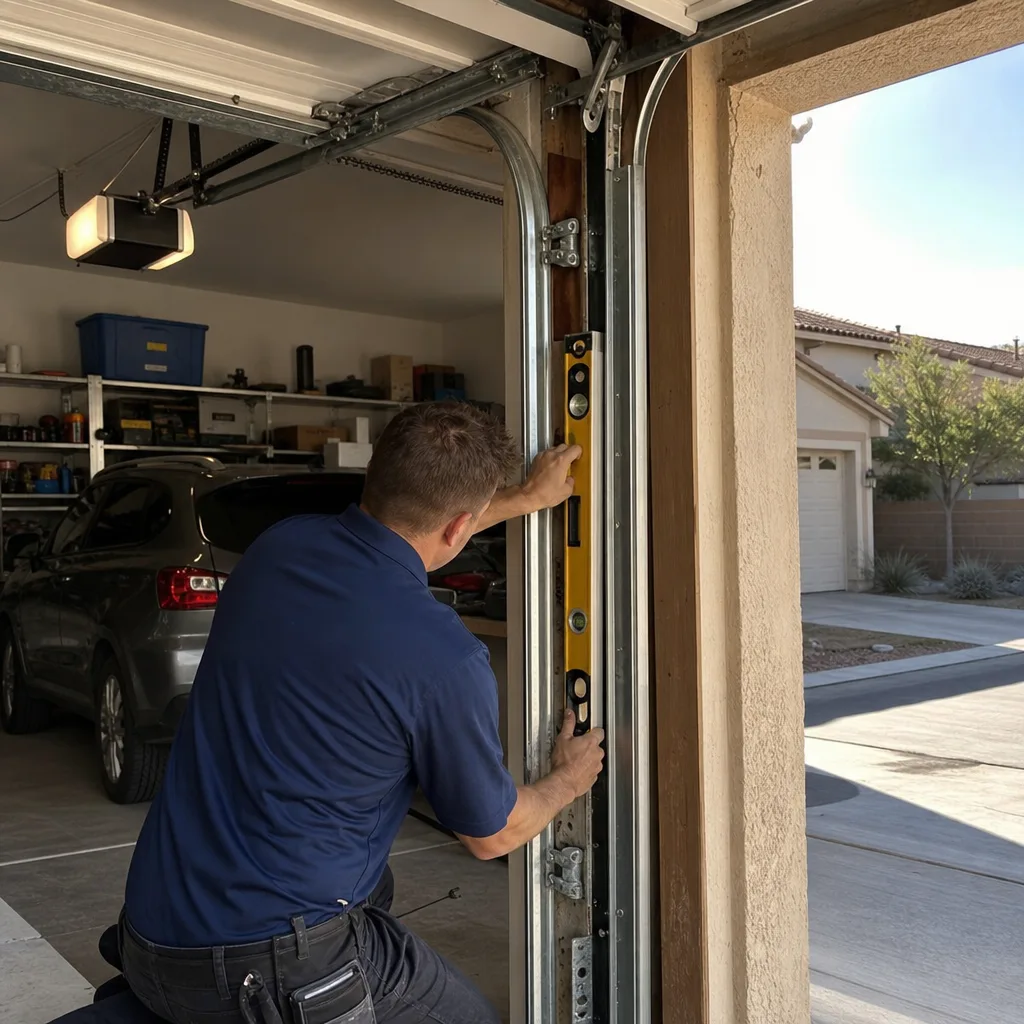
Here’s the sequence a technician follows, and what you’ll have in hand at the end of each step:
- Measure the bay temperature and map the layout. We check whether the garage sits under living space, how many walls it shares, and what the ceiling actually does in afternoon sun. This tells us whether noise matters at all.
- Inspect the existing drive and door weight. A heavier wood or single-panel steel door past service life loads the opener differently than the original spec accounted for. Drive type gets chosen to match the real door weight, not the manual’s ideal.
- Read the belt or chain condition. On an existing belt drive we measure for stretch and look for cracking at the reinforcement. On a chain we check whether desert grit has turned the lubricant into paste.
- Write the recommendation with the reason. Model, drive type, and the specific variable that drove the call, in a flat written price before work starts. LiftMaster and Chamberlain both make units in each drive type, so the choice isn’t brand-driven.
- Install, test the safety reverse, and hand over the photo record. You get the documented record of what was found and what was done, plus the written warranty terms.
If your opener needs repair rather than replacement, that’s a different conversation and a more contained one. Our Garage Door Opener Repair & Installation page covers what fails and what it costs to fix. For the fuller picture of what else lives on a Winchester door, the home page lays out the whole set of services.
The One Clark County Paperwork Wrinkle Worth Mentioning
Because Winchester is unincorporated and governed by Clark County rather than the City of Las Vegas, permit and inspection routing for garage door replacements goes through county building services. Plenty of valley residents assume it’s city-run and get bounced. It doesn’t change your belt-versus-chain decision, but it does change what a replacement pulls in behind it, so it’s worth checking before a new door and opener go in together. Verify the current routing before you pull anything.
FAQs
It’s worth it if your garage is attached, shares a wall with a bedroom, or sits in a zero-lot-line townhome where the opener is audible through living space. It’s not worth it in a detached ranch garage where nobody hears the door. If noise truly doesn’t reach you, spend that money on a better motor instead. Call (855) 517-0284 for an exact quote on your layout, estimates are free.
Chain drive is more heat-tolerant, because steel doesn’t crack from a 130°F uninsulated bay the way a rubber belt can. Belt drive still works fine in most Winchester garages, but it needs an annual inspection for stretch and cracking. That annual belt check is a real maintenance item in this valley, not a sales line. Call (855) 517-0284 to have yours inspected before summer.
Opener installation in Winchester runs $250-$550, and belt drive typically adds $80-$120 over a comparable chain unit. The exact written price depends on the door weight, the drive type, and whether the existing rail and mounting need rework. Call (855) 517-0284 for a flat quote before any work starts.
Yes. Desert dust that settles on the chain turns the lubricant into an abrasive paste, and a lubrication interval set by calendar months alone will miss it. Clean and re-lubricate after significant dust events rather than waiting for the scheduled service. Call (855) 517-0284 if you’re unsure whether your chain is overdue.
If you’d rather have it looked at than guess, Servo Garage Doors Winchester offers a no-pressure assessment in Winchester – call (855) 517-0284. A technician can tell you in one visit whether belt drive earns its premium on your garage, and you’ll have the written reason in hand either way.
Written by the team at Servo Garage Doors Winchester, serving Winchester, NV.