
Last updated November 18, 2026
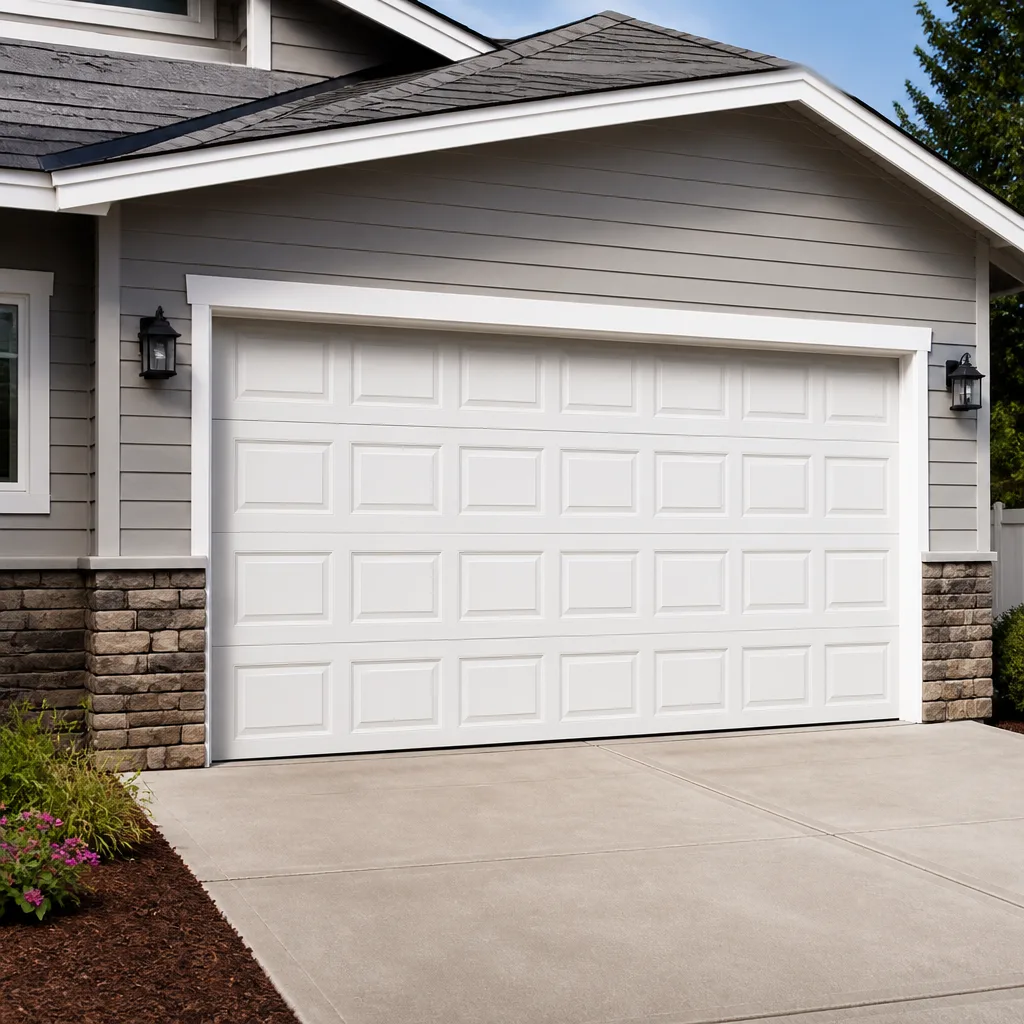 Raised-panel steel
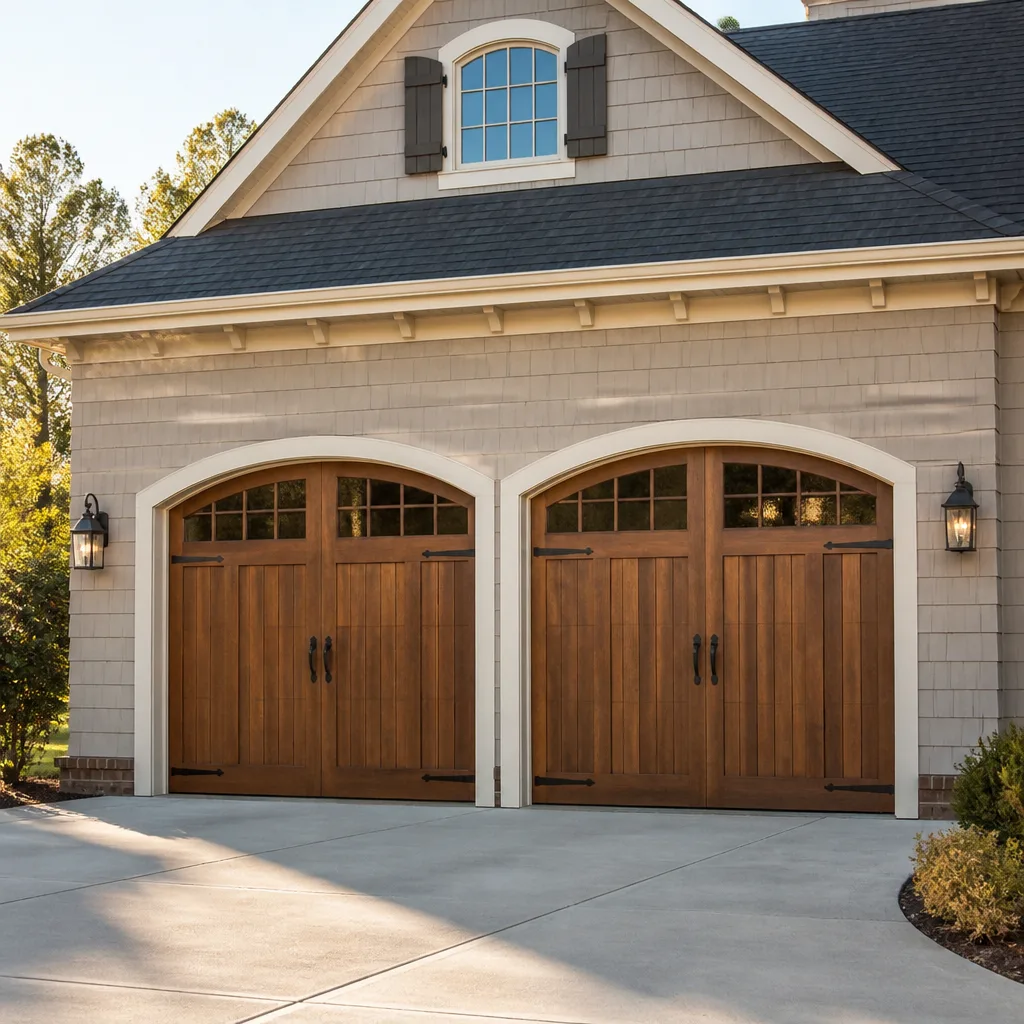 Carriage house
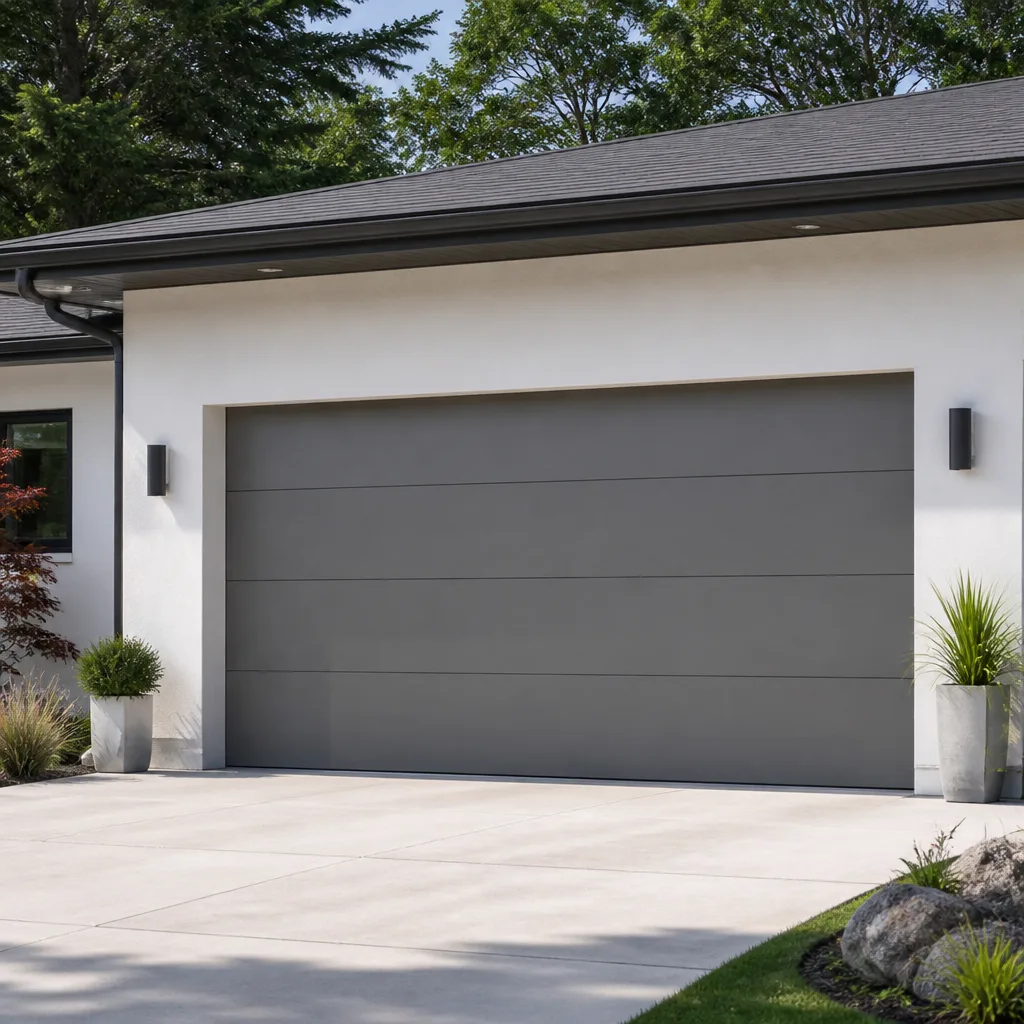 Modern flush
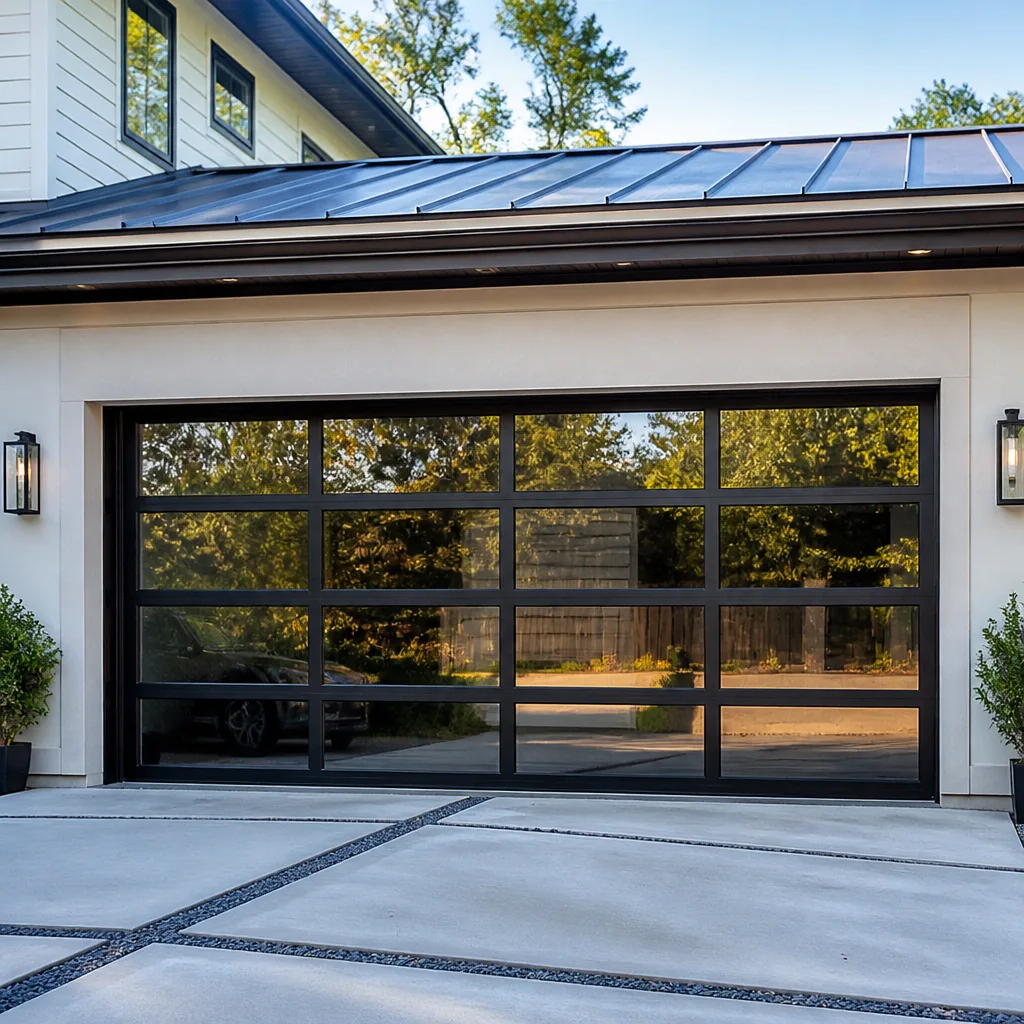 Full-view glass
 LiftMaster openers
 Chamberlain openers
Full 25-point door and opener safety check with every visit - springs, cables, rollers, tracks, and your LiftMaster or Chamberlain opener included
You get a price before we start. It does not change when the pro arrives.
Get your free estimateThe Complete Garage Door Installation Guide for Winchester Homeowners
The most common installation mistake in Nevada homes with low-clearance garages isn’t the installation itself. It’s ordering a standard-radius track (12 inches) for a space that needs a low-headroom track conversion, a discovery that costs $200-$400 to correct after the door is already delivered. In Winchester, where a lot of garages were framed tight to the ceiling line, this happens more than it should. This guide works backward from the opening to the correct parts list, so you order right the first time. We’ll cover the measurements that drive every hardware choice, how to calculate spring rating, and what Winchester-specific conditions change the plan.
Quick Answer
Garage door installation in Winchester runs $1,100-$2,400 for a single-car door and $1,600-$3,200 for a double, installed, depending on door material, insulation, and whether the opening needs track or headroom corrections. The deciding factors are measured before ordering: rough opening dimensions, headroom, side room, and backroom. Get those four numbers right and the hardware selection follows. Get them wrong and you’re paying to correct a delivered door.
Styles & brands we work with
- Raised-panel steel
- Carriage house
- Modern flush
- Full-view glass
- LiftMaster openers
- Chamberlain openers
Table of Contents
- The Four Measurements That Decide Everything
- How to Calculate the Correct Torsion Spring Rating
- Winchester-Specific Installation Considerations
- The Correct Installation Sequence (and Why Order Matters)
- What Documentation to Keep After Installation
- What Installation Costs in Winchester
- Common Mistakes to Avoid
- When to Call a Professional
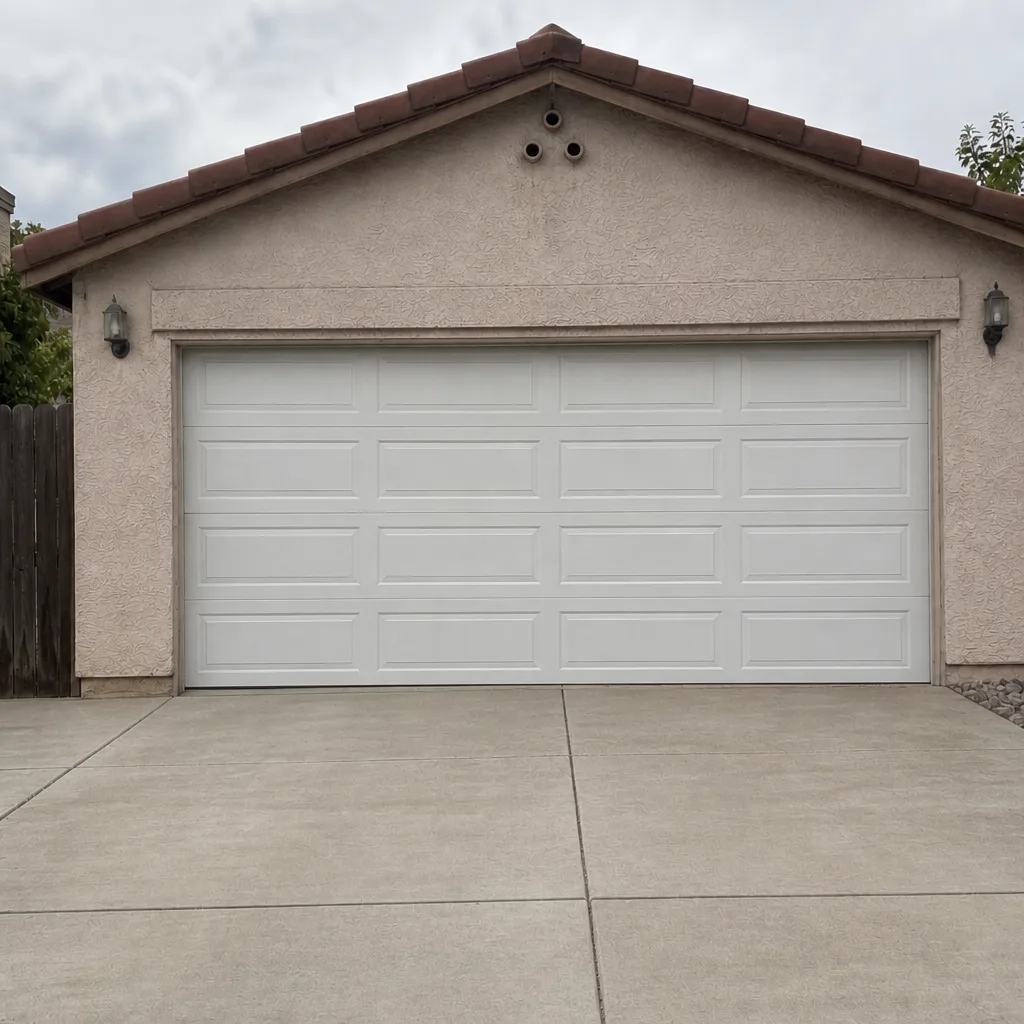
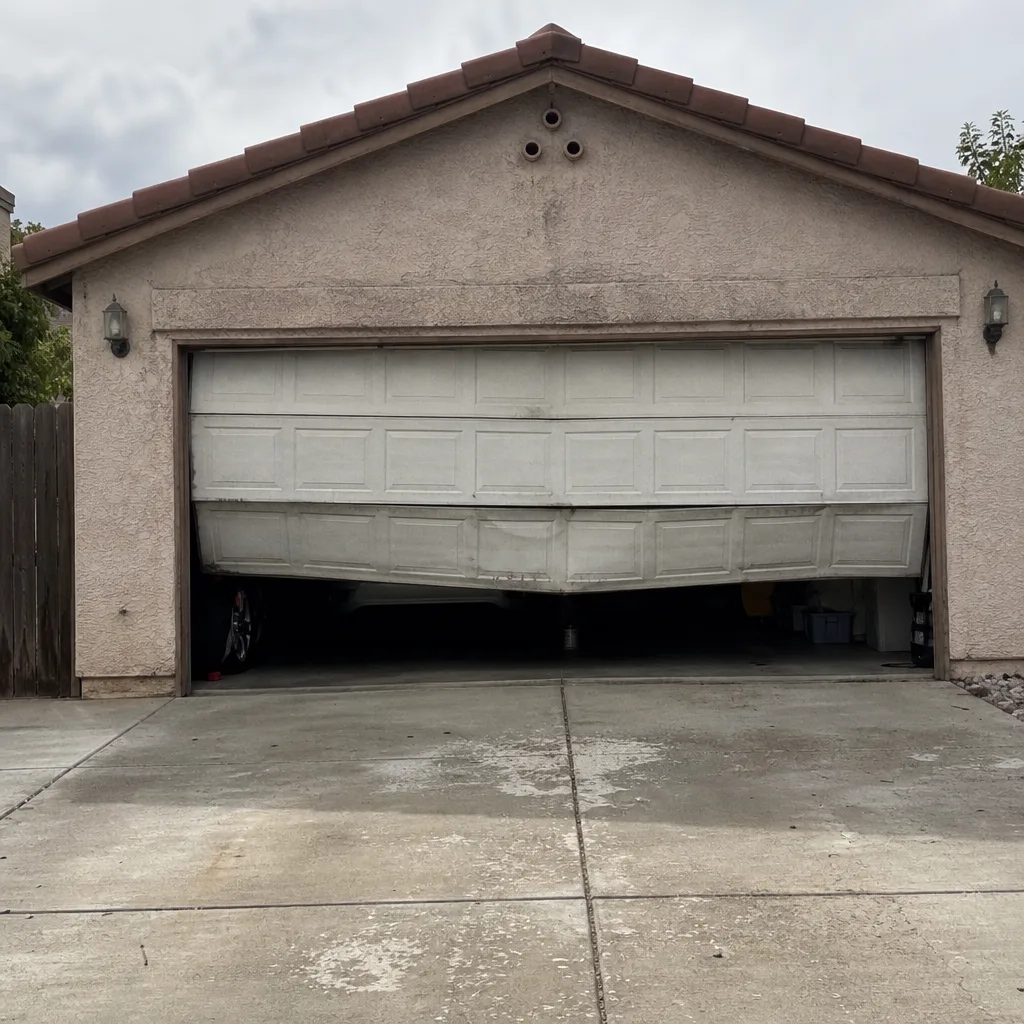 Before
 After
The Four Measurements That Decide Everything
Every hardware decision on a garage door traces back to four measurements taken at the opening. Take them with a steel tape, write them down, and keep the paper. A phone photo of the tape against the framing works too, and it’s the kind of record that saves arguments later.
- Rough opening width and height. Measure between the finished jambs at the widest point (width) and from the floor to the bottom of the header (height). The door is sized to the opening, not the other way around. A door that’s a half-inch too wide won’t go in, and one that’s too narrow leaves gaps that weather and pests find.
- Headroom. Floor to ceiling, measured directly above the opening at the center. Standard torsion setups need about 12 inches; low-headroom situations need less, but only with the right hardware. This is the number that triggers the low-headroom conversion mentioned at the top of this guide.
- Side room. From the edge of the opening to the nearest wall or obstruction, on both sides. Track brackets and spring assemblies need clearance. A tight side on one side changes where the torsion tube and springs mount.
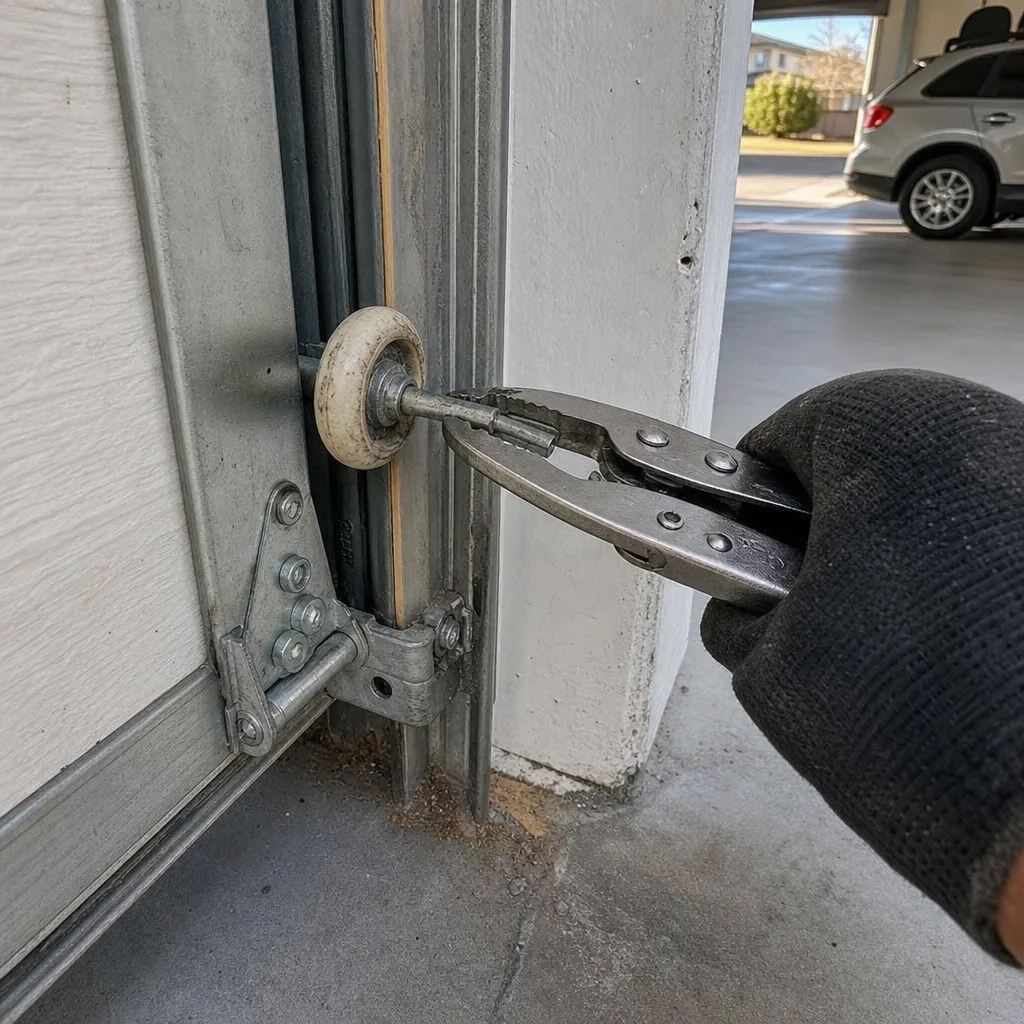
- Backroom. How far the door travels horizontally into the garage, measured from the opening header back to the nearest obstruction (a water heater, a step, a beam). Standard track runs about the door height plus 18 inches; low-headroom and high-lift setups run differently.
Write all four on one sheet. If any number surprises you, that’s the moment to stop and reconsider the order, not after delivery. The Garage Door Installation in Winchester page walks through how we handle measurements on a scheduled visit.
How to Calculate the Correct Torsion Spring Rating
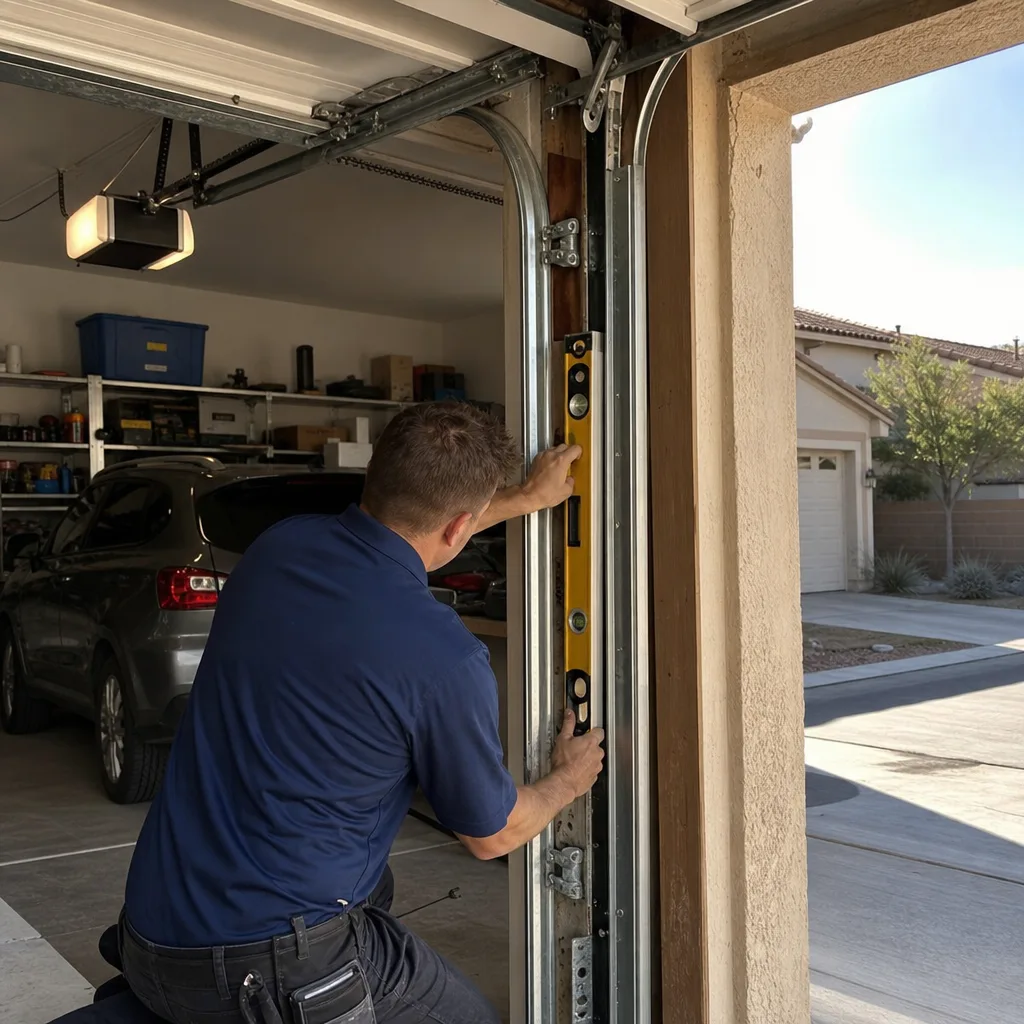
Torsion springs are rated in IPPT, or inch-pounds per turn: the torque the spring delivers for each quarter-turn of winding. The rating has to match the door’s weight and height, or the door won’t balance. An under-rated spring won’t lift the door or will work the opener to death. An over-rated one makes the door creep up and puts excess load on the cables and centers.
The working formula for a single torsion spring is:
IPPT = (door weight in pounds × track radius factor) ÷ (number of turns × 0.054)
In practice, the track radius factor is a constant for a given drum type, and the number of turns is derived from door height. The cleanest way to get it right is to start from the door weight, which appears on the panel label or in the manufacturer’s spec sheet, and let the spring supplier match the IPPT. For a typical 7-foot door weighing 130-160 pounds, most standard setups land in the 170-220 IPPT range. An 8-foot door of similar construction runs higher because the door travels further.
- Door weight comes from the panel label or the installer’s scale reading, not a guess.
- Spring wire diameter and inside diameter both affect IPPT; a “same-length” spring can be the wrong rating.
- Two springs are better than one on heavier doors because a single failure doesn’t drop the whole door.
- Never adjust or replace torsion springs yourself. The stored energy in a wound spring can cause serious injury; this is trained-professional work, full stop.
This is the step most homeowners skip, and it’s the one that shows up six months later as a door that won’t stay up, an opener that strains, or a cable that snaps. On every visit, our technicians photograph the failed or existing spring and note the wire diameter before quoting anything, per Clause 4 of The Haven Standard. On the opener side, correct balance also protects the Garage Door Opener Repair & Installation in Winchester work, since an unbalanced door is the leading cause of opener failure.
Winchester-Specific Installation Considerations
Winchester garages aren’t all framed the same way, and two conditions here change installation plans more than most.
Stucco framing. Much of Winchester’s residential construction uses stucco over wood framing, and stucco changes how track brackets and spring anchors fasten. A lag anchor that seats cleanly in bare studs will pull loose in stucco-and-lath if it’s not long enough to reach solid wood. We use anchors sized to pass through the stucco layer and bite into the stud, not just the sheathing. On older homes, the framing behind the stucco may be at a different plane than the opening, which also affects track alignment.
HOA color and panel restrictions. Several Winchester subdivisions restrict garage door color and panel style, and some restrict window inserts. Before you order, check your HOA’s architectural guidelines for the approved palette. Amarr and Wayne Dalton both publish color-matched options, but if your HOA requires a specific tone, order to that spec rather than repainting later. Repainting a factory-finish door voids most finish warranties.
Heat and dust. Winchester summers push doors and openers hard. Insulated panels and a properly rated opener help, and so does a door that seals well at the bottom; dust intrusion through a poor bottom seal wears tracks and rollers faster here than in cooler climates. Our team at Servo Garage Doors Winchester home sees this on service calls throughout the valley.
The Correct Installation Sequence (and Why Order Matters
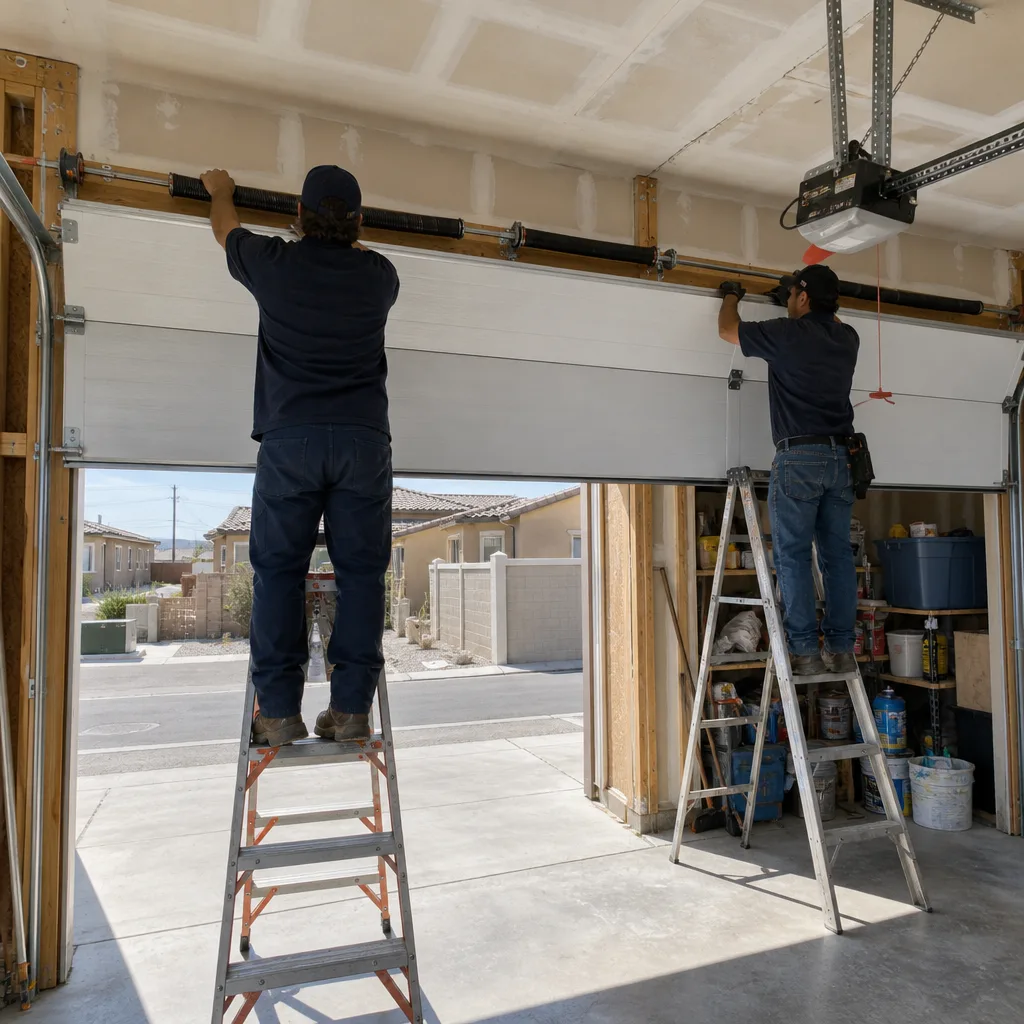
The order of installation isn’t arbitrary. Each step depends on the one before it, and skipping ahead creates safety problems, not just fit problems.
- Tracks and brackets first. Vertical tracks plumb and level, horizontal tracks set to the correct backroom, brackets anchored to solid framing. Everything else hangs off these.
- Rollers and hinges, then the door panels. Panels stack in the tracks bottom-up, with hinges and rollers on as you go. The bottom panel sets the seal line.
- Torsion spring and shaft. Mounted and wound only after the door is fully in the tracks. Winding a spring before the door is in place is how people get hurt.
- Cables. Run from the bottom brackets to the drums, tensioned to the spring. Cables are under extreme tension; this is not a DIY step.
- Opener. Installed, aligned to the door’s center, and travel limits set to match the door’s open and closed positions. The opener follows the door, not the other way around.
- Balance and safety test. Disconnect the opener, lift the door halfway by hand, and confirm it holds. Test the photo-eye and auto-reverse. Adjust spring tension or limits as needed.
Skipping the balance test, or setting opener travel limits before the door is balanced, is the most common cause of a door that reverses on its own or crushes the bottom seal. The right sequence prevents all of it. If you’re considering a new door and opener together, the Garage Door Repair in Winchester page covers how repairs and replacements differ.
What Documentation to Keep After Installation
Installation isn’t done when the door goes up. It’s done when you have the reference data that any future service call will need. Keep these in one folder, digital or paper:
- Spring specifications. Wire diameter, inside diameter, and IPPT rating, written on the invoice or a spec sheet. This is what a future technician matches when a spring fails.
- Door weight from the panel label. The label on the back of the top or bottom panel states the weight; photograph it before it’s covered by insulation or trim.
- Opener travel limit settings. The up and down limit values and the model number, so a replacement or adjustment doesn’t start from scratch.
- Track radius and headroom notes. Whether you have standard or low-headroom track, and the headroom measurement, in case a future opener or door change depends on it.
- The photo record. Every Servo job closes with a documented photo record of findings and completed work, included at no extra charge, per the founding rule the business was built on. It’s a record that serves you years later.
Keep the folder where you keep your home’s other records. A future service call with these numbers on hand is faster, cheaper, and less likely to end in “we’ll have to replace the whole assembly.” Contact us if you’ve lost yours; we can reconstruct spring and opener specs from a visit.
What Installation Costs in Winchester
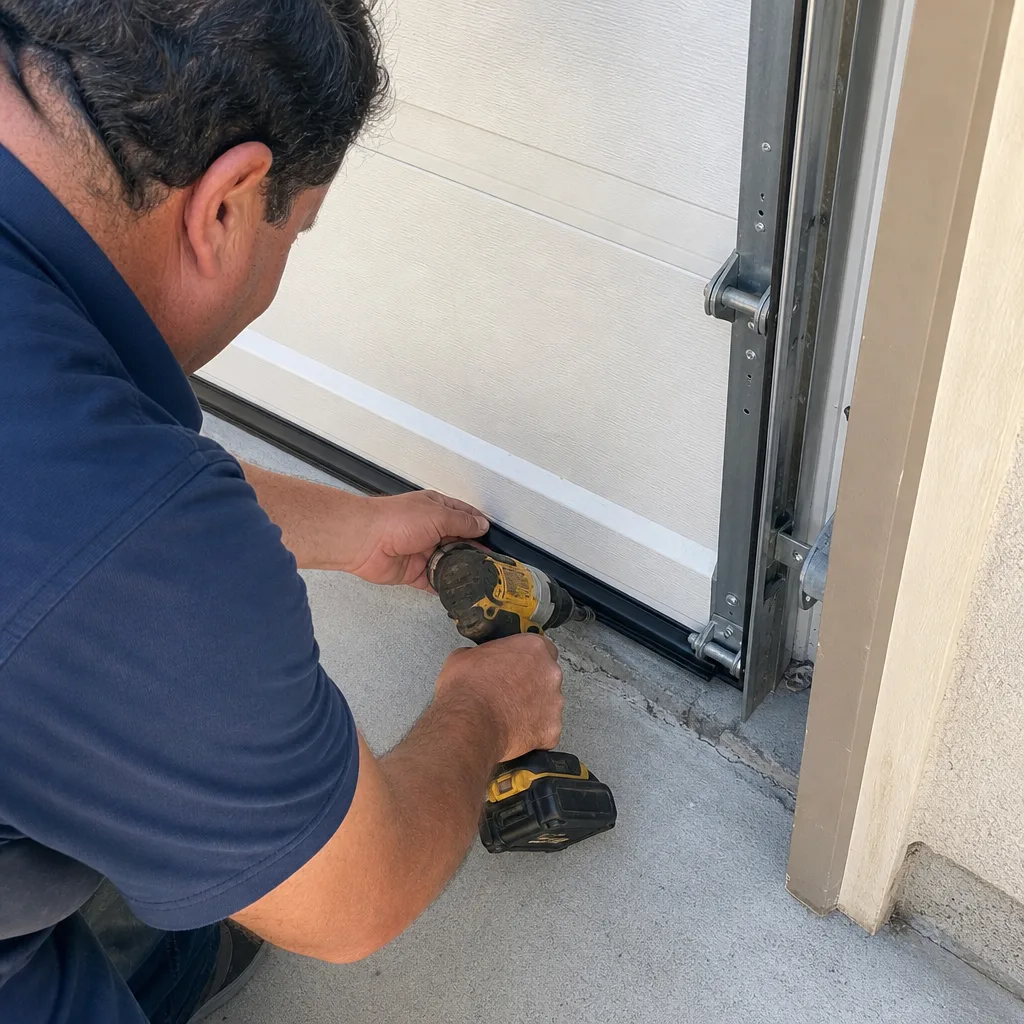
Here’s the honest price picture. Every number below is a written, flat quote before work starts, per Clause 1 of The Haven Standard, not an estimate that grows on arrival. Call us and the price you’re quoted is the price you pay.
| Item | Winchester price range |
|---|---|
| Single-car door, installed (steel, standard) | $1,100 – $1,900 |
| Single-car door, installed (insulated or carriage style) | $1,600 – $2,400 |
| Double-car door, installed | $1,600 – $3,200 |
| Low-headroom track conversion | $200 – $400 (correcting after delivery) |
| Torsion spring replacement (pair) | $180 – $340 |
| Opener installation (belt or chain) | $250 – $500, opener included |
| High-lift or custom track (per opening) | $400 – $900 |
Door cost dominates the total, and material choice drives most of the spread: a basic steel door sits at the low end, while wood-look and carriage-house styles with windows run higher. The installation page lists current ranges for each style. If you have a written estimate from another company, bring it in; we offer a free second opinion on any competing written estimate, no coupon needed. Estimates in Winchester are free: call (855) 517-0284 for yours.
Common Mistakes to Avoid
- Ordering a standard-radius track for a low-headroom garage. This is the $200-$400 correction mentioned at the top. Measure headroom before ordering, not after delivery.
- Guessing the door weight for the spring rating. A spring matched to a guess won’t balance. Read the panel label and size the spring to the actual weight.
- Assuming stucco framing takes the same anchors as bare wood. Anchors must reach through the stucco into the stud. Short anchors pull loose and drop the track.
- Ignoring HOA color restrictions until after the door arrives. Check the architectural guidelines first. Repainting voids the factory finish.
- Skipping the balance test. A door that doesn’t balance by hand will strain the opener and fail early. Test it before calling the job done.
- Throwing away the documentation. Without spring specs, door weight, and opener limits, the next service call costs more.
- Adjusting torsion springs yourself. Stored spring energy is dangerous. Leave it to a trained professional.
See the difference
BeforeAfter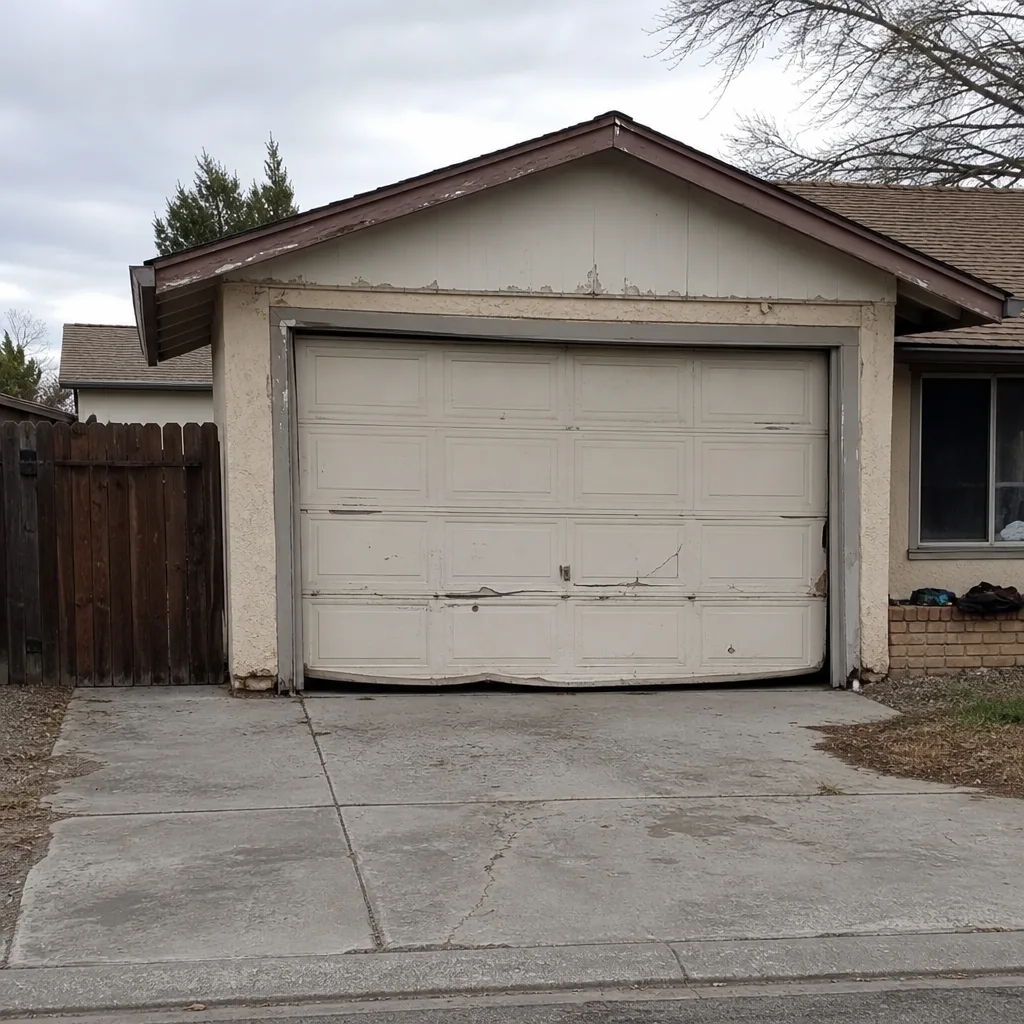 Before
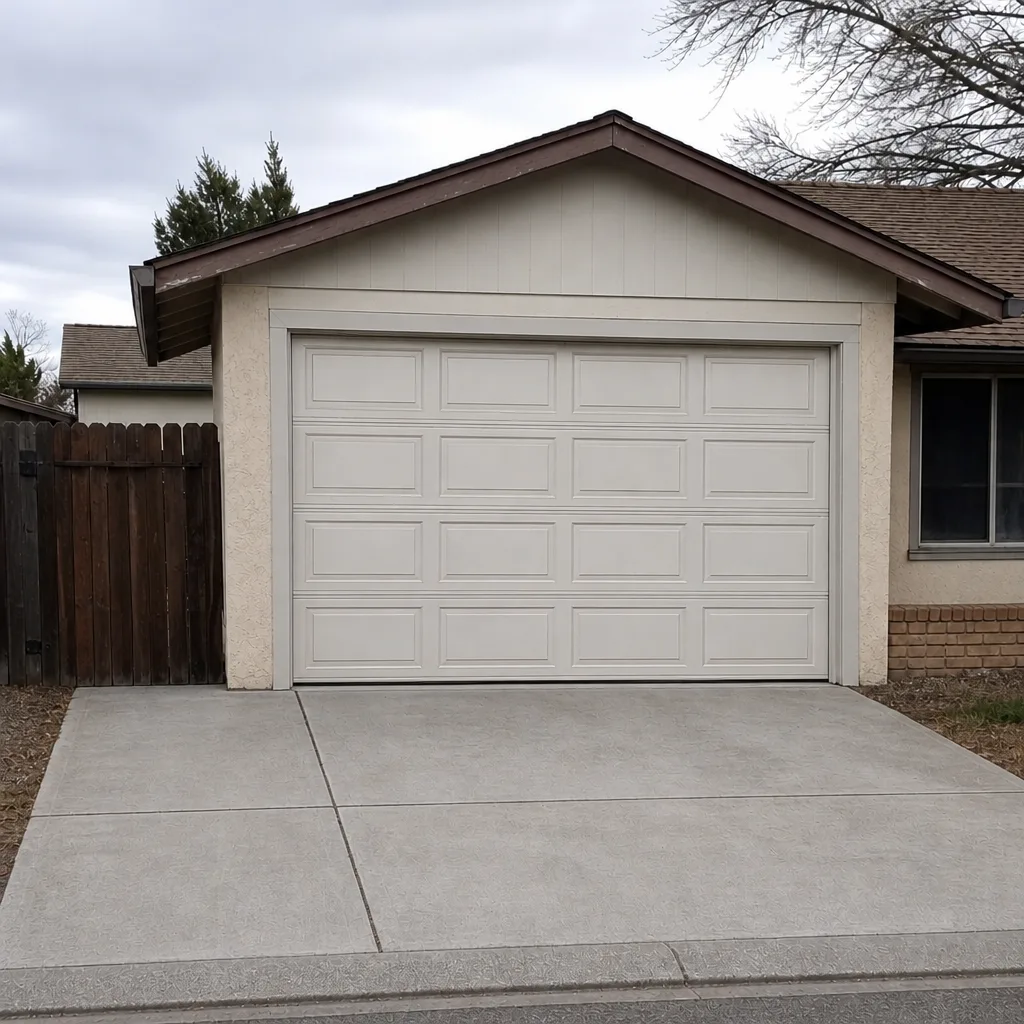 After
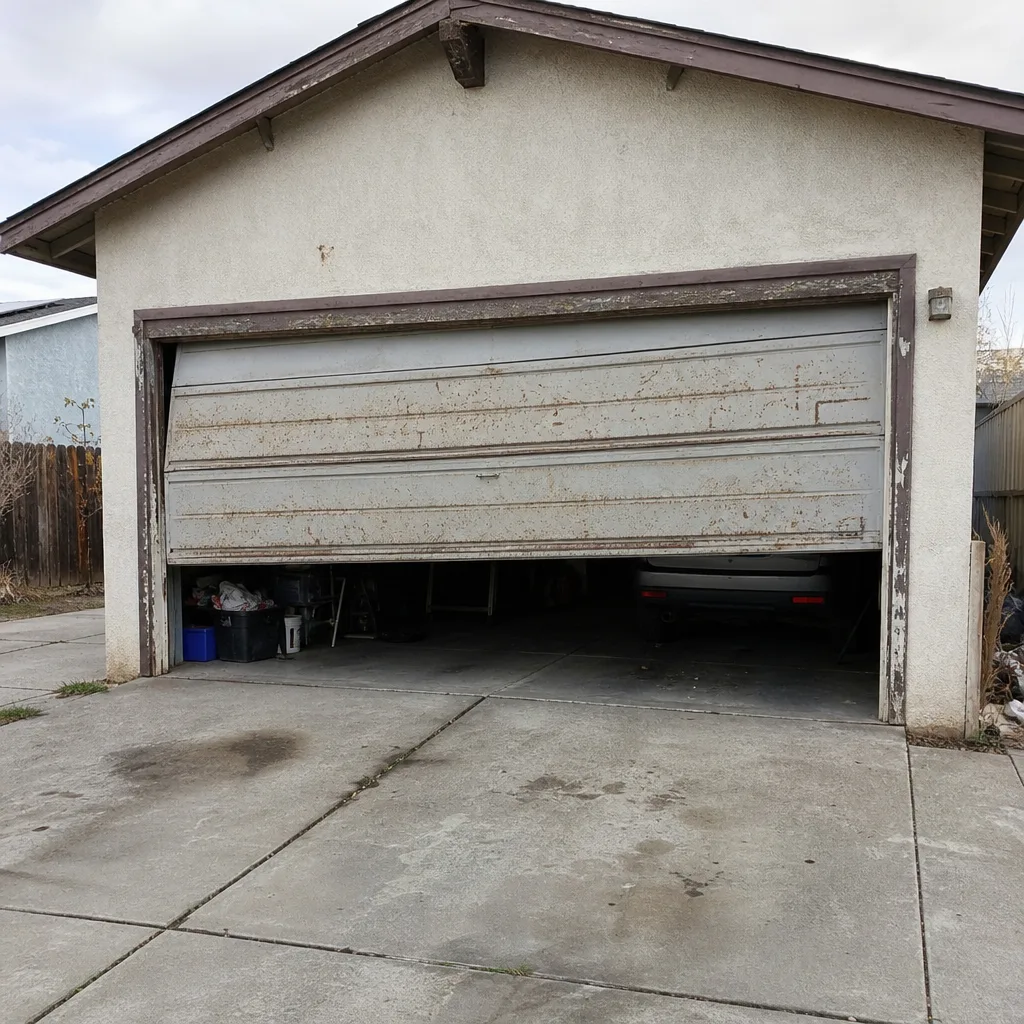 Before
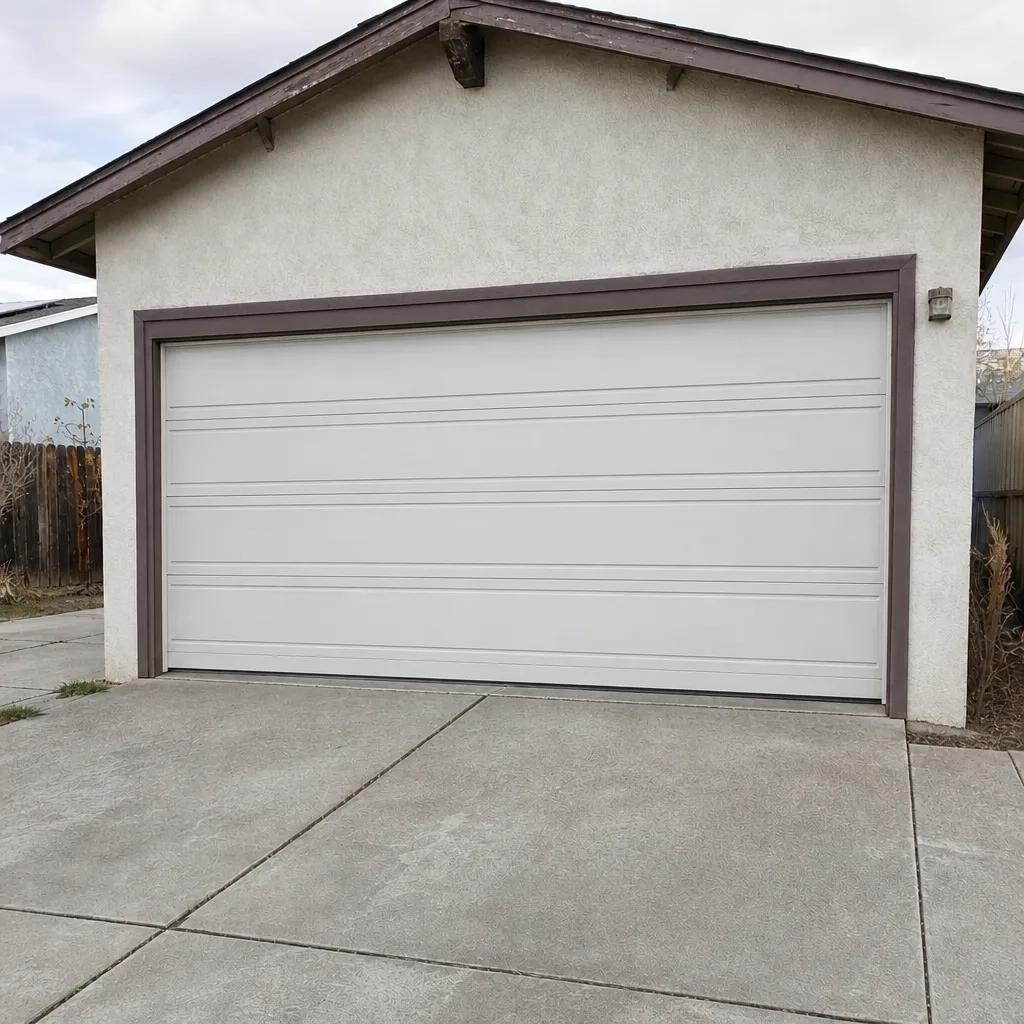 After
When to Call a Professional
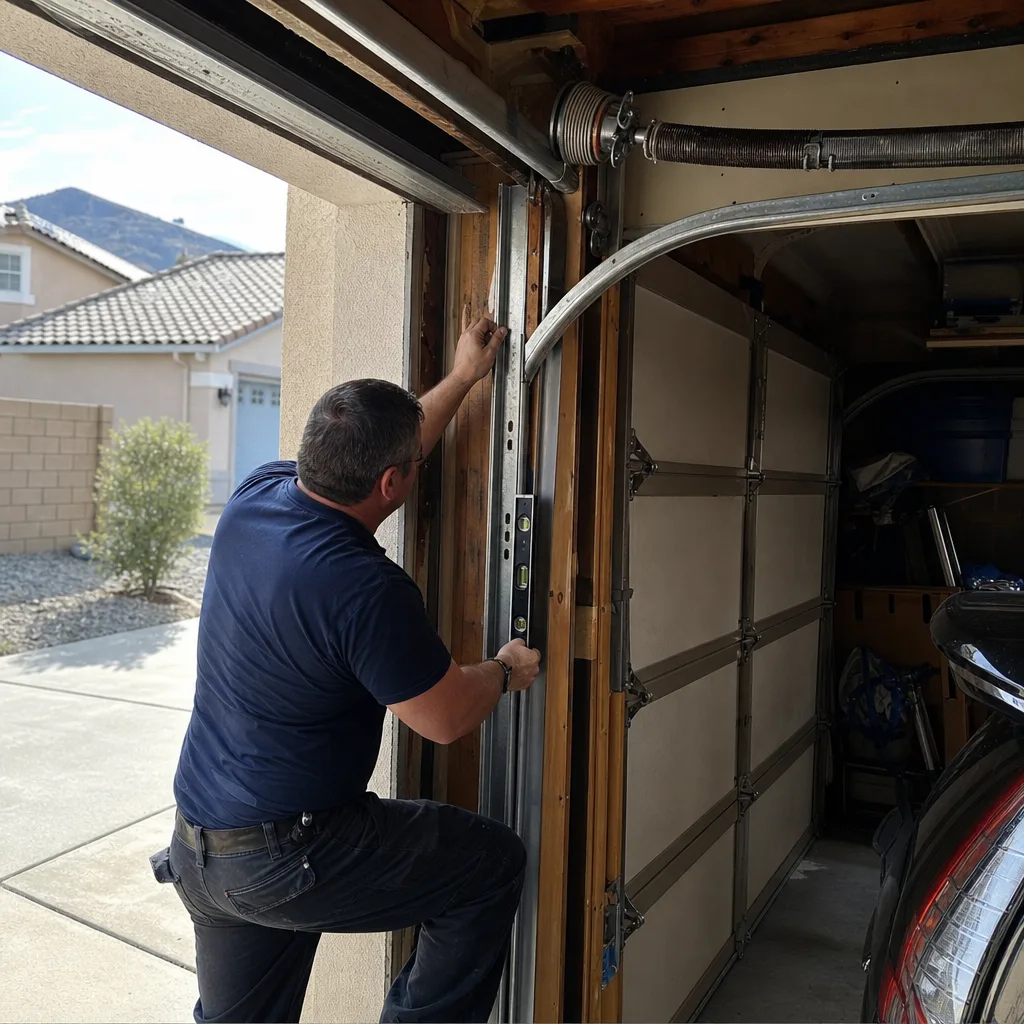
Torsion spring work, cable tensioning, and opener travel-limit adjustment all belong to a trained technician; the injury risk from a wound spring or a taut cable is real, and the cost of a mistake is far higher than a service call. Call a professional if your headroom or side room is tight enough that you’re unsure about track selection, if the opening is stucco-framed and the anchors aren’t biting, if you’ve received a written estimate for a new door and want a second opinion, or if you’re replacing an opener and want the door balanced to it. Servo Garage Doors Winchester offers free estimates in Winchester, and every visit includes a documented photo record of findings and completed work; call (855) 517-0284.
Frequently Asked Questions
Garage door installation in Winchester runs $1,100-$2,400 for a single-car door and $1,600-$3,200 for a double, installed, depending on material and insulation. The price is written and agreed before any work starts, so it doesn’t change once the technician is on site. Call (855) 517-0284 for a free estimate.
You need one if your headroom (floor to ceiling above the opening) is too tight for a standard 12-inch radius track. Measure it first; a standard setup needs about 12 inches. If it’s less, order the low-headroom conversion up front and avoid the $200-$400 correction later.
Start with the door weight from the panel label, apply the track radius factor for your drum type, and divide by the turns for your door height; the result is IPPT. For a typical 130-160 pound, 7-foot door, most setups land in the 170-220 IPPT range. Have the supplier match the spring to that number. Don’t wind or replace it yourself.
Several Winchester subdivisions do restrict garage door color and panel style. Check your HOA’s architectural guidelines before ordering. If a specific tone is required, order to that spec; repainting a factory finish voids most finish warranties.
No. Installation is measured, ordered, and scheduled; it isn’t same-day work. We take measurements, order the correct door and hardware, and schedule the install once it arrives. For repair emergencies, though, we answer live 24/7 and can respond the same day.
Yes. The local professional who performs your installation is licensed and insured as Nevada requires, and is background-checked. Our technicians have up to 11 years of experience. Call (855) 517-0284 for a free estimate.
The Bottom Line
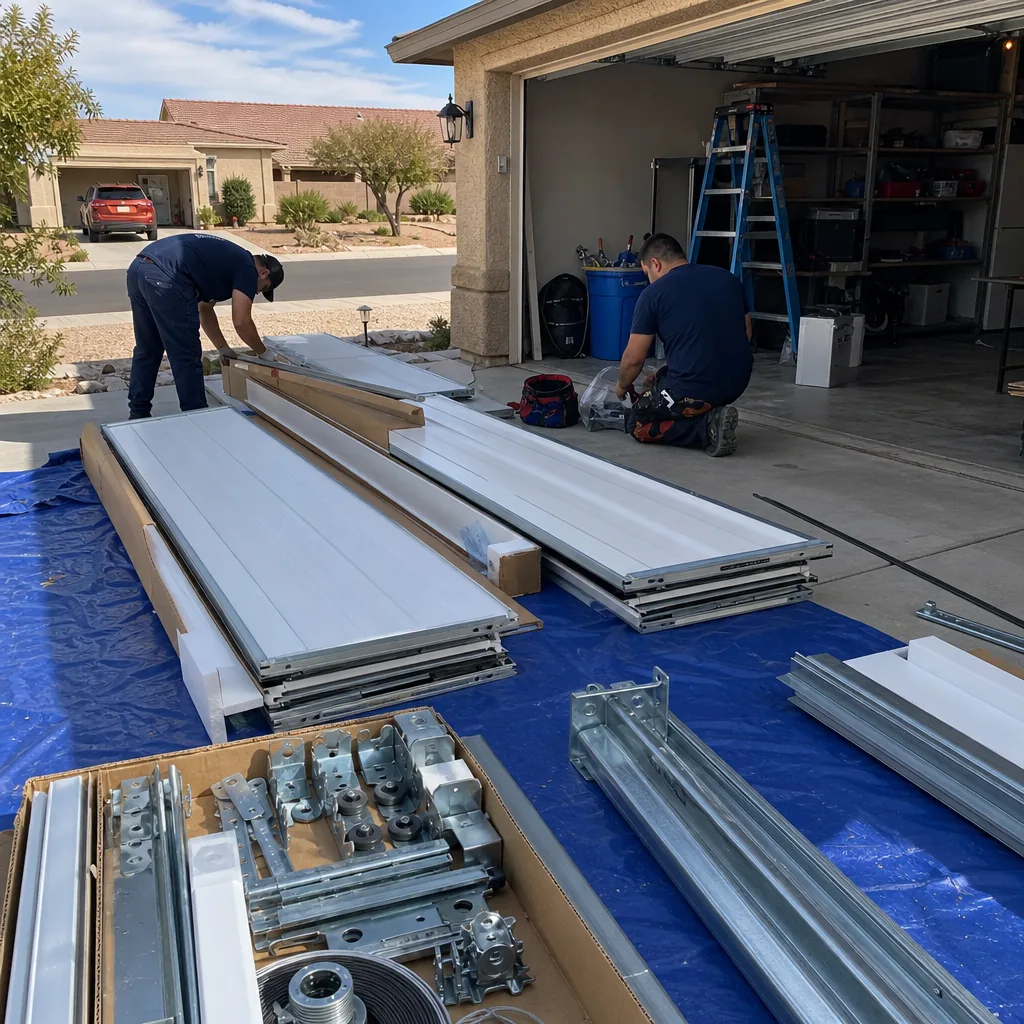
Installation decisions are made before any panels arrive: rough opening dimensions, headroom, side room, and backroom decide the track, the spring, and the opener. Calculate the spring IPPT from the actual door weight, not a guess. In Winchester, check for stucco framing that needs longer anchors and for HOA color rules before ordering. Keep the spring specs, door weight, opener limits, and photo record after the job. Get those four measurements right and the hardware selection follows; get them wrong and you pay to correct a delivered door.
Contact Servo Garage Doors Winchester at (855) 517-0284 for a free estimate on your installation. We’ll measure, confirm the right parts for your opening, and put the price in writing before anything is ordered.
Written by the team at Servo Garage Doors Winchester.