
Last updated November 18, 2026
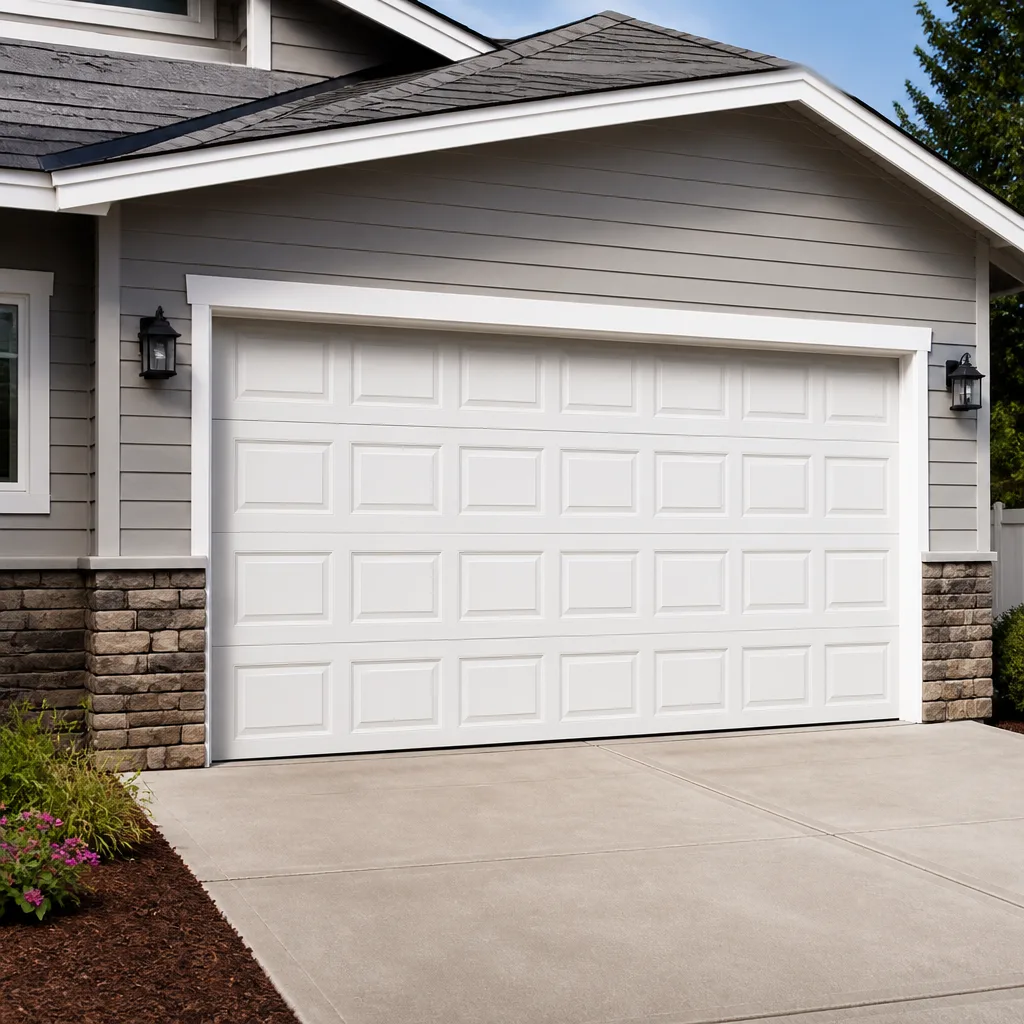 Raised-panel steel
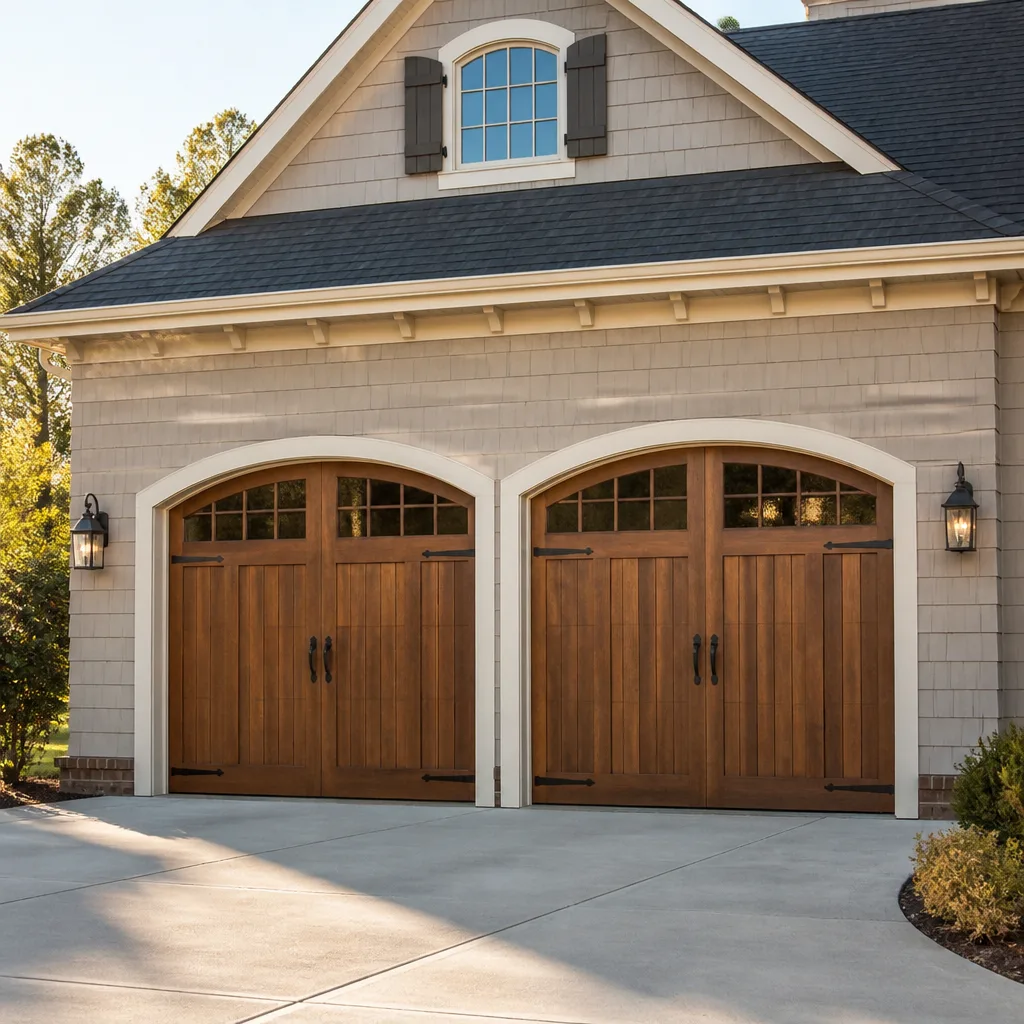 Carriage house
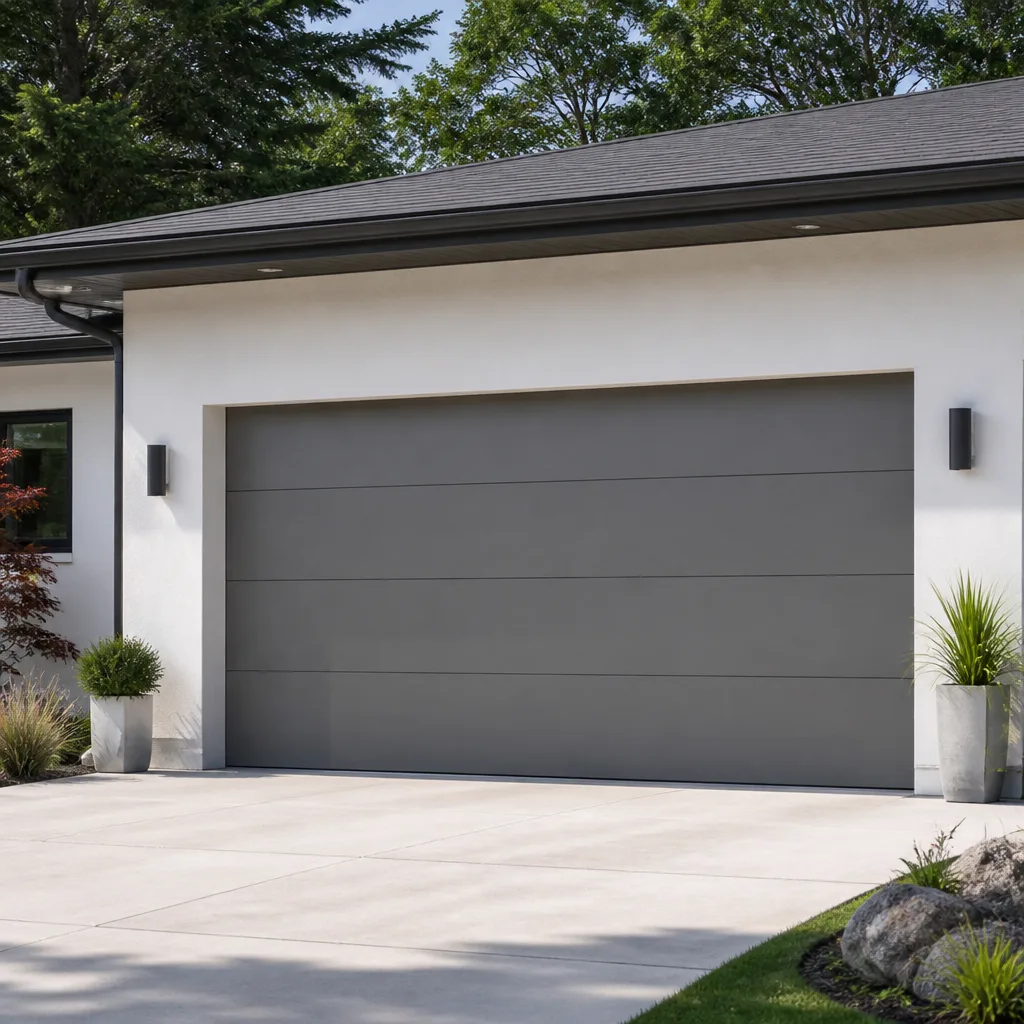 Modern flush
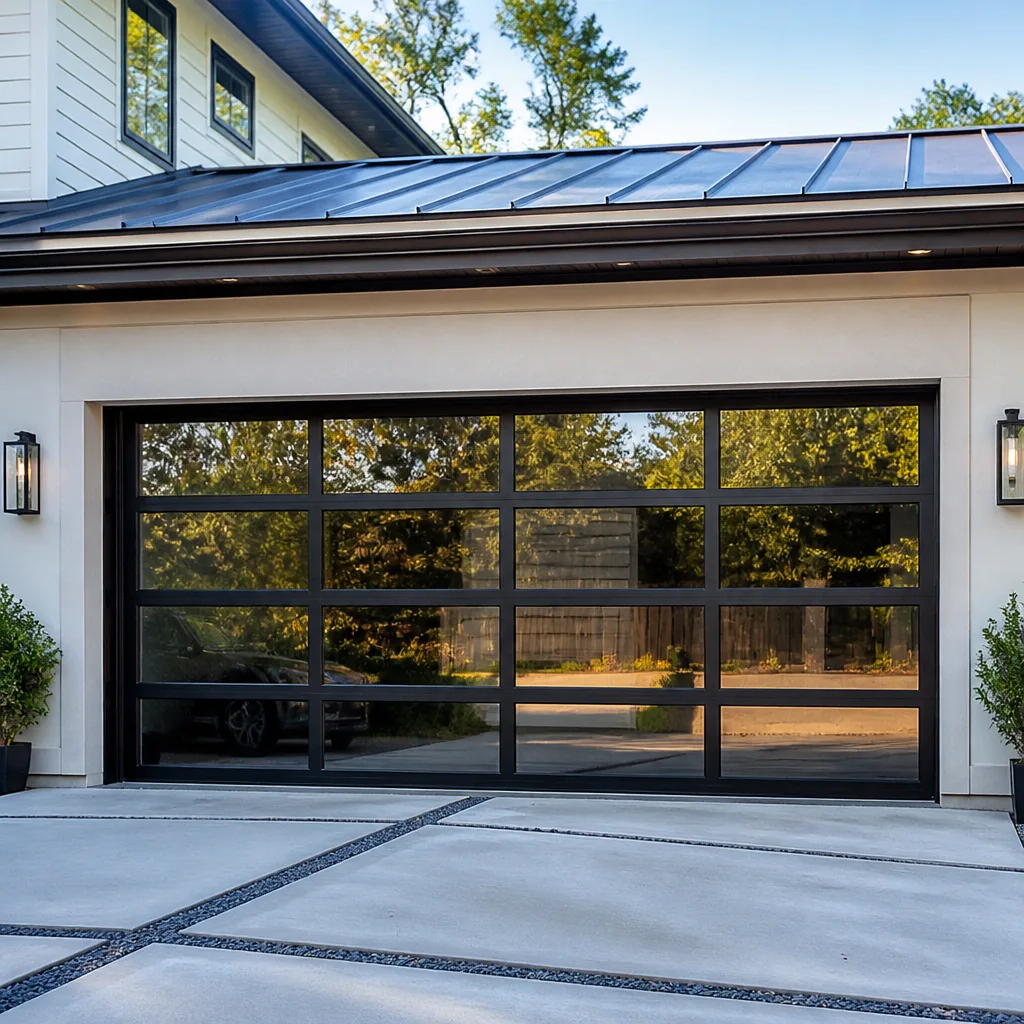 Full-view glass
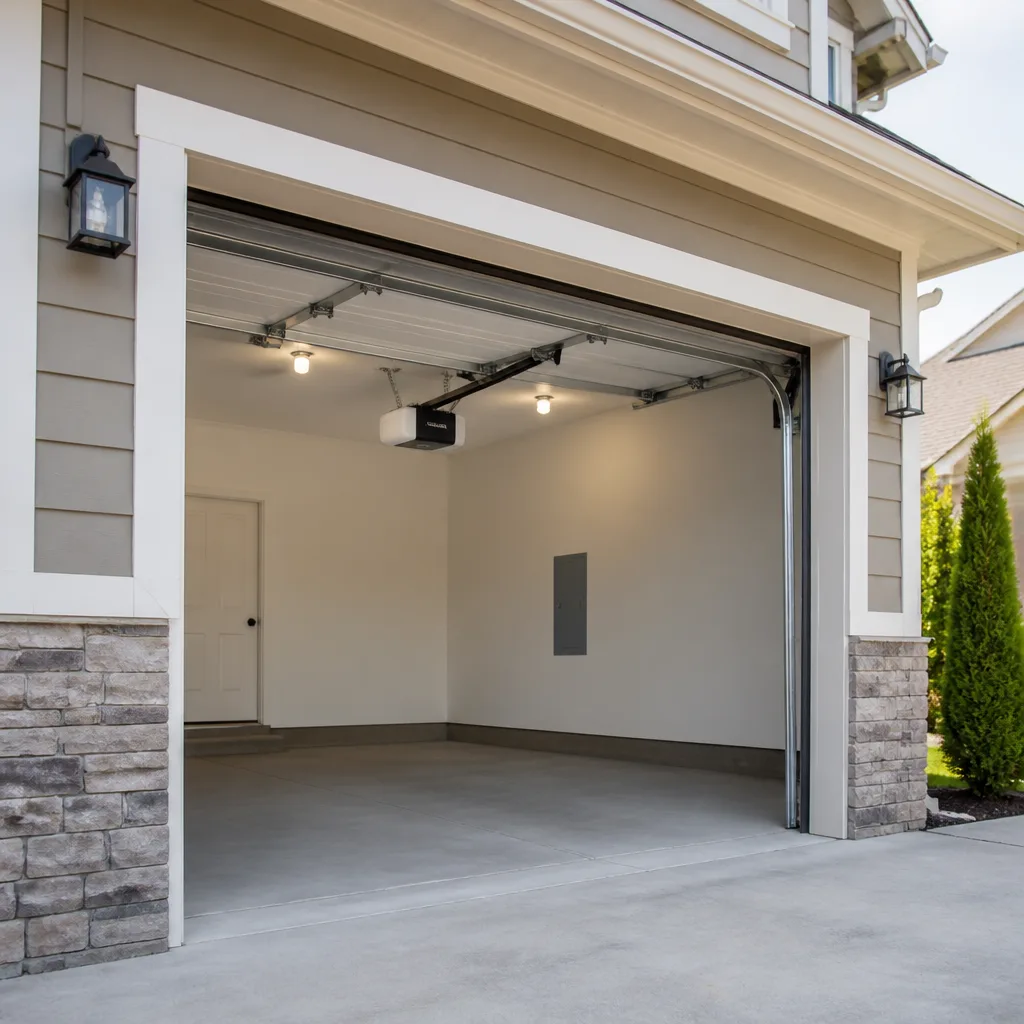 LiftMaster openers
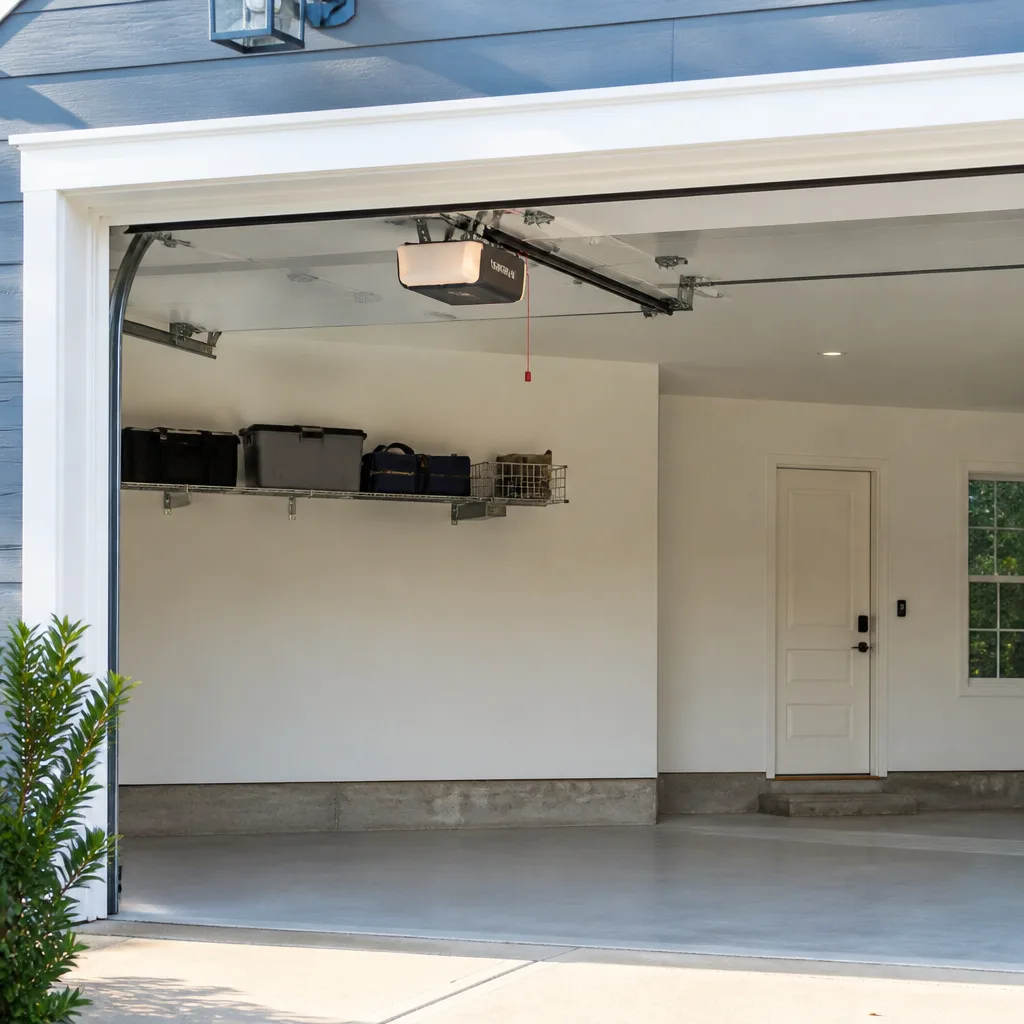 Chamberlain openers
Full 25-point door and opener safety check with every visit - springs, cables, rollers, tracks, and your LiftMaster or Chamberlain opener included
You get a price before we start. It does not change when the pro arrives.
Get your free estimateGarage Door Warning Signs: A Winchester Homeowner’s Reference Guide
A door that reverses before it touches the floor can mean four different things. Three of them cost less than a hundred dollars to fix. The fourth can run past four hundred. That gap is why a symptom list alone won’t help you – what you actually need is the pairing: which symptom points to which component, how a technician confirms it, and what tier of cost it lands in. In Winchester, we’ve walked into hundreds of garages where a homeowner had already guessed wrong. This guide gives you the pairing so you can read a quote before the technician leaves your driveway.
Quick Answer
Most garage door warning signs map to a short list of specific failed components: grinding to worn rollers or hinges, early reversal to a misaligned safety sensor or limit switch, uneven travel to cable slack or a broken torsion spring coil, and slow response to a logic board or signal issue. The one sign that means stop using the door immediately is a visibly separated torsion spring – that spring stores enough energy to seriously injure you during manual operation.
Styles & brands we work with
- Raised-panel steel
- Carriage house
- Modern flush
- Full-view glass
- LiftMaster openers
- Chamberlain openers
Table of Contents
- The Symptom-to-Component Mapping Table
- The One Warning Sign That Means Stop Using the Door Today
- How to Tell Opener Noise From Hardware Noise: The Ten-Second Test
- Diagnostic Steps That Confirm What Failed
- The Documentation Step: Photograph Before You Call
- Cost Tier Benchmarks for Winchester Homeowners
- Why Winchester’s Climate Accelerates Certain Failures
- Common Mistakes to Avoid
 Before
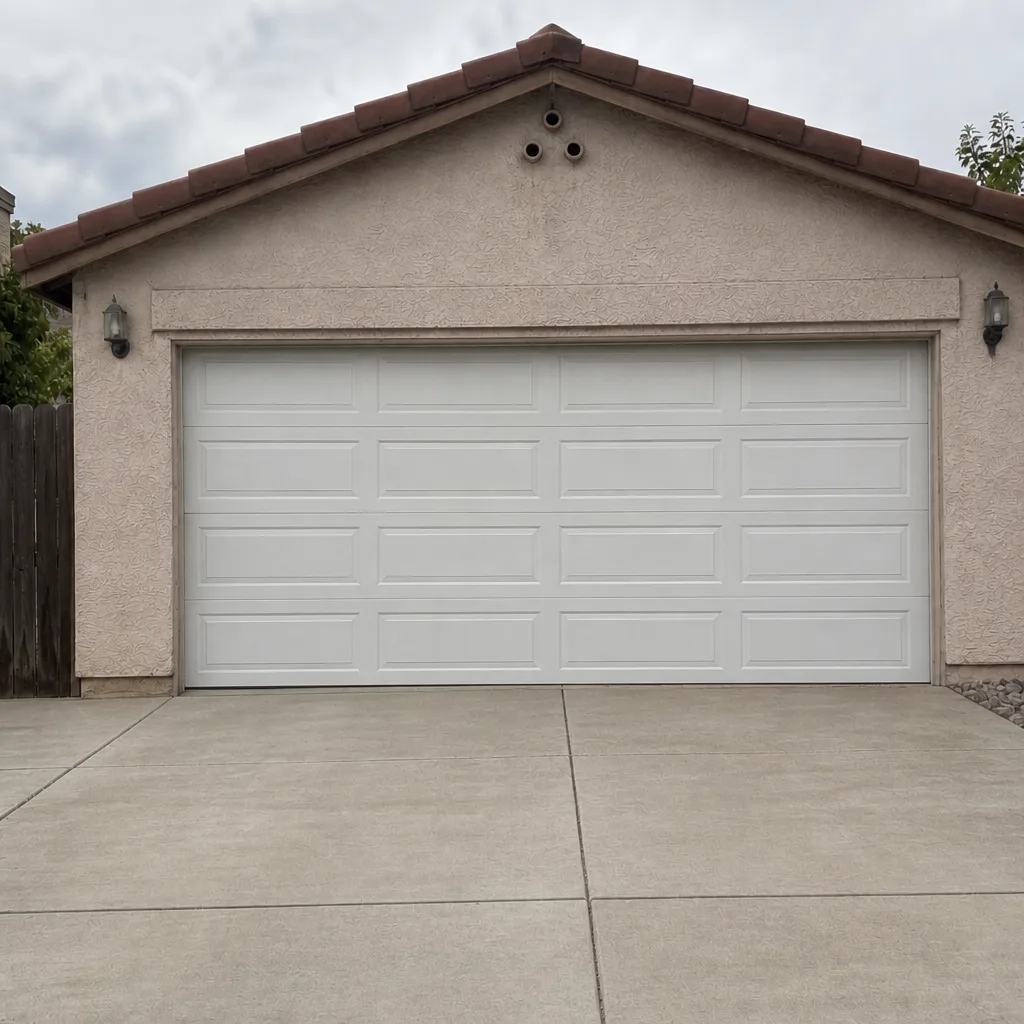 After
The Symptom-to-Component Mapping Table
This is the part most guides skip. A grinding noise could be a $40 roller or a $220 bearing plate, and the sound alone doesn’t tell you which. What it does tell you is where to look. Here’s how the symptoms we see most often in Winchester map to the parts behind them.
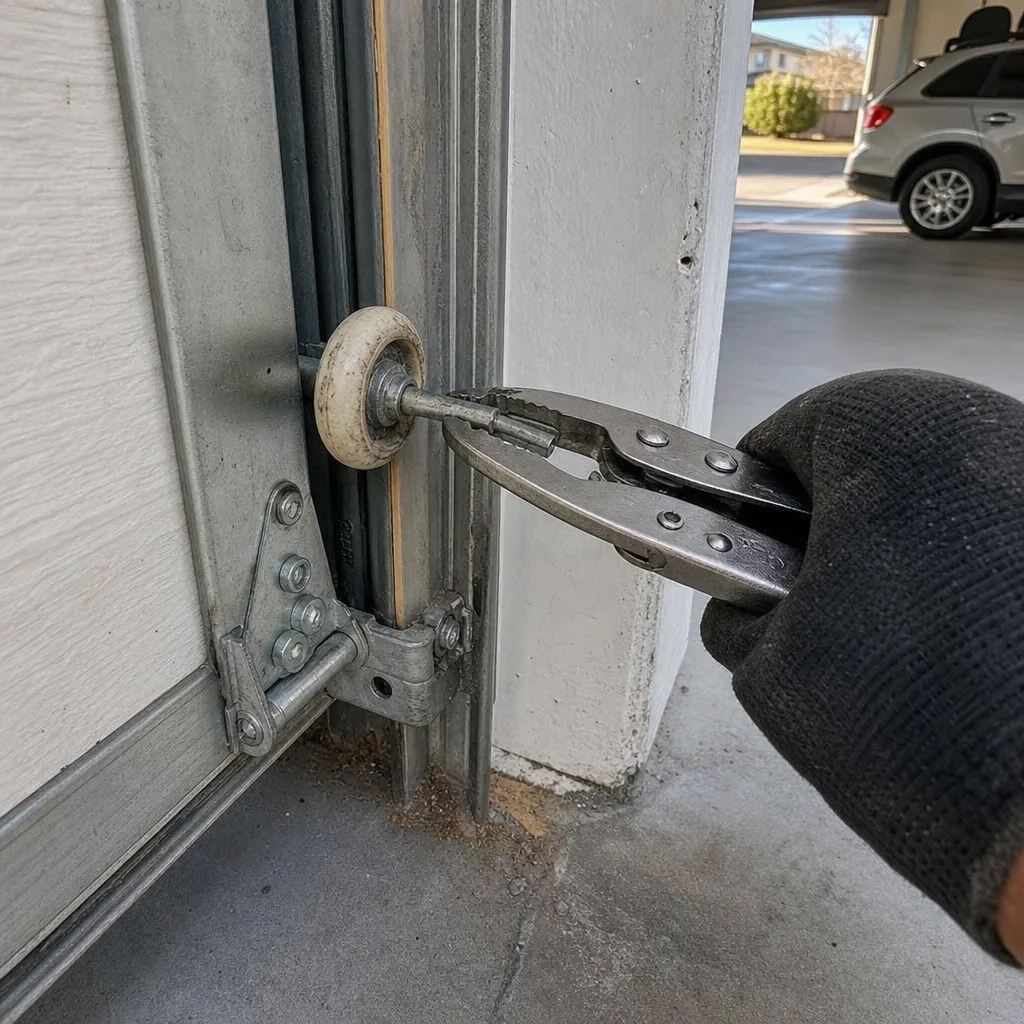
- Grinding or scraping noise: usually worn nylon rollers or dry hinge pivots. Rollers are the cheapest part on the door and the first to go.
- Door reverses before hitting the floor: most often a misaligned safety sensor (the photo-eye pair near the floor) or a travel limit switch set wrong on the opener. Both are inexpensive fixes.
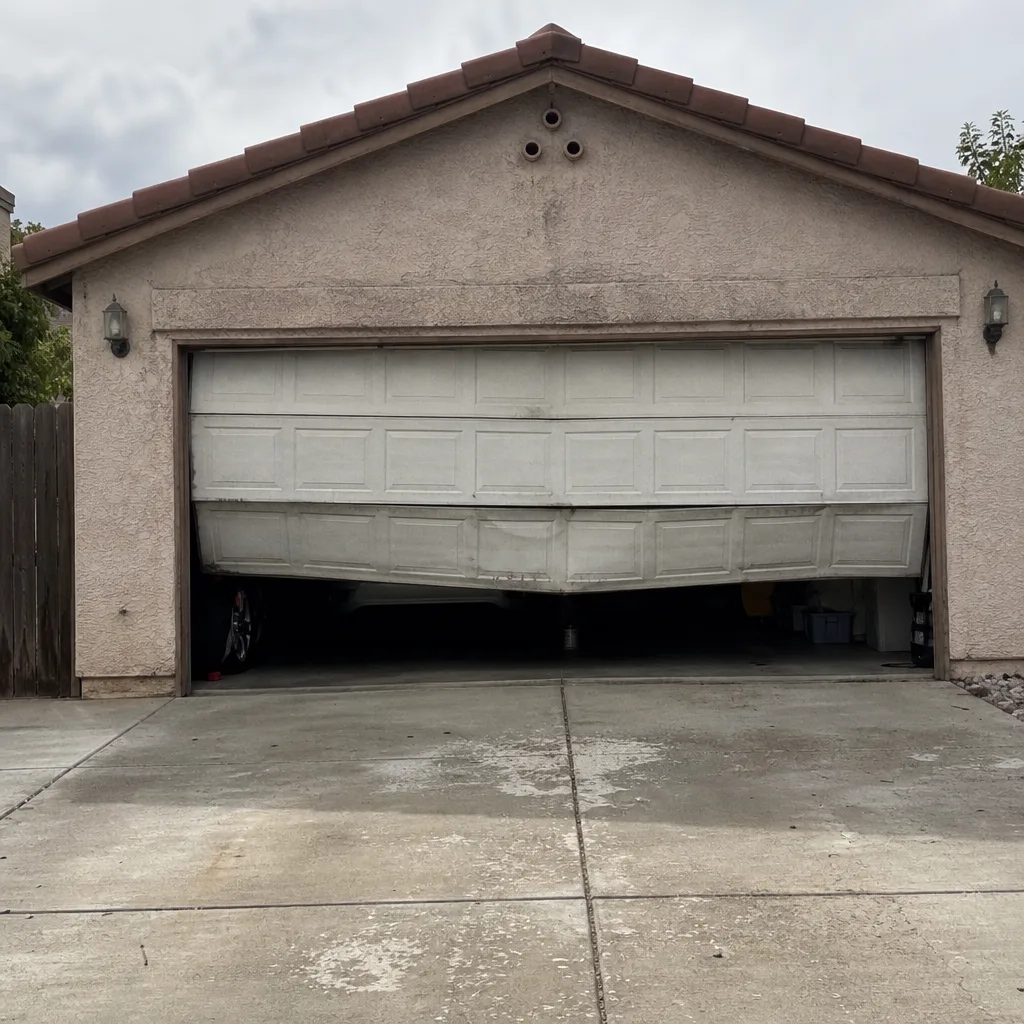
- Uneven movement – one side lags: cable slack on one side, or a torsion spring with a broken coil. This is the diagnosis that changes the cost tier sharply.
- Slow response to the remote: a logic board delay inside the opener, or simply a low-battery signal from a remote that’s been on the visor for six years.
- Door won’t close and the light blinks: the safety sensor is blocked or out of alignment. Before you call anyone, check whether something as small as a leaf or a shovel handle is sitting in the beam path.
- Door slams down hard: a torsion spring that has lost tension, or a worn torsion cable that’s stretched. Both cause the door to drop faster than the opener can control.
Read that list twice. The point isn’t to diagnose your own door – it’s to know that a grinding noise and a hard slam should not generate the same quote. When a technician tells you what’s wrong, the symptom you observed should line up with the component they name.
The One Warning Sign That Means Stop Using the Door Today
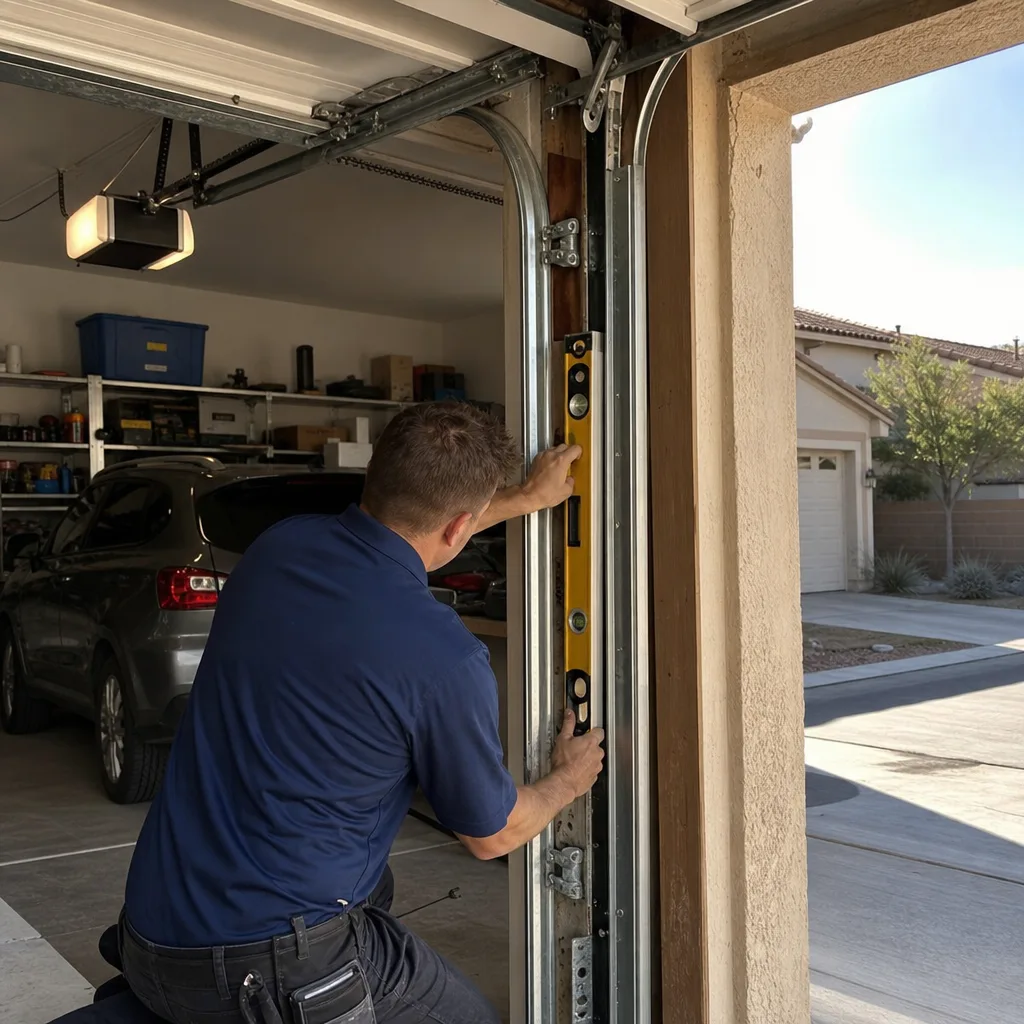
A visibly separated torsion spring is a stop-use condition. It sits on the horizontal shaft above the door and does the actual lifting work – the opener only nudges it. If you can see a gap in the coil, a coil hanging loose, or a spring that’s clearly split into two pieces, the door’s counterweight is compromised. The spring stores enough energy to cause serious injury during manual operation, and a door that drops under its own weight with a failed spring can crush a hand or foot.
What to do: stop using the door, in either direction. Don’t try to lift it by hand to get the car out. Don’t try to unwind or replace a torsion spring yourself – this is one of the few jobs where the failure mode is genuinely dangerous, and it’s why our technicians photograph the failed spring before they quote anything. If you’re not sure whether the spring is broken or just looks worn, call it in and describe what you see. A live person answers at Servo around the clock, and that’s not a marketing line – it’s how we triage a Winchester spring call that comes in at 11 pm. A technician confirms over the phone whether it’s a stop-use situation or a come-look-tomorrow situation.
For a broken spring specifically, the cost and turnaround are well-established in Winchester. It’s a component we replace constantly, and the standard for a two-spring torsion replacement is written into our Garage Door Repair in Winchester page in dollars, not “call for pricing.”
How to Tell Opener Noise From Hardware Noise: The Ten-Second Test
Half the homeowners who call about a “loud garage door” are actually hearing an opener problem, and half are hearing a hardware problem. The two have very different price ranges, so this test matters before you pick up the phone.
- Pull the emergency release cord. It’s the red handle hanging from the trolley carriage (the little carriage that rides the rail and connects the opener to the door). Pulling it disengages the motor from the door.
- Lift the door by hand. A properly balanced door should raise with one hand and stay where you put it, with maybe ten pounds of resistance. If it fights you or slams down when you let go, the problem is the door’s springs and cables, not the opener.
- Listen to the opener with the door disconnected. If the opener alone – running with no load – grinds, squeals, or rattles, you’ve isolated an opener problem: worn gear, belt, or a failing motor bearing. If the opener runs smoothly but the door was noisy when connected, the noise is in the hardware: rollers, hinges, or track.
That’s it. Ten seconds, and you know which half of the system you’re dealing with. A LiftMaster or a Chamberlain that hums but doesn’t move is a different repair than a door that shudders on worn rollers. In Winchester we run this test on nearly every call where the customer isn’t sure, and the answer often surprises them. If the diagnosis points to the motor or control board, the details are on our Garage Door Opener Repair & Installation in Winchester page.
Diagnostic Steps That Confirm What Failed
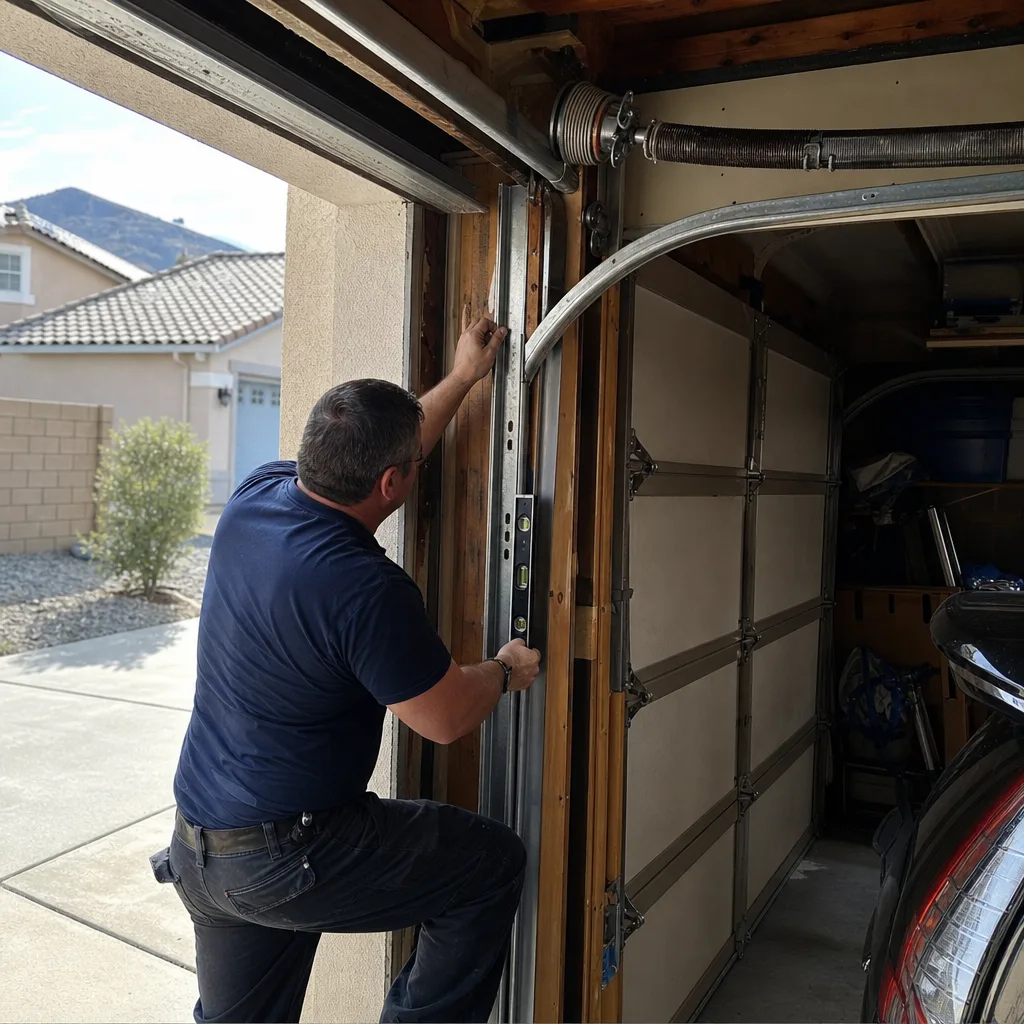
You don’t need to repair anything to know what you’re dealing with. You need to observe the right things. Here’s the sequence a trained technician follows – you can run the safe parts of it yourself before calling.
- Watch the door travel once, in both directions, from outside the door’s path. Note whether it reverses, hesitates, or pulls to one side.
- Check the safety sensor alignment. The two photo-eye units near the floor should be pointed at each other. If the indicator light on either one isn’t steady, it’s out of alignment or blocked.
- Inspect the cables along both sides of the door. Frayed strands, a slack cable, or a cable that’s come off the drum is a hardware problem. Don’t touch a cable under tension – note what you see and stop there.
- Look at the torsion spring above the door. A clean break in the coil is visible if you look. If the spring is intact but the door still won’t hold its position when lifted halfway, the spring has lost tension.
- Check the track for bends or debris. A track dented by a bumped car is common in attached garages, and it’ll cause the door to bind on one side.
- Run the ten-second disconnection test from the section above. This tells you whether the noise and delay belong to the opener or the door.
Steps two, three, and four are the ones that catch the majority of what we find on a Winchester service call. Steps one and five are where pricing traps live – a bent track and a failed spring can produce almost identical symptoms, and they don’t cost the same to fix.
The Documentation Step: Photograph Before You Call
Before you call anyone, photograph what you see. A misaligned sensor, a frayed cable, a bent track, a separated spring coil. Take the photo from a foot or two back so the context is clear, and take one close-up. Send it or have it ready when the technician arrives.
This one habit does more to protect your wallet than anything else on this page. A photo makes the quote answerable to what was actually visible. When you have a picture of a frayed cable, a quote for a full spring-and-cable replacement has to be explained against that photo, and a quote for a roller-and-hinge tune-up has to be explained too. Our founding rule is that the customer sees the failed part before anyone quotes a replacement, and that goes both directions. You shouldn’t be asked to trust a description you can’t see, and you shouldn’t be charged for a repair you can’t verify.
Every visit we make finishes with a documented photo record – the failed part, the new part, the completed work – handed to the customer. That’s not an upsell or an add-on package. It’s the default, and it’s part of what we call The Haven Standard. If you’ve got a written estimate from another company in hand, bring it and the photos. We’ll give you a free second opinion against the paperwork, no coupon required. It’s one of the easiest ways Winchester homeowners catch a quote that’s out of range, and it’s why we publish a written price before any work starts on every job. The step-by-step of getting one is on our Servo Garage Doors Winchester home page.
Cost Tier Benchmarks for Winchester Homeowners
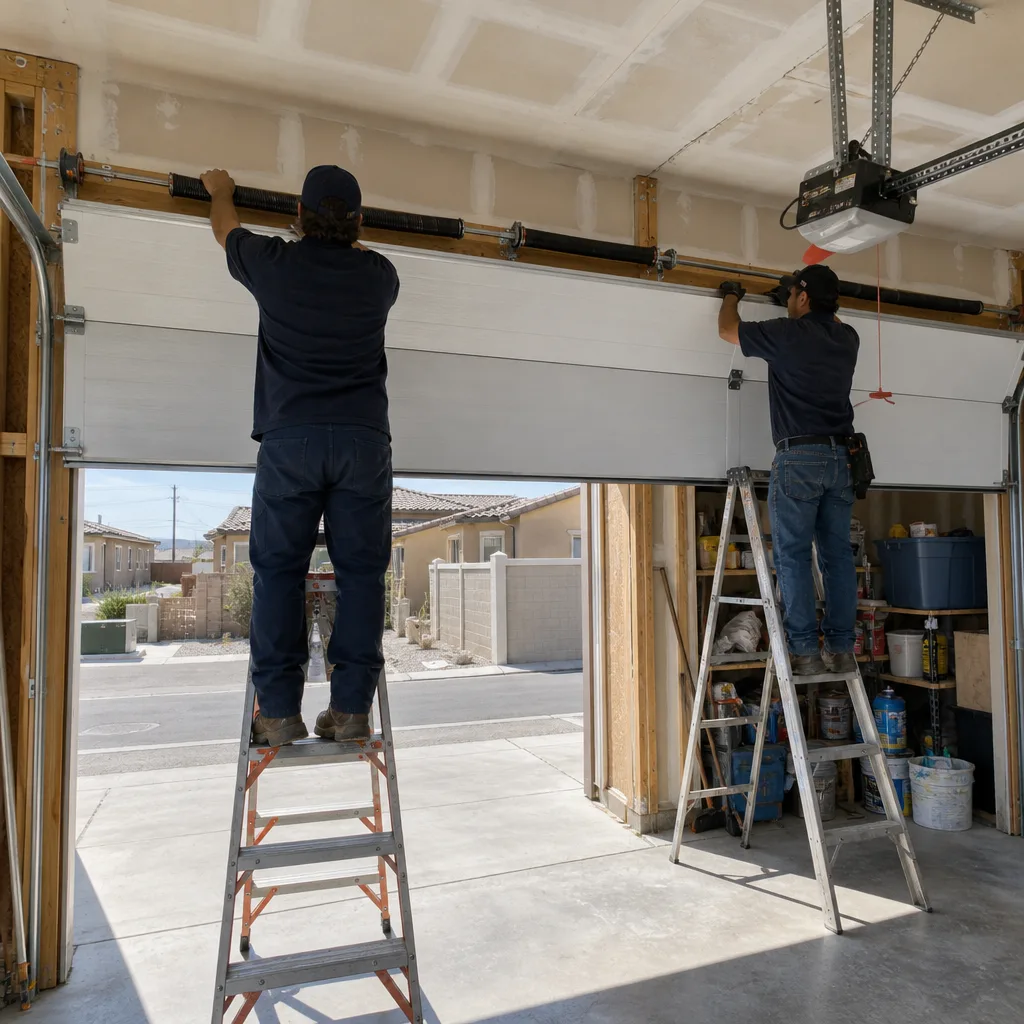
Knowing which tier a symptom sits in is the whole point of this guide. Here’s how garage door repairs break down in tiers, so you can sanity-check a quote before you agree to it. Every figure below is a range – the written price you get before work starts should land inside the range for the tier your symptom points to. And yes, that price is agreed before any work begins, in writing, every time.
| Tier | Typical symptom | Component | Representative cost |
|---|---|---|---|
| Tier 1 – Tune-up | Grinding, squeaking, minor binding | Rollers, hinges, lubrication, track adjustment | Under $100 |
| Tier 2 – Sensor / switch | Reverses early, light blinks, won’t close | Safety sensor, limit switch, remote battery | $100 – $200 |
| Tier 3 – Opener component | Hums without moving, slow response, grinding at the motor | Logic board, gear, belt, trolley carriage | $180 – $400 |
| Tier 4 – Spring / cable | Uneven travel, hard slam, door won’t hold position | Torsion spring, torsion cable | $180 – $350 (spring), cable add-on higher |
| Tier 5 – Track / structural | Door binds on one side, visible bent track | Track, brackets, panel | $150 – $400+ |
A quick note on what “representative cost” means here: it’s the tier the symptom usually falls into, and it’s the number a quote should be defensible against. If you’re being quoted Tier 4 money for a Tier 1 symptom, that’s your signal to ask a question. One of the reasons we keep our Garage Door Installation in Winchester page separate from repair is so you can see that replacement pricing isn’t being used to justify a repair you don’t need.
Why Winchester’s Climate Accelerates Certain Failures
Winchester sits in the Mojave, and that shapes which parts fail and when. The desert heat cooks nylon rollers, drying them out until they crack and start to grind. The same heat wrecks torsion springs faster than a coastal climate will – spring steel under constant tension and repeated heat cycling fatigues and breaks, and a spring that would last years in a mild climate can go sooner here. We see spring failures cluster in the hottest months.
The dry air is kind to some parts and brutal to others. It’s hard on rubber seals (the bottom weatherstrip and the perimeter seal dry out and crack), and it makes dust a factor – desert dust works its way into tracks and hinge pivots and turns into grit that wears parts faster. Summer dust storms make this worse, and if your garage faces the afternoon sun, the door’s metal panels and the opener’s logic board are both running hotter than the same setup in a cooler part of the valley. A door that’s making noise only in July is telling you something about temperature and material. If you’re on the fence about whether a noisy door is climate wear or something more, call us with a photo and we’ll give you a straight read.
Common Mistakes to Avoid
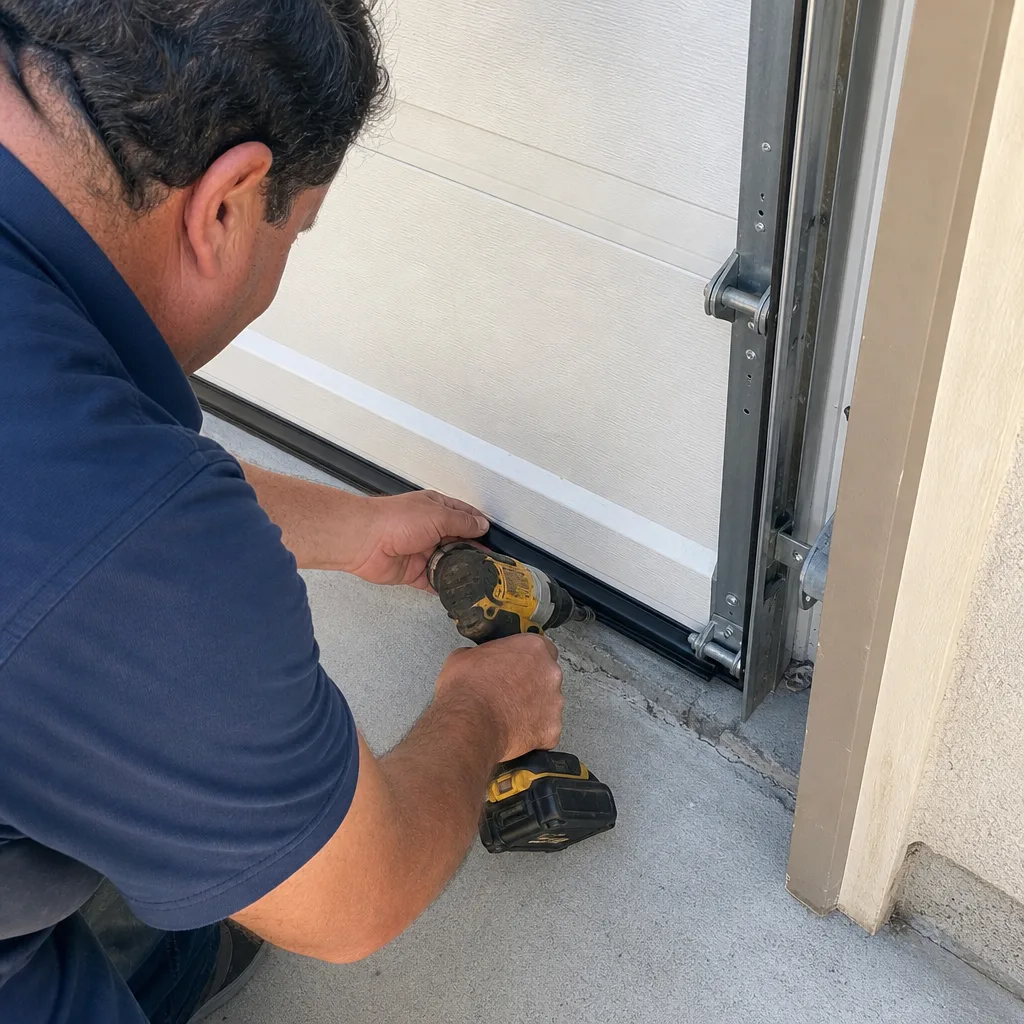
- Treating every noise as one repair. A grinding noise and a slamming door should not generate the same quote. If one does, ask why.
- Adjusting a torsion spring yourself. This is the one garage door component that injures homeowners every year. A separated spring is a stop-use condition – call a trained technician, don’t try to unwind it.
- Replacing an opener when the door is the problem. If the door won’t hold its position when lifted by hand, a new opener won’t fix it. Run the ten-second disconnection test first.
- Skipping the photo. Without a picture of the frayed cable or the misaligned sensor, you can’t hold a quote to what was visible. Photograph before you call.
- Accepting a verbal price. A price you can’t read on paper is a price that can change after the work starts. Ask for the written price and scope before anyone touches the door.
- Ignoring a bent track until the door binds. In Winchester, a track that was dinged by a car bumper in the driveway often causes no symptom until the door binds weeks later. If you can see the dent, get it looked at.
- Assuming a slow remote means a dying opener. Nine times out of ten it’s the remote battery or a signal issue. Check the cheap thing first.
See the difference
BeforeAfter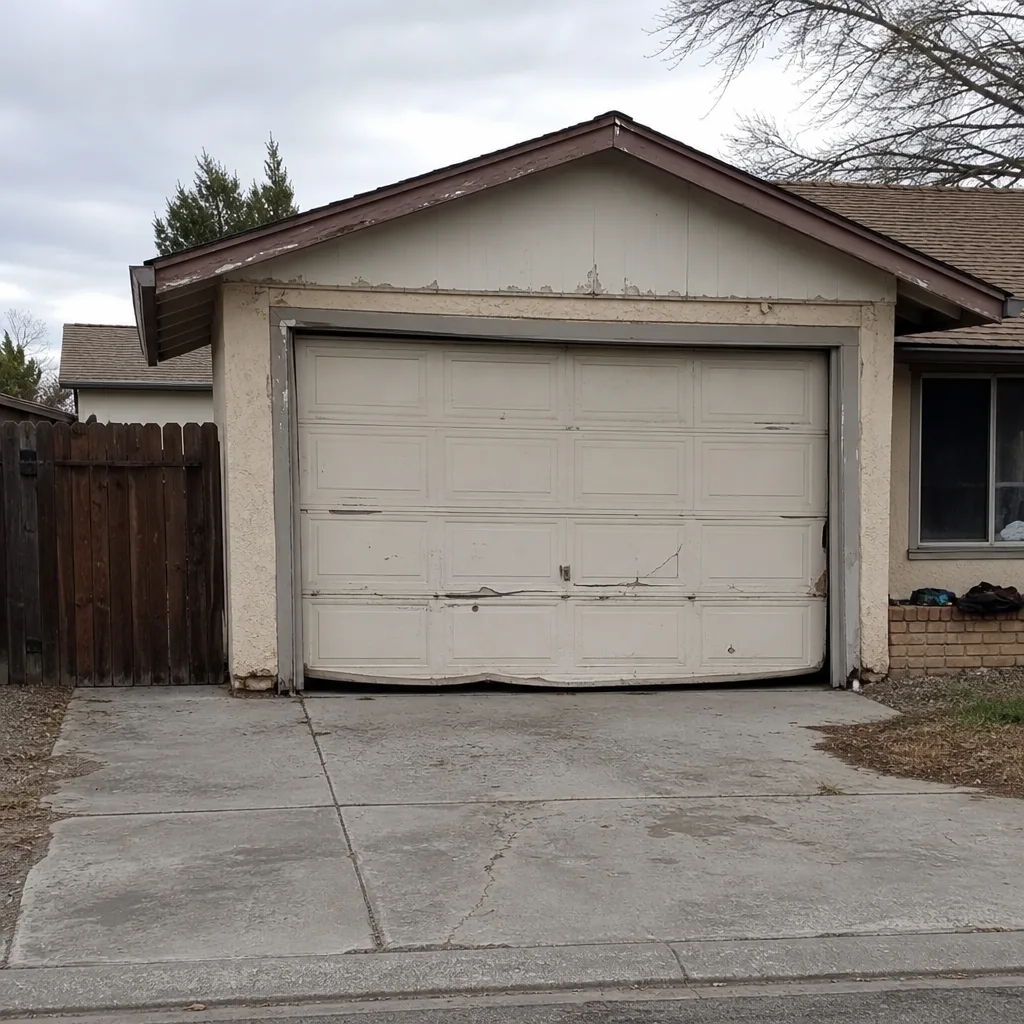 Before
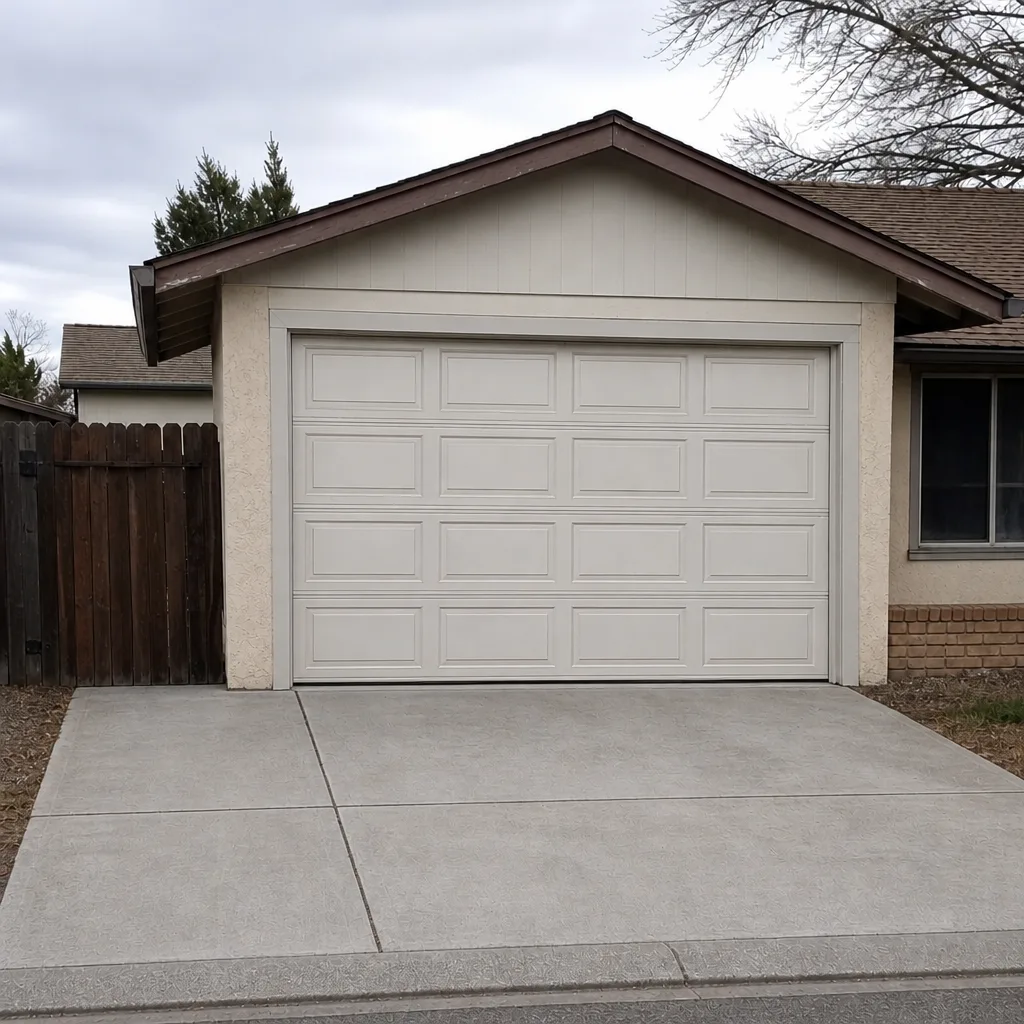 After
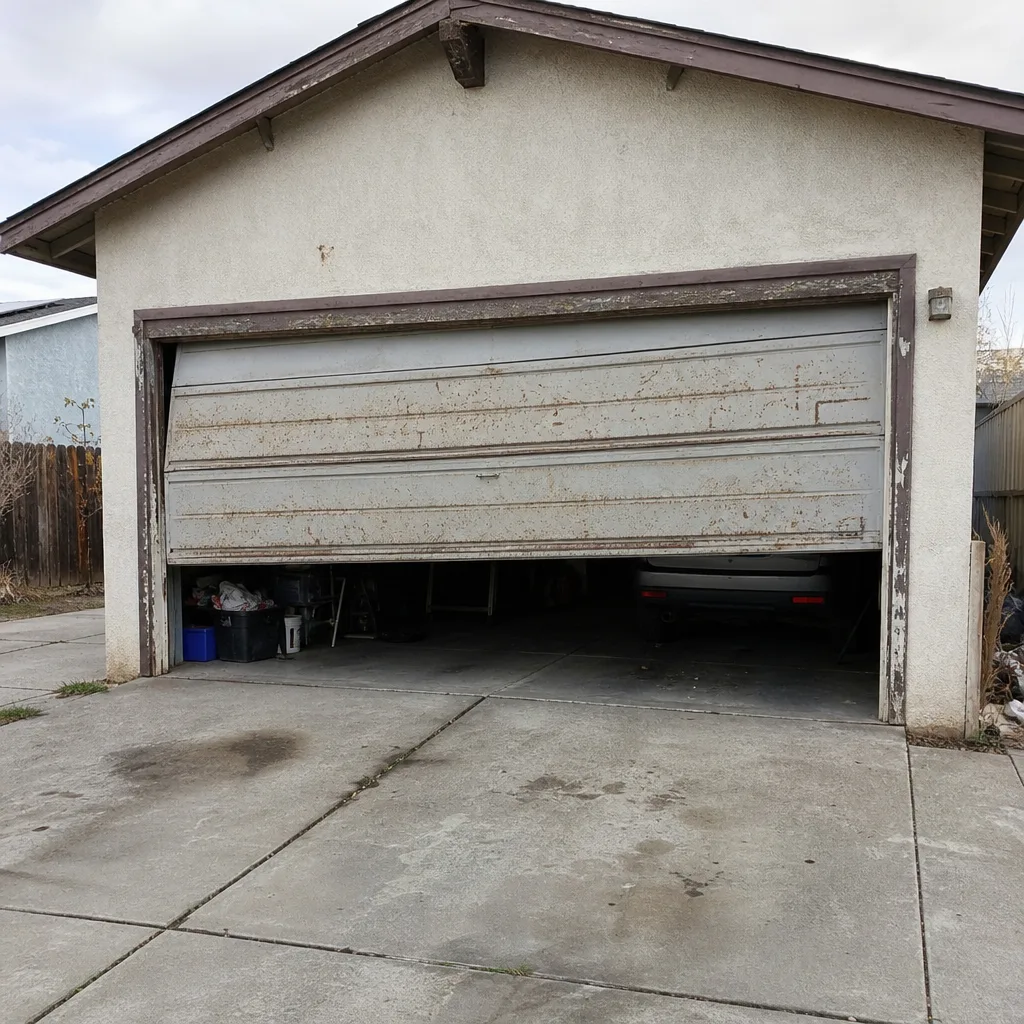 Before
 After
When to Call a Professional
Call a professional when you see any of these: a separated or visibly damaged torsion spring, a frayed or slack cable, a door that slams down or won’t hold its position when lifted, or a door that reverses for no reason after you’ve cleaned and checked the sensor alignment. Those are the situations where the danger is real and the diagnosis needs a trained eye. Our technicians have up to 11 years of experience, and they run the same diagnostic sequence described above, then photograph the failed part before quoting anything. Servo Garage Doors Winchester offers free estimates in Winchester – call (855) 517-0284. A live person answers, and you’ll get the on-the-way text, not a callback window.
Frequently Asked Questions
Most common garage door repairs in Winchester fall between $100 and $400, split into the tiers above: tune-ups under $100, sensor and switch fixes around $100 – $200, opener components $180 – $400, and torsion spring replacement around $180 – $350. The written price you get should land inside the range for the symptom you described. Call (855) 517-0284 for an exact quote – estimates are free.
Yes – for repair and emergency calls, same-day service is standard, and a live person answers around the clock including holidays. Installation and full door replacement are measured, ordered, and scheduled rather than same-day. If you’ve got a separated spring or a door that won’t close, call first and describe what you see. Call (855) 517-0284.
No. The flat written price and written scope are delivered before any work starts, and that’s the price on the invoice. If the technician finds something during the job that the written scope didn’t cover, the price is re-quoted in writing and you approve it before anything changes. That’s the whole point of quoting in writing first. Call (855) 517-0284 for a free estimate.
Yes – the local professional is licensed and insured as their state requires, and the license number is available on request rather than buried in fine print. The technician who arrives is background-checked and uniformed, and every visit ends with a documented photo record delivered to you. Call (855) 517-0284 to get your estimate.
Usually not – the most common causes are a misaligned safety sensor or a limit switch set wrong, both in the $100 – $200 tier. Check that nothing’s in the sensor beam and that the two photo-eyes point at each other before calling. If the door reverses only sometimes, it’s often a sensor alignment issue. Call (855) 517-0284 for a free estimate.
Repair is the answer for a broken spring in most cases – a spring replacement is a fraction of the cost of a new door, and the rest of the door is usually in fine shape. Replacement makes sense when the panels themselves are damaged, the track is bent beyond repair, or the door is past its service life. Bring us a competing written estimate and we’ll give you a free second opinion. Call (855) 517-0284.
The Bottom Line
The value of this guide isn’t the symptom list – it’s the pairing. Grinding usually means rollers, early reversal usually means a sensor or limit switch, uneven travel usually means a cable or spring, and a slow response usually comes back to the opener’s logic board or a remote battery. Match the symptom to the tier before the technician arrives, and you’ll know whether a quote is in range. The one exception is a separated torsion spring: stop using the door, don’t touch it, and call. If a quote doesn’t add up, ask for the photo, ask for the written price, and take advantage of a free second opinion. In Winchester, that’s how you keep a repair honest.
Call (855) 517-0284 for a free estimate. Every job gets a written price before work starts and a documented photo record when the technician leaves – and if something isn’t right, our 365-Day Done Right Promise means we make it right.
Written by the team at Servo Garage Doors Winchester.