
Last updated November 18, 2026
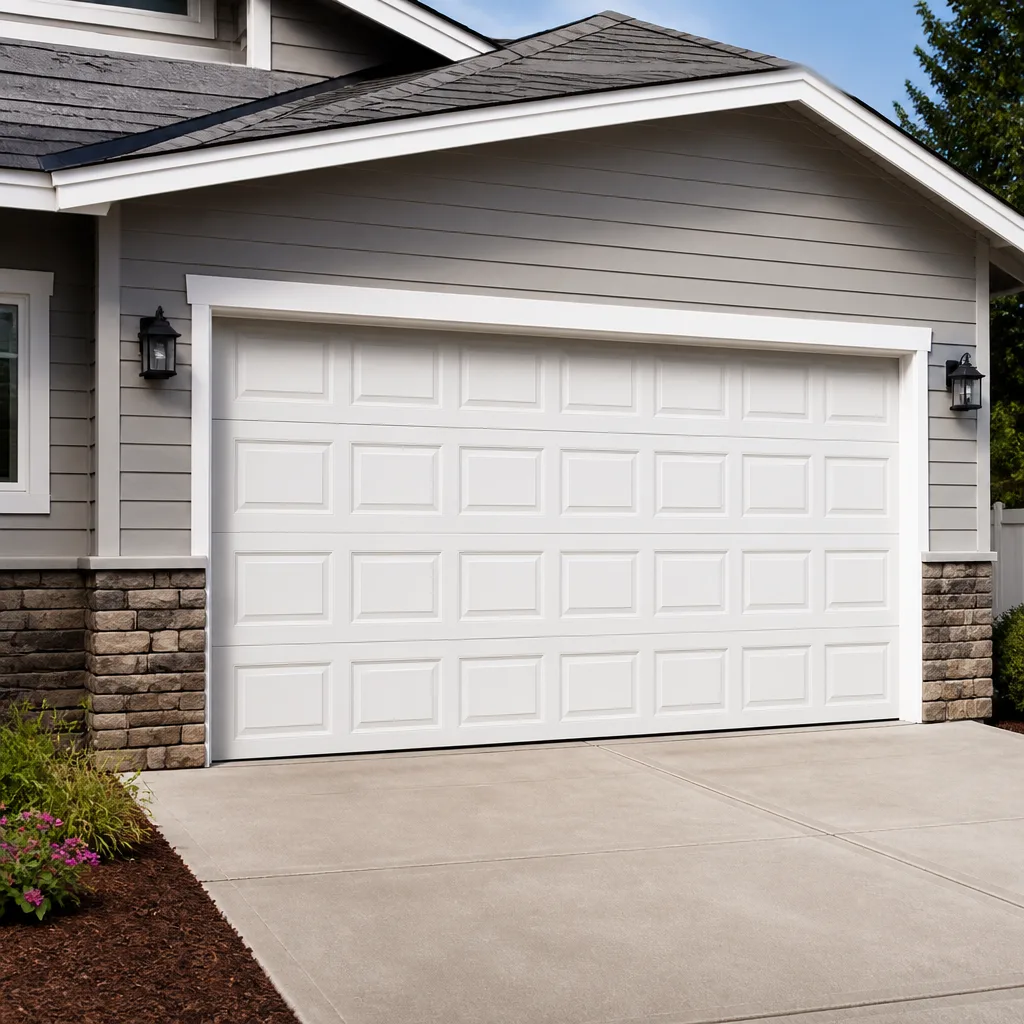 Raised-panel steel
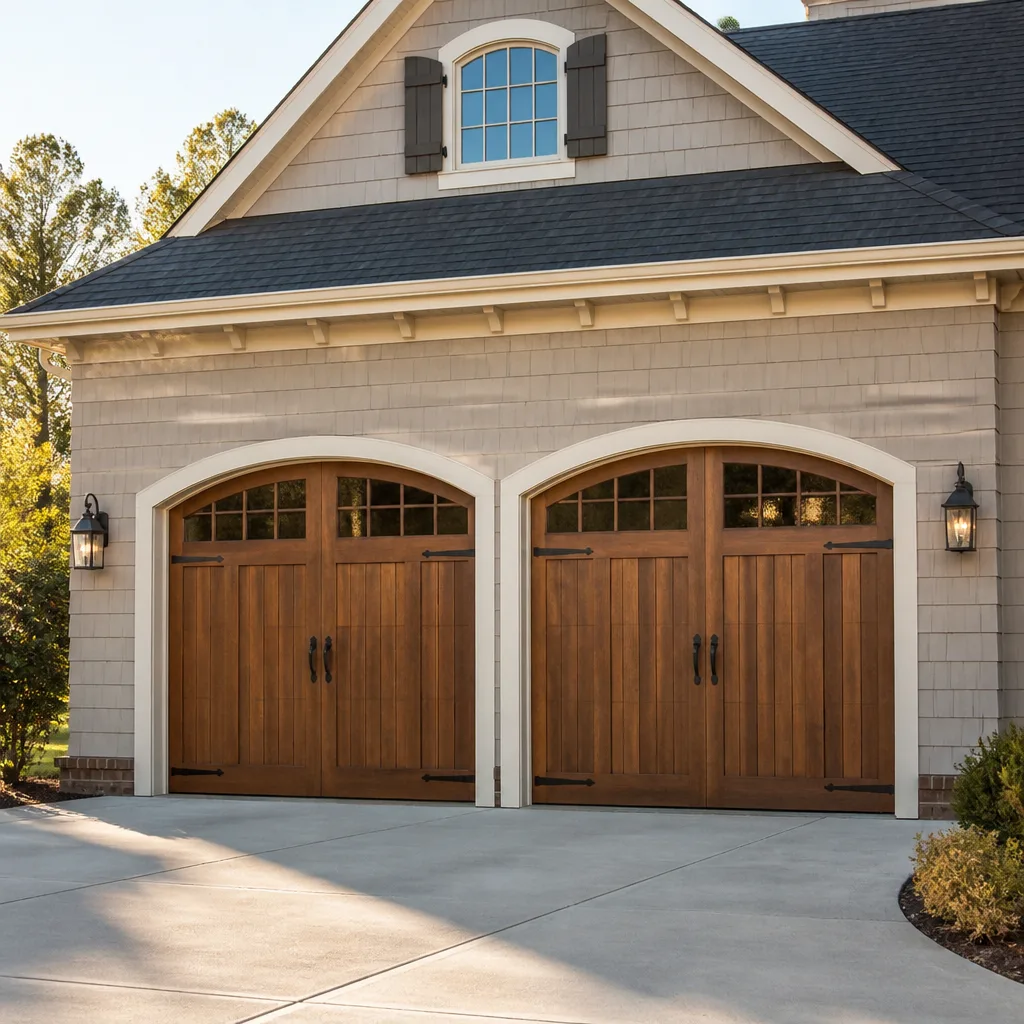 Carriage house
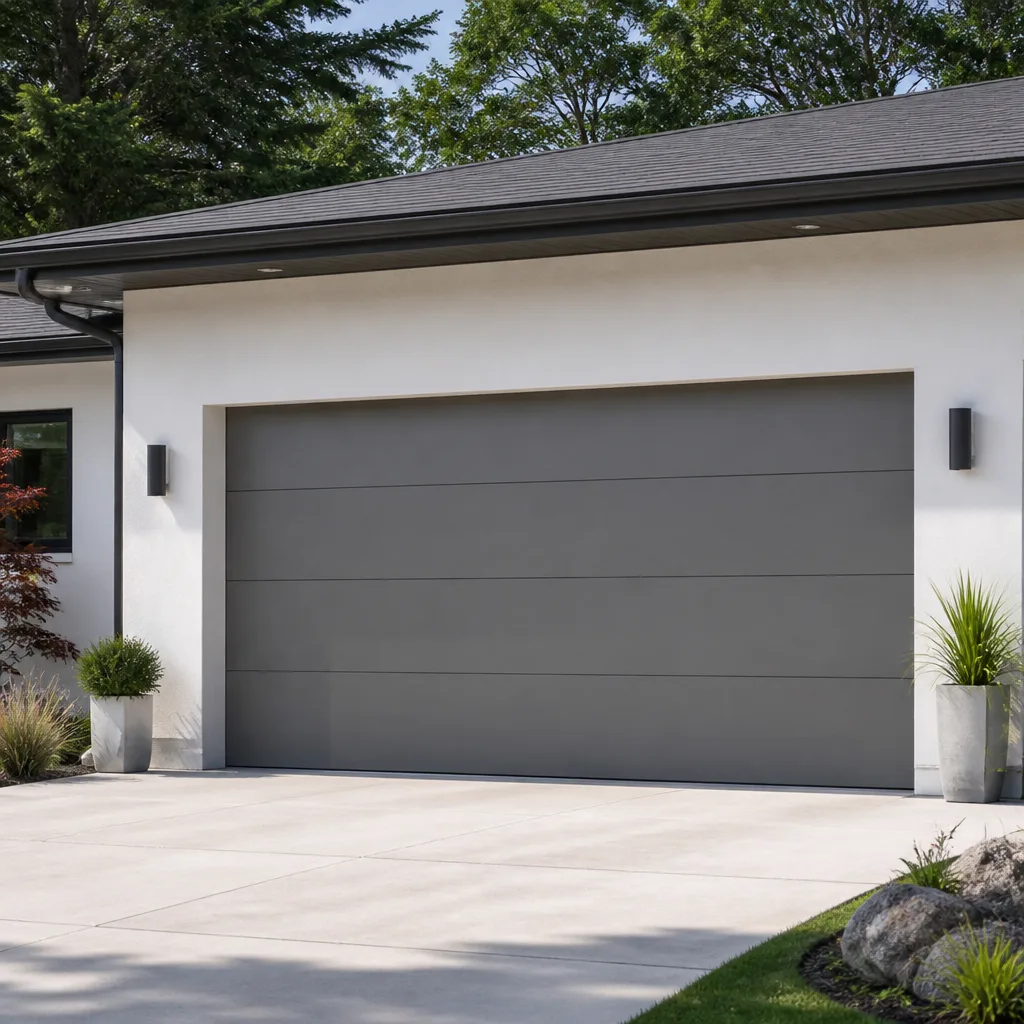 Modern flush
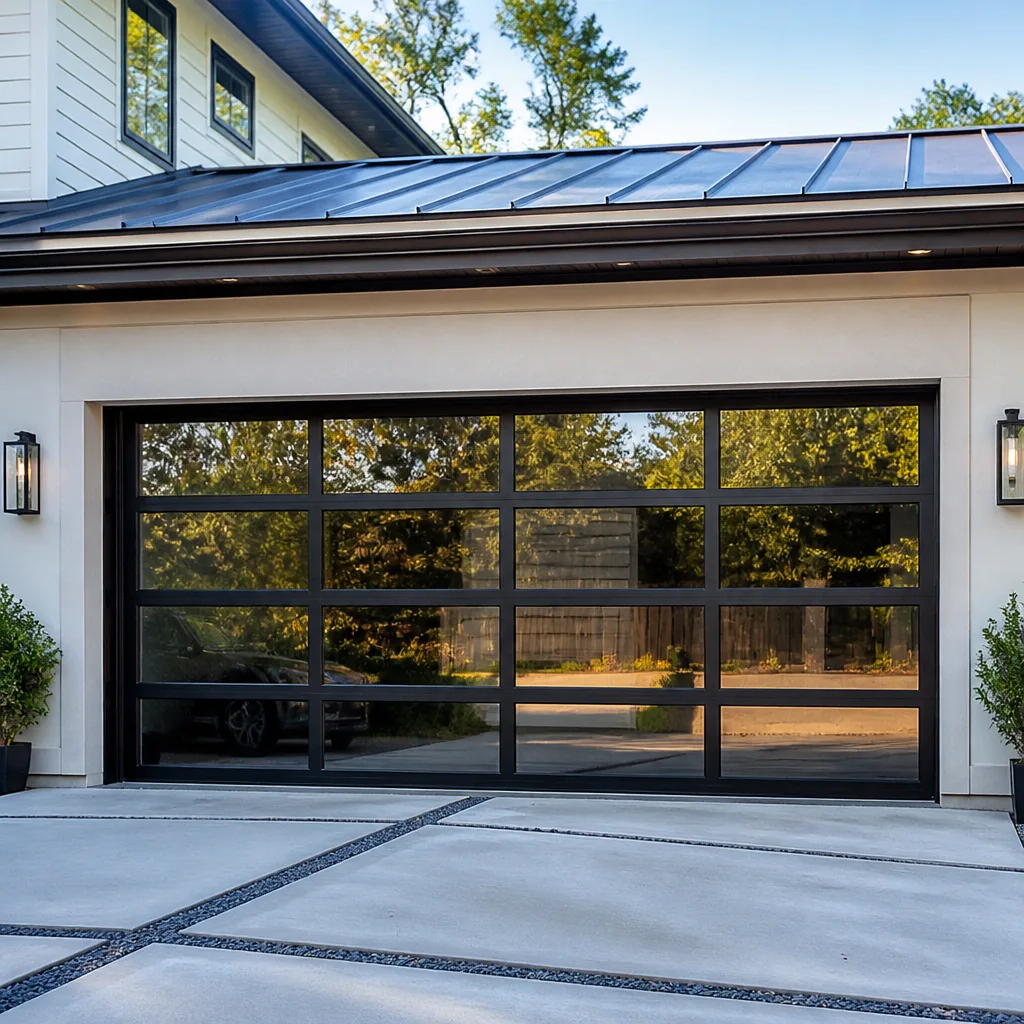 Full-view glass
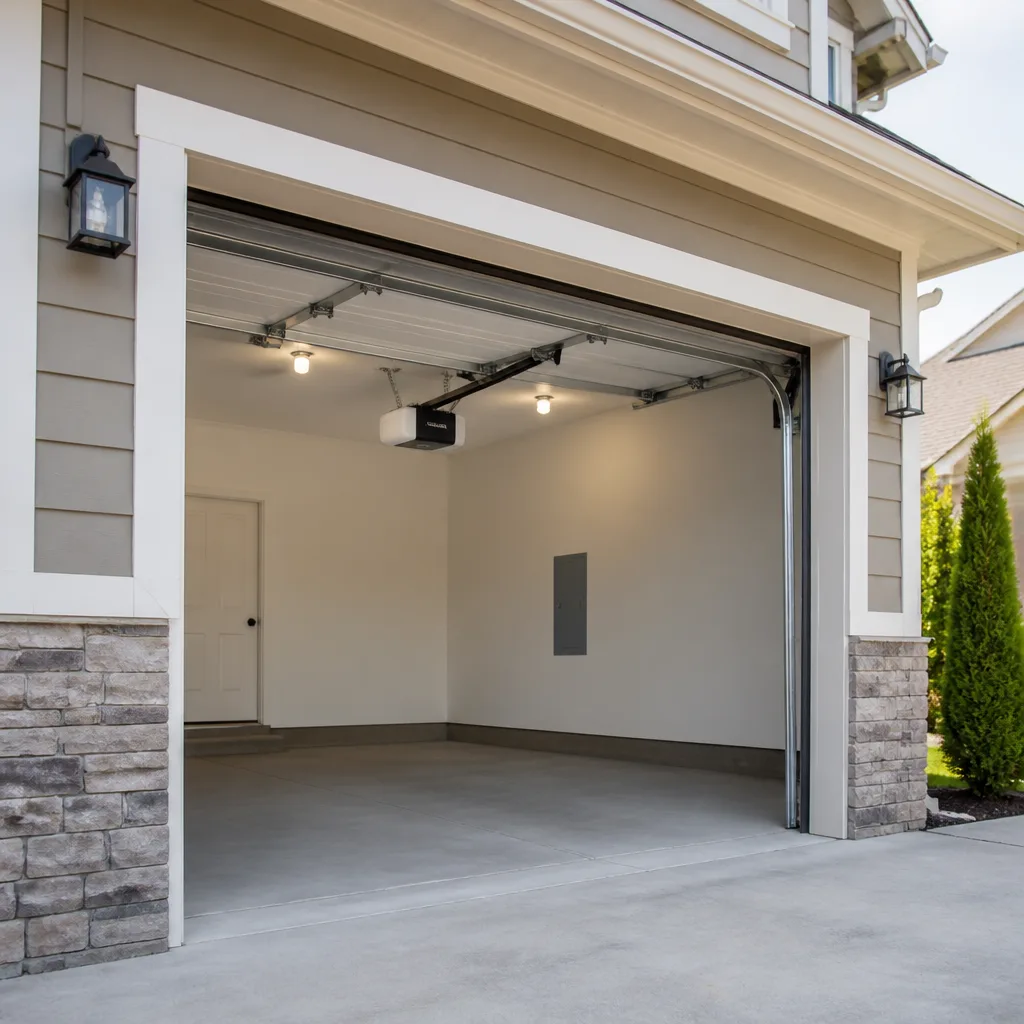 LiftMaster openers
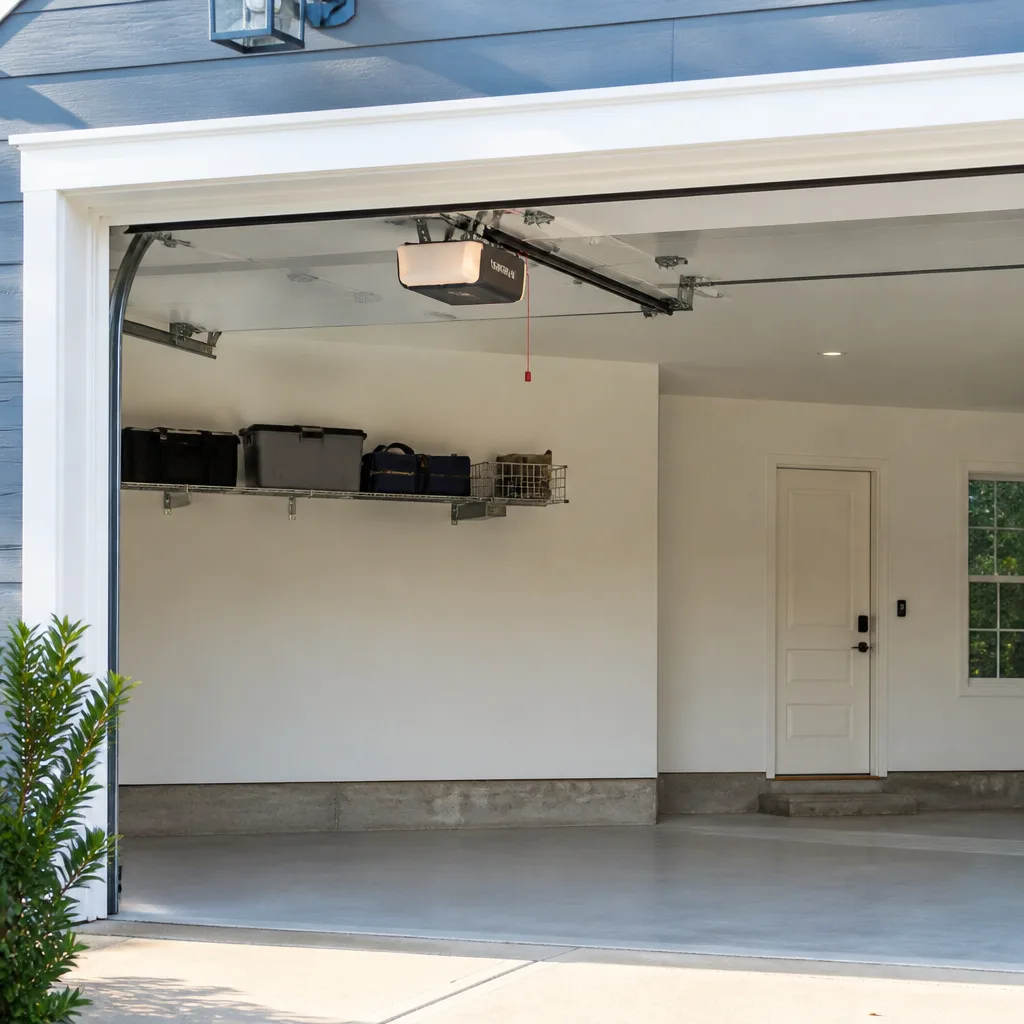 Chamberlain openers
Full 25-point door and opener safety check with every visit - springs, cables, rollers, tracks, and your LiftMaster or Chamberlain opener included
You get a price before we start. It does not change when the pro arrives.
Get your free estimateHow Long Does Garage Door Repair Take? Timelines and What to Expect
A torsion spring swap on a standard residential door takes 45 to 75 minutes if the spring is already on the truck. The same job stretches into a second visit and a 48-hour delay when the technician arrives without the right IPPT rating for your door’s weight, because IPPT (inch-pounds per turn) is the winding force that has to match the door, and the wrong spring will not hold a door safely. That single fact explains most of the real-world variation in garage door repair times, and it explains why the most useful question before you book isn’t “how long will it take” but “do you stock this part.” In this guide we’ll lay out time ranges by job type, the three variables that blow past those ranges, and exactly what to tell a technician before arrival so your Winchester repair finishes in one visit.
Quick Answer
Most residential garage door repairs finish in 45 to 90 minutes when the correct part is on the truck, with spring replacement running 45-75 minutes, cable replacement 30-60 minutes, full roller replacement 60-90 minutes, and opener gear replacement 45-60 minutes. The job stretches into a second visit and 24-48 hours when the technician has to order a part, find hidden secondary damage, or field-cut bent aluminum track. Give your door’s weight, spring measurements, and opener model when you schedule, and a one-visit completion becomes far more likely.
Styles & brands we work with
- Raised-panel steel
- Carriage house
- Modern flush
- Full-view glass
- LiftMaster openers
- Chamberlain openers
Table of Contents
- Time Ranges by Job Type
- The Three Variables That Extend Any Repair
- What to Tell the Technician Before Arrival
- Same-Day vs. Scheduled Service and Parts Availability
- What “The Job Took Longer Than Quoted” Should Look Like
- Why Some Jobs Need a Trained Professional, Not a Video
- Common Mistakes to Avoid
- Frequently Asked Questions
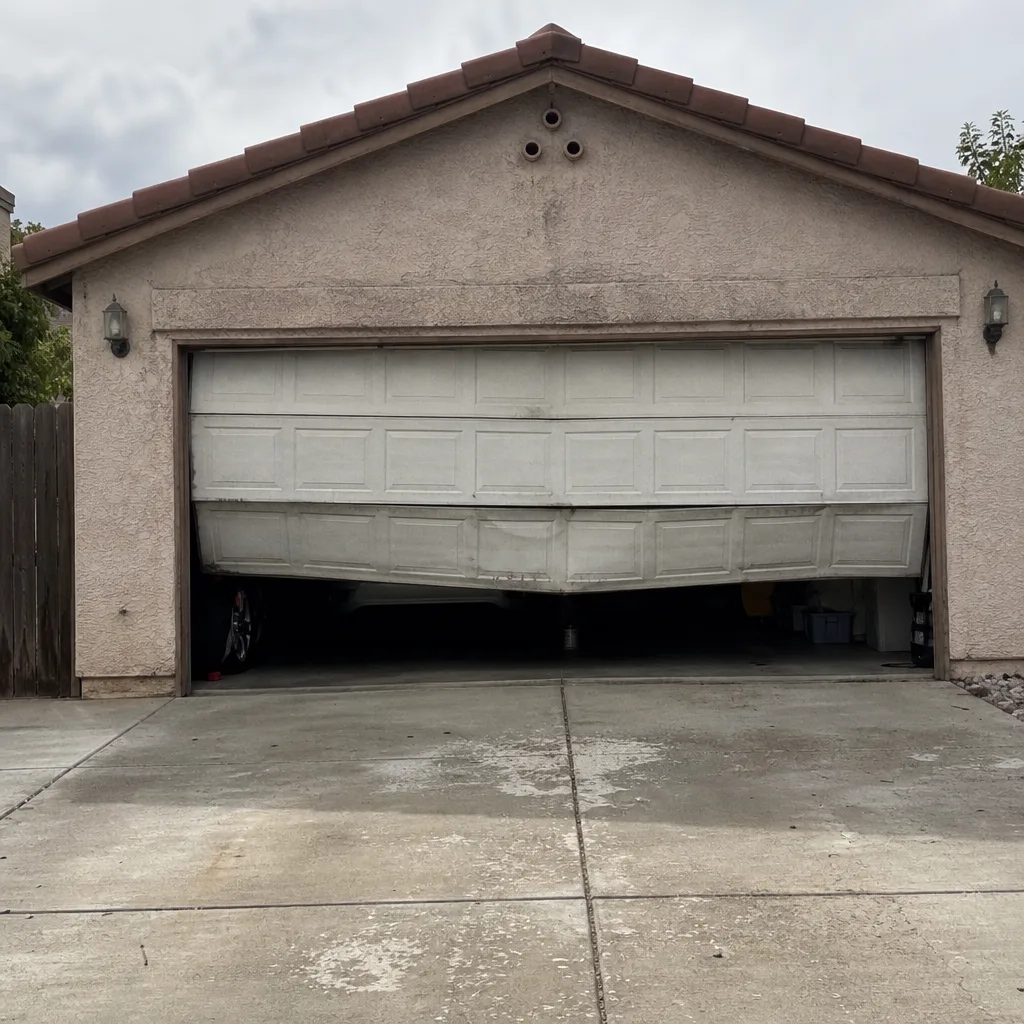 Before
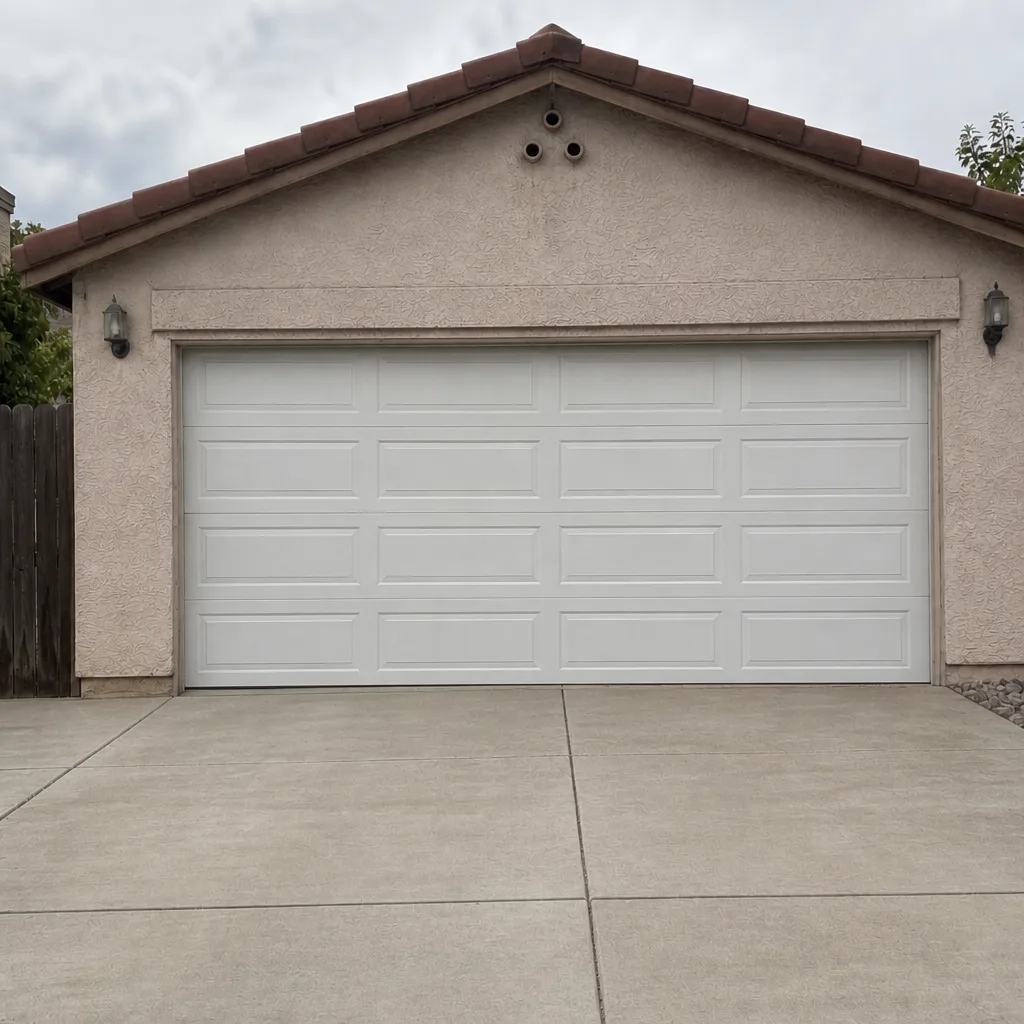 After
Time Ranges by Job Type (Assuming the Part Is on the Truck)
The honest way to talk about repair timelines is to state the assumption out loud: the correct part is in the technician’s hand when they arrive. With that assumption, most common repairs at a Winchester home finish inside a service window that fits around a workday. These are the ranges we see across the doors we service, and they assume a standard single- or double-car residential door.
- Torsion spring replacement: 45-75 minutes. The spring must match the door’s weight and the wire diameter, which is why the spring manufacturer prints a color code on the coil. A clean swap on a matched spring is quick; an unmatched spring is the delay we described above.
- Cable replacement: 30-60 minutes per side. The lift cables spool over drums at the top corners and run the door’s full height, so the tech has to unwind, re-spool, and re-tension both drums. If one cable frayed, the other is usually close behind.
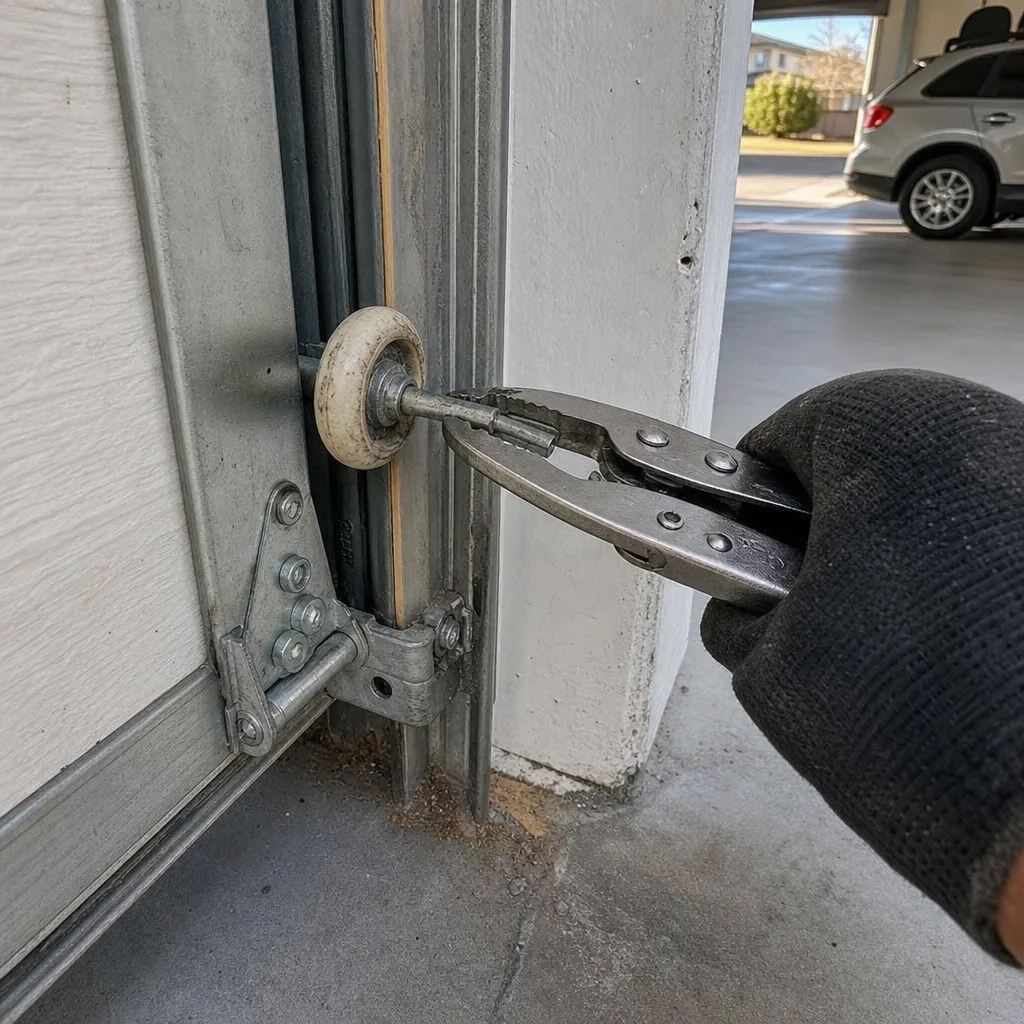
- Full roller replacement (all rollers): 60-90 minutes. The door has to be worked panel by panel, with the tension released first. Nylon rollers run quieter than the steel ones that come standard on many builder-grade doors.
- Opener gear replacement: 45-60 minutes. A stripped nylon drive gear inside a LiftMaster or Chamberlain unit is a common failure, and the gear alone is a small part to swap once the housing is open.
- Opener logic board or limit switch: 45-90 minutes. Diagnostics take as long as the repair here. An opener that reverses for no visible reason can be a limit switch, a travel setting, or a board fault, and the tech has to rule each one out.
- Track realignment (wood or steel frame): 30-60 minutes. Field-cutting bent aluminum track is the exception, covered below.
If you’re weighing repair against replacement, the Garage Door Repair in Winchester page lays out when a door is worth fixing and when a new one makes more sense. For a home in Winchester with a door past its useful life, replacement timelines are a different animal entirely.
The Three Variables That Extend Any Repair Beyond the Typical Range
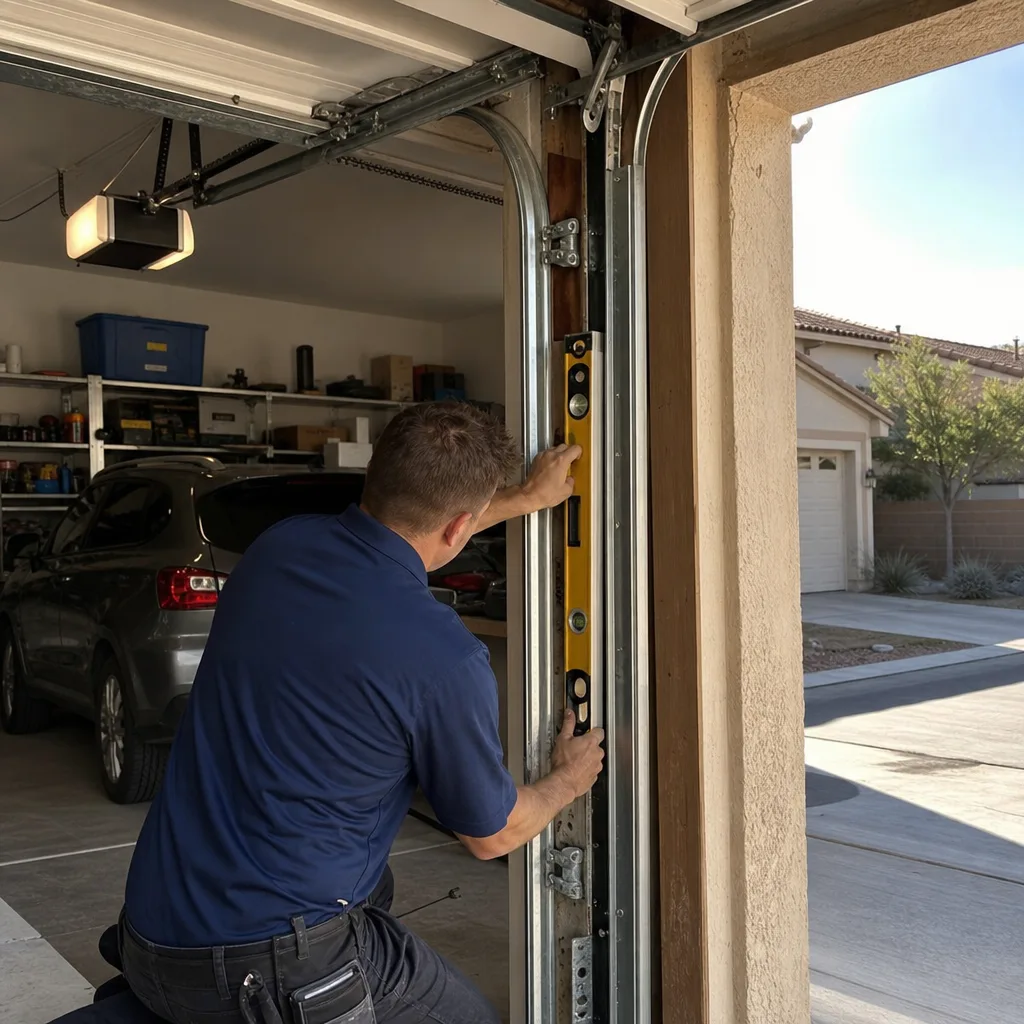
When a repair runs long, it’s almost always one of three things. Knowing them helps you read a quote and a timeline with a clearer eye.
1. Incorrect part on the truck
The most common cause, and the most preventable. A spring with the wrong IPPT rating, a roller with the wrong stem diameter, or an opener gear that doesn’t fit the specific model means a second visit. Clopay and Amarr doors, for instance, use different panel and hardware specs across model lines, and a Wayne Dalton door can call for a specific roller or hinge that a generic kit won’t match. When the tech has to order the part, expect a 24-48 hour gap on top of the original visit.
2. Secondary damage found during the job
You call for a spring, and the tech finds a frayed cable, a cracked hinge, or a worn drum behind it. Springs and cables age together, so a snapped spring often means the cables aren’t far behind. This is where the invoice has to explain itself, which we cover below. A good technician shows you the failed part on their phone before adding anything to the scope.
3. Aluminum track damage requiring field cutting
Bent track from a backed-into door is a longer job when the aluminum has to be measured and cut on site rather than swapped for a pre-cut length. The cutting itself takes minutes; the measuring, fitting, and re-hanging is what pushes a 45-minute realignment toward 90.
In Winchester we see a seasonal wrinkle: the summer heat bakes a non-insulated steel door until the metal expands, and a door that ran quietly all spring starts dragging in its tracks by July. That drag reads as a track problem but is sometimes a door-weight and spring-tension issue. Sorting out which one it is adds diagnostic time to the visit.
What to Tell the Technician Before Arrival to Maximize a One-Visit Finish
This is the single highest-leverage thing you can do, and it takes about five minutes on your phone. Give the technician these details when you book, and you move the odds toward a one-visit repair.
- Your door’s weight, from the label on a door section. Most doors have a manufacturer’s label on the inside of a panel listing weight or model. If you can only see the model number, that’s fine too. Weight is what determines the spring.
- Spring measurements, if visible. If you can safely see the spring, note the color code painted on the coil. Do not touch, wind, or try to measure the spring under tension. The color code alone often tells a technician which spring to load.
- Opener brand and model. Look at the label on the motor housing. A LiftMaster, Chamberlain, Genie, or Craftsman unit each takes a different set of common parts, and knowing the model means the tech brings the right gear or logic board.
- What the door is doing. Is it stuck open, stuck closed, reversing halfway, or making a grinding noise? A door that reverses for no reason points at the opener; a door that won’t lift points at the spring.
- A photo of the inside of the door, if you can get one safely. A wide shot showing the springs, cables, and track saves the tech a round of questions.
If your door is stuck open or won’t close at all, that’s an emergency call, not a scheduled one. Our team answers live around the clock, and you can reach the Garage Door Opener Repair & Installation in Winchester line for opener-specific problems.
Same-Day vs. Scheduled Service: How Parts Availability Changes the Math
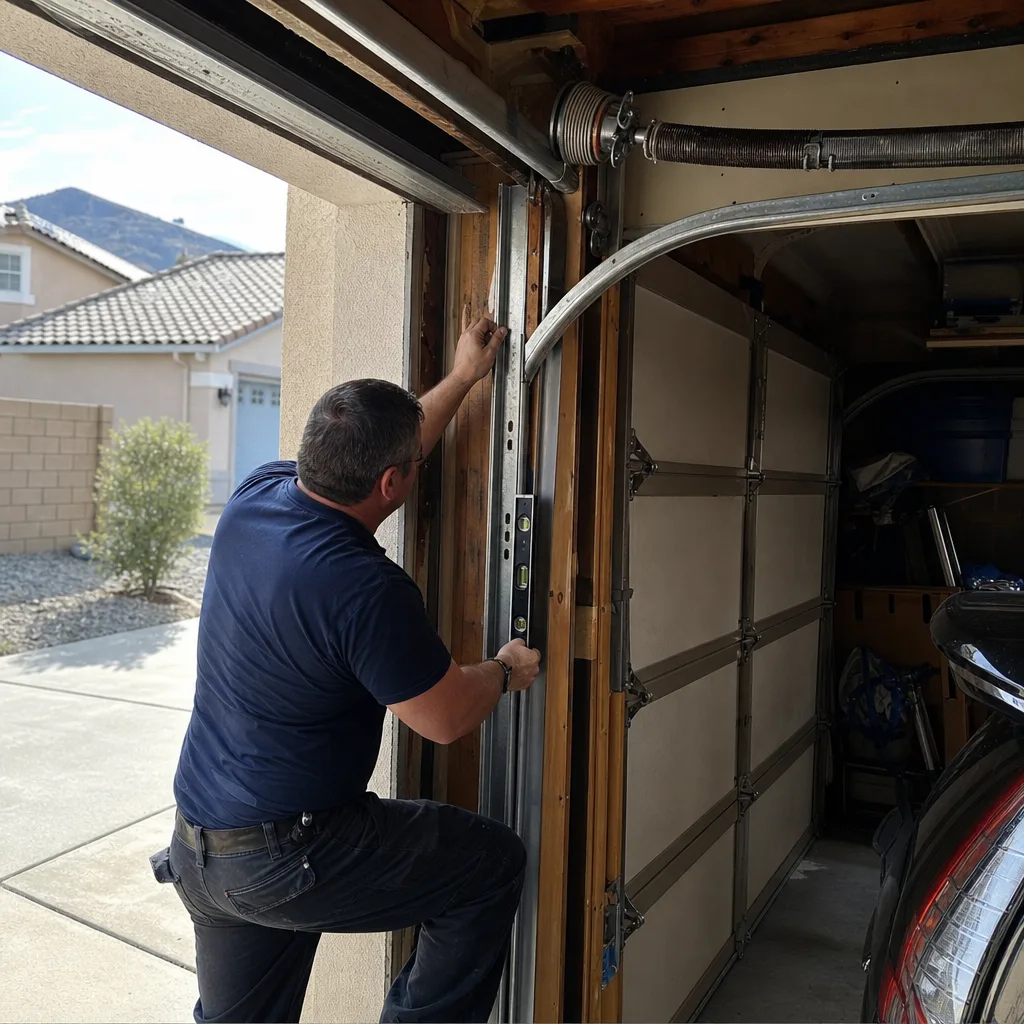
Same-day service is genuinely useful for emergencies, and it’s what you want when a door is stuck open with the house exposed or a car is trapped inside. But a rushed same-day call without confirmed parts stock is not automatically faster. Counterintuitively, a next-morning appointment with the correct spring and cable confirmed in hand often finishes sooner than a same-day call where the tech shows up, diagnoses, and has to order the part anyway.
The reason is simple. A same-day call gets a technician to your driveway quickly, but the repair only starts when the right part is in reach. If that part isn’t on the truck, the “same-day” visit becomes a same-day diagnosis and a tomorrow repair. A scheduled visit with confirmed stock is one trip and one repair window.
When same-day is the right call
- The door is stuck open and the house isn’t secure.
- A car is trapped inside the garage.
- A cable or spring has failed and the door is unsafe to operate.
When a scheduled visit finishes faster
- A single known failure with a common part (a standard spring, a gear, rollers).
- A non-urgent upgrade like new rollers across the door.
- Any job where you’ve supplied the door weight and spring color code ahead of time.
For a full replacement rather than a repair, the timeline is measured in days, not hours, because the door has to be ordered and scheduled. The Garage Door Installation in Winchester page covers that timeline, and the Servo Garage Doors Winchester home page is the place to start if you’re not sure which you need.
What “The Job Took Longer Than Quoted” Should Look Like on an Invoice
Sometimes a job really does take longer, and that’s fair. What isn’t fair is a bigger number with no explanation. When a repair legitimately runs past its quoted scope, the invoice should explain what was found and why it changed the job, not just show a higher total.
On every job we photograph the failed component before quoting a replacement. That’s Clause 4 of The Haven Standard, and it exists so the invoice can point at evidence rather than ask you to trust a number. A secondary finding should read like a field note: “the left cable showed 40% of strands broken at the drum and was replaced,” not “cable replaced, additional charge.” You should see the photo of the part that was replaced and the part that was found next to it.
Here’s what the timeline should look like when a repair really is longer than quoted:
- What was quoted: the original written scope and price.
- What was found: the secondary part or condition, with the photo record attached.
- What changed: the added work and its written price, agreed before the tech proceeds, not billed after.
- What didn’t change: the original line items, still at their quoted price.
Clause 1 is why we deliver a flat, written price and written scope before any work starts, on every job. A written price before the work is the entire point, and it’s the reason you shouldn’t hear a different number after it. That written price is also why Servo carries no coupon codes and no urgency language: the price on the page or on the written quote is the price.
Why Some Jobs Need a Trained Professional, Not a Video
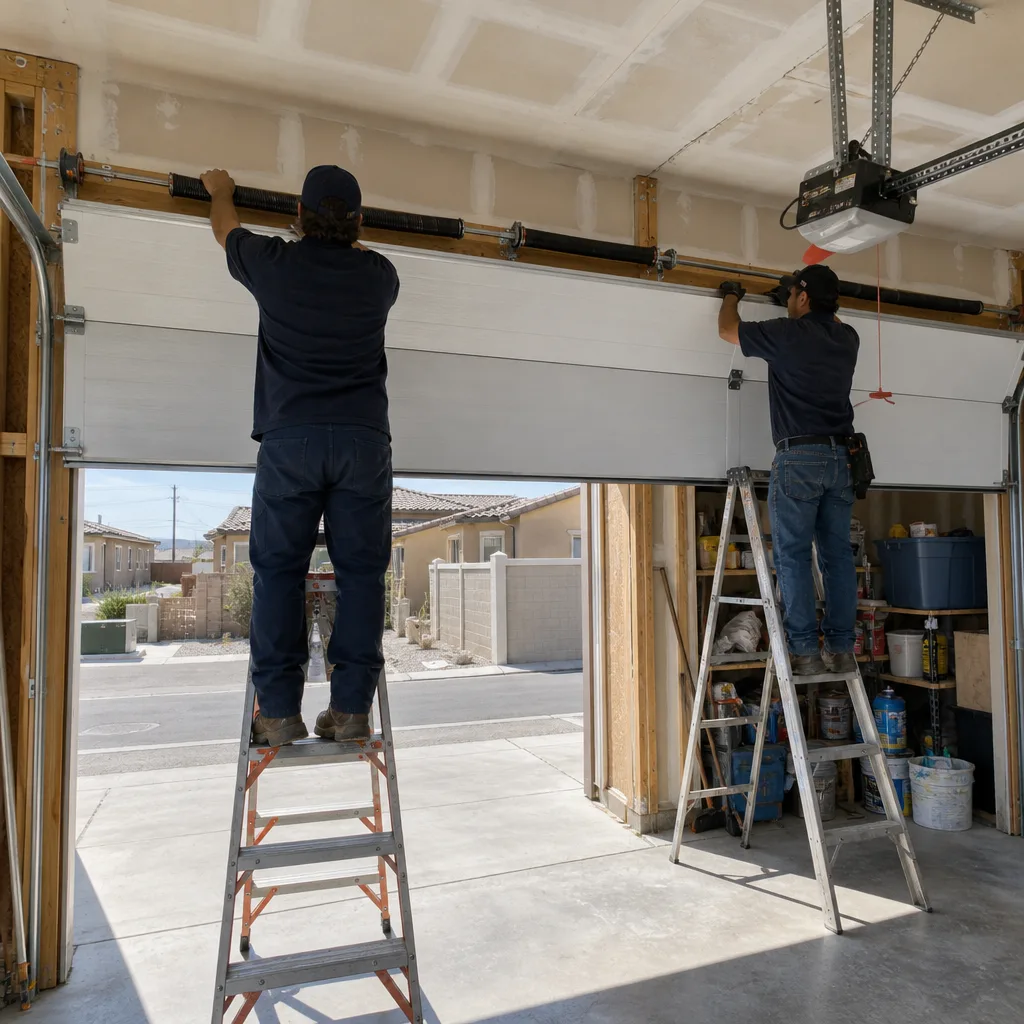
Some garage door repairs are genuinely dangerous, and the timeline is the least important part of that conversation. A torsion spring stores enormous energy, and a spring under tension can release it suddenly. Cables under tension carry the door’s full weight. Neither is a component to wind, cut, or adjust by hand, and no guide, video, or walkthrough should coax you into trying. A trained professional with the right tools and the right winding bars handles this safely; a homeowner without them can be seriously injured.
The same caution applies to the opener’s electrical connections and to any track work that requires the door to move while you’re beneath it. If you’re unsure whether a job is safe for you to touch, treat it as a professional job. Confidence is not a safety tool. The technicians who handle this are trained, background-checked, and equipped for exactly these components.
Timelines matter, but safety comes first. For the technical detail behind these repairs, the Garage Door Repair in Winchester guides walk through the parts involved without instructing you to do the dangerous work yourself.
Common Mistakes to Avoid
- Scheduling a spring repair without your door’s weight or spring color code. This is the single biggest cause of a two-visit job. Give the technician the door’s weight label or spring color before they arrive, and the right spring can be loaded before the truck leaves.
- Choosing a company purely on same-day availability. In Winchester’s summer, a same-day call to an unknown shop with no parts stock can leave your door stuck open overnight anyway. A confirmed-part scheduled visit is often faster.
- Ignoring a slow-reversing opener between repairs. A limit switch that’s drifting or a travel setting that’s out of spec can fail outright at the worst time. A small adjustment now is shorter than an emergency repair later.
- Paying a higher invoice with no written explanation. If the total changed, the invoice should explain the secondary finding with the photo record. Ask for it, and don’t accept a bigger number without the reason.
- Letting a builder-grade steel door run unserviced through a Winchester summer. The heat drives metal expansion and puts extra strain on the spring and rollers. A seasonal check is quicker than an emergency.
- Trying to wind a torsion spring yourself. This one is a safety rule, not a timing tip. A spring under tension can injure you severely. Leave it to a trained professional.
- Ignoring a wobbling door. A door that sways as it rises usually points at a worn roller or a bent track. Catching it early is a 30-minute fix; catching it late is a track replacement.
See the difference
BeforeAfter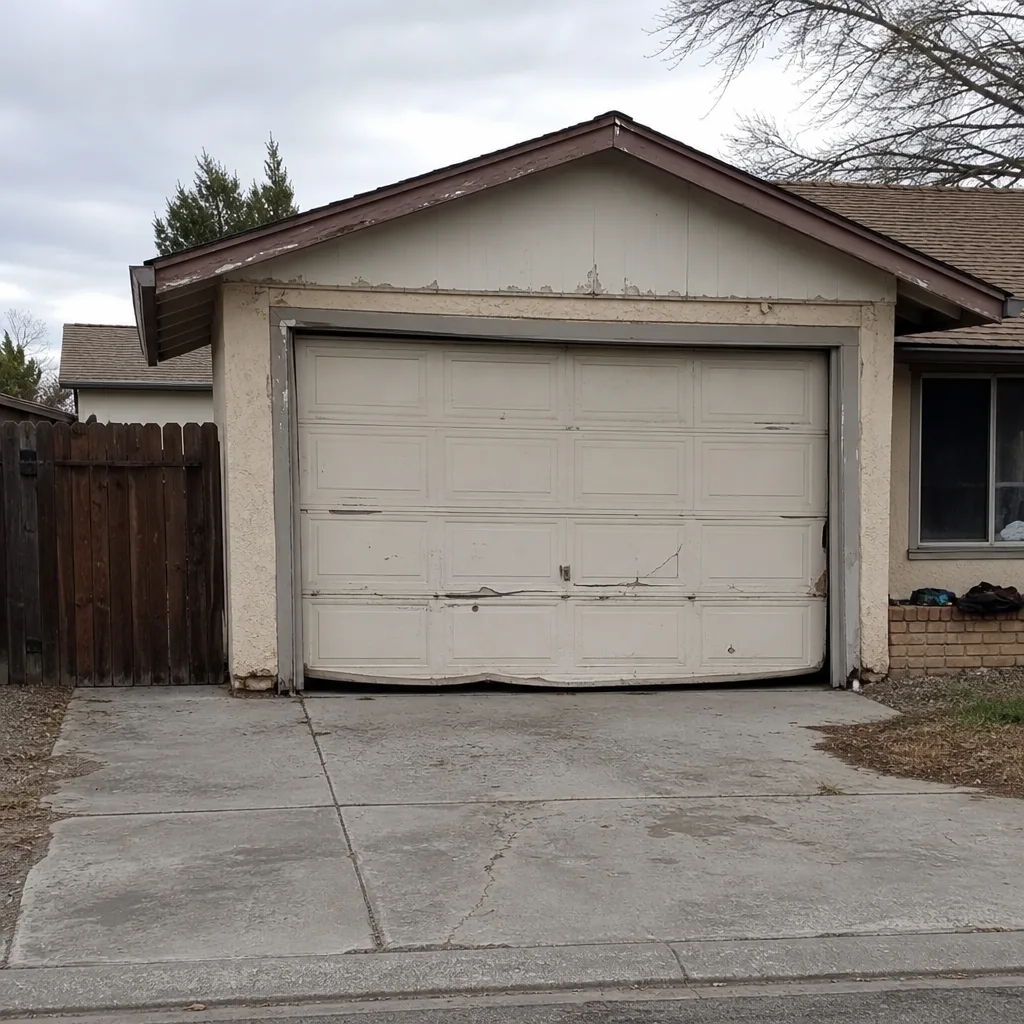 Before
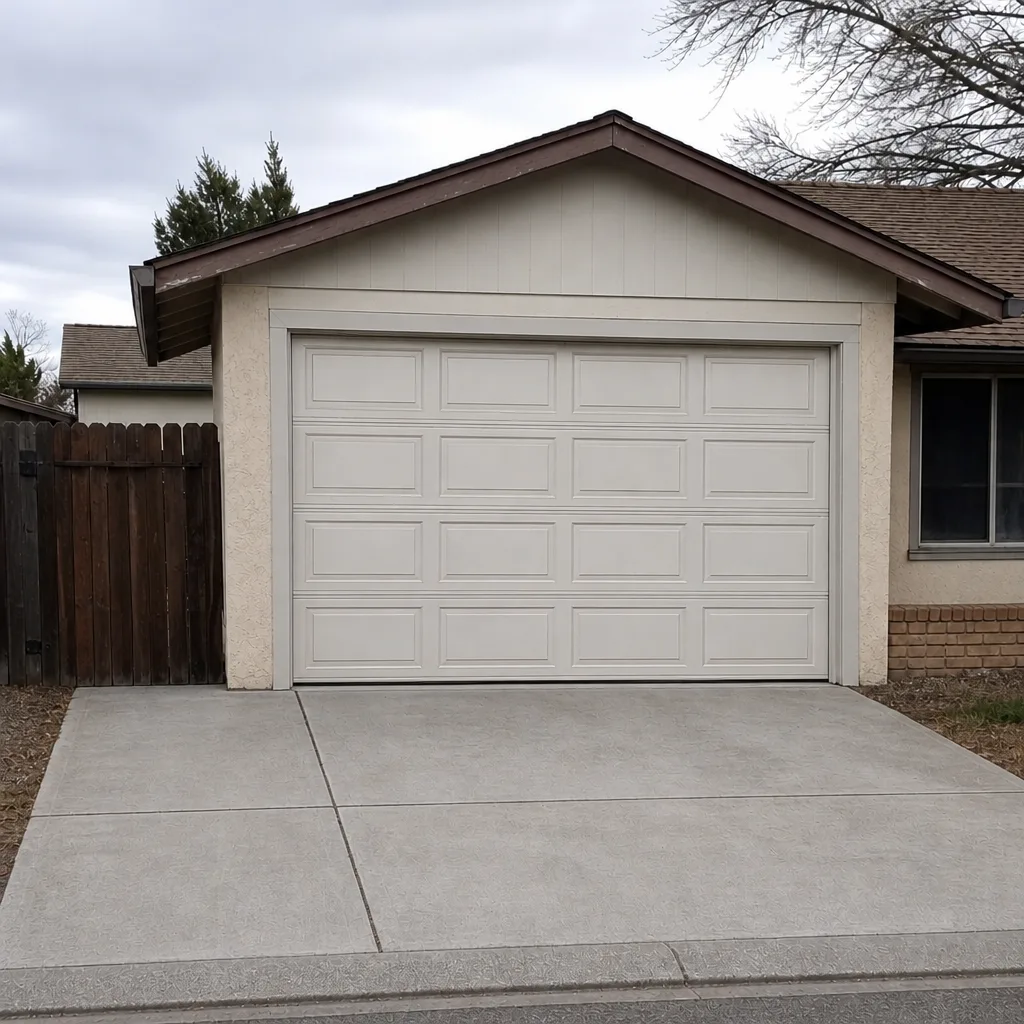 After
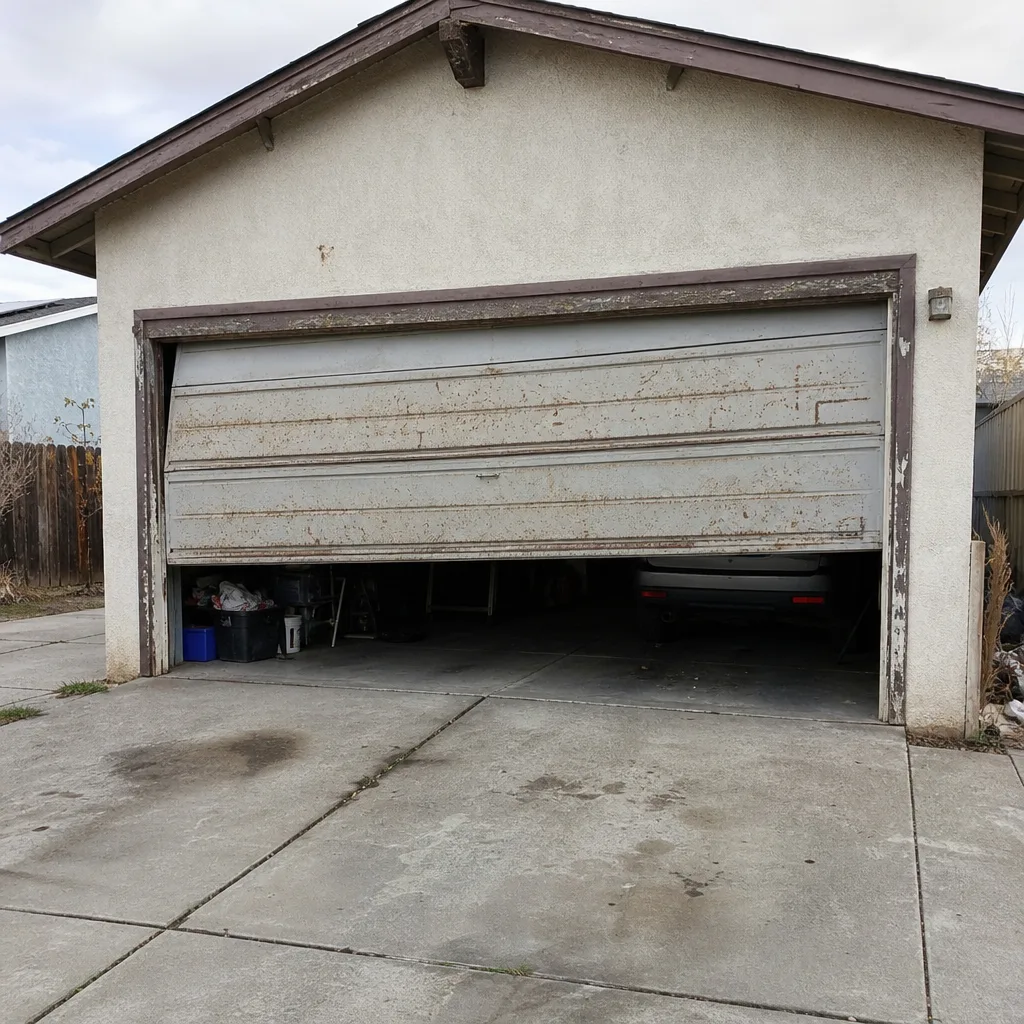 Before
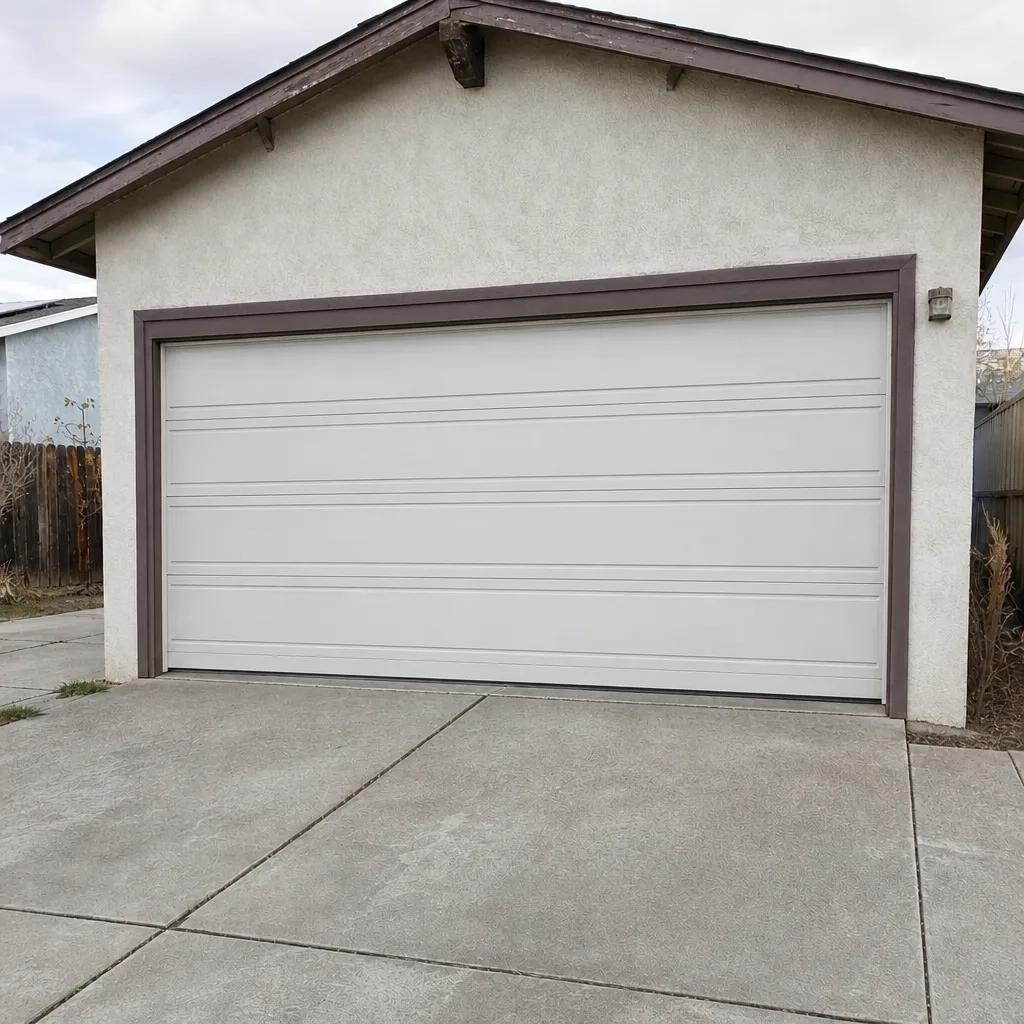 After
When to Call a Professional
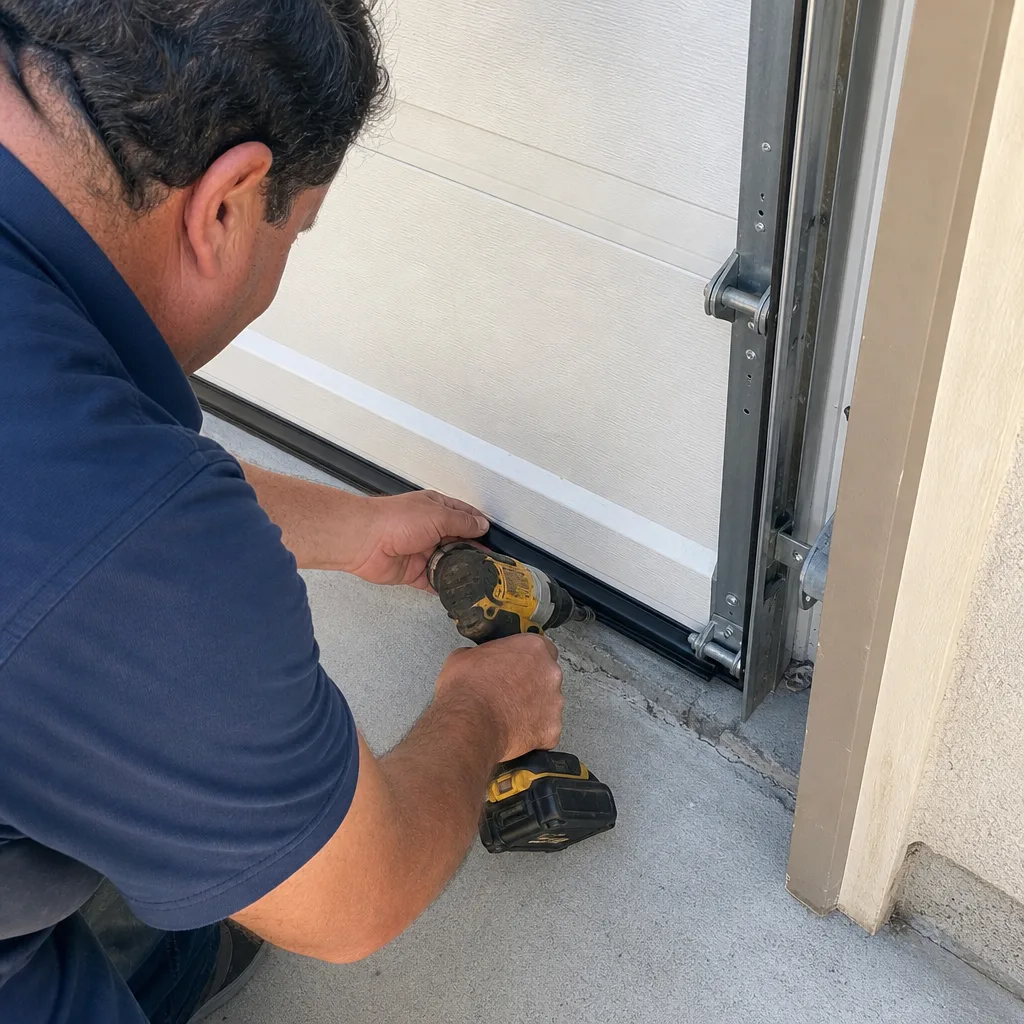
Call a professional when a torsion spring has snapped, a cable has frayed or broken, the door won’t lift or close under its own power, or the door is stuck open and your home isn’t secure. Call us when an opener reverses for no visible reason, grinds loudly, or stops responding to the remote. Call when you’ve backed into the door and the track is bent, or when a wobbling door is getting worse. Any spring or cable job belongs with a trained technician, full stop, because the stored energy in those components is not a DIY situation. Servo Garage Doors Winchester offers free estimates in Winchester, handles emergencies around the clock, and quotes every job in writing before work starts. Call (855) 517-0284.
Frequently Asked Questions
Most residential repairs finish in 45 to 90 minutes when the correct part is on the truck, with spring replacement at 45-75 minutes, cable replacement at 30-60 minutes, and full roller replacement at 60-90 minutes. If the tech has to order a part, expect a second visit 24-48 hours later. Call (855) 517-0284 for a written estimate, and estimates are free.
Often yes, and the odds improve sharply when you provide your door’s weight, spring color code, and opener model before the appointment. That lets us load the right part and quote the job accurately. For emergency calls, we answer live around the clock; for scheduled repairs, a free measure and written price come first.
The written price and written scope are agreed before any work starts, so the number you approve is the number you pay. If a secondary problem turns up, the technician shows you the failed part, explains what it is, and quotes the added work in writing before proceeding. Nothing gets added after the fact. Call (855) 517-0284 for an exact quote.
Yes. The local professional who performs the work is licensed and insured as the state requires, and you can ask to see the license number. Our technicians have up to 11 years of experience, and they carry a documented photo record of the visit. Call (855) 517-0284 to schedule.
Winchester’s summer heat expands non-insulated steel doors and puts extra load on springs and rollers, so a door that ran quietly all spring can start dragging by July. That drag sometimes reads as a track problem when it’s really a weight and spring-tension issue, which adds a few minutes of diagnostic time. Catching it early keeps the repair in the standard 45-90 minute range.
Spring replacement typically runs in the low-to-mid hundreds of dollars for a standard residential door, and the exact figure depends on the door’s weight and the spring type. You’ll get a flat, written price before any work starts, so there’s no surprise on the invoice. Call (855) 517-0284 for an exact quote, and estimates are free.
The Bottom Line
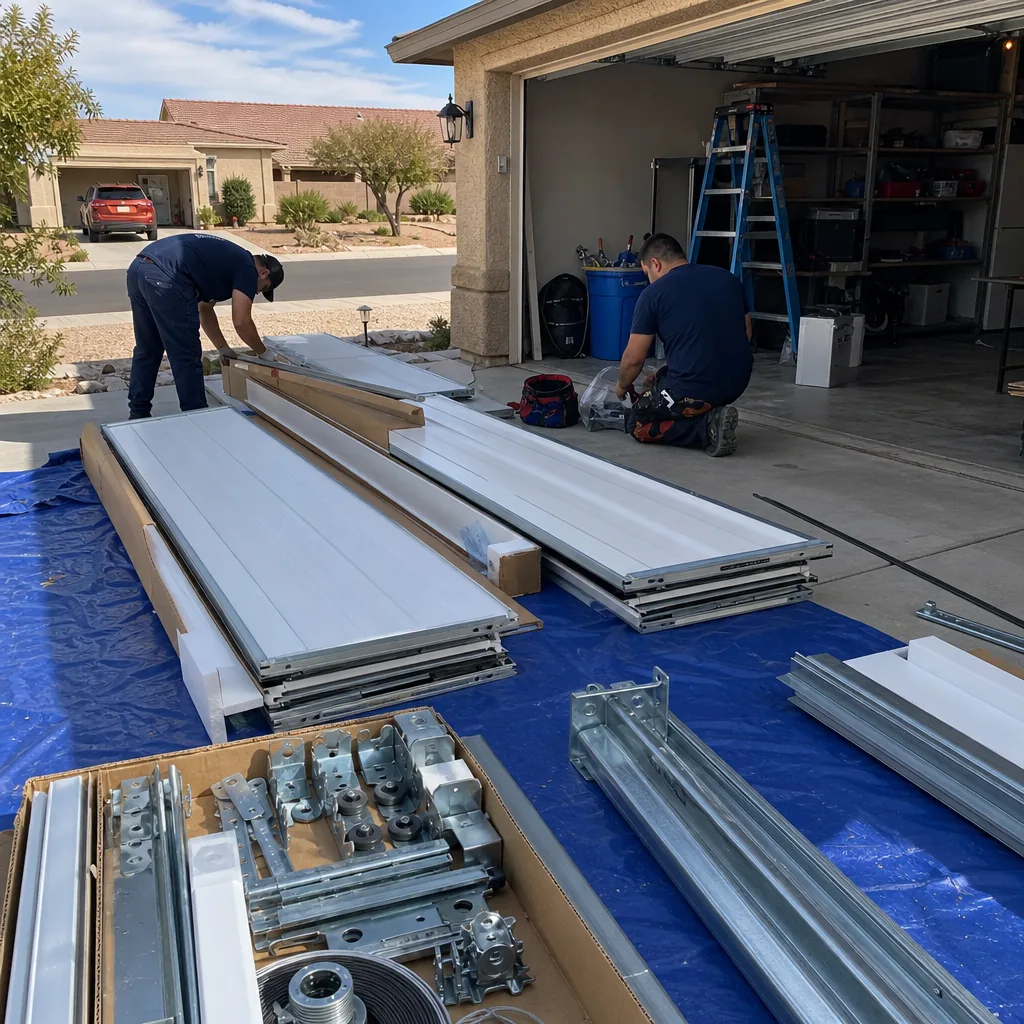
Repair timelines are almost entirely a question of parts, not complexity. A torsion spring swap is a 45-75 minute job when the right spring is on the truck and a two-visit, 48-hour job when it isn’t. Cables, rollers, and opener gears all follow the same pattern. The practical takeaway: give the technician your door’s weight, spring color code, and opener model before arrival, and a one-visit repair becomes far more likely. In Winchester, that preparation is the difference between a quick morning fix and a door stuck open overnight. Every job we quote carries a written price and written scope before work starts, a documented photo record when the technician leaves, and the 365-Day Done Right Promise behind it. If you’re facing a repair, call (855) 517-0284 for a free estimate.
Written by the team at Servo Garage Doors Winchester.