
Last updated November 18, 2026
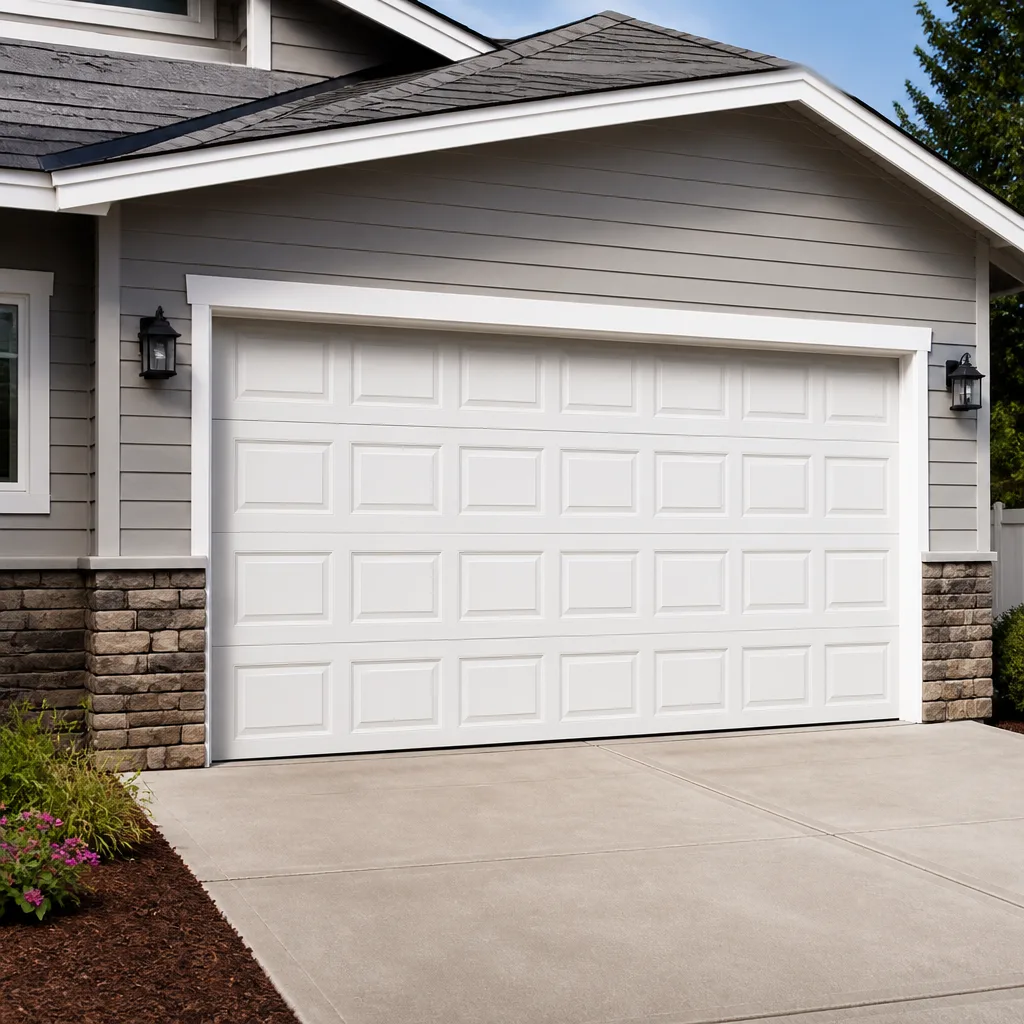 Raised-panel steel
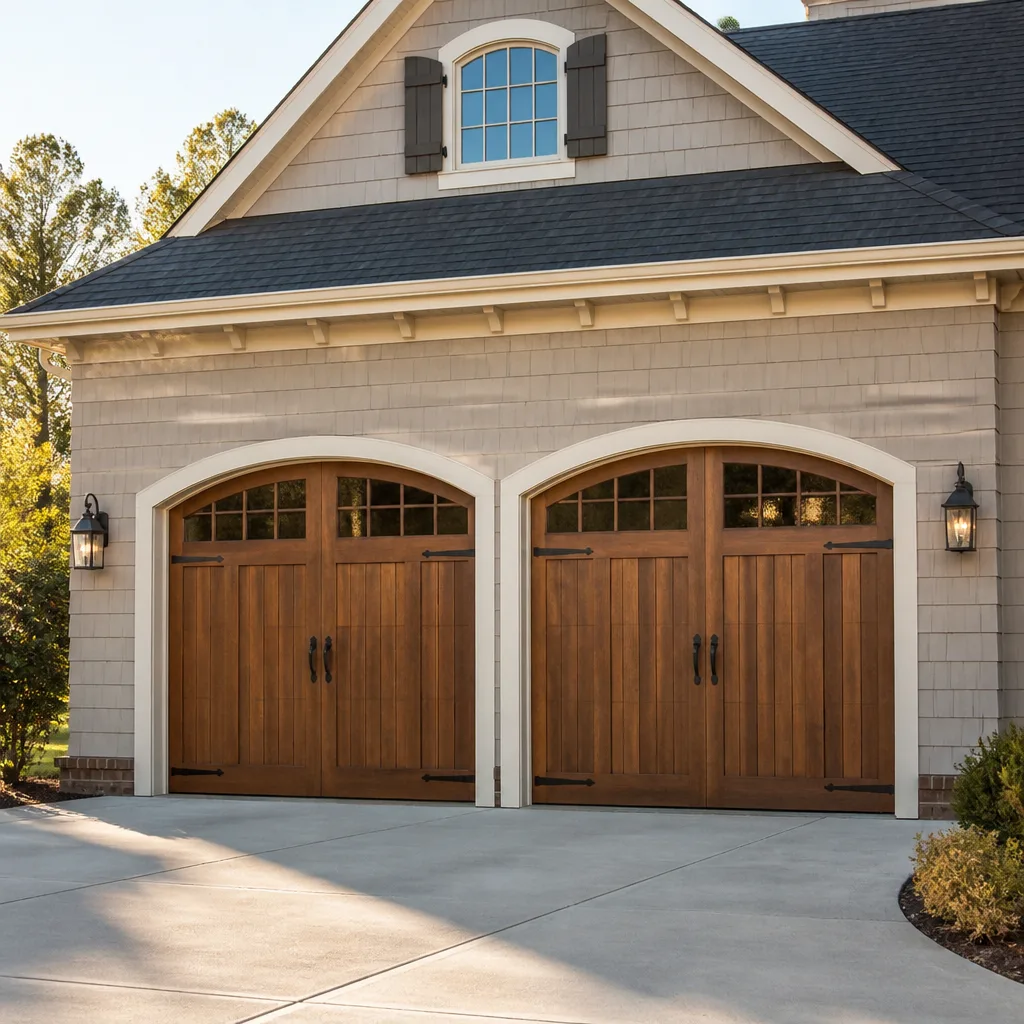 Carriage house
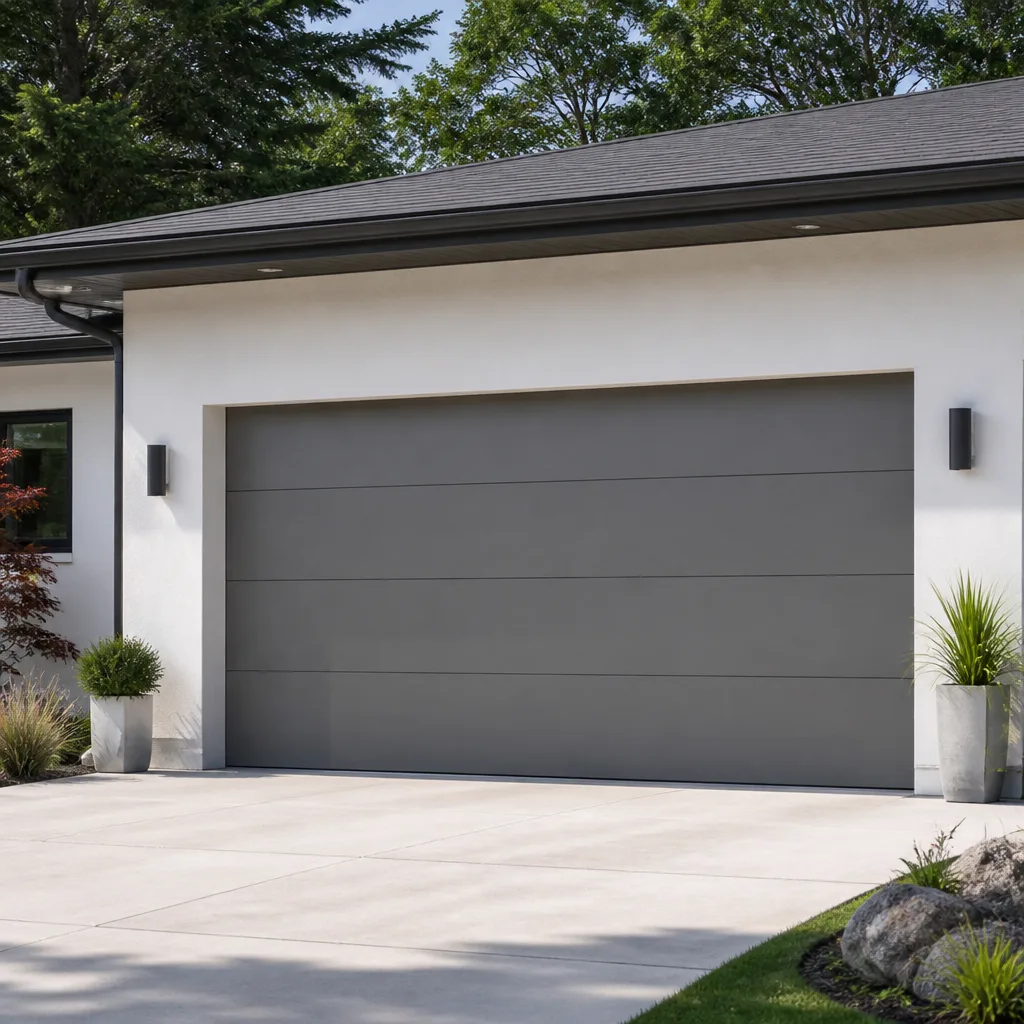 Modern flush
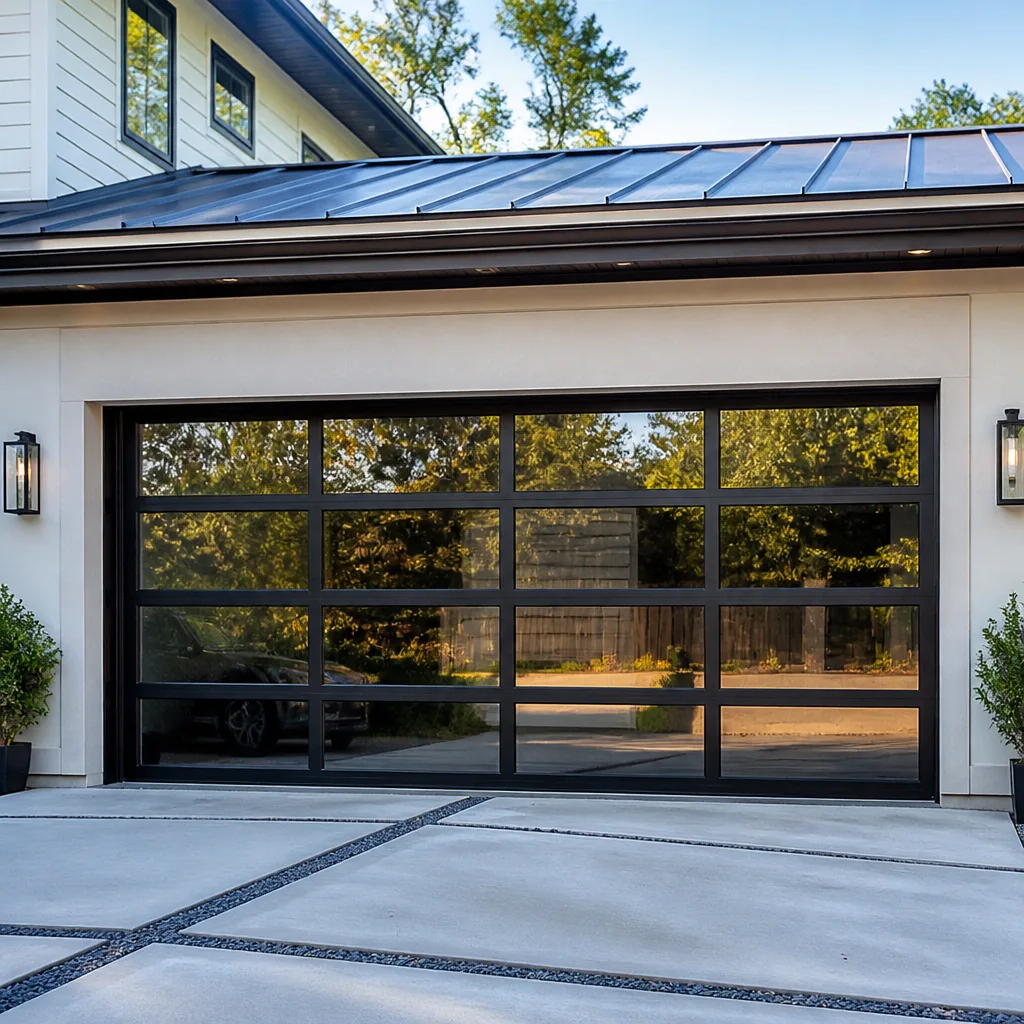 Full-view glass
 LiftMaster openers
 Chamberlain openers
Full 25-point door and opener safety check with every visit - springs, cables, rollers, tracks, and your LiftMaster or Chamberlain opener included
You get a price before we start. It does not change when the pro arrives.
Get your free estimateGarage Door Repair Troubleshooting: Common Problems and How to Fix Them
A door that “won’t open” is not a diagnosis. It’s a complaint. That same complaint could point to a broken torsion spring (roughly $150 – $280 in parts), a stripped opener gear ($40 – $70), or a snapped lift cable ($25 – $60). Treat the wrong one and you’ve paid for a service call that didn’t solve anything. The fix isn’t to guess at the symptom – it’s to isolate which subsystem is actually failing before anyone touches the door.
This guide walks you through the diagnostic sequence a technician uses in Winchester: manual release first, then cable inspection, then spring check, then opener logic. By the end you’ll know which findings are safe to live with for a day, which require you to stop using the door immediately, and which ones mean calling a pro today.
Quick Answer
Troubleshoot a garage door in this order: pull the red manual release cord to separate the door from the opener, then try lifting the door by hand. If it lifts easily, the problem is in the opener – call for Garage Door Opener Repair & Installation in Winchester. If it’s heavy or won’t budge, the issue is mechanical: broken spring, snapped cable, or a bound track. Never force a heavy door – a spring under tension can cause serious injury.
Styles & brands we work with
- Raised-panel steel
- Carriage house
- Modern flush
- Full-view glass
- LiftMaster openers
- Chamberlain openers
Table of Contents
- The Diagnostic Sequence: Isolate the Subsystem First
- “My Door Won’t Open” – Mechanical vs. Opener Failure
- “The Door Moves But Stops Halfway”
- What the Sound Tells You: Grinding, Popping, Squealing
- Springs and Cables: What Must Shut Down Immediately
- Opener Logic, Sensors, and Limit Switches
- What Repairs Cost in Winchester
- What You Can Safely Check vs. What You Shouldn’t Touch
 Before
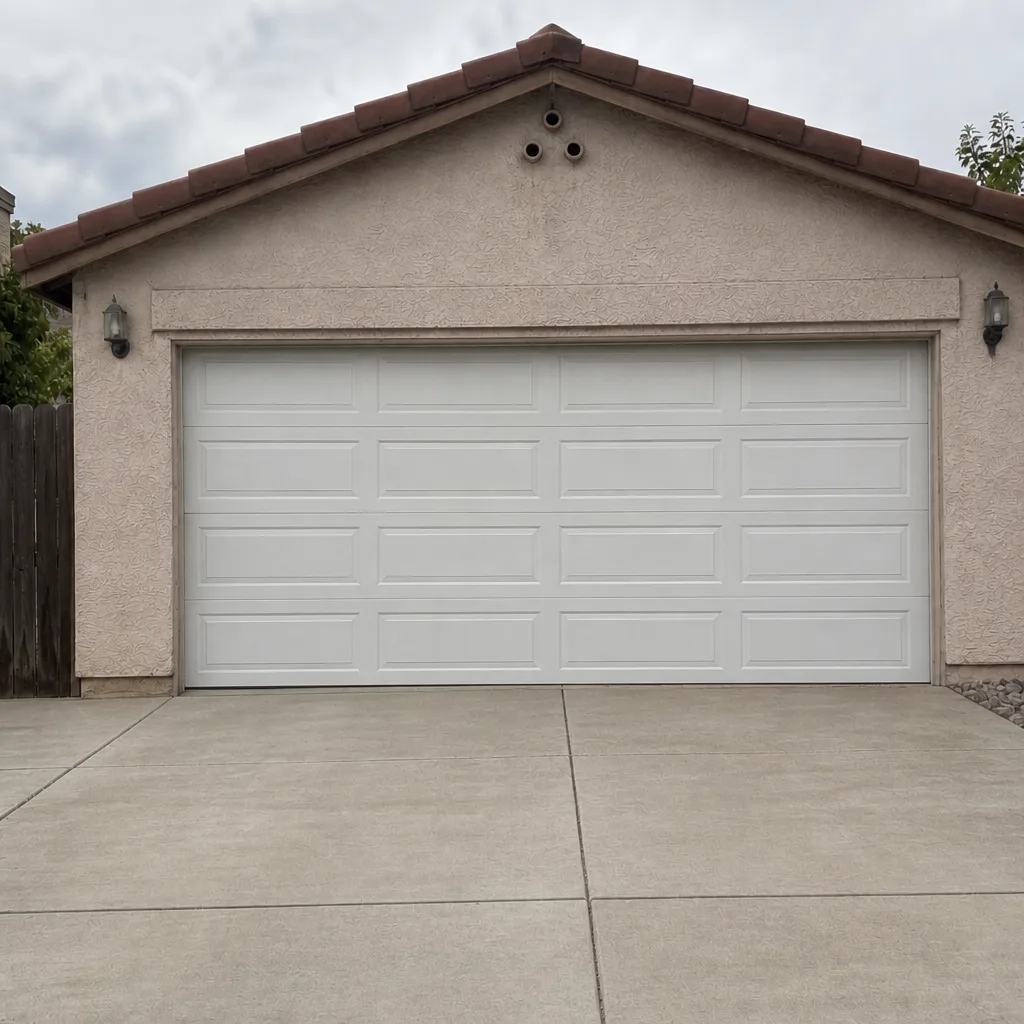 After
The Diagnostic Sequence: Isolate the Subsystem First
Every garage door failure traces back to one of five subsystems: the spring system (torsion or extension), the cable-and-drum system, the track-and-roller system, the opener, or the small hardware (hinges, brackets, bottom seal). The repair cost and the safety risk differ by hundreds of dollars depending on which one is the cause. Diagnosis, not symptom-spotting, is the whole job.
Here’s the exact order a technician follows on arrival in Winchester – and the order you can follow safely from the outside of the door before anyone arrives:
- Pull the red manual release cord. This disconnects the door from the opener’s trolley carriage (the sliding metal piece that couples the door to the opener arm). Do this with the door in the closed position.
- Lift the door by hand to about waist height. A properly balanced door should lift with one hand and stay put when you let go halfway up. If it’s heavy, the springs aren’t lifting. If it flies up, the springs are over-tensioned or the door is mis-balanced.
- Look at the cables on both sides. The thin steel cables run from the bottom corners up to the drums at the top. Check for fraying, bird-caging (a tangle of broken wire strands), or a visibly slack cable hanging off the drum.
- Inspect the spring(s) above the door. A torsion spring is the horizontal coil above the door header. A break usually shows as a visible gap in the coil. Extension springs run alongside the horizontal tracks – look for a stretched-out spring or a separated hook.
- Only then look at the opener. If the door lifts fine by hand, the mechanical system is healthy and the opener is the suspect.
That sequence takes about four minutes and eliminates three of the five subsystems before you’ve spent a dollar. In our experience across Winchester, roughly half of the “broken opener” calls we take turn out to be a mechanical problem the homeowner was about to misdiagnose. Getting this order right is not just cheaper – it’s the difference between one service call and two.
“My Door Won’t Open” – Mechanical vs. Opener Failure
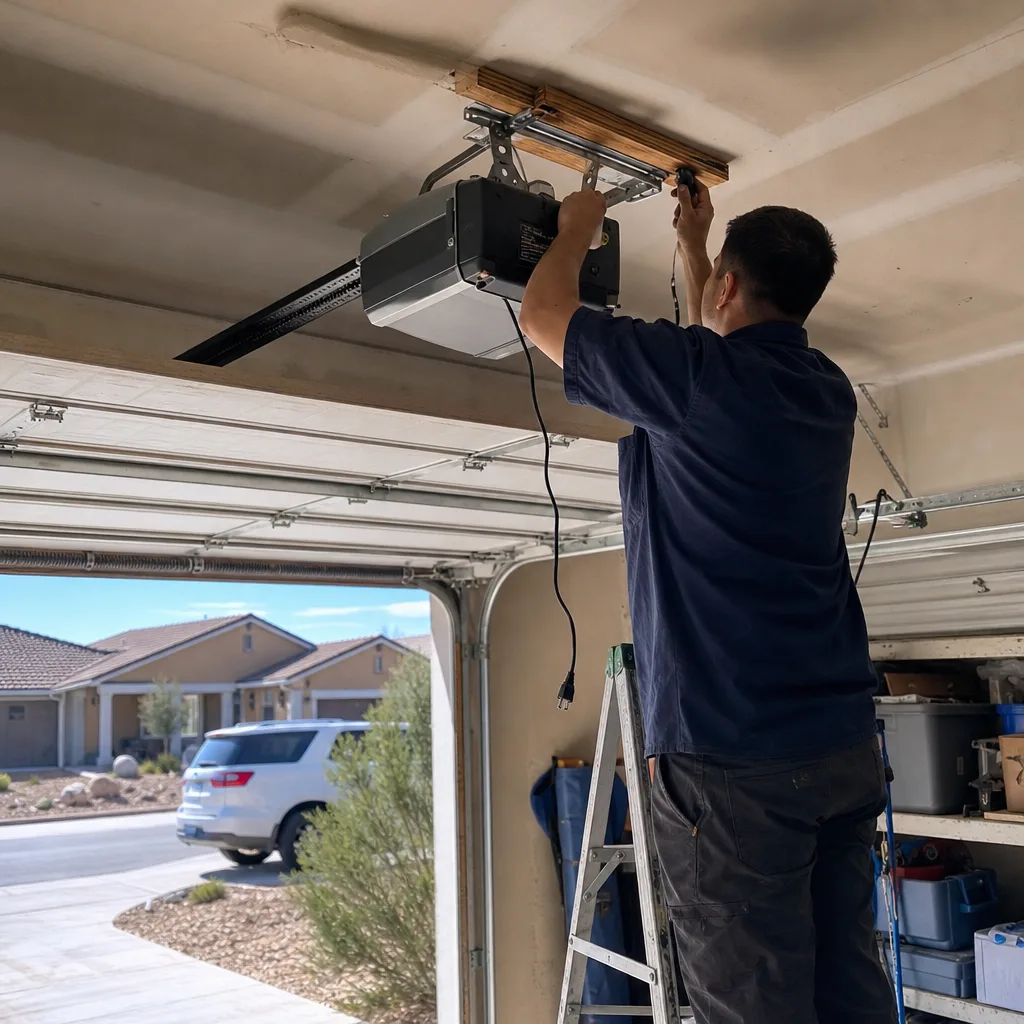
The single most useful test is the one most homeowners skip: pull the emergency release and try the door by hand. That one action separates mechanical failure from opener failure with about 90% accuracy, and it takes ten seconds.
If the door opens easily by hand:
- The spring, cable, track, and roller systems are fundamentally fine.
- The problem is in the opener, the trolley carriage, the safety sensors, or the power/control wiring.
- A stripped plastic gear inside the opener is the classic culprit – usually a $40 – $70 part on a chain-drive LiftMaster or Craftsman unit, though labor adds to that.
- Sensor misalignment is the second most common cause – often a spiderweb, a bumped bracket, or a sun angle that hits the sensor lens.
If the door is heavy or won’t move by hand:
- Spring failure is the leading suspect on torsion systems.
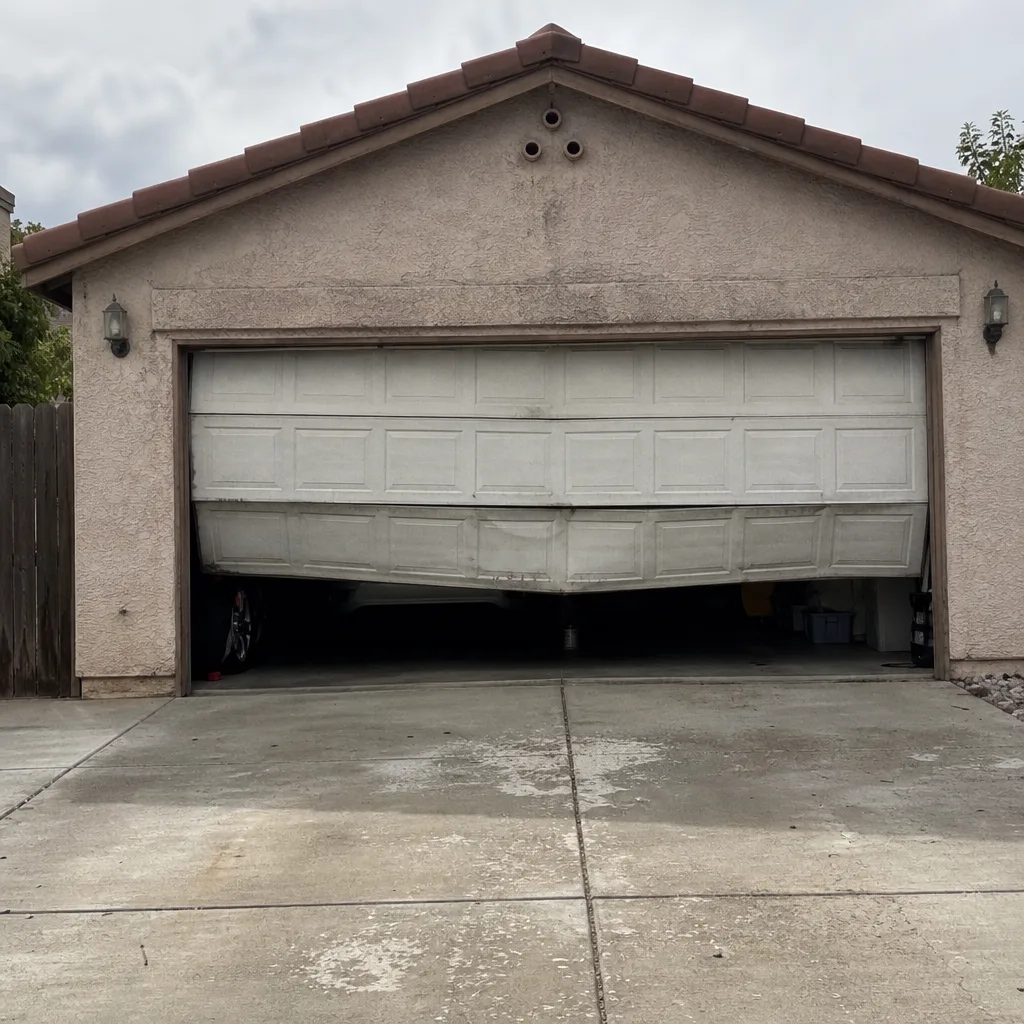
- A snapped lift cable is next – usually one side, causing the door to jam diagonally.
- A bound roller or bent track is third, and it’s usually visible.
- Stop using the door. Running an opener against a broken spring or snapped cable can bend the door panels or tear the drums off the shaft – repairs that cost far more than the original breakdown.
For a full breakdown of what a same-day repair looks like in this market, see our page on Garage Door Repair in Winchester.
“The Door Moves But Stops Halfway”
A door that travels partway and reverses or freezes is almost never a spring problem. It’s a limit switch, an obstruction sensor, or a binding roller – and the diagnostic path is different from a full failure.
Three possible causes, in order of likelihood:
- Limit switch out of adjustment. The limit switch is the small travel-setting mechanism inside or on the opener housing that tells the motor where “fully open” and “fully closed” are. When it drifts, the opener thinks it has reached the end of its run and stops. On newer LiftMaster and Genie units, the travel limits are set on a control panel; on older units, they’re adjusted with a screwdriver on the side of the housing.
- Obstruction sensor triggered. The two photoelectric sensors at the bottom of the track (one transmitter, one receiver) will reverse the door the instant the beam is broken. Anything in the beam’s path – a lawn tool, a recycling bin, a sagging bottom seal – will stop the door every time at the same point.
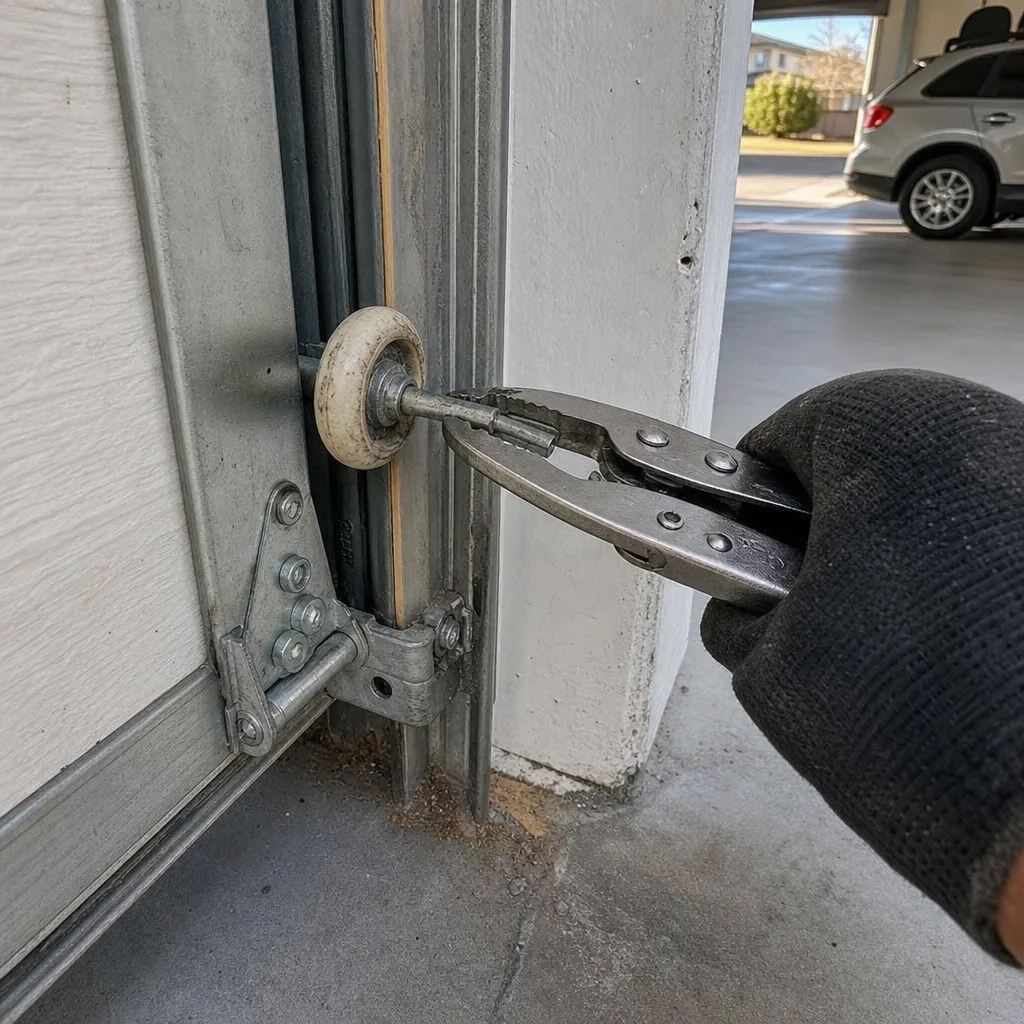
- Binding roller or bent track. A single frozen roller (a $4 – $8 part) can bind the door at the exact point where that roller enters the curved section of track. Look for a roller that doesn’t spin freely, or a section of vertical track that’s been hit and bent inward.
Here in Winchester, we see binding roller calls spike in the spring, when dust and temperature swings cause the sealed bearings inside cheap rollers to lose their grease. If the door stops at the same point every time, it’s a mechanical bind or a limit switch. If it reverses at random points, it’s a sensor problem almost every time.
What the Sound Tells You: Grinding, Popping, Squealing
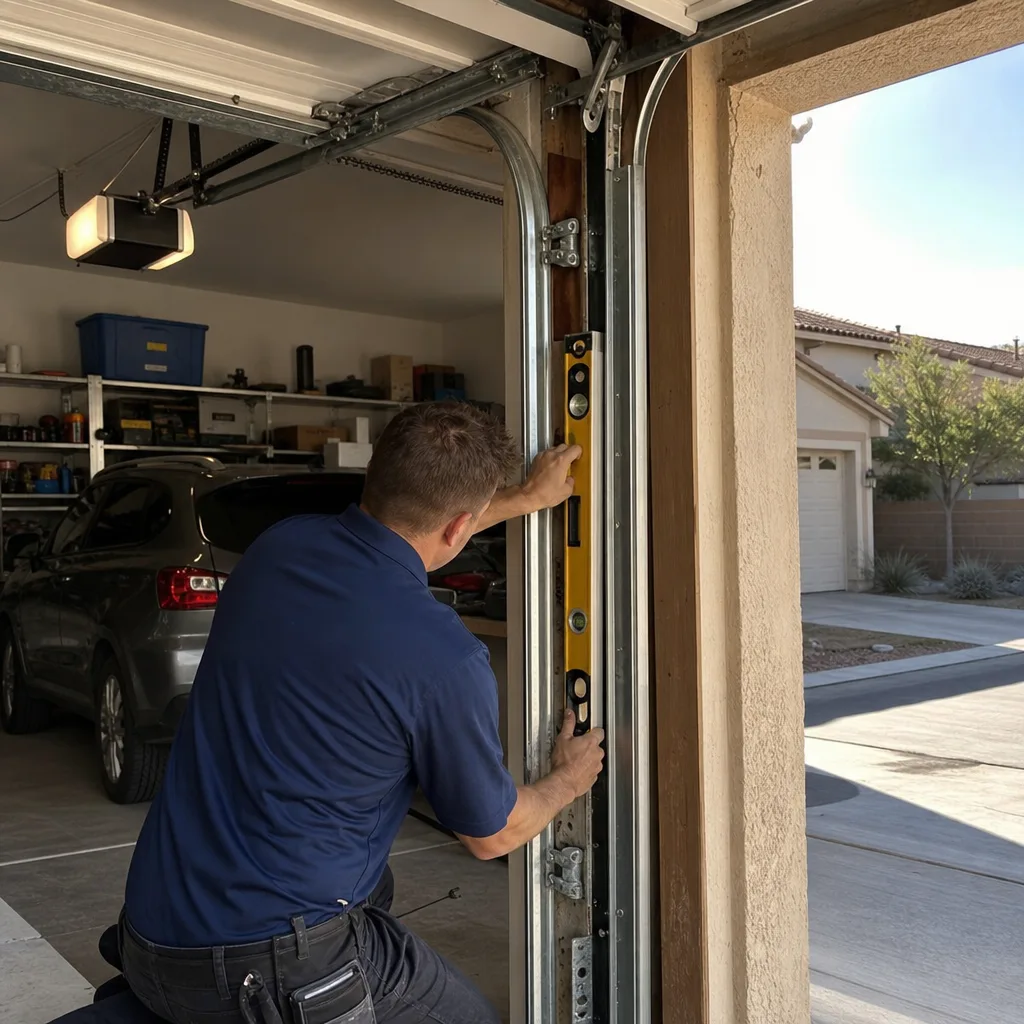
The sound is diagnostic data if you can name it accurately. Three failure modes each produce a distinct noise, and each points at a different subsystem.
- Grinding, low-pitched and continuous: often indicates a stripped opener gear or a dry trolley carriage. On a Wayne Dalton door with a chain-drive opener, a grinding from the ceiling unit is almost always the plastic drive gear stripping against the worm gear inside.
- Popping, sharp and sudden: the classic signature of a torsion spring that has just broken. Older springs sometimes pop audibly as the coil fractures. A single loud pop followed by a non-functional door is close to a guaranteed spring diagnosis. Call a pro – this is not something to investigate further while the door is up.
- Squealing, high-pitched and rhythmic: usually a dry or worn roller, or a hinge that needs lubrication. A single squealing roller set can usually be replaced for $30 – $60 in parts. A squealing that’s high-pitched and continuous from the opener itself can indicate motor bearing wear, which is a different and larger repair.
- Rattling or banging on descent: loose hinges, loose brackets, or loose panels. Not typically urgent but worth a same-week call.
Don’t lubricate a squeal away permanently. Grease quiets the roller for a week and then the bearing seizes for real. Replacement is the honest fix.
Springs and Cables: What Must Shut Down Immediately
Two garage door findings require you to stop using the door entirely – today, before you call anyone. Both involve stored energy that can injure a person who touches the wrong part while the door is under load.
Stop immediately if you see:
- A visible gap in the torsion spring coil. The coil is still holding the other half under tension. Do not touch, do not spray, do not try to “see if it’s really broken.” Call and wait.
- A frayed or bird-caged cable on either drum. A cable under tension can snap with enough force to cut through a hand. Do not operate the door, and do not try to unhook the cable.
Both of these are high-energy failures. A torsion spring under full tension stores enough energy to throw a person across a garage. The trade’s safety record is built on the rule that only trained technicians work on loaded springs and cables – a rule worth respecting.
Safe to operate temporarily (with caution):
- A single squealing roller (replace this week).
- A loose hinge or bracket you can see moving.
- A bottom seal that’s torn but attached.
- A sensor that’s been bumped and needs realigned.
If any of these are present alongside a broken spring or a frayed cable, the spring or cable governs. Shut the door down. A full replacement in this market runs $180 – $340 when a technician replaces both springs and balances the door. For a focused breakdown of replacement, see Garage Door Installation in Winchester for the door-side work and call for a spring quote.
Opener Logic, Sensors, and Limit Switches
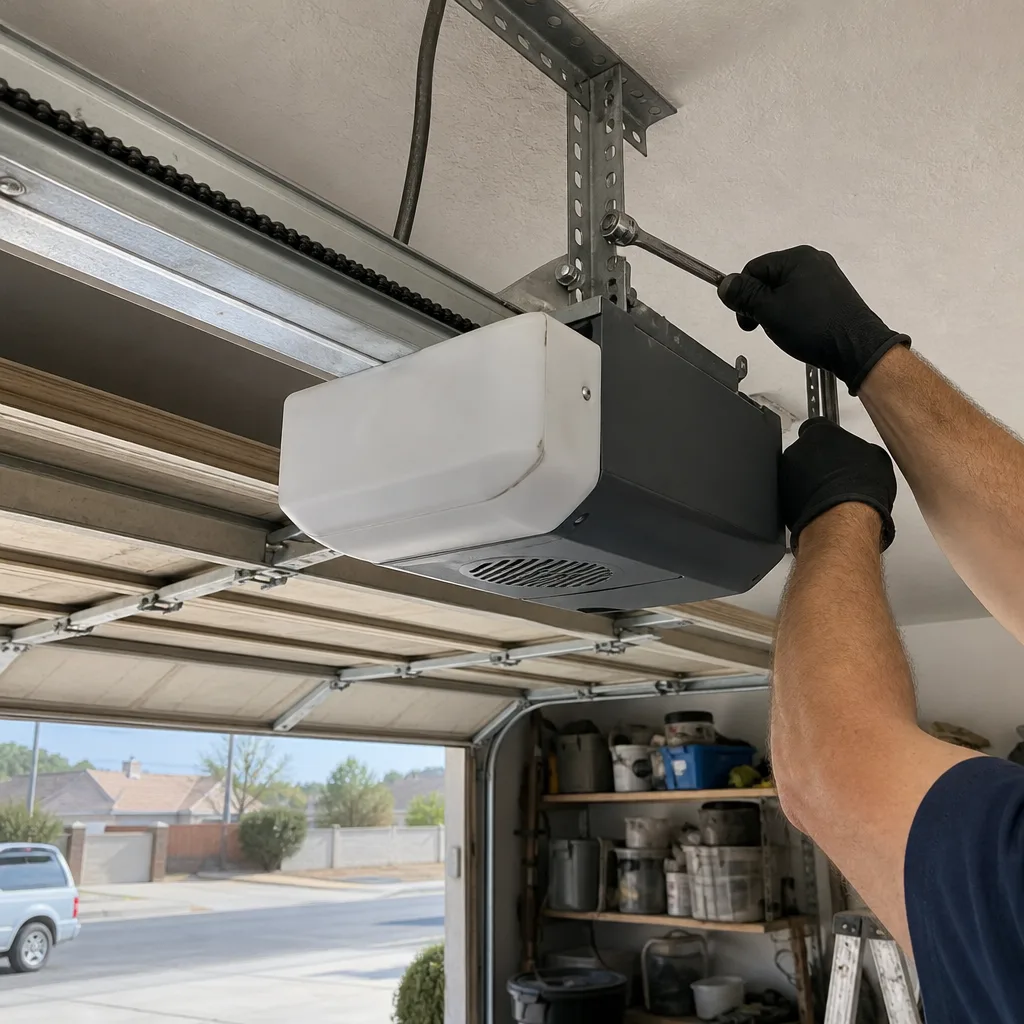
Once the door proves it opens by hand, the diagnosis moves to the opener. Four things cause roughly nine out of ten opener failures.
- Safety sensors. The two sensors at the bottom must be aligned and unobstructed. Check the LED on each. One solid, one blinking means a misalignment or an obstruction. Wipe the lenses, check the brackets, and confirm nothing is in the beam path.
- Trolley carriage. The metal piece that rides the rail and couples to the door arm – it wears and eventually fails. If it detaches, the motor runs but the door doesn’t move. The manual release cord hangs from it, so a loose or hanging cord is a clue.
- Limit switch / travel settings. The opener’s internal travel settings tell the motor where the ends are. Drift in these settings produces the “stops halfway” symptom described above. Re-setting travel is a control-panel task on modern openers.
- Logic board. The controller board inside the opener housing. Failures show as erratic behavior: the door opens but won’t close, or the remotes stop working, or the unit clicks but won’t run. A logic board for a modern LiftMaster or Chamberlain unit typically runs $90 – $180 in parts; a full opener replacement often costs about the same as a logic-board repair once labor is included.
Weather matters in Winchester here. Summer heat inside an uninsulated garage pushes opener housings past 110°F and stresses capacitors and logic boards. We see a small but consistent uptick in logic-board failures in July and August. If your opener fails on the hottest week of the year, heat stress is worth suspecting first. Read more about specific opener brands and diagnostics on our Garage Door Opener Repair & Installation in Winchester page.
What Repairs Cost in Winchester
Here’s the honest range for Winchester-area repairs, parts and typical labor combined. Prices are quoted and agreed in writing before any work starts – never negotiated after the invoice arrives. Read the range, then read how our written price works.
- Lift cable replacement: $180 – $320 per side (usually both sides)
- Torsion spring replacement (both springs): $180 – $340
- Extension spring replacement: $150 – $280
- Roller replacement (set of 10 – 12): $80 – $160
- Hinge or bracket replacement: $60 – $140
- Opener gear / sprocket replacement: $120 – $220
- Logic board replacement: $180 – $340 including labor
- Safety sensor replacement (pair): $90 – $160
- Bottom seal replacement: $70 – $140
- Full opener replacement (chain-drive, installed): $380 – $650
Every job at Servo Garage Doors Winchester starts with a written price and written scope, agreed before any work begins – Clause 1 of The Haven Standard. You see the number before the wrench comes out. If you’re holding a written estimate from another company, bring it in for a free second opinion. No coupon, no code.
What You Can Safely Check vs. What You Shouldn’t Touch
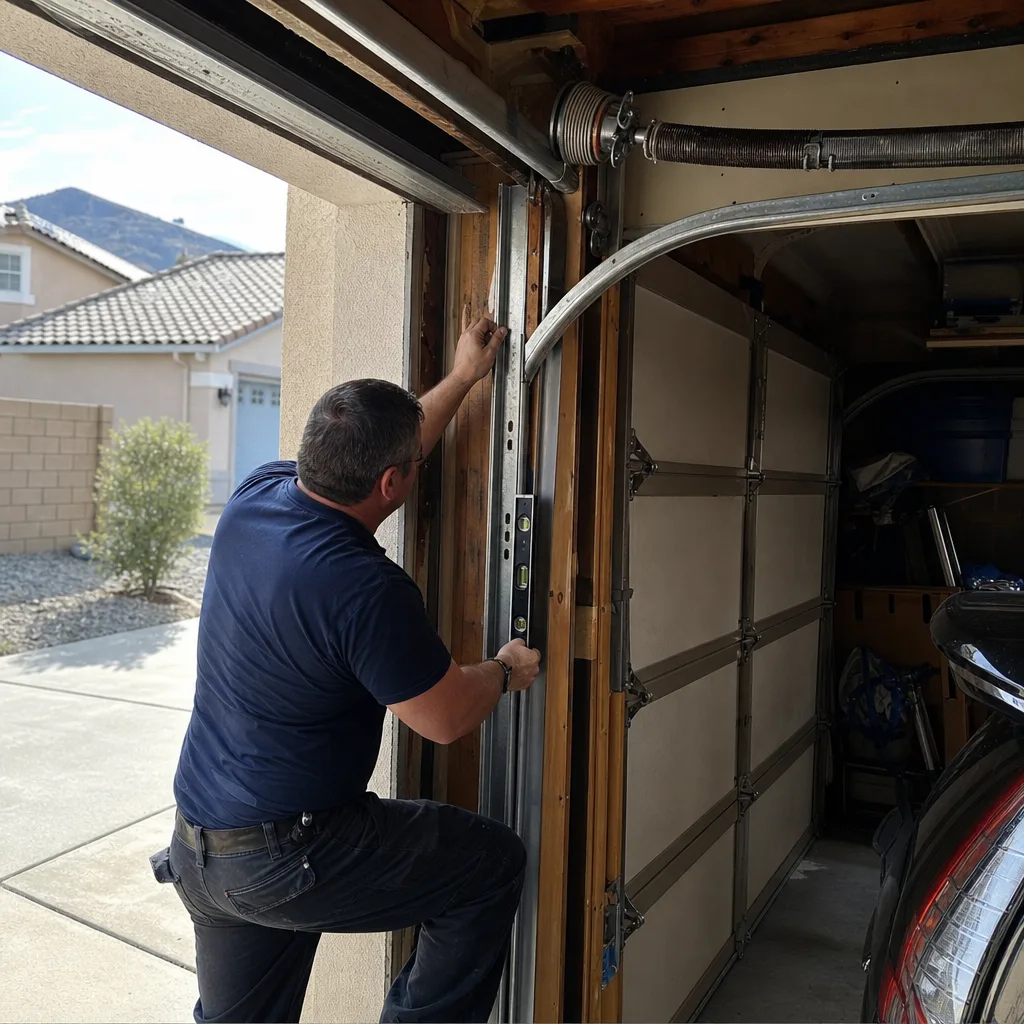
Some of this work is a homeowner’s job. Some of it will hurt you. The line is bright and worth respecting.
Safe for a homeowner:
- Pulling the red manual release cord to test the door by hand.
- Wiping down the safety sensor lenses and checking that they’re aligned.
- Looking for obvious obstructions in the sensor beam path.
- Lubricating hinges and rollers with a proper garage-door lubricant (not WD-40) as routine maintenance – once per season.
- Visually inspecting cables and springs from a safe distance (never by hand).
- Replacing the battery in the remote, or re-pairing a remote to the opener.
Not worth the risk – call a professional:
- Replacing a torsion spring, extension spring, or any spring under tension.
- Replacing or re-attaching cables on a drum.
- Adjusting the door’s balance or the counterweight system.
- Replacing the logic board or rewiring the opener to household power.
- Removing or repairing the garage door opener rail and trolley under load.
- Any repair where the door must be raised or lowered while you’re under it.
Our technicians have up to 11 years of experience on these systems, and the ones with the most experience are the most careful with springs. That’s not because they’re nervous – it’s because they’ve seen what a failed spring does when someone underestimates it.
Common Mistakes to Avoid
- Calling the opener the problem before testing mechanical. Pull the manual release first. Roughly half of the “broken opener” calls we hear resolve to a mechanical failure once the door is tested by hand.
- Running the opener against a broken spring or frayed cable. The opener will try to force the door against its own weight and can bend panels, snap a drum, or tear the track off the wall. That turns a $200 repair into a $700 one.
- Greasing a squealing roller instead of replacing it. Lubricant quiets the sound for a week or two, then the internal bearing seizes for real and binds the door at speed.
- Ignoring the safety sensor LED. A blinking LED on one sensor is telling you exactly which side of the pair is misaligned. Ten seconds of attention beats a $120 service call.
- Hiring on the symptom instead of the diagnosis. If a company quotes you a spring replacement before pulling the release cord or checking the cables, get a second opinion – and per Clause 4 of The Haven Standard, a technician should photograph the failed part before quoting its replacement. Servo does; ask for the same from anyone.
- Forcing the door by hand when it’s heavy. A door that requires two hands to lift has a failed spring. The door weighs 100 to 250 pounds depending on size. Don’t test it further.
- Skipping the written scope. “We’ll take a look and see” is how the invoice ends up larger than the conversation. Ask for a flat, written price and a written scope for the work before anyone touches the door.
See the difference
BeforeAfter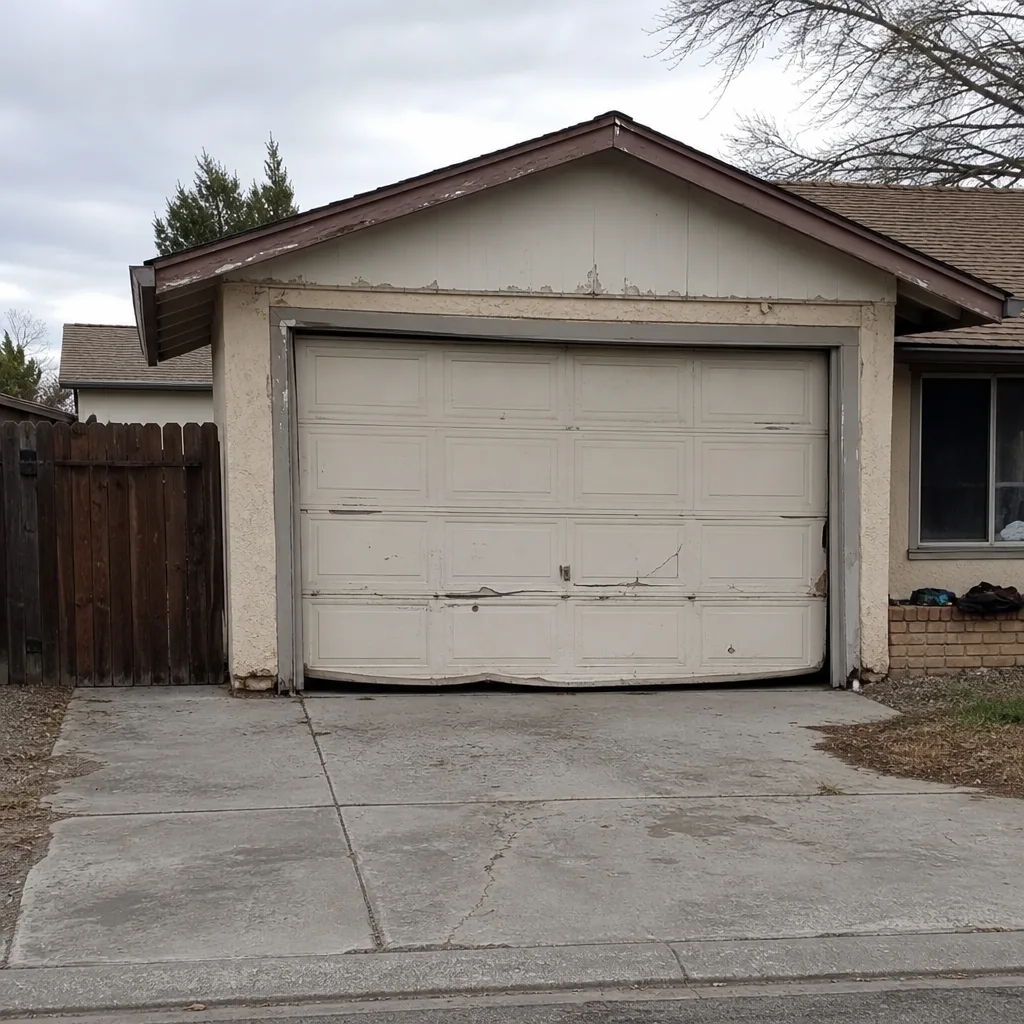 Before
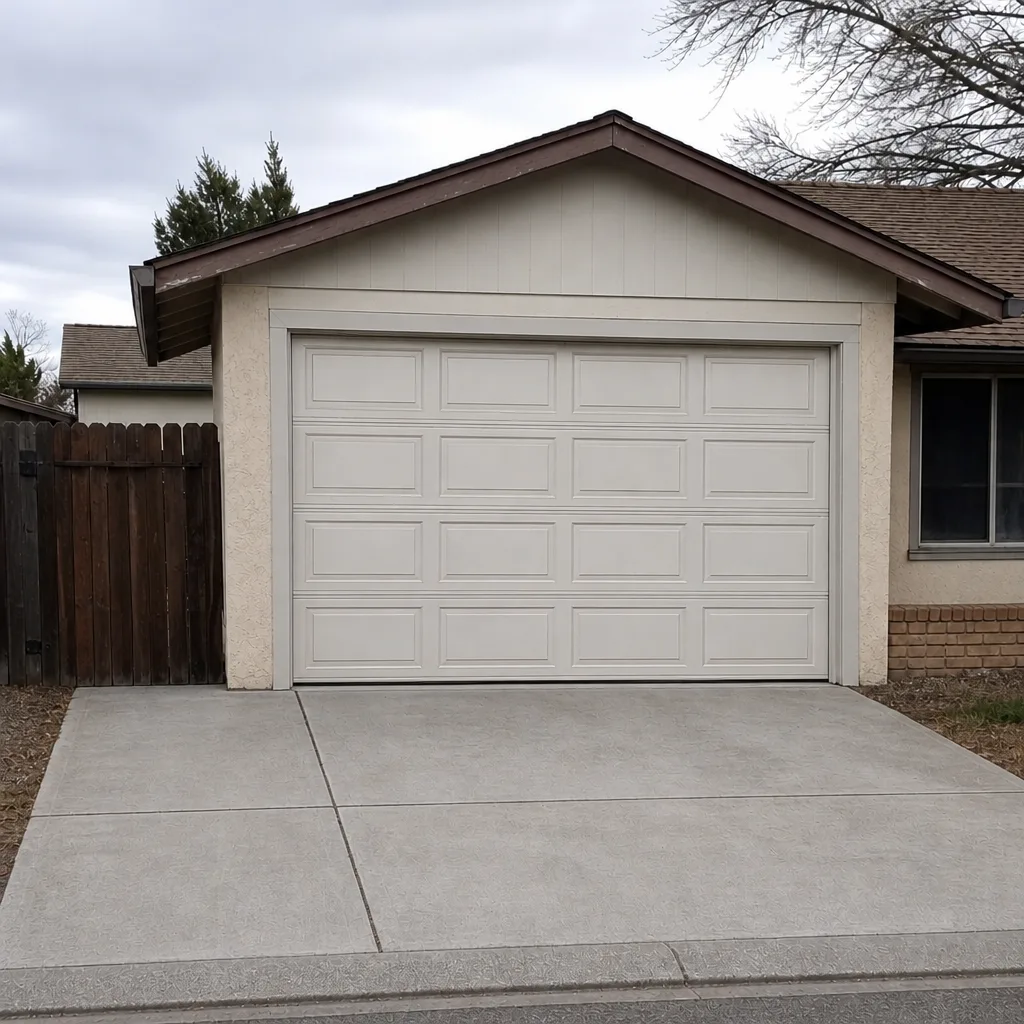 After
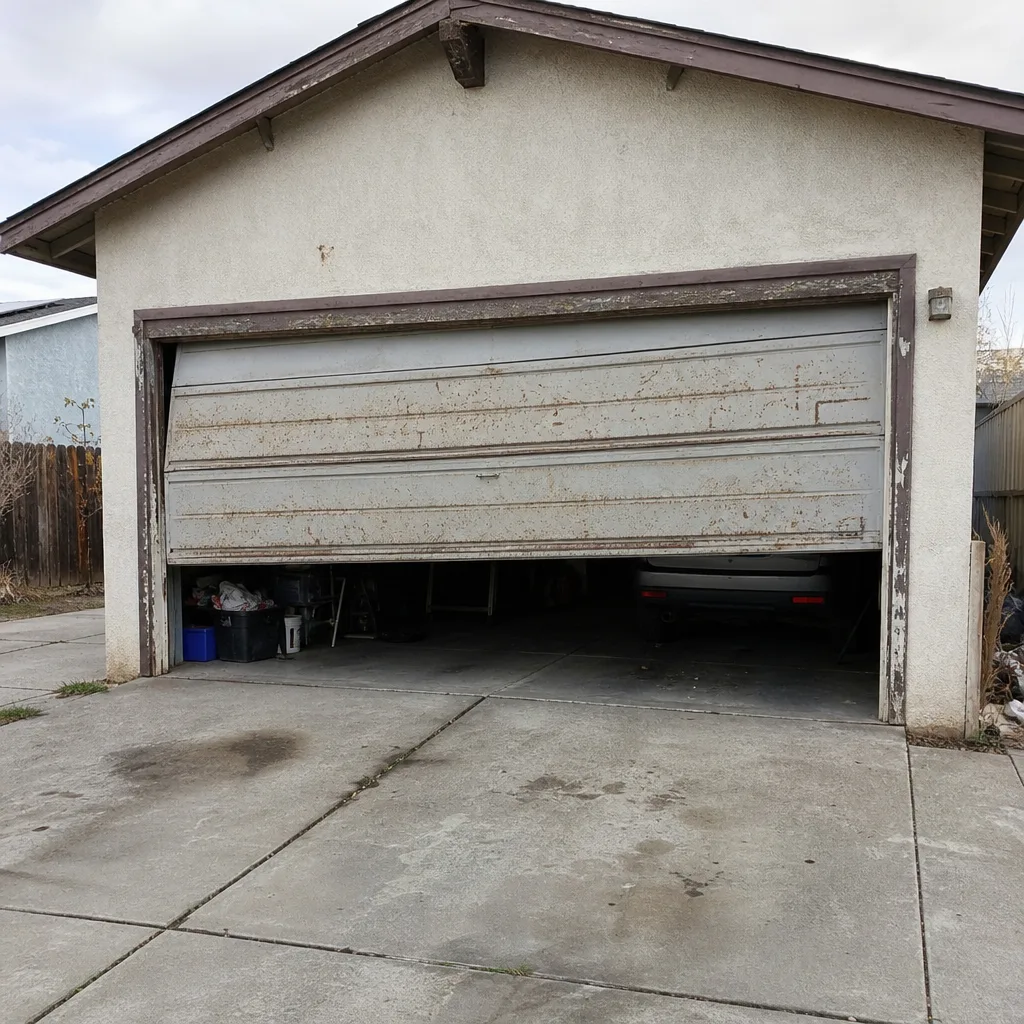 Before
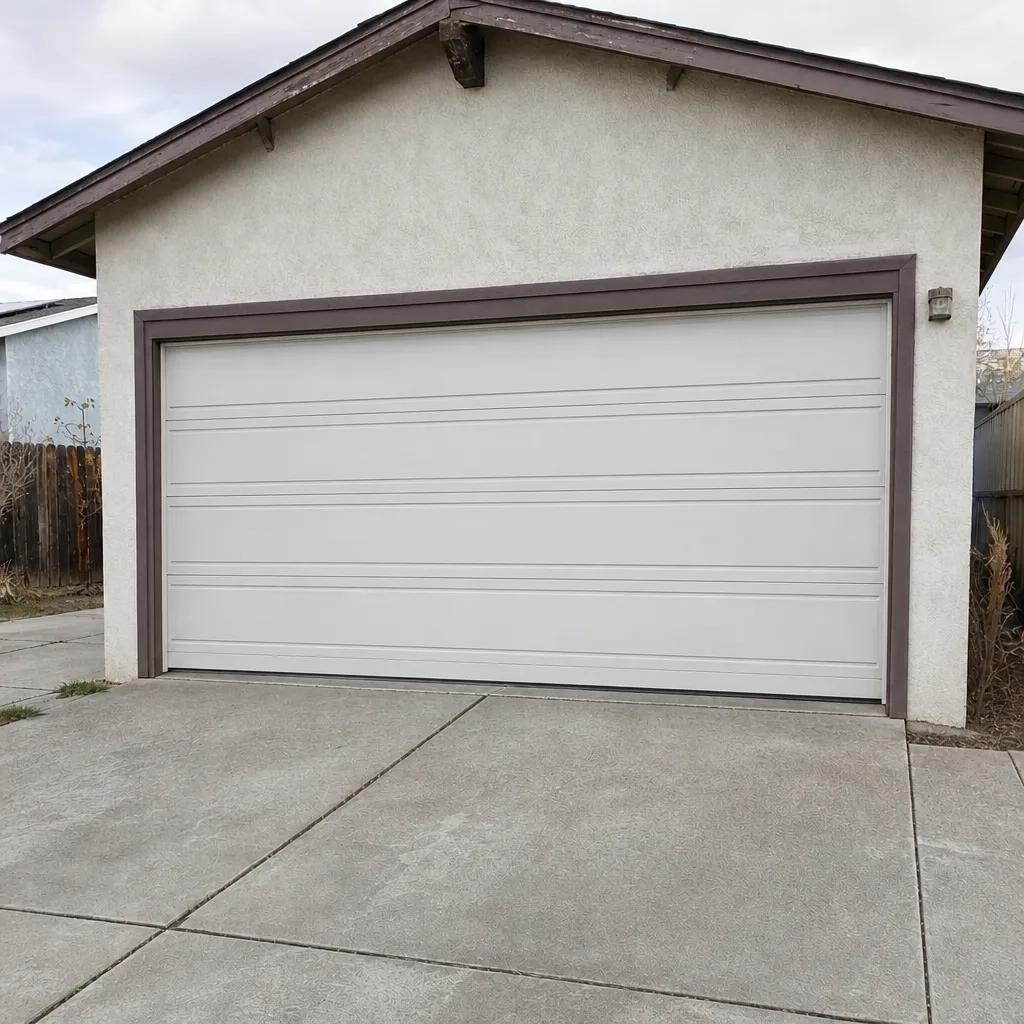 After
When to Call a Professional
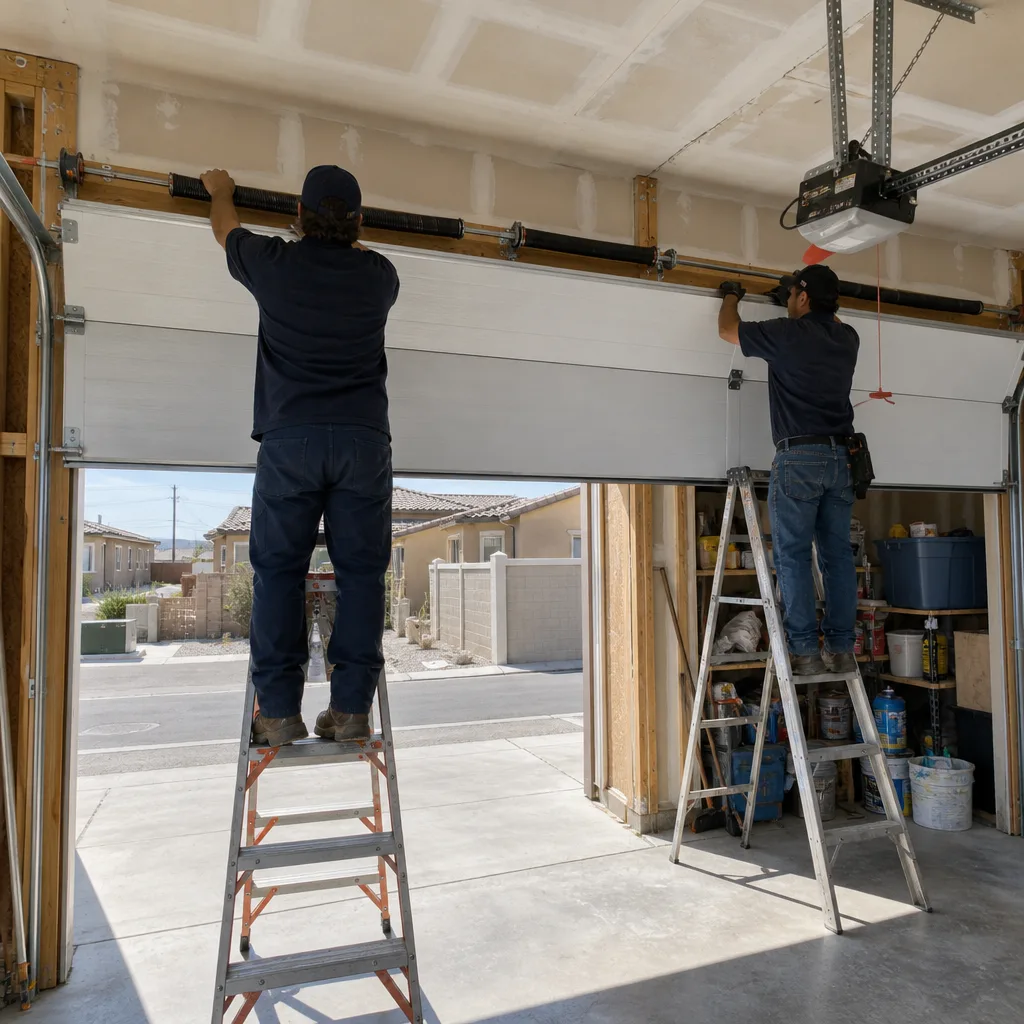
Call a professional today if you see a break in the torsion spring, a frayed or bird-caged cable, a door that requires more than one hand to lift from the closed position, or a door that has come off one or both tracks. These are not “watch and see” failures. Every one of them involves stored energy that can cause serious injury. Also call if the opener runs but the door doesn’t move, if you smell burning from the opener housing, or if the door reverses at random points that aren’t explained by a sensor obstruction.
Servo Garage Doors Winchester offers free estimates in Winchester and written prices before any work starts. Call (855) 517-0284. Live coverage 24/7, including emergency garage door calls, with a named technician and an on-the-way text.
Frequently Asked Questions
Replacing both torsion springs in Winchester typically costs $180 – $340 including labor, and extension spring replacement runs $150 – $280. The price is quoted in writing before any work starts – Clause 1 of The Haven Standard – so the number on the invoice matches the number you agreed to. Call (855) 517-0284 for a free estimate.
Yes. We answer emergency calls 24/7 with a live person, not a recording, and we send a named technician with an on-the-way text. Most Winchester-area spring and cable failures are handled same day. Call (855) 517-0284 and we’ll confirm a window.
No. You approve a written price and written scope before any work begins. If the diagnosis changes what’s needed, you’re told before anyone touches a wrench and the new written price is agreed in writing first. If the price jumps after the work starts, that’s a problem – with us, it doesn’t.
The local professional we connect you with is licensed and insured as the state requires, and we’re independently owned and operated under The Haven Standard. Every technician is background-checked and uniformed on every job. Every visit includes a documented photo record of what was found and what was done, delivered to you before the technician leaves. Call (855) 517-0284 with any questions before booking.
Yes. A broken torsion spring leaves the other half of the coil under tension and the door without lift support. Running the opener against it risks bending panels and tearing the track from the wall. Leave the door down, do not touch the springs, and call. A technician replaces both springs and rebalances the door – typically $180 – $340 in Winchester.
We can narrow it down, but not diagnose it fully without testing. The manual release test you can do yourself – pull the red cord, lift the door by hand – gives us the first useful data point. Tell us what you observe and we’ll tell you honestly whether it’s a same-day issue or something that can wait. Call (855) 517-0284.
The Bottom Line
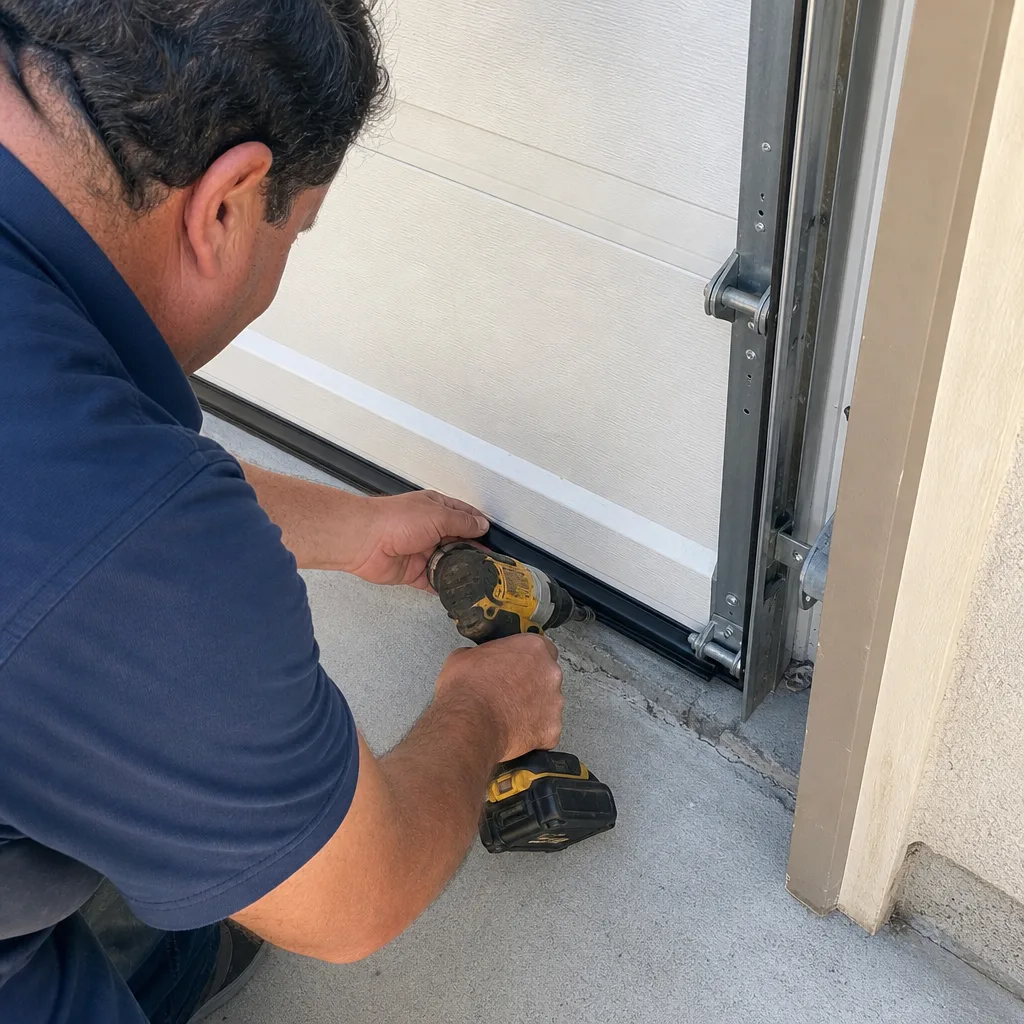
Garage door troubleshooting is a sequence, not a symptom list. Manual release first, cable inspection second, spring check third, opener logic last. The order matters because it eliminates the expensive guesses before you spend a dollar, and it protects you from the two findings – a broken spring under tension and a frayed cable on a drum – that require stopping the door entirely. If the door lifts by hand, the repair is likely $120 – $340 and belongs to the opener. If it doesn’t, it’s mechanical and worth a same-day call. Get the written price before the wrench comes out. That’s the whole standard, and it’s what we designed Clause 1 around.
If you’re in Winchester and not sure which subsystem is failing, Servo Garage Doors Winchester home has the full range of services and the written-price process spelled out. For a broader look at our area work, our main Winchester garage door page covers the service territory and response time.
Call (855) 517-0284 for a free estimate. We’ll photograph the failed component before we quote its replacement, and you’ll leave the visit with a written price, a written scope, and the documentation of what we found. That’s Clause 4 and Clause 1 working together, and it’s how we’ve made more than 18,000 garage doors right.
Written by the team at Servo Garage Doors Winchester.