
Last updated November 18, 2026
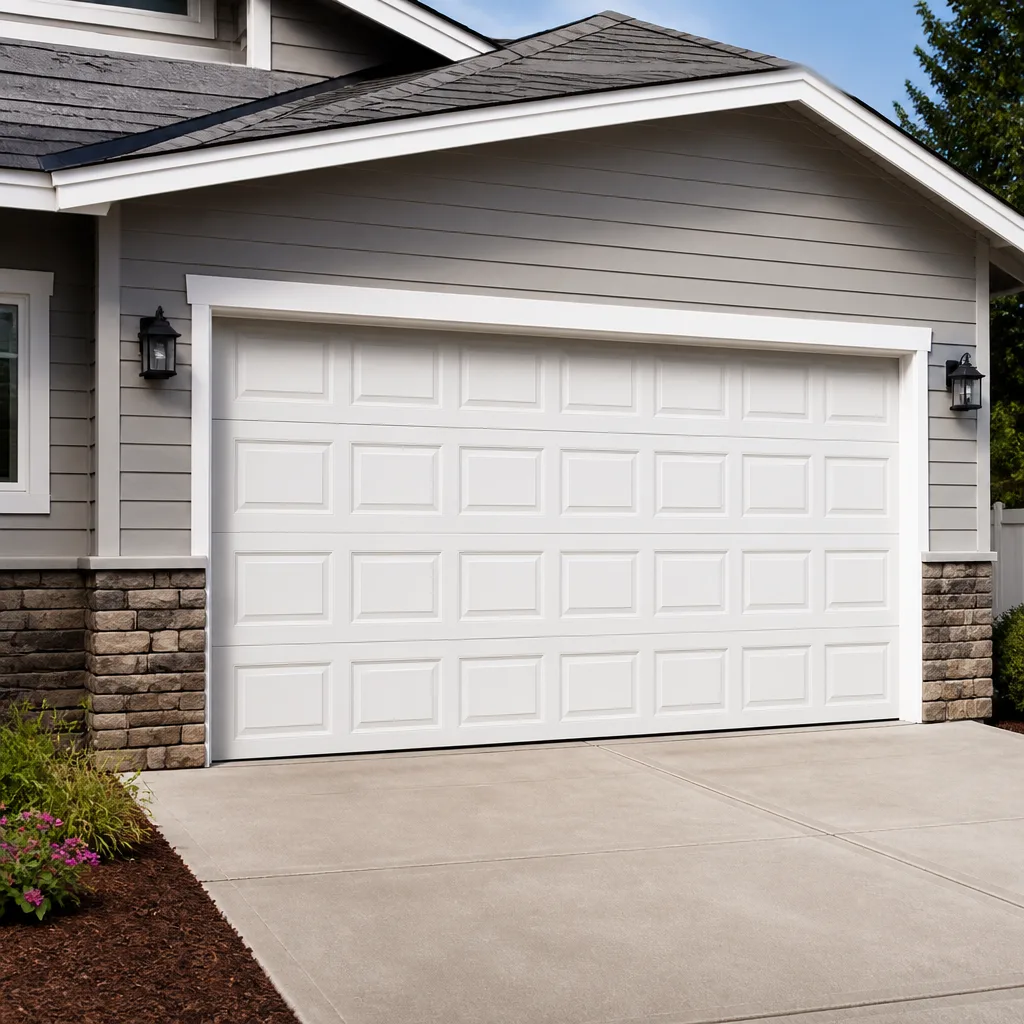 Raised-panel steel
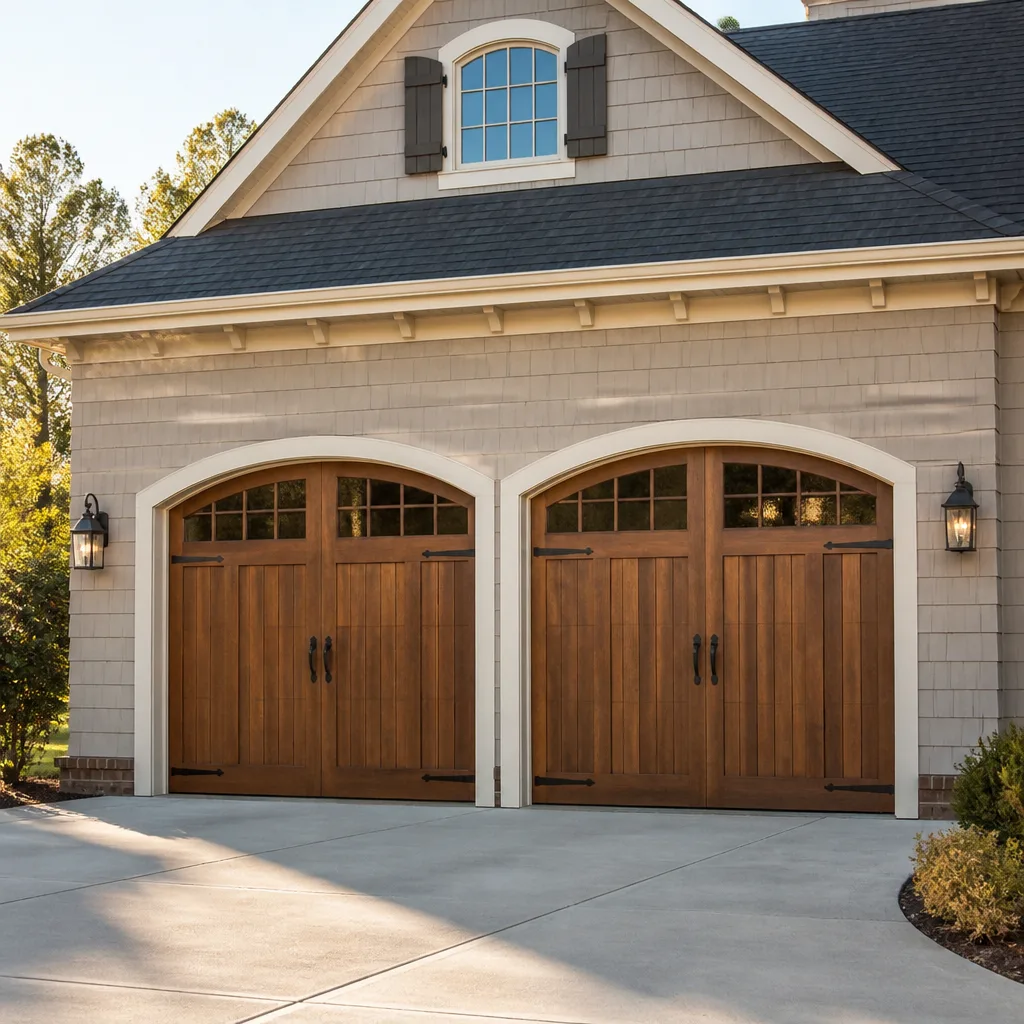 Carriage house
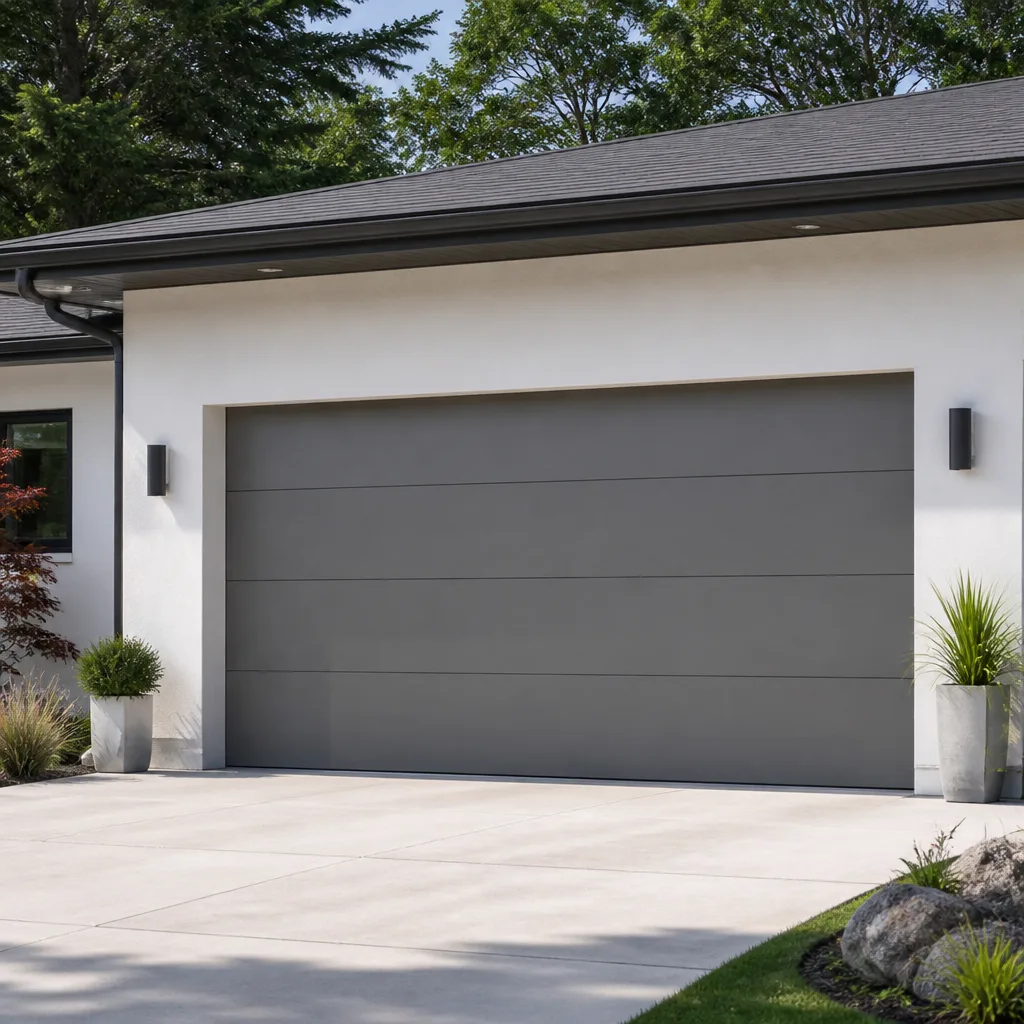 Modern flush
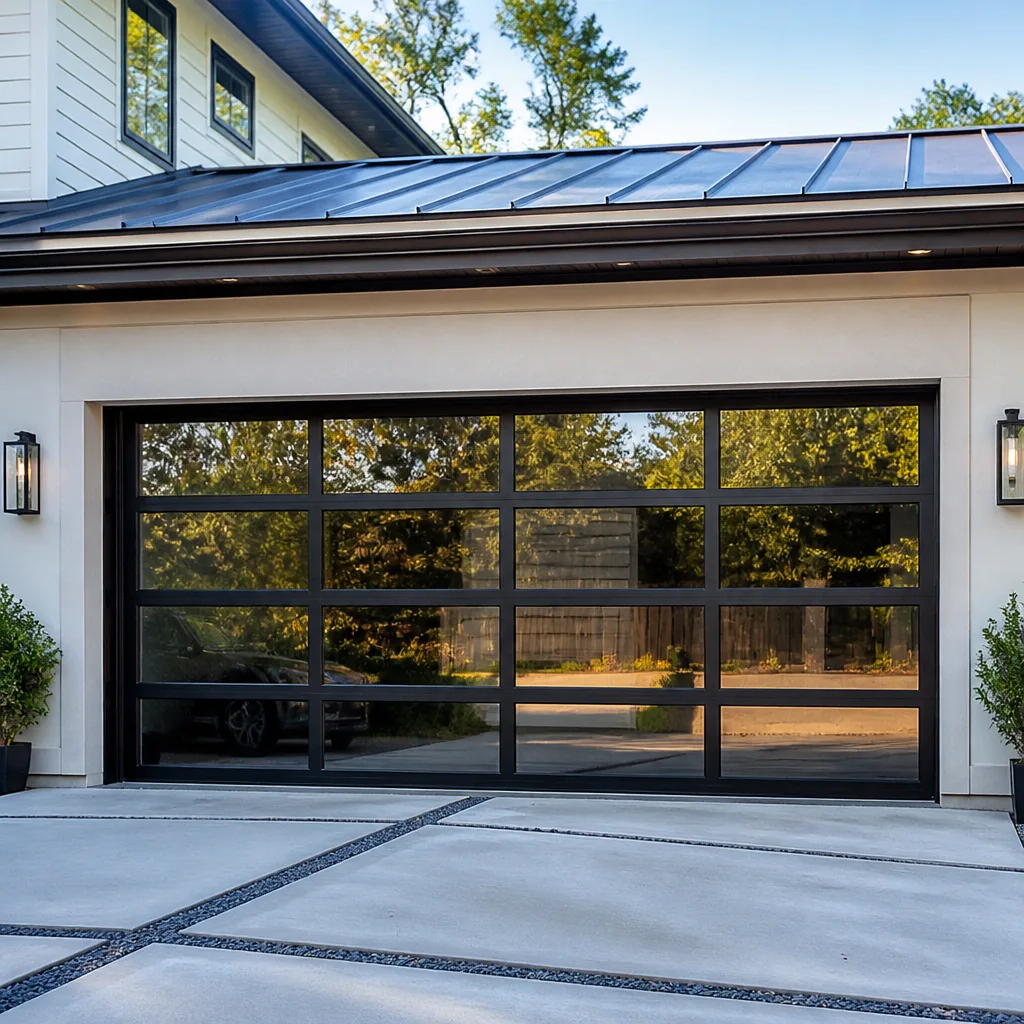 Full-view glass
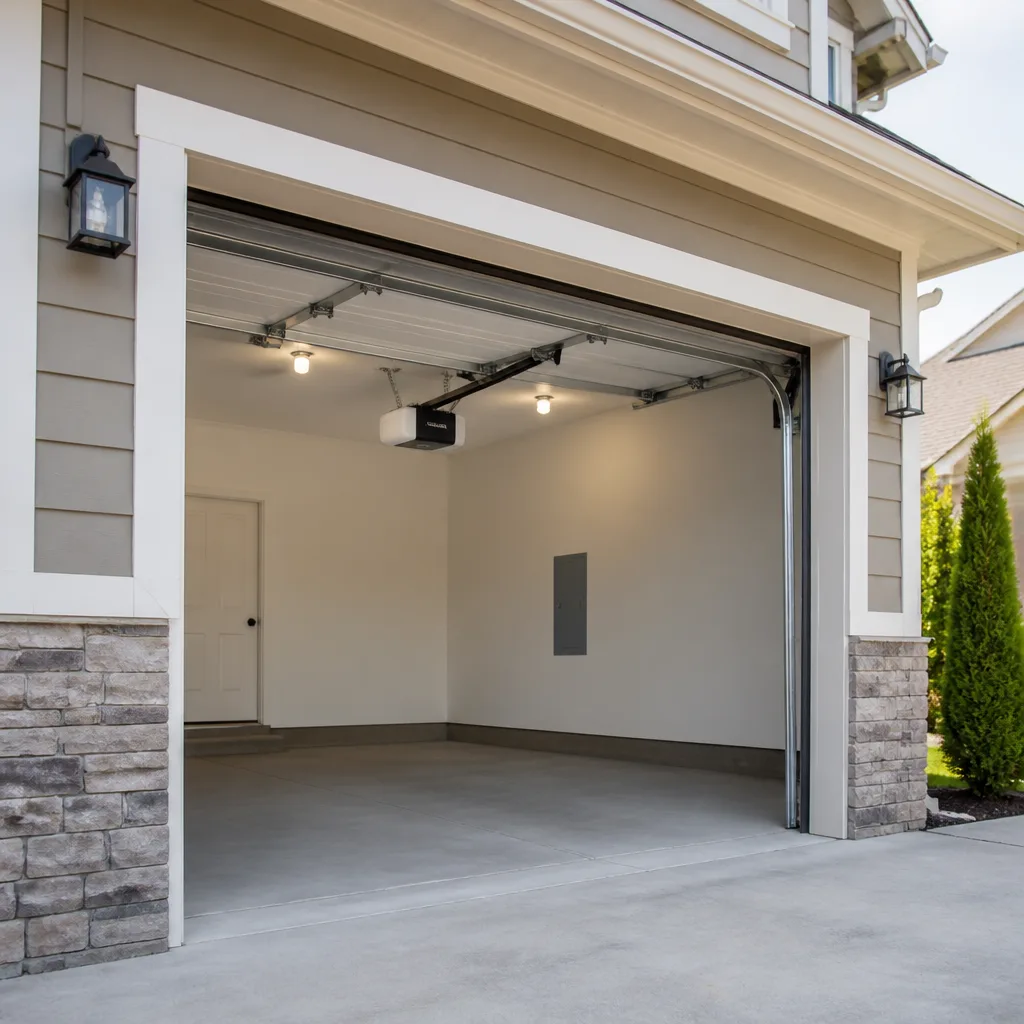 LiftMaster openers
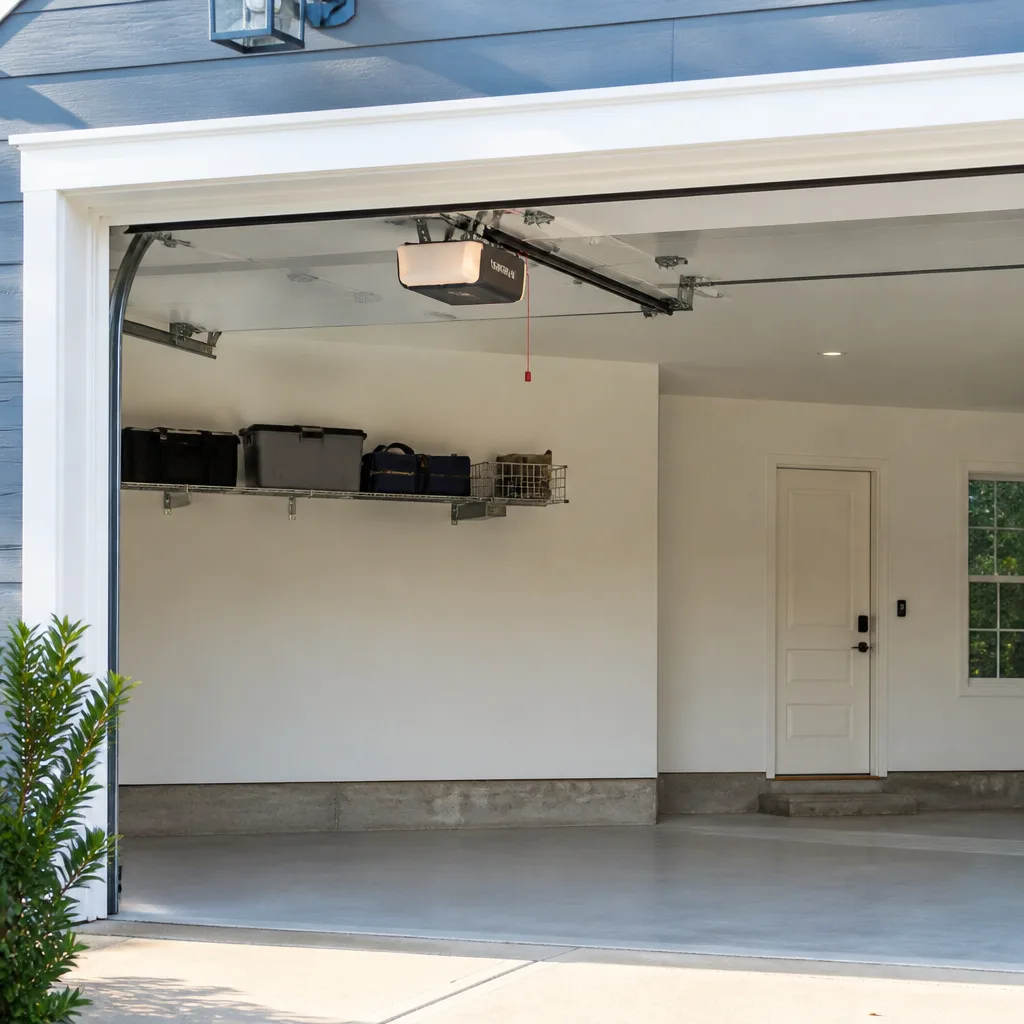 Chamberlain openers
Full 25-point door and opener safety check with every visit - springs, cables, rollers, tracks, and your LiftMaster or Chamberlain opener included
You get a price before we start. It does not change when the pro arrives.
Get your free estimateHow Long Does Garage Door Installation Take? Timelines and What to Expect
Most installers quote “4 to 6 hours” and leave it there. That number covers only the labor on the day the crew shows up, and it’s the shortest part of the whole process. Before a single panel arrives, there’s a site survey, a lead time on materials that runs two to three weeks for custom orders, and a stack of variables that can quietly add days. The installation clock starts weeks earlier than most homeowners expect. In this guide, we break the full timeline into four phases, explain what stretches each one, and show you how to tell whether a quoted timeline is real before you sign anything. We’ll use Winchester examples throughout, because the housing stock here shapes the schedule as much as anything else.
Quick Answer
Garage door installation in Winchester usually takes 3 to 5 hours of on-site labor for a single-car door and 5 to 8 hours for a double-car door, done in one day. The full timeline from first call to finished door runs two to four weeks, because a pre-installation site survey and a materials lead time come before the install crew ever arrives. Custom panel orders and any needed framing repair are the two biggest sources of delay, not the installation itself.
Styles & brands we work with
- Raised-panel steel
- Carriage house
- Modern flush
- Full-view glass
- LiftMaster openers
- Chamberlain openers
Table of Contents
- The Four Phases of a Garage Door Installation
- Phase 1: The Site Survey (Where Most Timelines Are Won or Lost)
- Phase 2: Ordering and Lead Time
- Phase 3: Day-of Installation Labor
- Single-Car vs. Double-Car Timelines
- What Actually Extends the Day-of Labor
- Phase 4: Post-Install Alignment and Handoff
- What a Real Pre-Installation Checklist Itemizes
- The One Question That Predicts a Reliable Timeline
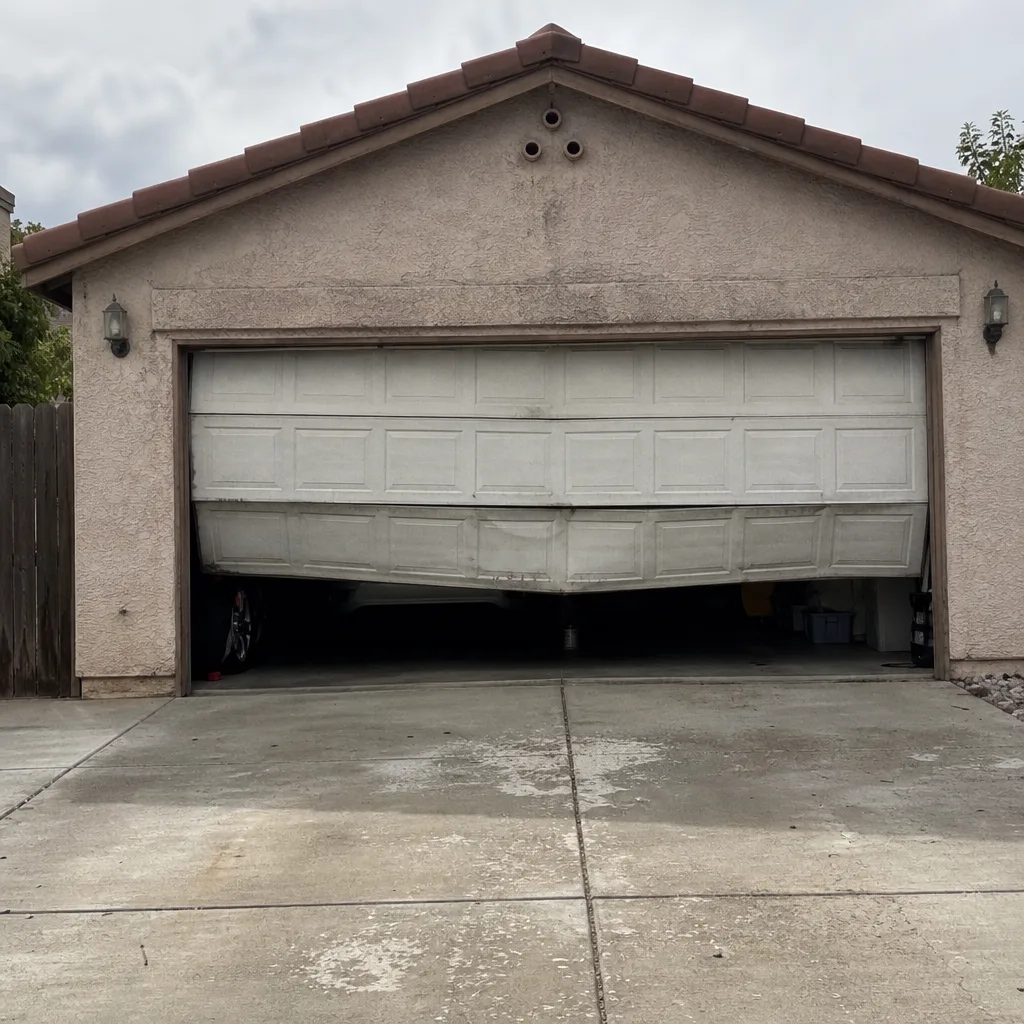 Before
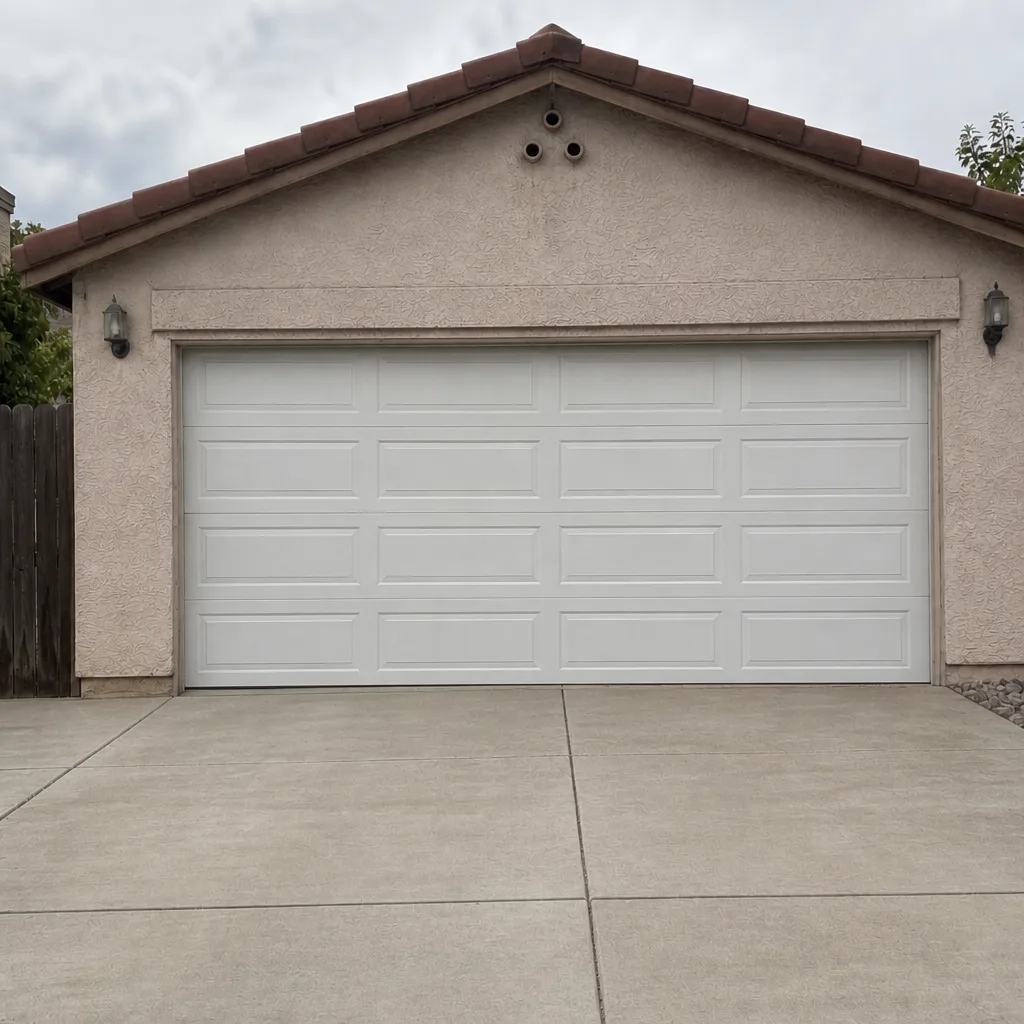 After
The Four Phases of a Garage Door Installation
Nearly every guide you’ll read collapses the entire job into “installation time.” That’s the mistake. A garage door installation is four separate phases, and only one of them is the crew on a ladder. Once you see the phases as distinct, you can plan around the real delays instead of the imaginary ones.
- Site survey. A technician measures the opening, checks the header, examines the framing, and photographs the conditions. This typically takes 15 to 30 minutes but determines everything that follows.
- Ordering and lead time. Standard sizes can move fast; custom panels, nonstandard colors, and certain window inserts have to be fabricated. This is where the two-to-three-week number comes from.
- Day-of installation. The actual removal of the old door, anchoring, and assembly. Three to five hours for single-car, five to eight for double-car.
- Post-install alignment and handoff. Balancing the door, setting travel limits, testing the safety reverse, and walking the homeowner through the documentation.
In our experience across Winchester, the phase that blows timelines is almost never phase three. It’s phase one. A survey that skipped a measurement turns into a surprise on install day, and that surprise is measured in days, not hours. If you want the full scope of what the service includes, our Garage Door Installation in Winchester page lays out the process from survey to handoff.
Phase 1: The Site Survey (Where Most Timelines Are Won or Lost)
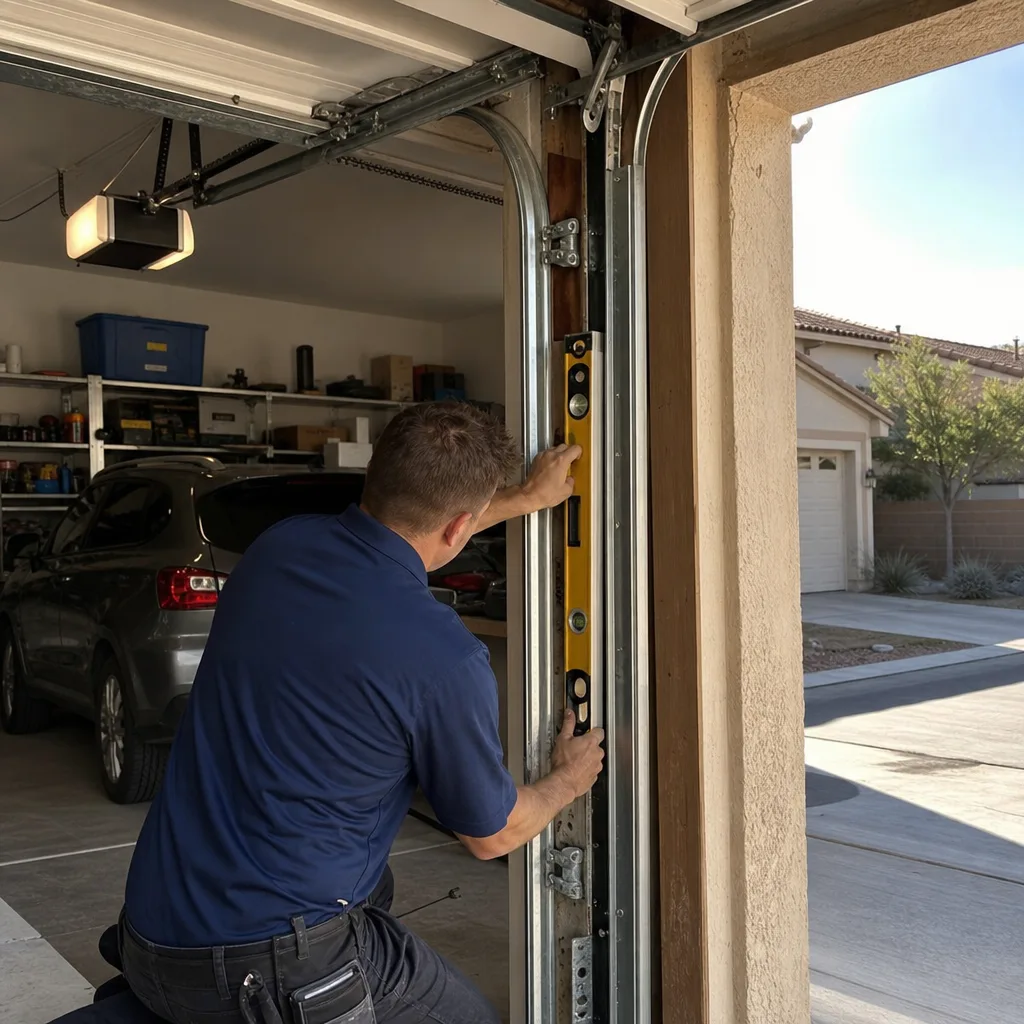
The site survey is a 15-minute appointment that most installers treat as a formality. It isn’t. It’s the step that decides whether the whole job runs on schedule or stalls. A real survey measures the rough opening with a tape and records it, checks the header height, evaluates how level the floor is, and looks at the side room on both sides of the opening. If any one of those numbers is off and nobody caught it, the crew finds out when the new door won’t fit.
Winchester’s housing stock makes this matter more than in newer metros. A lot of the homes around the older neighborhoods near downtown were built to tolerances that drifted over decades, and garage openings that were “close enough” in 1990 aren’t square today. A door built for a nominal 9-foot opening that actually measures 8-foot-10 will not seat correctly, and the fix is a reorder, which restarts the lead time. That’s the difference between a one-day job and a three-week one.
What a proper survey captures:
- Actual rough opening width and height, measured, not assumed from the nominal size.
- Header height and header condition, since a sagging header has to be addressed before the door goes up.
- Floor levelness at the opening. Tracks need a true reference line.
- Side room on both sides for track mounting.
- Photographs of all of the above, so the quote is written against real conditions.
If an installer quoted you over the phone without ever standing in your garage, the timeline they gave you is a guess. It may be a good guess. It isn’t a measurement.
Phase 2: Ordering and Lead Time
Here’s the phase that surprises homeowners most. After the survey, the door has to be ordered, and depending on what you picked, that order has a lead time. A standard-size steel door in a common color can often be sourced quickly. A custom width, a specific Clopay or Amarr panel profile in a nonstandard color, or window inserts with a particular glass pattern all have to be fabricated to your measurements, and that fabrication window typically runs two to three weeks.
This is not an upcharge tactic or a stalling move. It’s how the supply chain works. The door you ordered is being built to fit your opening. In Winchester, where a lot of the custom orders come from homes with wider-than-standard double bays, that lead time is the real constraint on the calendar, not the crew’s availability.
Two things shorten the wait:
- Standard sizing and a stock color. If your opening measures to a standard size and you’re flexible on finish, options from major brands like Wayne Dalton or Genie-compatible setups (for the opener) are often available with a much shorter window.
- A survey you can trust before you order. The fastest way to blow a two-week lead time is to order against the wrong measurements and reorder.
When we quote an installation, the written price and written scope come before any work starts, and the scope names the lead time you can expect. “Call for a quote” isn’t how this works. The number and the schedule are on the paper.
Phase 3: Day-of Installation Labor
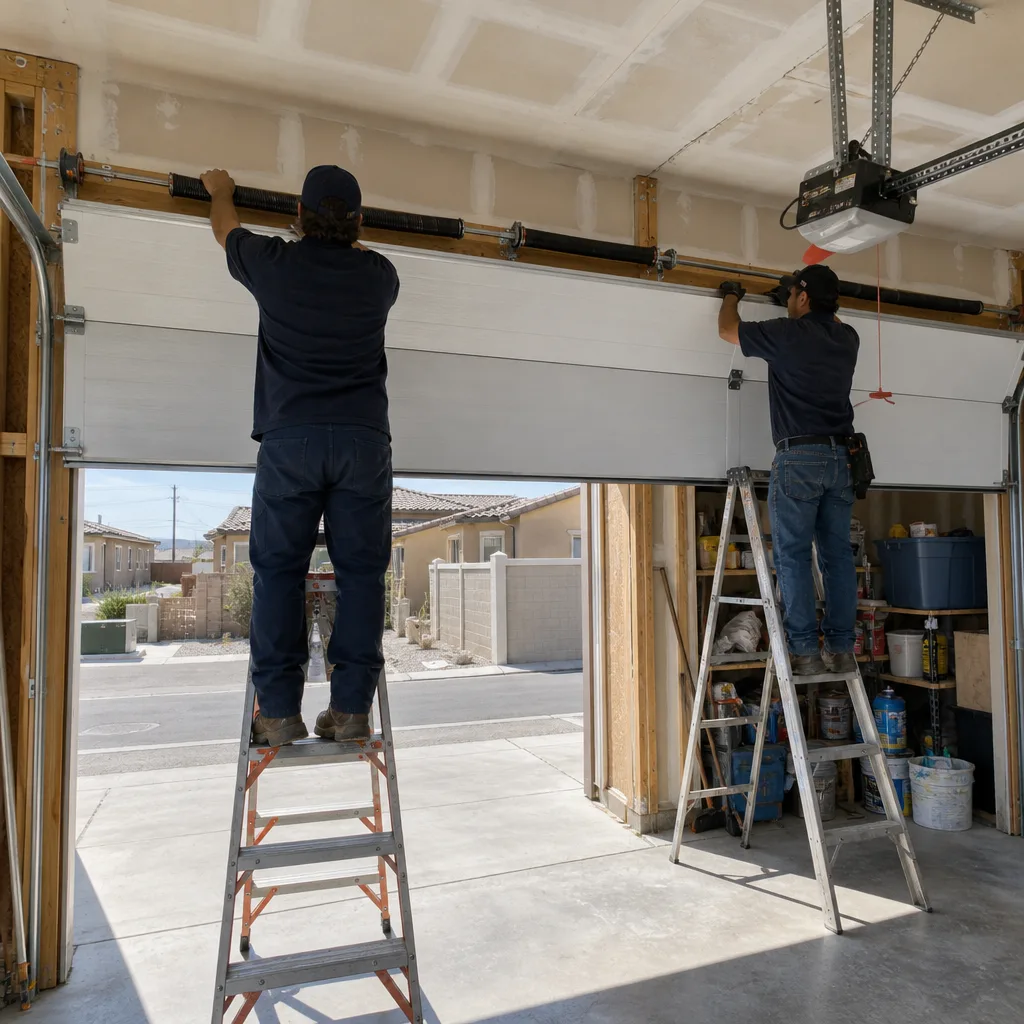
Now the part everyone quotes. On installation day, the crew removes the old door and hardware, preps the opening, anchors the new tracks, hangs the panels, and sets the springs and cables. The 3-to-5-hour figure for a single-car door and the 5-to-8-hour figure for a double-car door are realistic, but they assume the survey was accurate and the opening needs no repair.
The day-of sequence, in order:
- Remove and dispose of the old door, panels, tracks, and hardware.
- Prep the opening: check the framing, address any damaged material, and confirm the header.
- Anchor the vertical and horizontal tracks to the framing and concrete, which requires drilling and setting anchors correctly.
- Stack the new panels, then install the torsion springs, cables, and drums.
- Mount the opener if one is part of the job, and wire the safety sensors.
- Balance and test: set the travel limits, adjust spring tension, and verify the safety reverse engages.
One safety note that applies here without exception: torsion springs under load store enough energy to cause serious injury, and track anchoring and spring winding are not homeowner tasks. A real installer wears the right equipment and knows the winding procedure. If anything about your door’s springs or cables looks wrong mid-project, stop and let a trained professional handle it. The same caution applies to opener wiring and anything involving the electrical connection.
Single-Car vs. Double-Car Timelines
The numbers people quote (3 to 5 hours single, 5 to 8 hours double) are accurate, but the reasons behind them are more useful than the numbers. A double-car door isn’t just “more door.” It’s a different set of mechanical loads and anchoring demands.
A double-car door is heavier, which means the spring system has to be rated higher and the torsion assembly is more involved to wind and balance. It’s wider, which makes floor levelness and track alignment more sensitive, since a small deviation compounds over a longer span. It has more panels to stack and square. And it often carries more hardware: two to four more hinges, extra rollers, and a heavier opener or dual-opener setup if the bay is oversized. Each of those adds minutes, and they add up to two to three extra hours.
In our experience around Winchester, the double-car jobs that run over eight hours almost always had a floor or header issue the survey should have caught. When the survey is right, an experienced crew (ours run up to 11 years of experience) generally finishes a double-car install inside the standard window. Our Garage Door Repair in Winchester team handles the same variables on the repair side, so we know exactly where the time hides.
What Actually Extends the Day-of Labor
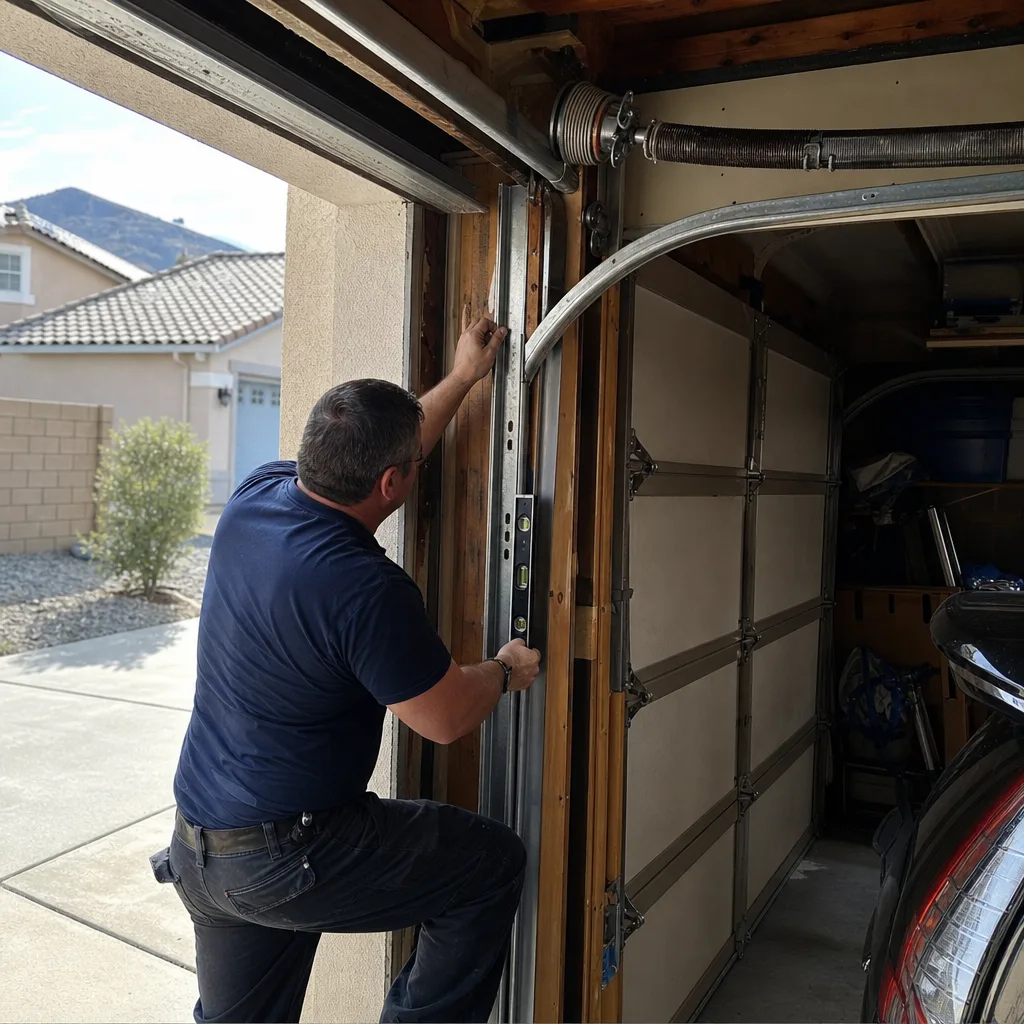
Four variables account for nearly every install that runs long. If you understand them, you can predict a schedule risk before install day.
- Header height nonconformance. If the header sits lower than the standard allowance, the new door may not clear or the opener rail won’t fit as planned. Fixing it means carpentry, which isn’t installation labor and isn’t scheduled as such.
- Existing framing damage. Rotted or split jambs where the tracks anchor have to be repaired before anchoring. A track bolted to soft wood will drift, and the door will bind.
- Concrete anchoring for the tracks. The floor anchors at the base of each track have to be drilled and set into concrete. Old or crumbly slabs, or slabs that aren’t level, add time to set a true reference.
- Old door disposal. A heavy old wood door or one with a broken spring can take longer to remove and haul than expected. This is scheduled work, and skipping it on the quote is a red flag.
None of these are dealbreakers. They’re line items. The problem is when they show up unannounced on install day, because now the crew is improvising and the schedule slips. A survey that photographed the header, the side rooms, and the floor levelness is the difference between a known quantity and a surprise.
Phase 4: Post-Install Alignment and Handoff
The install isn’t done when the last panel goes up. The final phase is what makes the door safe and quiet for the next decade, and it’s the part rushed crews skip.
Alignment and handoff include:
- Balancing the door: releasing it at mid-travel to confirm it holds position without drifting.
- Setting travel limits on the opener so the door opens and closes fully without straining.
- Testing the safety reverse: the door must reverse when it meets an obstruction, and the photoelectric sensors must be aligned and functional.
- Lubricating rollers, hinges, and the spring assembly.
- Walking the homeowner through the documentation: the written scope, the warranty terms, and the photo record of what was found and what was done.
This phase typically adds 15 to 30 minutes and is where the 365-Day Done Right Promise either holds or doesn’t. If something isn’t right, it gets made right, and that commitment is the reason the handoff includes documentation instead of a verbal “you’re all set.”
What a Real Pre-Installation Checklist Itemizes
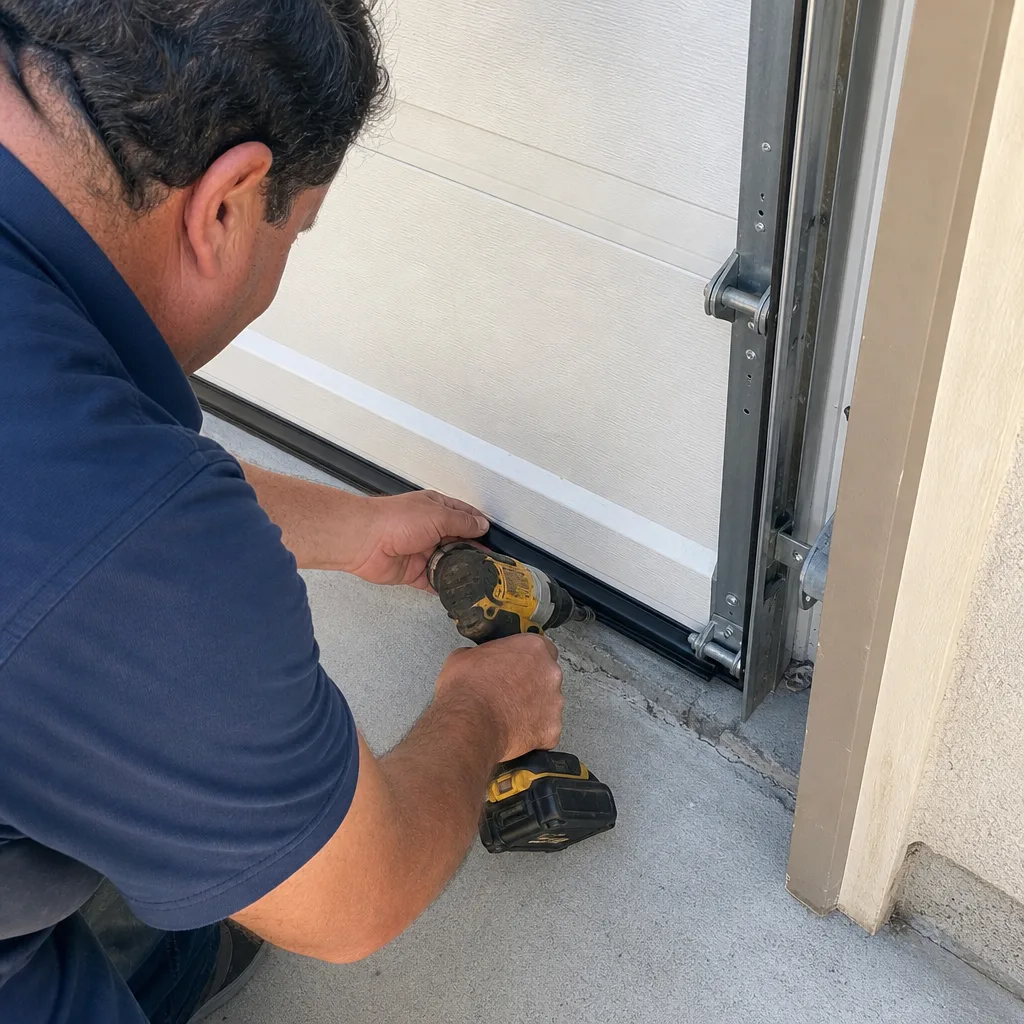
You should be able to ask for the survey checklist and see actual entries, not a form with checkmarks. Here’s what a legitimate pre-installation survey should record so you can verify it was done.
- Measured rough opening in inches, not the nominal size, plus the intended door size.
- Header height and condition, with a note on any deviation from standard and what it means for the door.
- Floor levelness at the opening, and whether the slab is sound enough for track anchors.
- Side room measurements on both sides for track mounting.
- Photographs of the header, both side rooms, the floor, and the existing door.
- The proposed door model, brand, and finish, with the lead time named.
- Any repair scope (framing, header, concrete) called out as separate line items.
- The installation day sequence and the estimated labor range.
Notice the checklist depends on photographs. That’s not a preference, it’s a founding rule: the technician photographs the failed or measured component before quoting a replacement. Clause 4 of The Haven Standard exists so the customer sees the condition before anyone prices the fix. If an installer can’t produce those photos, the survey was incomplete.
The One Question That Predicts a Reliable Timeline
There’s a single question that tells you whether a quoted timeline is grounded in reality or pulled from a script: “Did you photograph the header, the side rooms, and the floor levelness before writing this quote?”
An installer who did a real survey can show you those photos. They can tell you the measured rough opening to the inch, whether the header is square, and whether the floor will take a track anchor cleanly. They can name the lead time on the specific door they quoted and explain why. An installer who didn’t do the survey will give you a smooth answer and a round-number timeline, and the gap between that answer and reality is exactly where blown schedules live. You can pair that question with our Garage Door Opener Repair & Installation in Winchester process, since the opener is part of the same measured scope.
Common Mistakes to Avoid
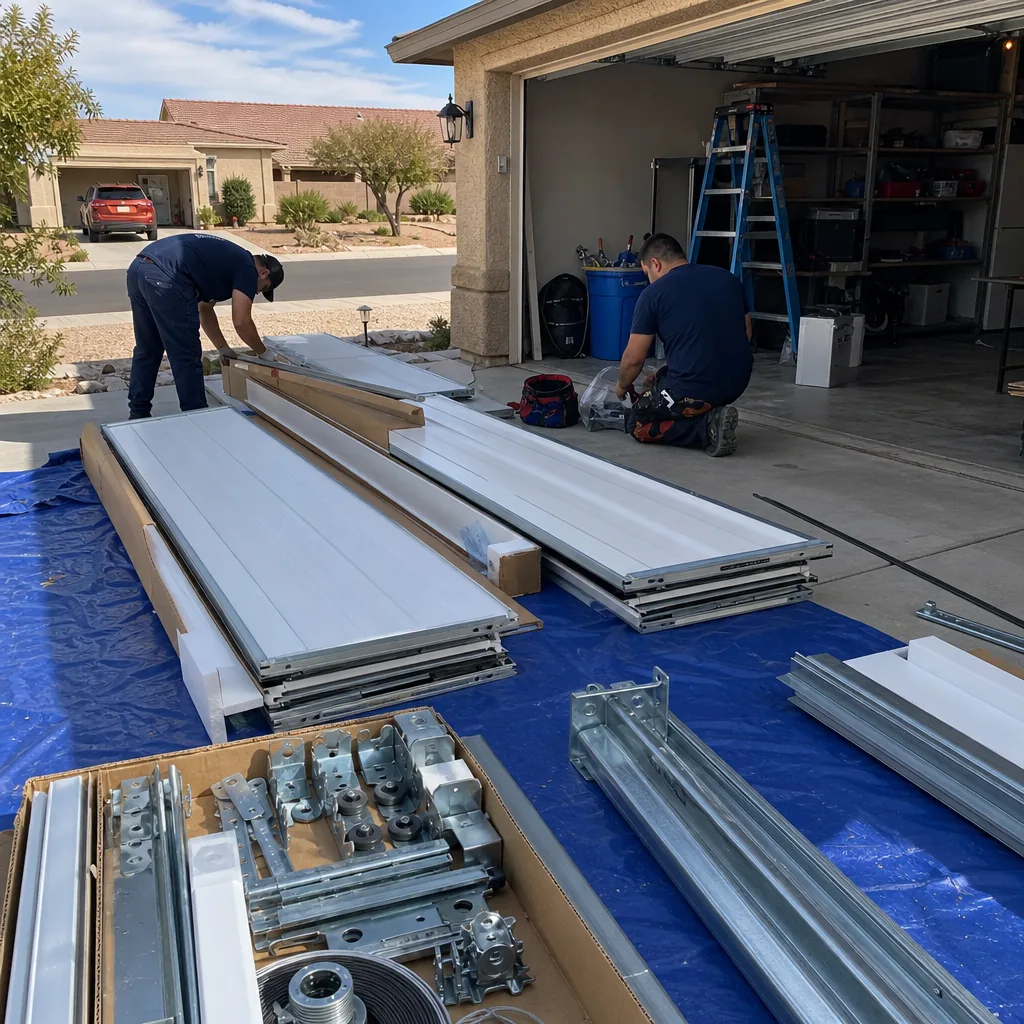
- Accepting a phone quote as a schedule. A timeline given without a site survey is a guess. In Winchester homes with older framing, that guess is wrong often enough to matter.
- Ordering against a nominal size. Ordering a “standard” door before measuring the actual opening is the fastest way to restart the two-to-three-week lead time.
- Ignoring a sagging header. A header that isn’t addressed will throw the door and the opener off-line, and it gets discovered on install day, not before.
- Assuming the old door comes out for free. Disposal is real labor. A quote that skips it hasn’t priced the job, and the bill appears later.
- Letting the crew skip the safety reverse test. The door must reverse on obstruction. Testing it is not optional, and it’s easy to verify yourself.
- Paying before the documentation is handed over. You should receive a written scope, the warranty terms, and a photo record of what was found and done. Ask for them.
- Not getting a second opinion on a surprise number. If a quote arrives with an unexpected cost, compare it. Our Free Second Opinion applies to any written estimate you bring in, no coupon needed.
See the difference
BeforeAfter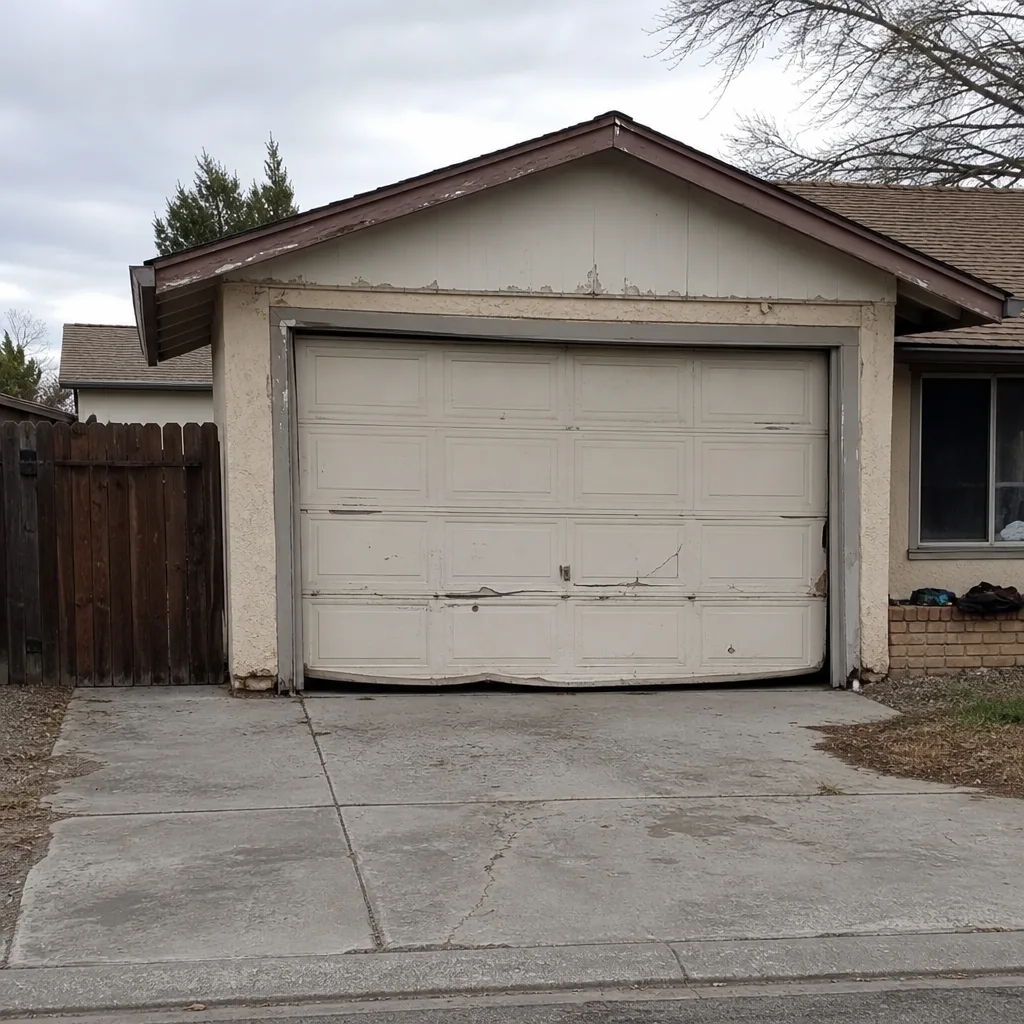 Before
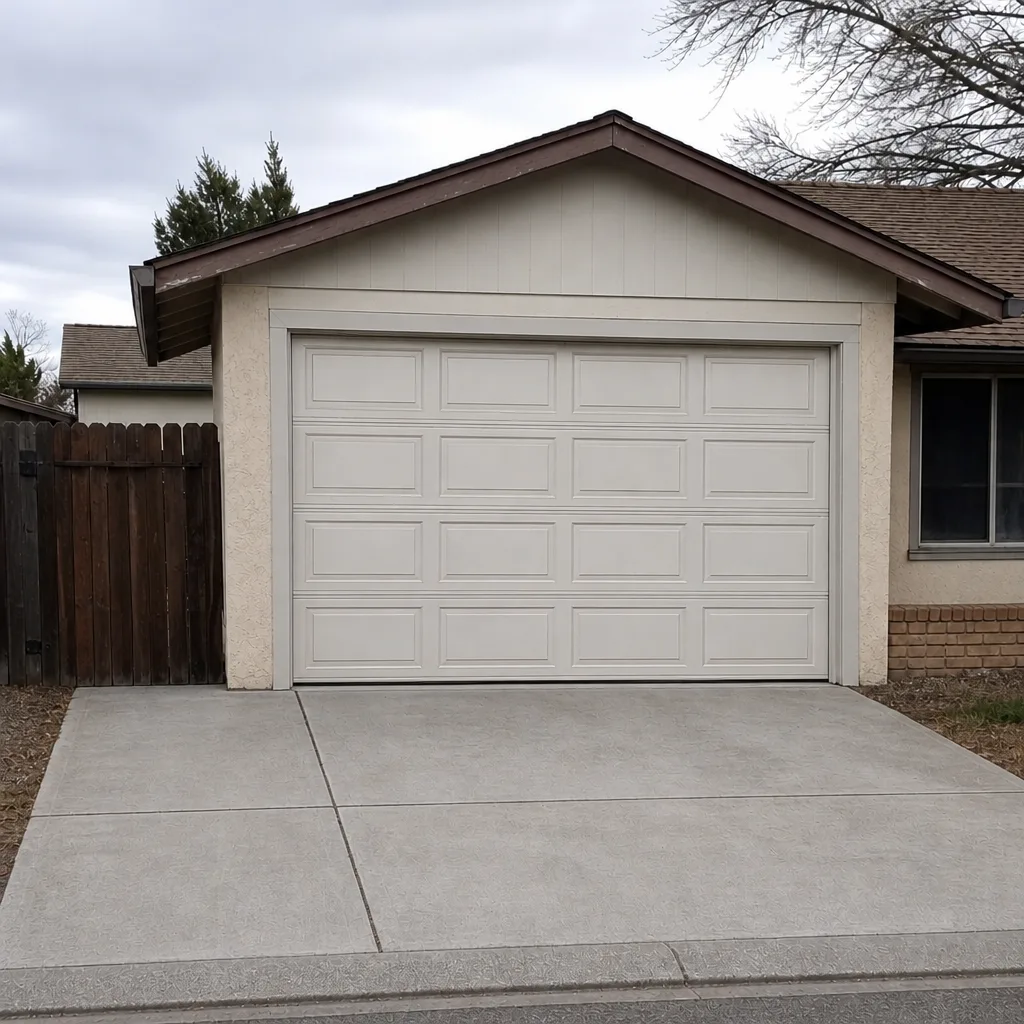 After
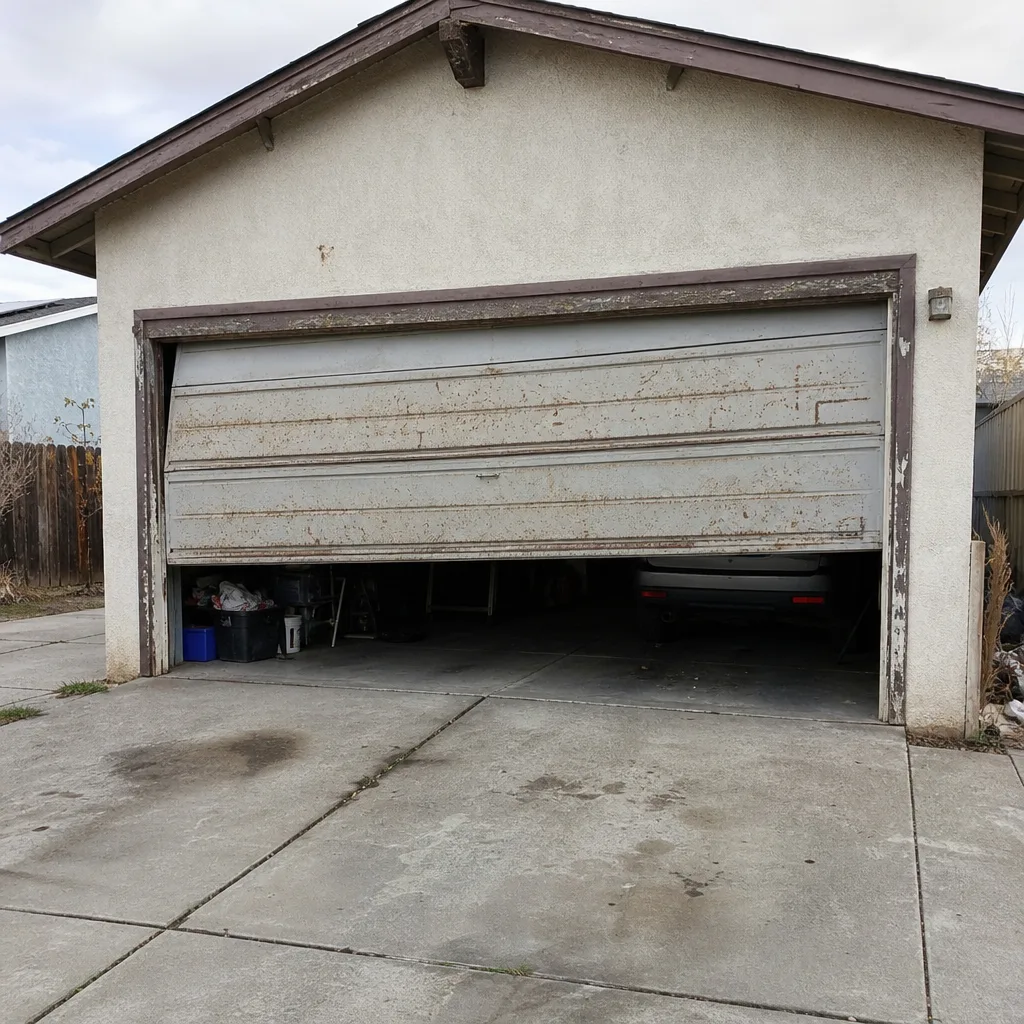 Before
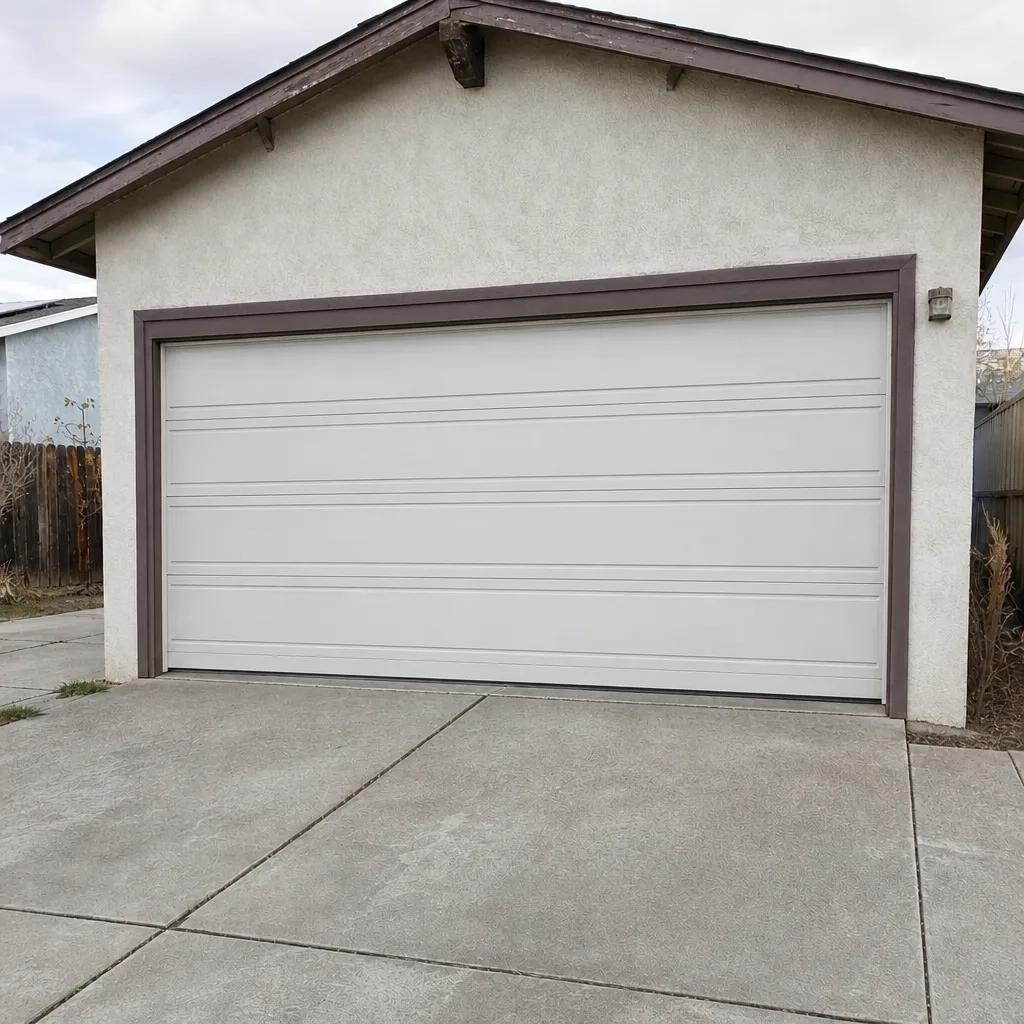 After
When to Call a Professional
Call a professional if your existing door has a broken spring or a frayed cable (never wind or cut a loaded torsion spring yourself), if the header looks sagged or the framing is soft, if the existing opener is wired in a way you don’t recognize, or if your survey turned up anything you can’t verify. And if a quoted timeline already slipped because a measurement was wrong, that’s a call worth making before the next order. Servo Garage Doors Winchester offers free estimates in Winchester. Call (855) 517-0284, and you’ll reach a live person, day or night. Our technicians have up to 11 years of experience, and every job carries a flat, written price before any work starts.
Frequently Asked Questions
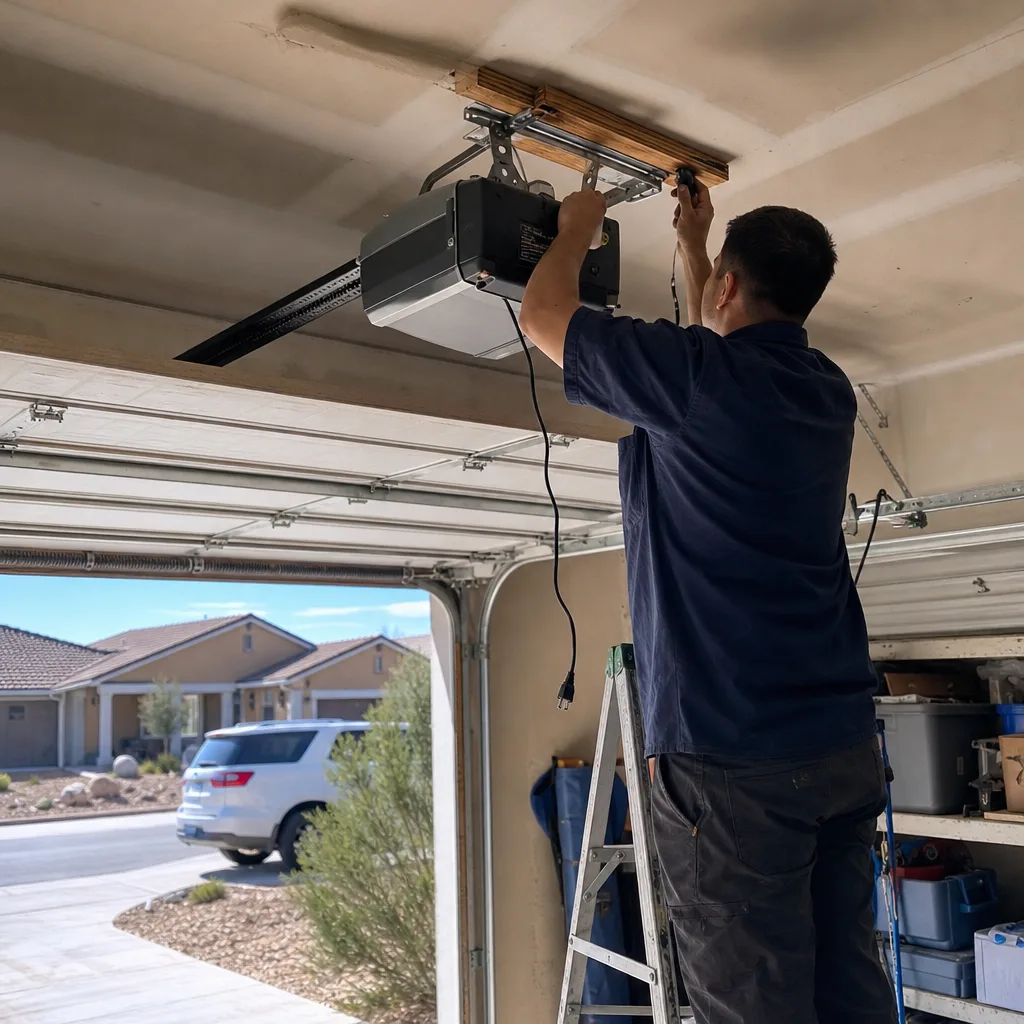
On-site labor runs 3 to 5 hours for a single-car door and 5 to 8 hours for a double-car door, done in one day. The full timeline from first call to finished door is typically two to four weeks, because the site survey and a materials lead time come first. The labor is the short part.
A custom door is fabricated to your measured opening, so it can’t ship from stock. Standard sizes and common finishes move faster, but a nonstandard width, a specific Clopay or Amarr panel profile, or window inserts in a particular glass pattern have to be built, and that build window is where the weeks go.
No. Installation isn’t a repair, and it isn’t scheduled same-day. The process requires a site survey, a door order, and a fabrication lead time before the crew can schedule the install. What we can do is give you a real written price and a real schedule based on your measured opening.
The written price and written scope are delivered before any work starts, and they don’t change after the fact. That’s Clause 1 of The Haven Standard. If the survey finds something that changes the scope, like a damaged header, it gets added as a line item before you approve it, not after.
A shorter timeline is only better if it’s grounded in a real survey. Ask any installer for the photographs of the header, side rooms, and floor levelness that went into their quote. If they can’t produce them, the timeline is a guess. You can bring that written estimate to us for a free second opinion and we’ll compare it side by side.
The local professional who performs the work is licensed and insured as Nevada requires, and we only connect you with vetted local pros. Every visit includes a documented photo record of what was found and what was done, and the team stands behind the work with the 365-Day Done Right Promise. Call (855) 517-0284 for an exact quote; estimates are free.
The Bottom Line
The garage door installation timeline isn’t 4 to 6 hours. It’s two to four weeks, and the labor day is the shortest part. The four phases break down cleanly: a 15-to-30-minute site survey, a two-to-three-week fabrication lead time, a 3-to-5-hour single-car or 5-to-8-hour double-car install day, and a final alignment and handoff. The single question that predicts whether a quote is reliable is whether the installer photographed the header, side rooms, and floor levelness before writing it. In Winchester, where older framing and nonstandard openings are common, that question separates a real schedule from a guess. For a flat written price and a schedule based on a real survey, our Servo Garage Doors Winchester home page is the place to start.
Ready to get a real timeline instead of a round number? Call Servo Garage Doors Winchester at (855) 517-0284 for a free estimate. We’ll survey the opening, quote a written price, and tell you the lead time on the actual door before you commit to anything.
Written by the team at Servo Garage Doors Winchester.