
Last updated November 18, 2026
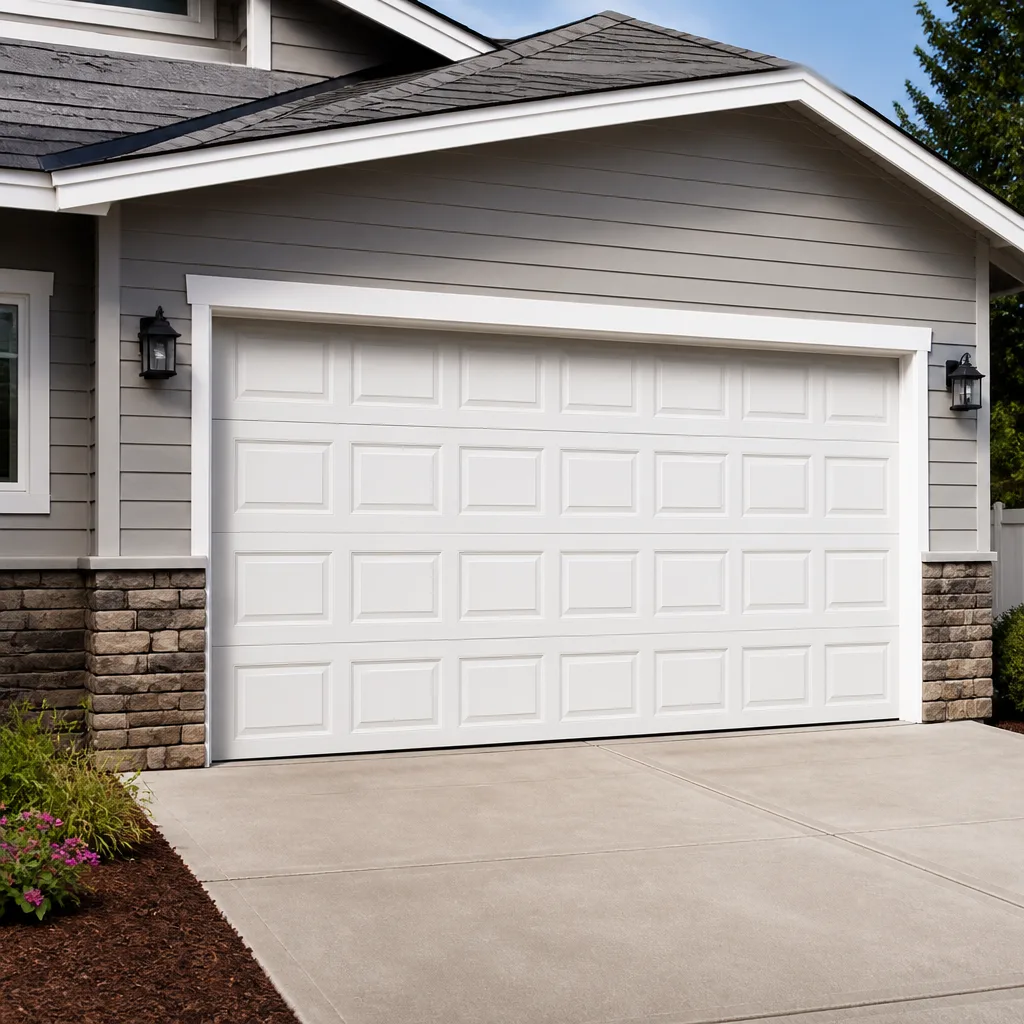 Raised-panel steel
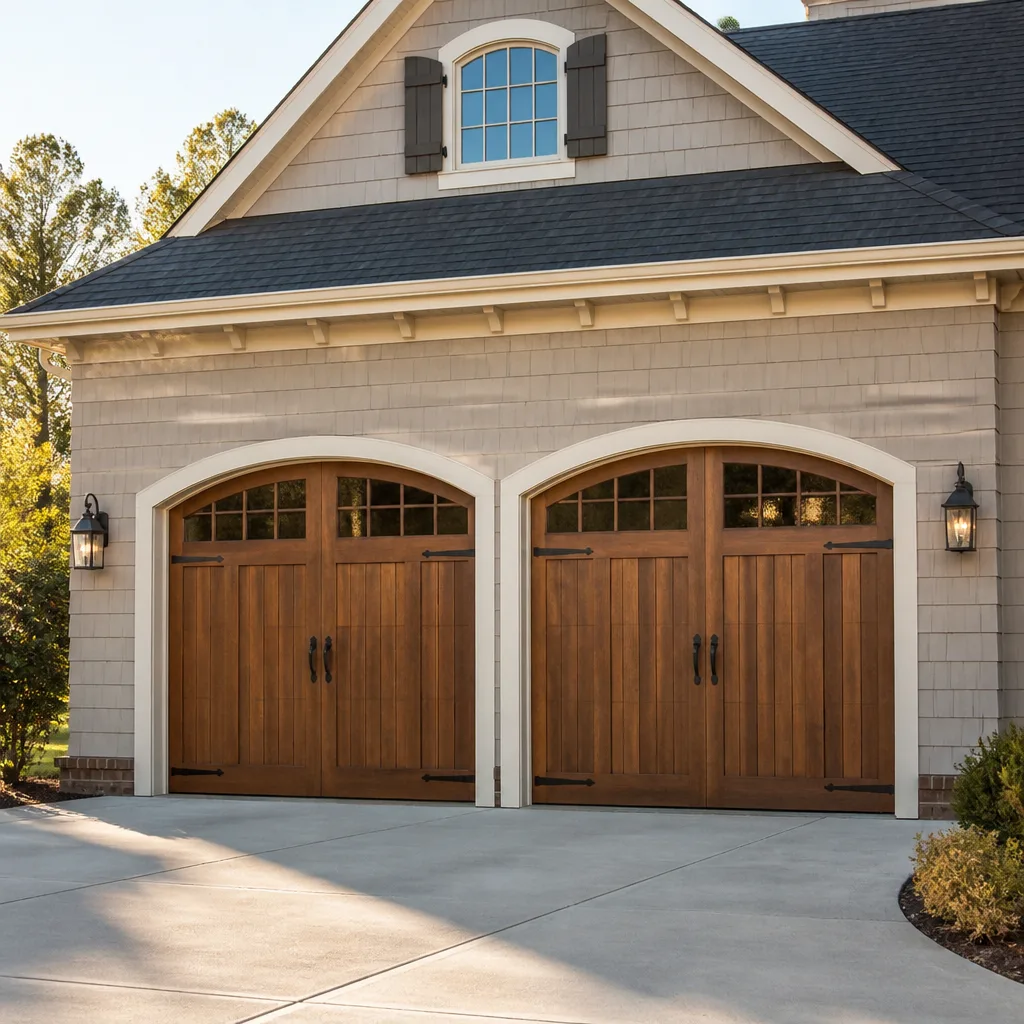 Carriage house
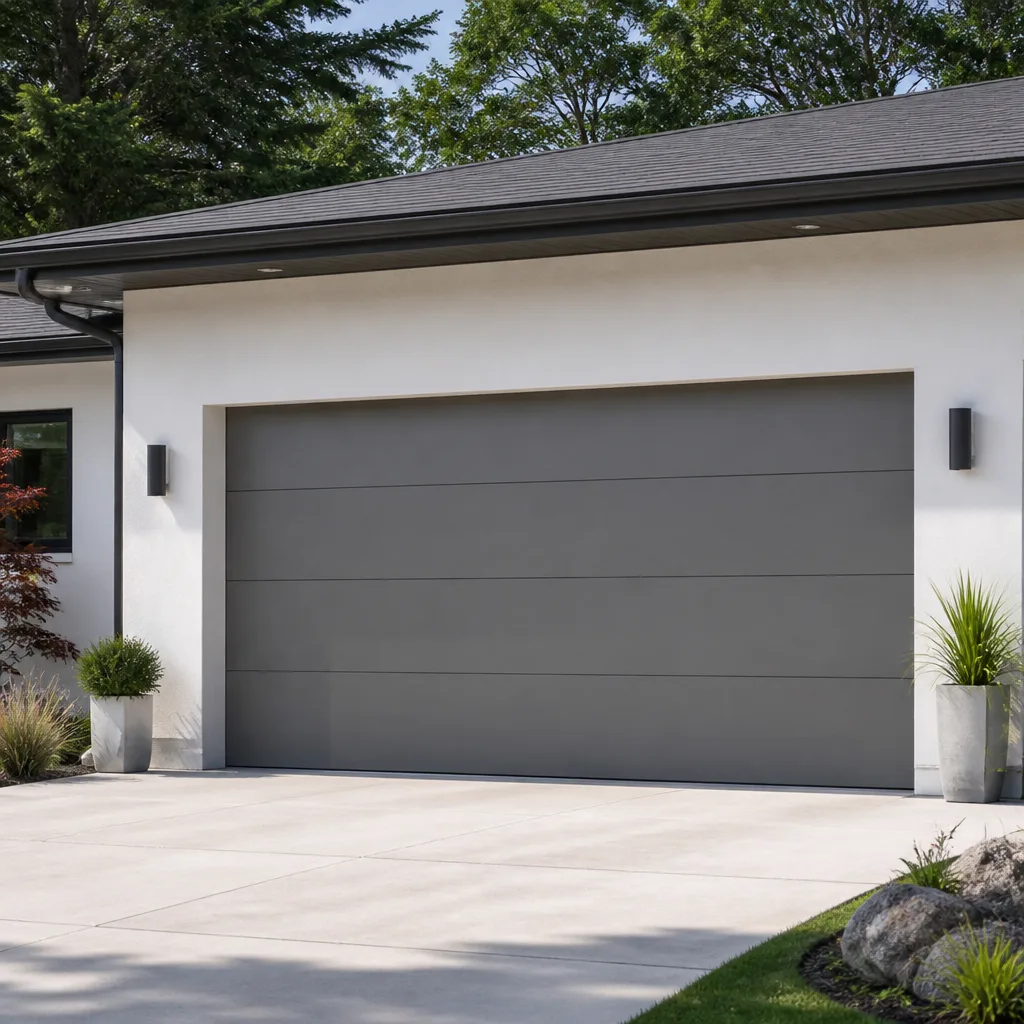 Modern flush
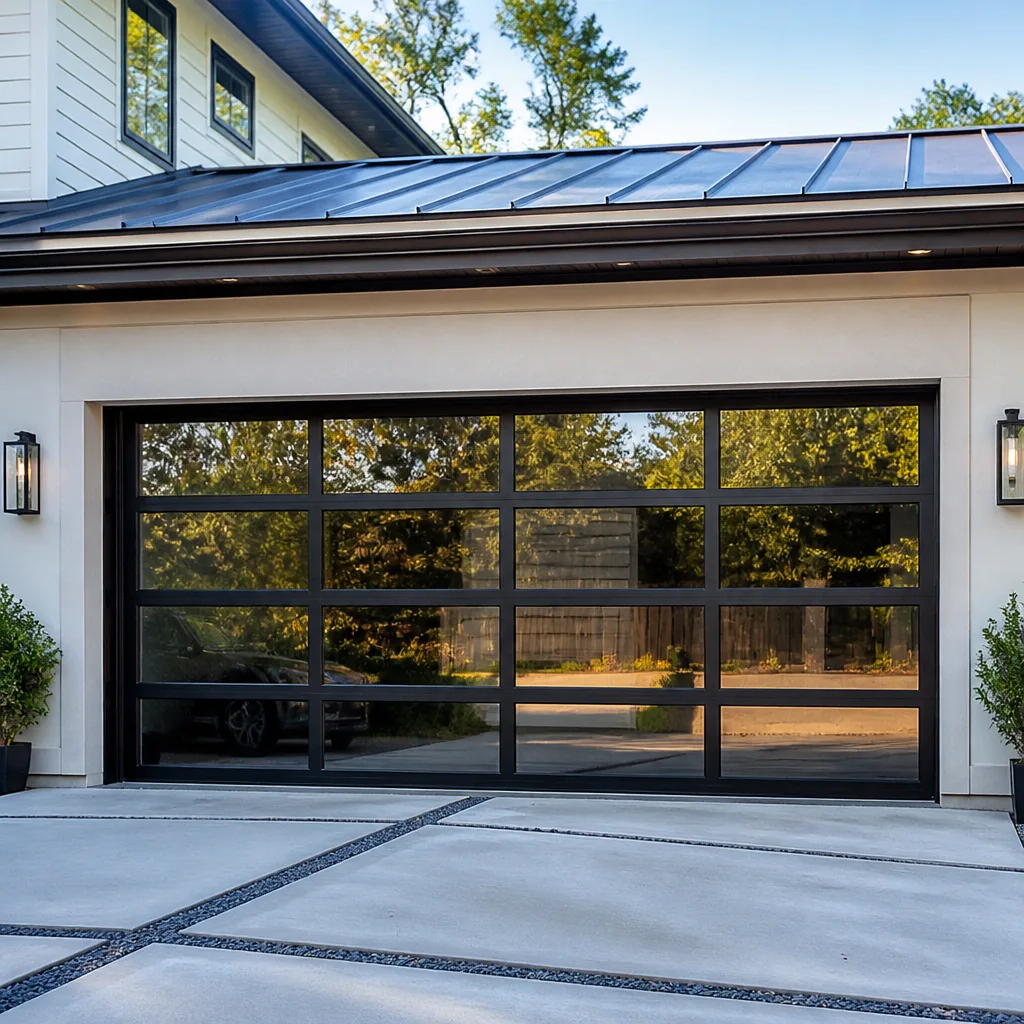 Full-view glass
 LiftMaster openers
 Chamberlain openers
Full 25-point door and opener safety check with every visit - springs, cables, rollers, tracks, and your LiftMaster or Chamberlain opener included
You get a price before we start. It does not change when the pro arrives.
Get your free estimateGarage Door Installation Troubleshooting: Common Problems and How to Fix Them
A new door that won’t stay open at the halfway point and slowly drifts down isn’t an opener problem. It’s an under-wound torsion spring, and turning up the opener’s force setting to compensate is the wrong fix. It masks a spring specification error and grinds the motor down a little more on every cycle. We’ve been called to Winchester homes where exactly that adjustment was made, and the opener failed within a year.
This guide maps the symptoms a newly installed door shows back to one of four root causes: incorrect measurements, wrong spring specification, misaligned track, or opener-door incompatibility. Fix the cause, not the visible result. We’ll name the part, explain the test, and tell you what a close-out checklist should look like before you sign off.
Quick Answer
Most garage door installation problems trace to four root causes: incorrect measurements, a wrong spring specification, misaligned track, or opener-door incompatibility. Diagnosis means testing the door’s balance, watching where it rubs or drifts, and verifying the five close-out measurements. Fixing the symptom (adjusting opener force, oiling a rubbing track) instead of the cause makes the real error worse.
Styles & brands we work with
- Raised-panel steel
- Carriage house
- Modern flush
- Full-view glass
- LiftMaster openers
- Chamberlain openers
Table of Contents
- Why installation problems cluster around four root causes
- The post-installation balance test: what each drift direction tells you
- Track alignment symptoms and what causes each one
- Opener-door incompatibility on new installations
- Installation error or factory defect: how to tell the difference
- The five measurements to verify before calling installation complete
- Common mistakes to avoid
- When to call a professional
 Before
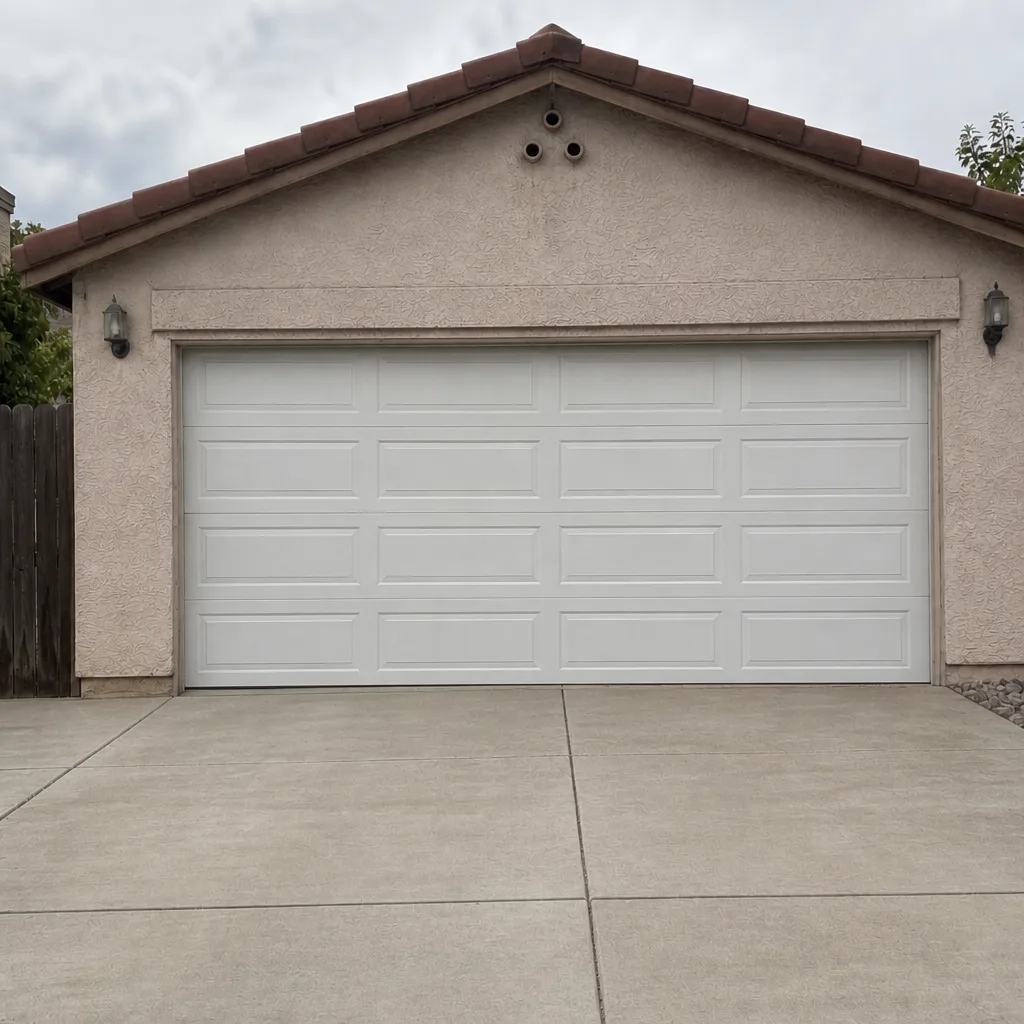 After
Why Installation Problems Cluster Around Four Root Causes
In our experience, nearly every complaint on a newly installed door traces back to one of four errors, and each one produces a distinct family of symptoms. That matters because homeowners usually describe the symptom (“it rubs on the right,” “it slams at the bottom”) and the instinct is to treat what you can see. The four causes are:
- Incorrect measurements. Rough opening width, headroom, and sideroom measured wrong or not at all. A door ordered a half-inch off will bind, rub, or sit proud of the opening no matter how carefully it’s hung.
- Wrong spring specification. The torsion spring is sized to the door’s exact weight. A spring wound for a 180-lb door installed on a 210-lb door runs under-tensioned, and the door feels heavy and drifts.
- Misaligned track. Vertical track out of plumb, horizontal track pitched too steep or too flat, or rollers set with an inconsistent gap to the track.
- Opener-door incompatibility. The opener’s rated capacity, drive type, and force curve don’t match the door it’s lifting.
Knowing which bucket a symptom belongs to tells you who to call and what to say. A rubbing door on one side isn’t an opener issue and no amount of force-setting adjustment will fix it. We’ve watched homeowners in Winchester spend money on a new opener when the actual error was a vertical track a quarter-inch out of plumb.
The Post-Installation Balance Test: What Each Drift Direction Tells You
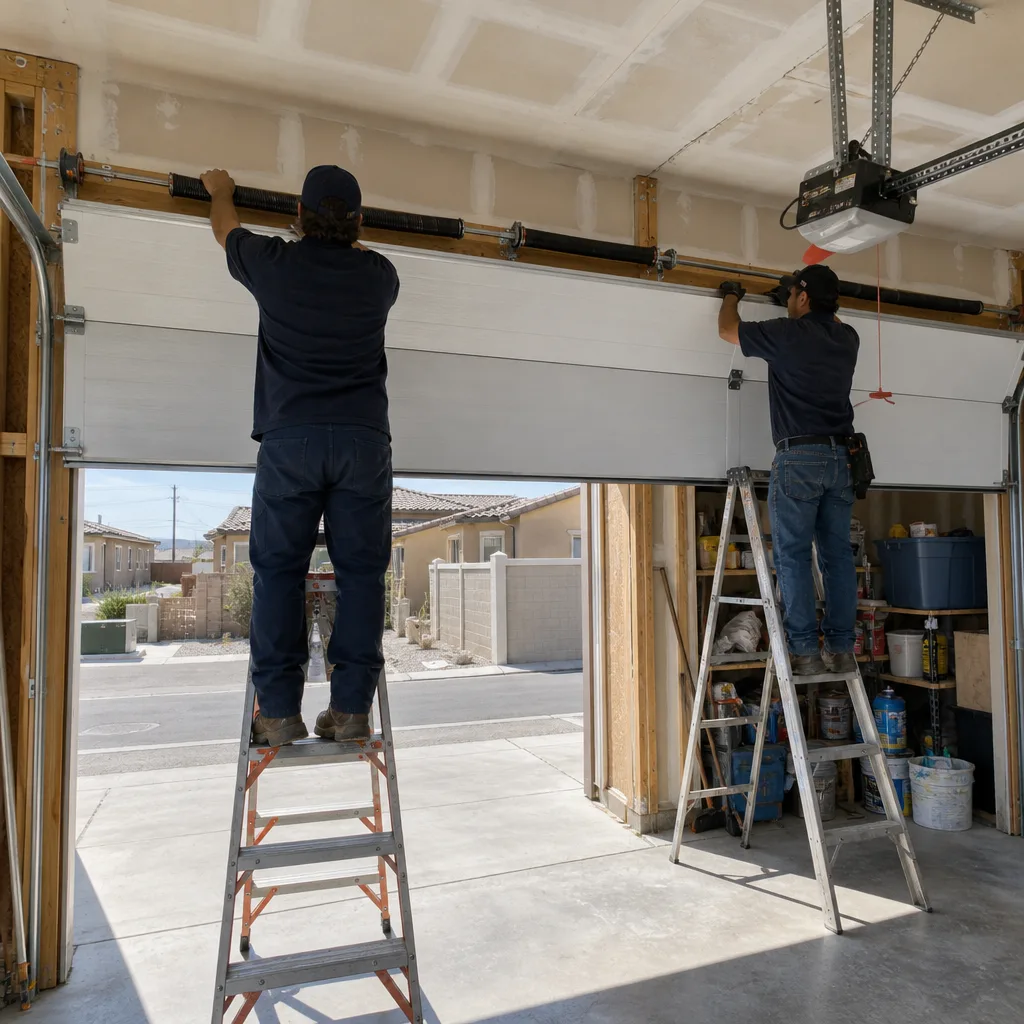
This is the test that catches spring specification errors before they shorten the opener’s life. Disconnect the opener (pull the manual release so the door runs on the spring alone), lift the door to the halfway point, and let go. A correctly balanced door does three things:
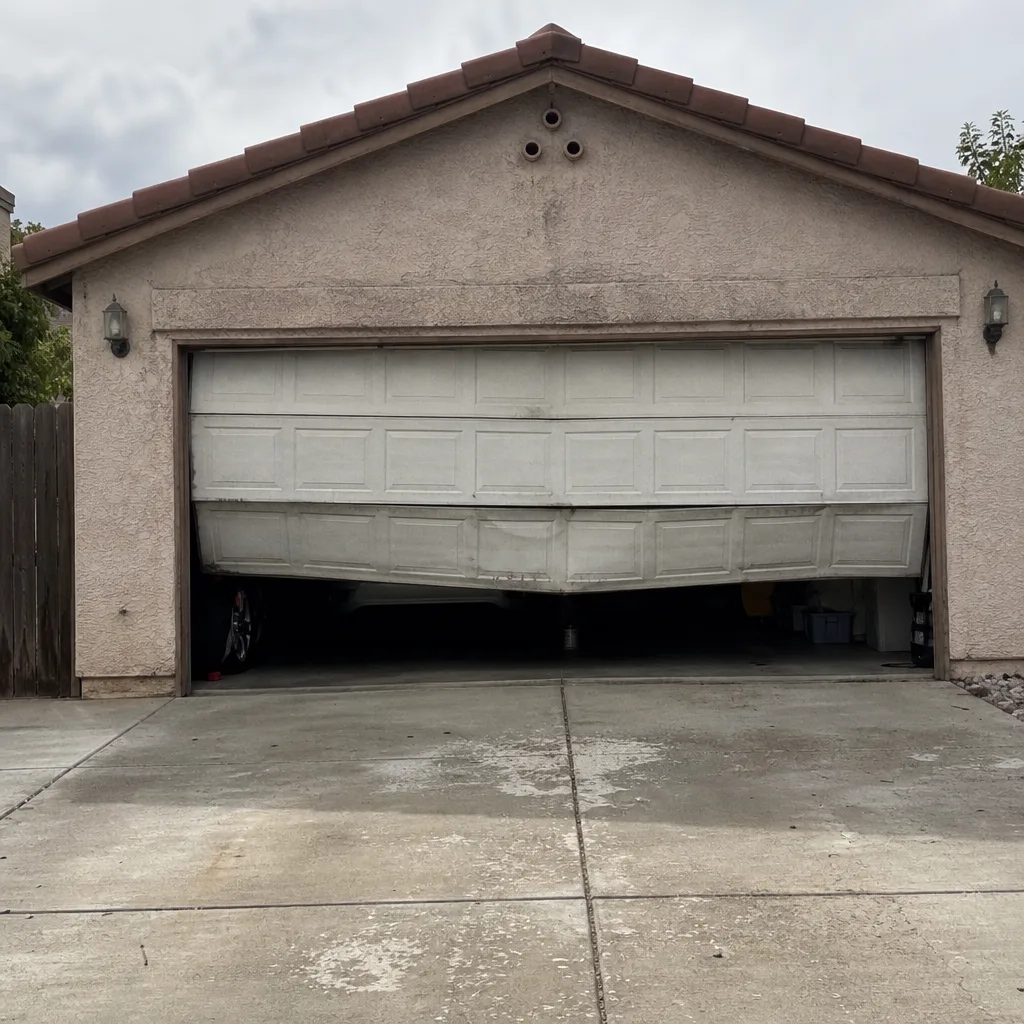
- At the halfway point: it stays put. No drift up, no drift down. If it drifts down, the torsion spring is under-wound or under-specified for the door’s weight.
- At the fully open position: it stays open. If it drifts closed, the spring is again under-tensioned, or the horizontal track has the wrong pitch and the door is sliding back.
- At the fully closed position: it sits flat and level with no gaps under the bottom seal. A door that rests slightly up on one corner usually has a cable or track tension imbalance.
A door that drifts up from halfway is over-wound or over-specified. That’s rarer but just as wrong: it strains the opener on the way down and puts excess tension on the cables. Drift down is the common one, and it’s why a belt-drive opener rated for a 500-lb door can still struggle with a correctly rated 210-lb door if the spring sits 10% low. The opener is doing work the spring should be doing.
Important safety note: torsion springs store tremendous energy. Never attempt to wind, unwind, or adjust them yourself. A spring under tension can cause serious injury. This test tells you whether there’s a problem so you can describe it accurately to a trained technician, not so you can fix it.
Track Alignment Symptoms and What Causes Each One
Track problems are the easiest family to misdiagnose because the noise and rub point aren’t always where the misalignment starts. Here’s how the symptoms map to causes:
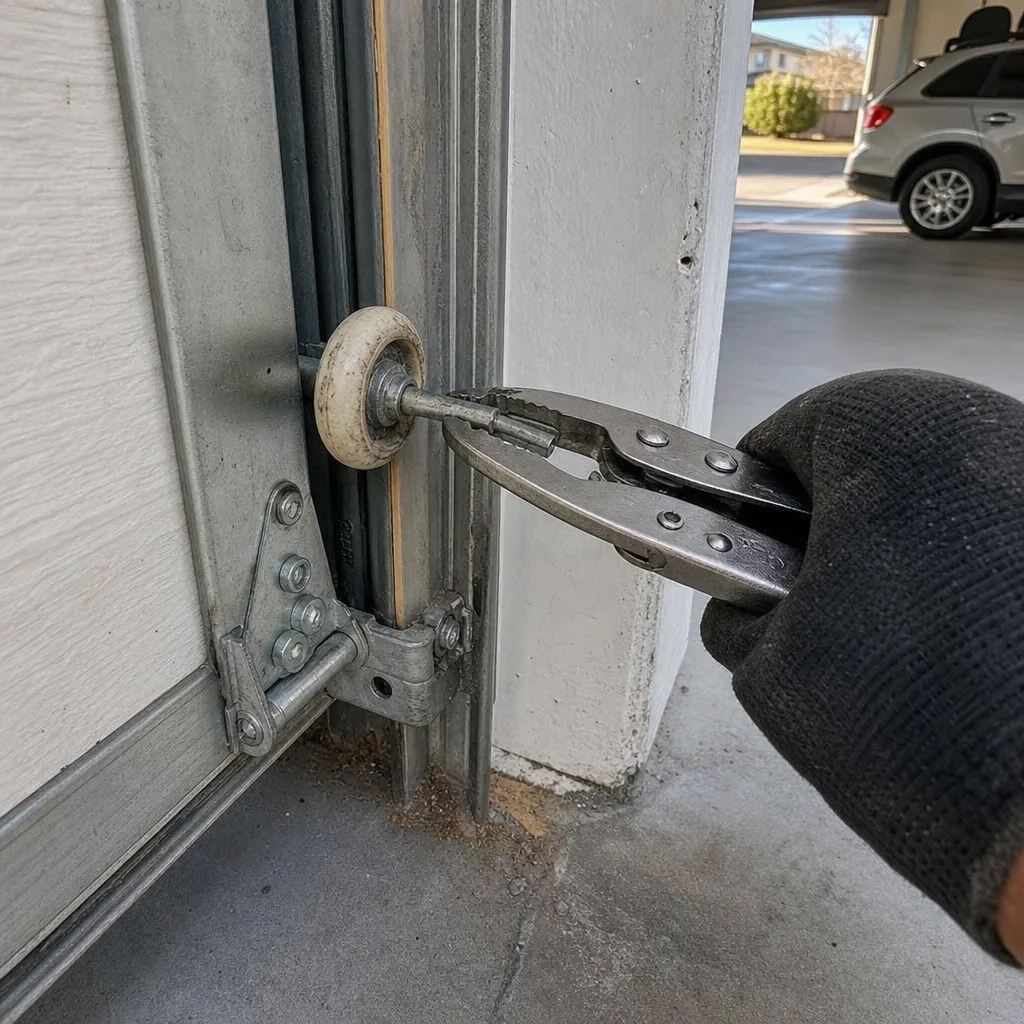
The door rubs on one side
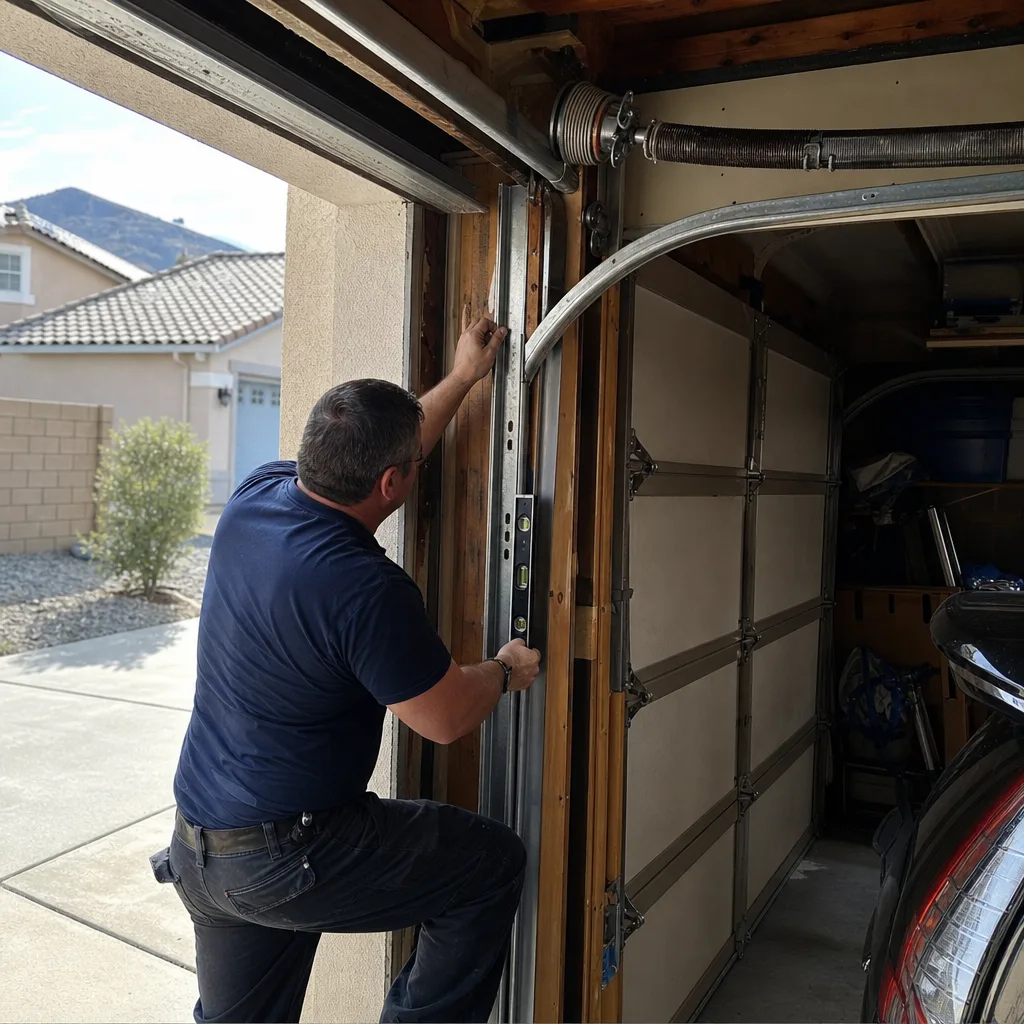
That’s a vertical track that isn’t plumb. When the vertical track leans in or out at the top relative to the bottom, the rollers bind against one face and the door scrubs the weather seal on that side. A plumb check with a level over the full height catches it.
The door binds near the top of travel
Horizontal track pitch is too steep (angled down toward the back of the garage). The door has to be pushed “uphill” to travel the last few inches, the opener strains, and the door may reverse. Too flat is the opposite problem: the door sags into the curve and the top section sometimes bows.
The door makes contact noise midway up or down
That’s a roller-to-track gap inconsistency. Individual rollers were set with inconsistent standoff, so the door sways slightly left and right as it travels. It’s a track-and-roller setup problem, not an opener problem, and the fix is to set the rollers to a consistent gap against the track face.
In Winchester’s climate, the symptoms get worse in the dry months when the wood framing the track brackets shrinks a few thousandths and pulls slightly out of plumb. A door that ran quiet in spring can start rubbing on one side by late summer on a track that was never quite true to begin with.
Opener-Door Incompatibility on New Installations
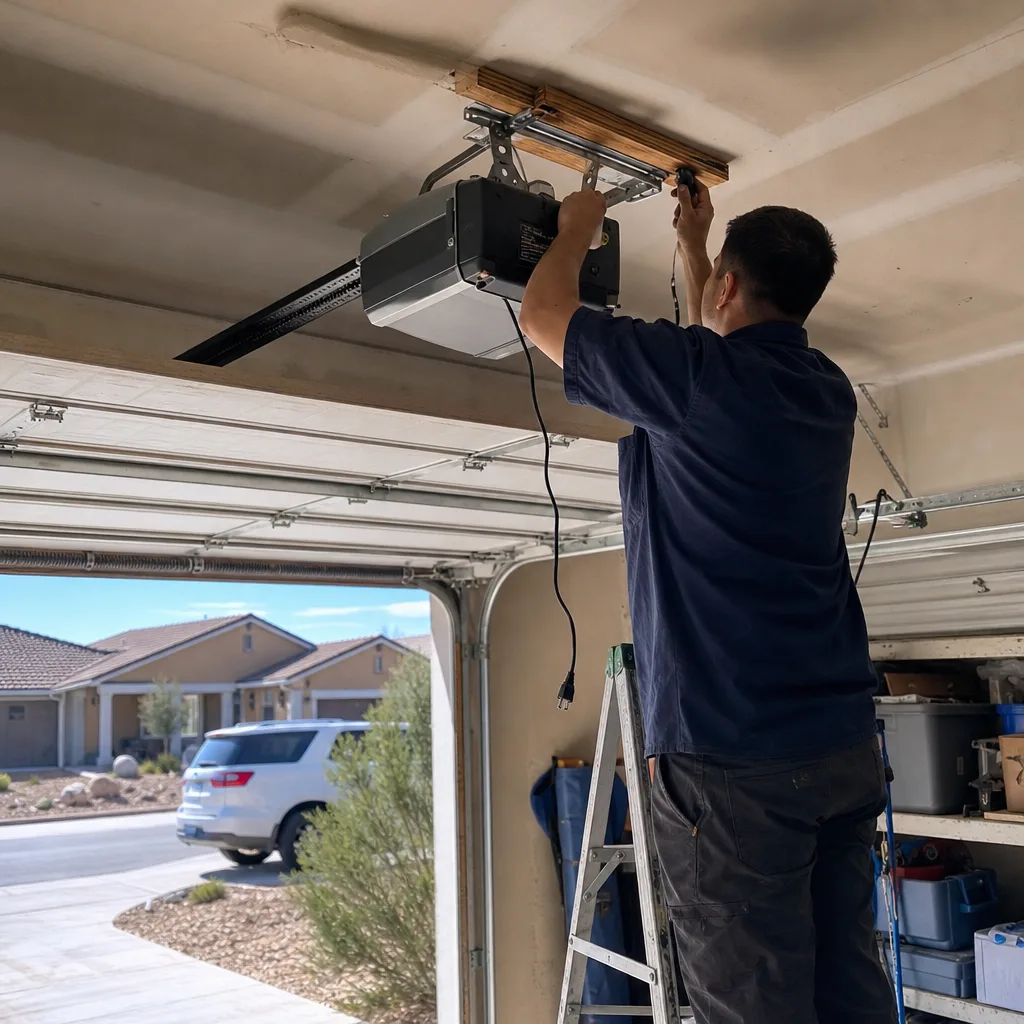
Opener compatibility is about the door’s actual load under the spring, not the door’s rated weight. The common mistake is thinking a belt-drive opener rated for a 500-lb door is “overkill” for a 210-lb door and therefore bulletproof. It isn’t, if the spring tension is wrong. The opener’s force curve is calibrated to lift the door’s residual weight after the spring does its job – usually 5-15 lbs when correctly balanced. If the spring is 10% under-specified, the residual weight can be 40-60 lbs, and the opener works hard on every single cycle.
What to check for on a newly installed setup:
- Spring specification vs. door weight: the spring wire gauge and inside diameter must match the door’s actual weight, not its nominal model number.
- Opener drive type: a belt-drive opener is quieter but has a lower force ceiling than a chain-drive of the same rating. If the door was specified heavy (insulated steel, glass panels), the belt may be working outside its comfortable range.
- Travel limits: the opener’s up and down limits must be set to the door’s actual travel. A limit set short leaves the door a few inches from full close, and a limit set long slams the door against the floor.
- Safety reversal and photo-eye alignment: both must be tested at installation and re-tested after any adjustment. A door that reverses at the floor on a partly cloudy day is usually a photo-eye that was knocked out of alignment during the install.
We service all the major opener brands on these calls – LiftMaster, Chamberlain, Genie, and Craftsman among them – and the pattern is consistent: the opener is often fine, and the spring or the limit setting is the actual culprit.
Installation Error or Factory Defect: How to Tell the Difference
Not every problem on a new door is the installer’s fault. Some components arrive from the factory with a defect, and the difference matters for the warranty claim. A few tells:
- Torsion spring: a factory-fresh spring that snaps within the first few weeks usually shows a clean break at the coil. That’s a defect and warranty territory. A spring that fails slowly and shows no clean break was almost certainly mis-specified for the door weight.
- Rollers: a roller with the wrong diameter from a sealed case is a factory mix-up. A roller that’s the right diameter but installed at inconsistent standoff is an installation error.
- Panels: a panel that’s out of square from the box is a manufacturing defect. A panel that’s squared but installed with the hinges a few screws off pattern is an install error, and it’ll show as a door that doesn’t close flat.
- Opener logic board: a logic board that fails within days of installation is nearly always a factory defect. A logic board that works but the opener strains on each lift is a specification error.
Why the documentation of the installation matters: a warranty claim is stronger when the photo record shows the part as it arrived and as it was installed. That’s the founding rule Servo was built on in 2015 – the customer sees the failed part before anyone quotes a replacement – and it’s the reason we photograph the failed component before quoting. It’s also why, on a post-installation issue, having those photos makes a manufacturer claim straightforward instead of contested.
The Five Measurements to Verify Before Calling Installation Complete
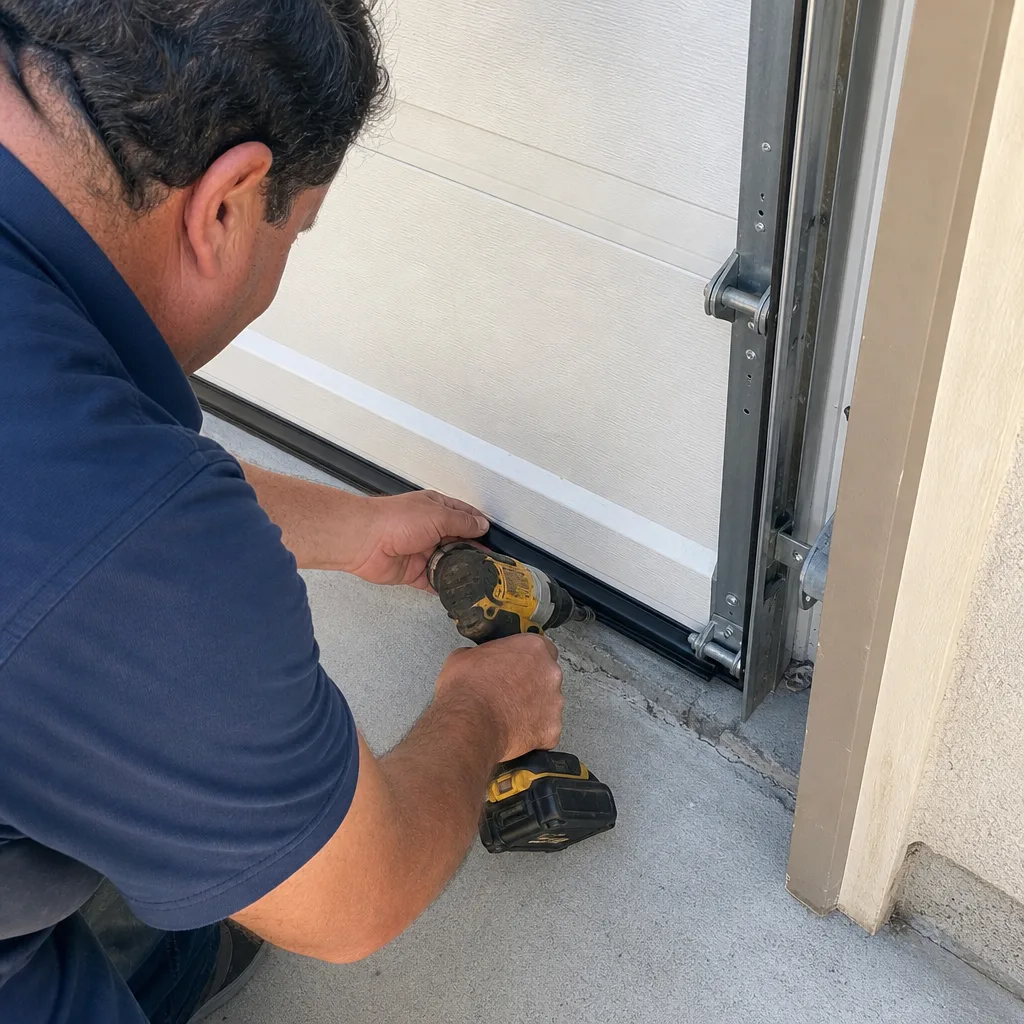
A close-out checklist catches the common errors before you sign off. Verify these five measurements before you accept the job as done:
- Rough opening width and height. Measured at the widest and highest points, not at a single corner. A half-inch error here causes binding that no later adjustment can correct.
- Headroom, backroom, and sideroom. Headroom is the space above the door to the ceiling; backroom is the space behind the door for the horizontal track; sideroom is the space beside the door for the vertical track. Each has a minimum, and each must be measured, not estimated.
- Vertical track plumb. Check over the full height. Anything more than a small fraction of an inch out of plumb will rub the door on one side.
- Spring balance test. Door disconnected from the opener, half-open, hands off: it should stay put. Drifts down means under-wound or under-specified.
- Opener force and safety reversal. Force setting calibrated to the actual door, photo-eye aligned and tested, safety reversal confirmed by blocking the eye and watching the door reverse. The installer should walk through this with you.
If the installer can’t show you the numbers on measurements one through three, don’t sign off. Those are the ones that can’t be fixed by a later adjustment to the track or the opener.
Common Mistakes to Avoid
- Turning up the opener force to compensate for a heavy door. That masks a spring specification error and shortens the opener motor’s life. If the door feels heavy, the spring is wrong, not the opener.
- Oiling a rubbing track instead of checking plumb. Lubricant quiets the noise for a few weeks and hides the real problem. The vertical track needs a plumb check, not oil.
- Skipping the balance test on the day of installation. On the way out the door, installers have been known to skip it. Ask for it, watch it, and get the drift direction noted on the paperwork.
- Accepting “it’ll settle in” for a door that rubs. Doors don’t settle into alignment. Dry-season wood shrinkage in Winchester can pull brackets slightly out of plumb, but a door that rubs on day one rubs on day three hundred.
- Ordering a door from a model number without measuring the opening. Model numbers describe nominal size, not the actual rough opening. A half-inch oversize door will not fit no matter how good the installer.
- Assuming a heavy door needs a heavier opener. The correct fix for a heavy door is a correctly specified spring. A heavier opener on a mis-specified spring shortens both.
- Not keeping the installation photos and written scope. Those are the paperwork a manufacturer’s warranty claim depends on. Ask for a documented photo record on every visit – it’s included, not optional.
When to Call a Professional
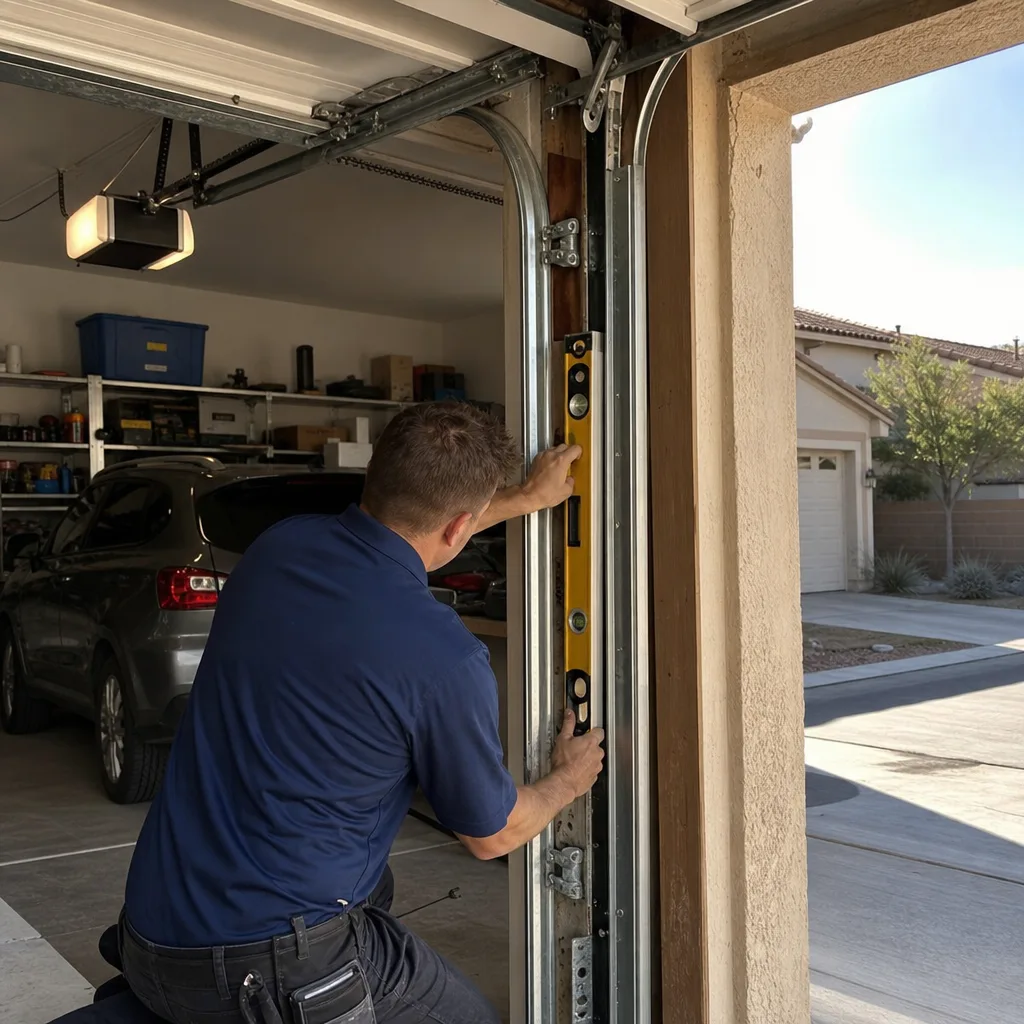
Call a trained technician for any symptom that involves an under-tensioned or over-tensioned spring, a door that won’t stay open, a track out of plumb, or an opener that strains on a correctly hung door. These are the four root causes this guide maps to, and three of the four require adjustment that’s either dangerous (springs, cables) or fussy enough that most homeowners shouldn’t attempt it (track, limits). If the door arrived and the installer’s balance test drifted down, that’s a spring specification error and it needs a trained hand. Servo Garage Doors Winchester offers free estimates in Winchester – call (855) 517-0284.
A couple of situations are worth a phone call sooner than later. A door that reverses on its own or fails a safety reversal test needs to be checked before anyone uses it. A door that has drifted on a concrete pad in late summer, or that rubbed on the way home from work in a dry month, may just need a small adjustment – but the diagnosis should be done by a technician who can read the drift direction and check plumb.
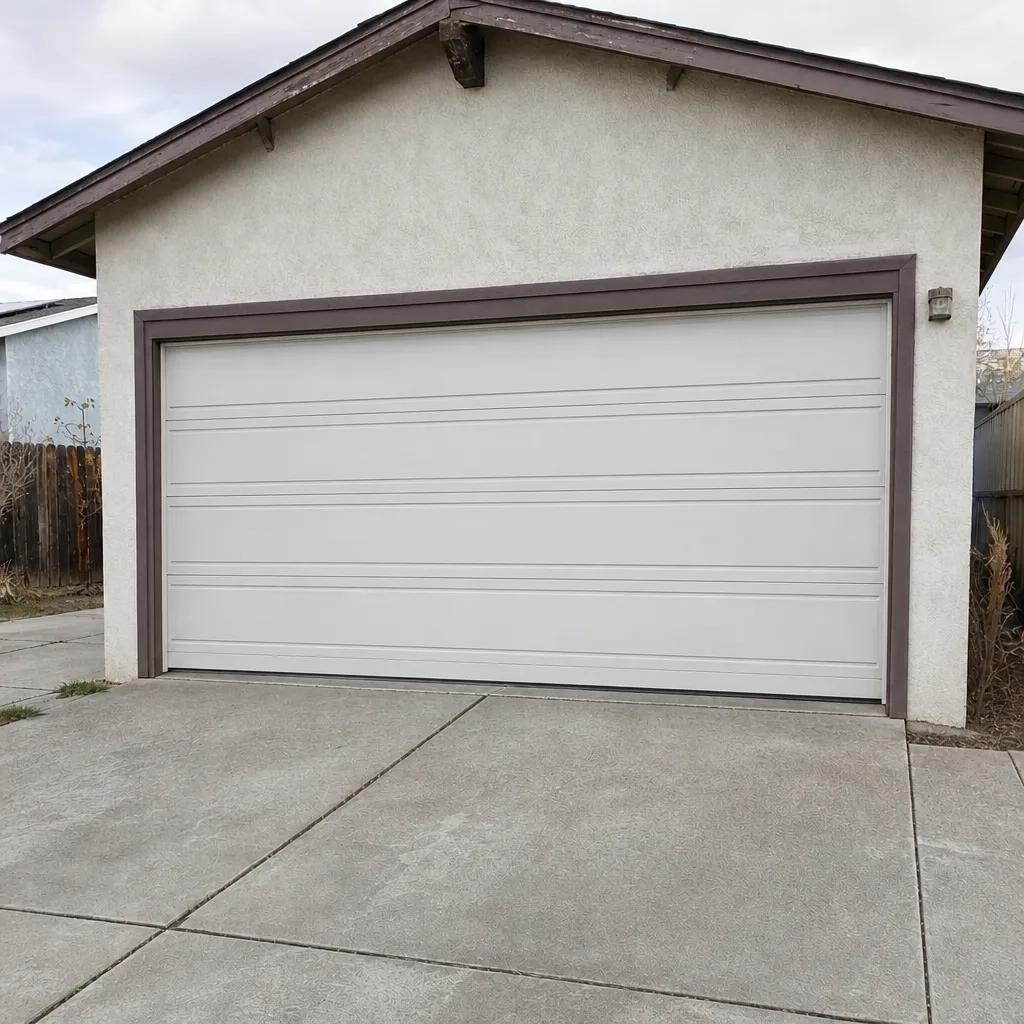
See the difference
BeforeAfter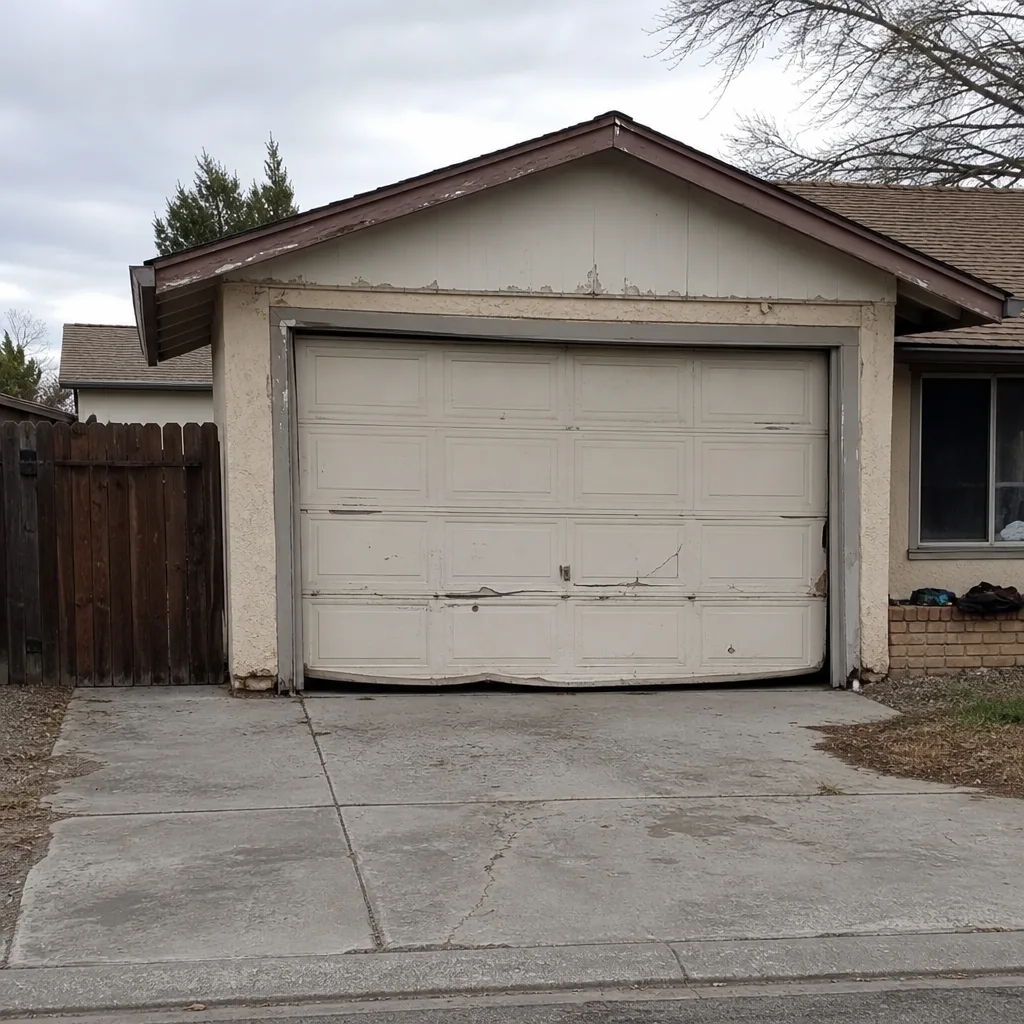 Before
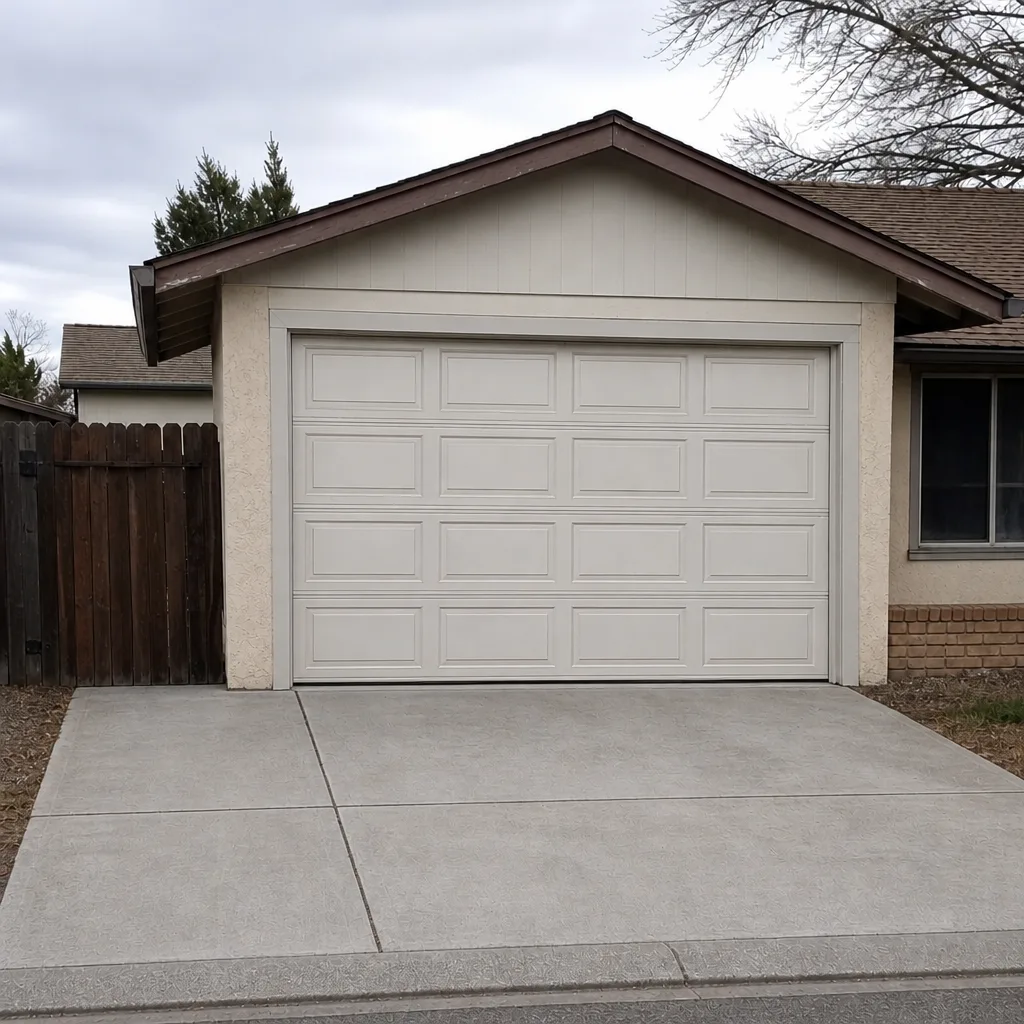 After
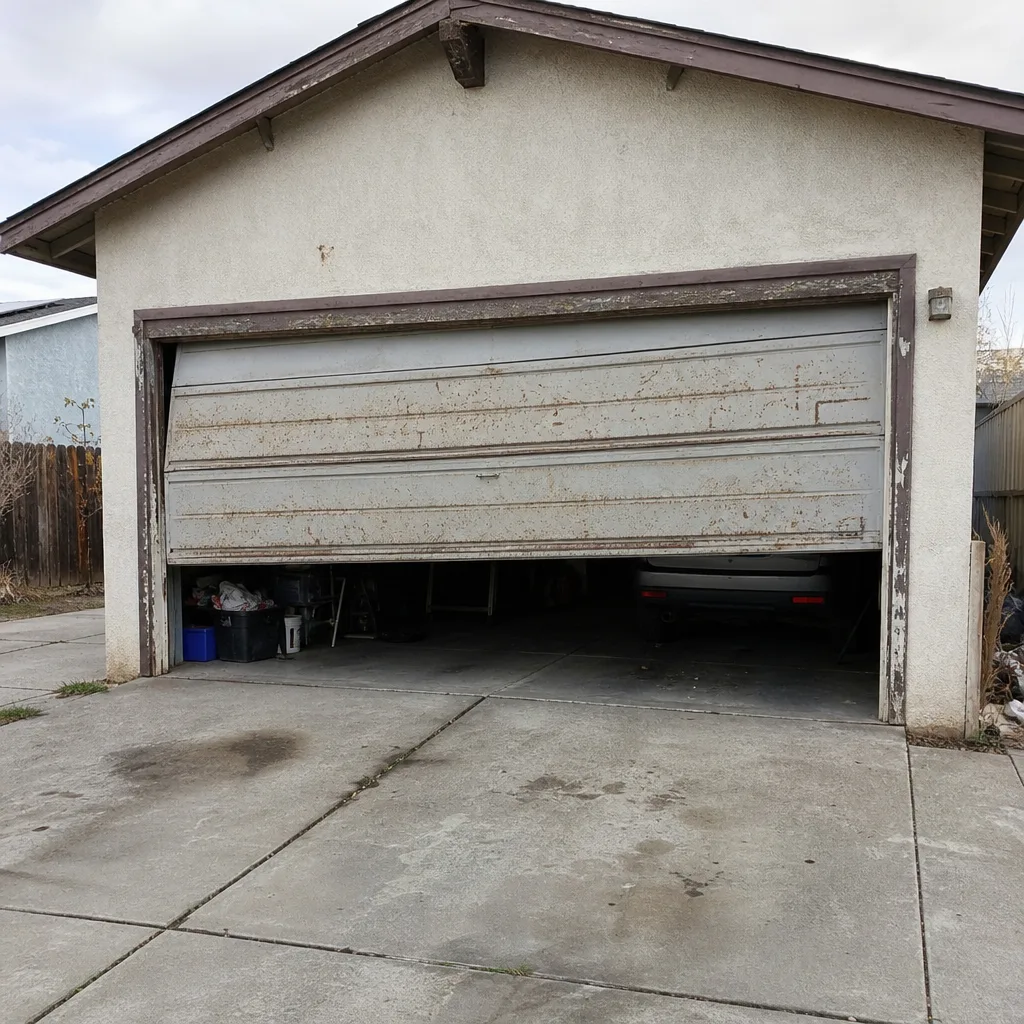 Before
 After
Frequently Asked Questions
Diagnostic visits in Winchester typically run $89-$175, and a balance adjustment or track realignment usually lands $120-$280 depending on how many variables need correcting. If the diagnosis points to a spring specification error, a corrected spring replacement adds $180-$340 for the spring itself. The diagnostic fee is often credited toward the repair. Call (855) 517-0284 for a flat, written price before any work starts – we don’t quote over the phone and we don’t do surprise invoices.
It means the torsion spring is under-wound or under-specified for the door’s weight. The correct fix is to re-specify the spring, not to adjust the opener’s force setting. A door that drifts down with the opener disconnected is running on a spring that can’t hold the door at rest, and that extra weight transfers directly to the opener motor on every cycle.
On repair and emergency calls, yes – we operate 24/7 and a live person answers the phone, including holidays, and dispatches a named technician with an on-the-way text. Track realignments, limit adjustments, and safety reversal failures usually fit the same day. New installations are measured, ordered, and scheduled, not same-day – but a free measure and a written price come first. Call (855) 517-0284.
No. The flat, written price and written scope are delivered before any work starts, per Clause 1 of The Haven Standard, and the price doesn’t move once it’s been quoted and agreed. If we find something during the visit that wasn’t visible before the quote, we stop, re-quote in writing, and get your sign-off before touching anything.
The local business that performs the work is licensed and insured as the state requires, and the license number is on the page, not buried in fine print. Servo Garage Doors Winchester connects homeowners with those vetted local professionals. Our technicians have up to 11 years of experience, are background-checked, and arrive with a documented photo record on every visit.
Often, yes. Dry-season wood shrinkage in Winchester can pull track brackets a few thousandths out of plumb, and a door that ran true in spring begins to rub. The fix is a plumb check and a bracket adjustment – not oil, and not an opener adjustment. Call (855) 517-0284 and we’ll set up a diagnostic visit.
The Bottom Line
Installation problems cluster around four root causes: incorrect measurements, wrong spring specification, misaligned track, and opener-door incompatibility. The balance test is the fastest single check: disconnect the opener, lift the door halfway, and let go. Drift down means under-specified spring. Drift up means over-wound. A track that rubs on one side is out of plumb, and a track that binds at the top is pitched wrong. Fix the cause, not the symptom. Keep the five-close-out-measurement checklist, ask for the balance test to be recorded on the paperwork, and keep the installation photos – those are what a warranty claim depends on.
Our team at Servo Garage Doors Winchester has seen every one of these errors and where they originate, and fixing the cause instead of the visible result is what the 365-Day Done Right Promise is built around. If a newly installed door is drifting, rubbing, or straining the opener, call (855) 517-0284 for a free estimate – a flat, written price and a photo record of what we find, before any work starts.
Written by the team at Servo Garage Doors Winchester.