
Last updated November 18, 2026
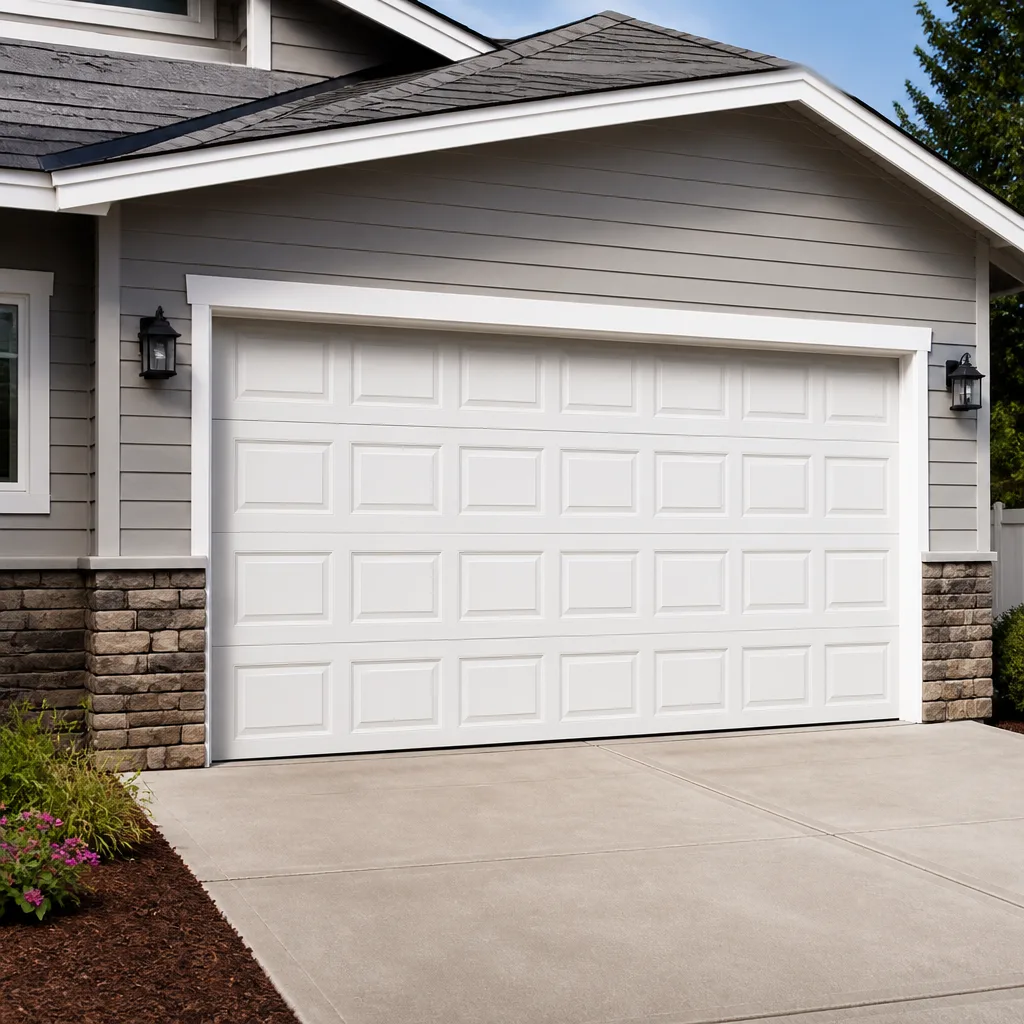 Raised-panel steel
 Carriage house
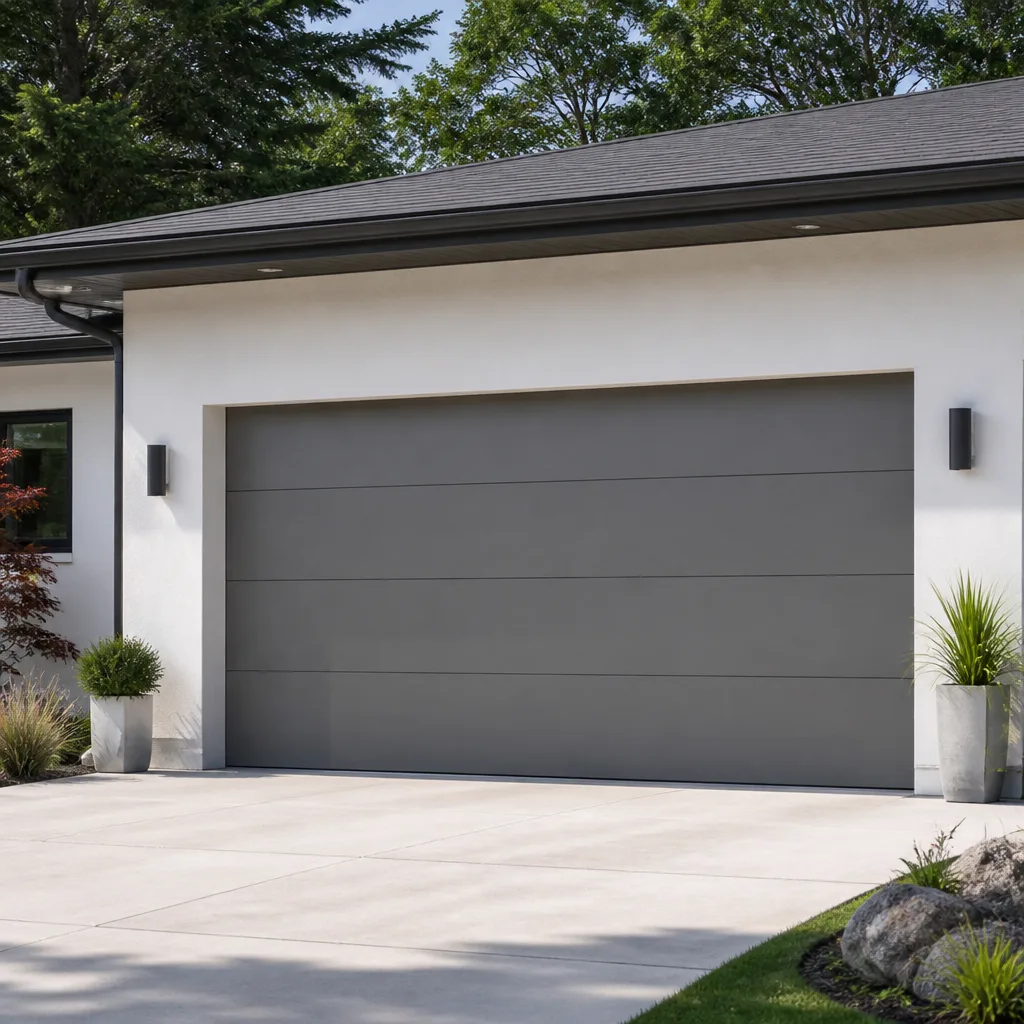 Modern flush
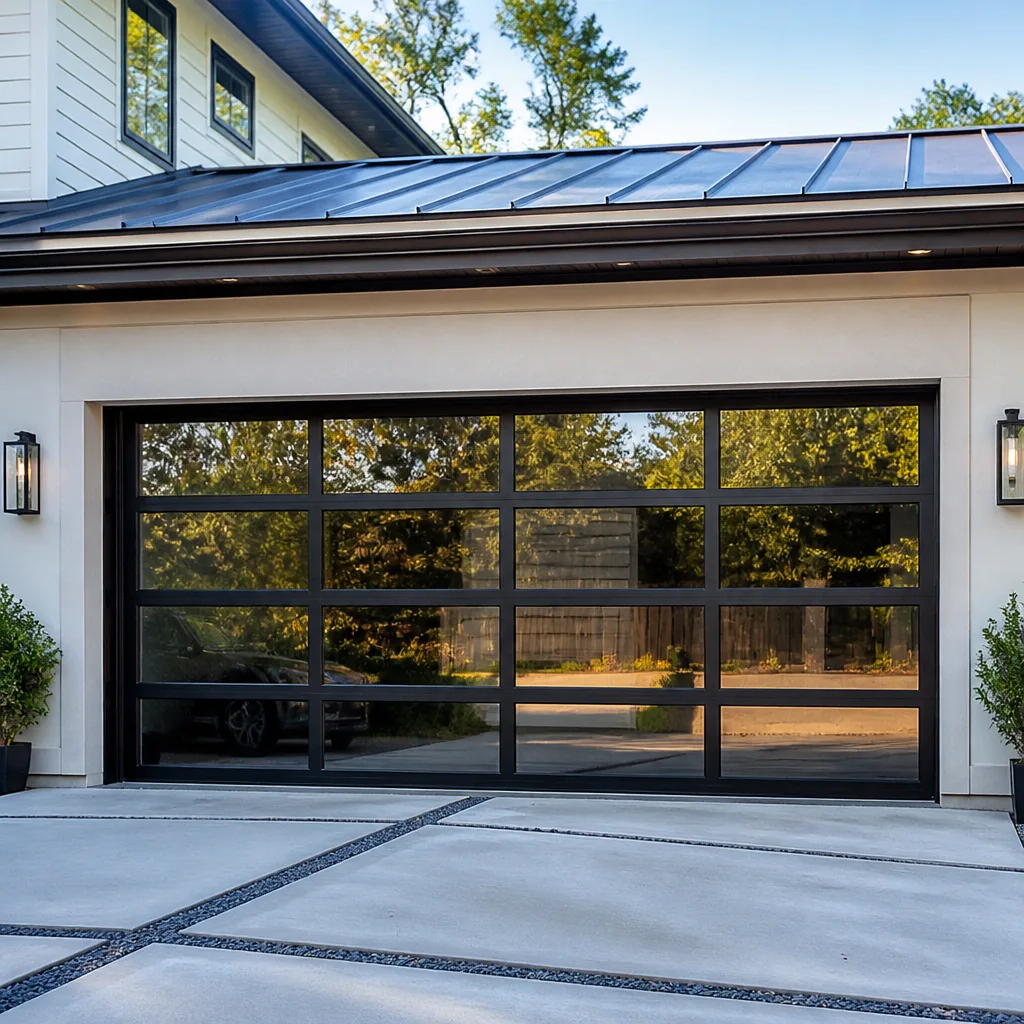 Full-view glass
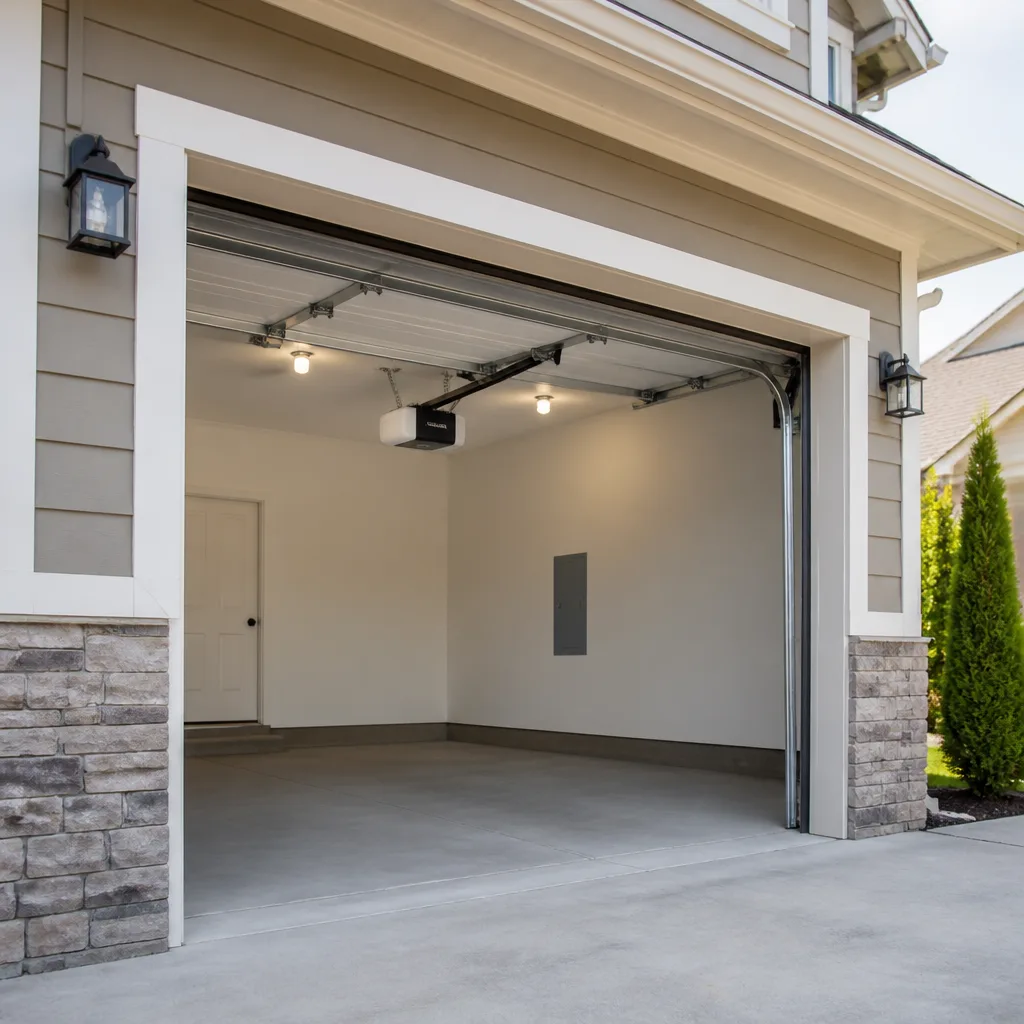 LiftMaster openers
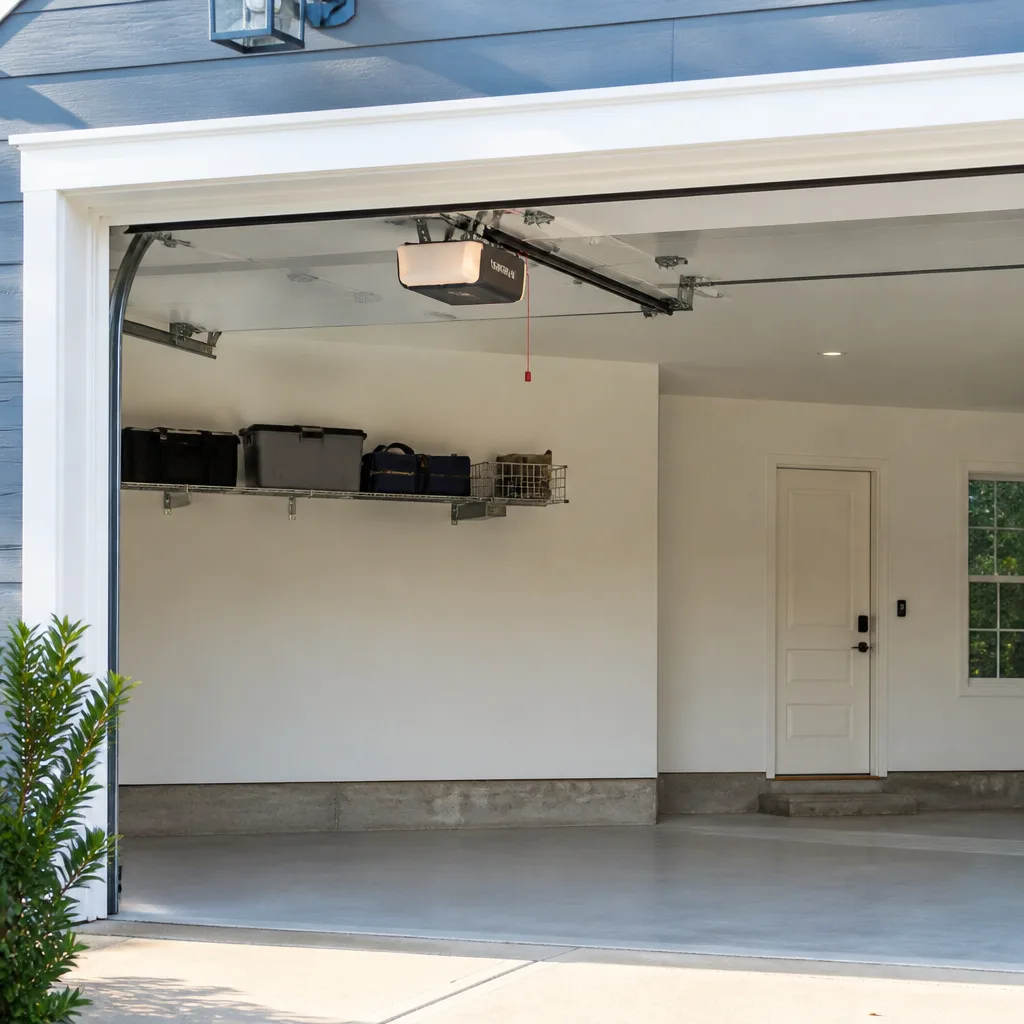 Chamberlain openers
Full 25-point door and opener safety check with every visit - springs, cables, rollers, tracks, and your LiftMaster or Chamberlain opener included
You get a price before we start. It does not change when the pro arrives.
Get your free estimateGarage Door Repair Maintenance Schedule: What to Do and When
Lubrication instructions that say “every six months” were written without knowing whether your door cycles twice a day or twelve. At twelve cycles, six months is 2,160 operations, which is past the re-lubrication threshold for most roller stems. That single mismatch explains why some doors run quiet for years while others in the same Winchester neighborhood start grinding on a schedule nobody can predict. A calendar month tells you almost nothing about wear. Cycle counts and temperature swings do. This guide replaces the generic checkup with task triggers tied to how a door actually ages, plus the seasonal work that matters in the desert climate here.
Quick Answer
Lubricate rollers and hinges every 500 – 700 cycles, inspect cables every 1,000 cycles, and verify spring tension at roughly 2,000 cycles. Overlay that with two seasonal tasks in Winchester: a pre-summer bearing check as heat expands metal, and a fall cable inspection before cold-weather contraction stresses the system. Log the date, cycle count, and findings each time so you can spot wear trends instead of guessing.
Styles & brands we work with
- Raised-panel steel
- Carriage house
- Modern flush
- Full-view glass
- LiftMaster openers
- Chamberlain openers
Table of Contents
- Why Calendar-Based Schedules Fail Garage Doors
- How to Count Your Door’s Cycles Without Special Tools
- The Cycle-Based Task Schedule
- The Right Lubricant for Each Component (and Why WD-40 Isn’t It)
- Winchester Seasonal Tasks: Heat, Cold, and Dust
- Reading Your Bottom Seal Before Water Gets In
- The One-Page Maintenance Log We Use Before Quoting Any Repair
- Common Mistakes to Avoid
 Before
 After
Why Calendar-Based Schedules Fail Garage Doors
A garage door is a machine measured in operations, not months. Every cycle runs the torsion spring through a partial wind, drags the rollers through the track curve, and flexes the cables over the drums. The wear per cycle is small but cumulative, and it depends heavily on how often you open the door. A household where two cars leave in the morning and return at night runs maybe 4 cycles a day. A home business with deliveries, a teen driver, and a dog that goes out three times runs closer to 12.
That’s a threefold difference in wear between two houses on the same street. If both follow a “check it every six months” rule, one door is serviced well and the other is neglected for 1,000+ extra operations between visits.
In Winchester, the climate adds a second variable. Summer heat pushes the metal components to expand; winter nights pull them back. Dust from the surrounding desert works its way into roller bearings and hinge pins, turning clean grease gritty faster than in a humid climate. We’ve opened doors in Winchester that looked clean but had rollers running on paste instead of lubricant, all because they were serviced on a calendar instead of a cycle count.
What this means for your schedule
Instead of picking a month, you need two things: a rough cycle count and a task list keyed to that count. Both are easy to set up. The next two sections show you how.
How to Count Your Door’s Cycles Without Special Tools
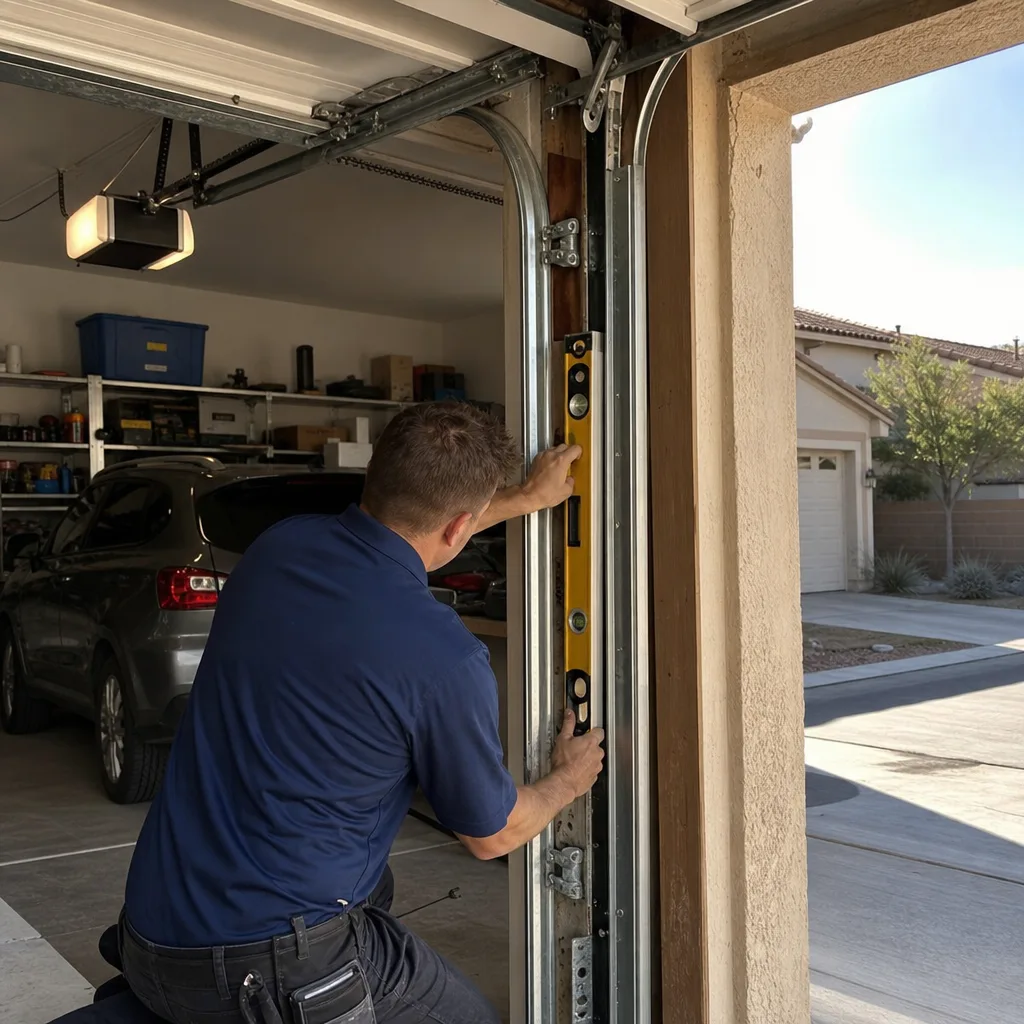
You don’t need a counter to get a useful estimate. A cycle is one full open plus one full close. Here’s the simplest way to establish a baseline:
- Pick a typical weekday and tally every time the door fully opens. Count the closings as the same cycle.
- Do the same for a Saturday. Most homes run higher on weekends.
- Average the two, then multiply by 7 for a weekly estimate. Multiply by 52 for yearly.
- Add a buffer of 10 – 15% for holidays, guests, and irregular use.
Most single-family homes in Winchester land somewhere between 1,200 and 4,000 cycles per year. A household at 3,000 cycles a year needs roller lubrication roughly every 8 – 12 weeks, not every six months. A vacation home at 400 cycles a year can go much longer between services.
If your opener is a newer LiftMaster or Genie model with a smartphone app, some units log open/close counts. Check the app’s usage screen; it takes the guesswork out. For older units, the tally method above is accurate enough.
Write your baseline number down. Every task in the next section assumes you know roughly where you are on the odometer.
The Cycle-Based Task Schedule
This is the core schedule. Each task has a trigger, a purpose, and a reason the interval matters. The intervals below come from manufacturer service guidance and from what we see on repairs across Winchester.
Roller and hinge lubrication: every 500 – 700 cycles
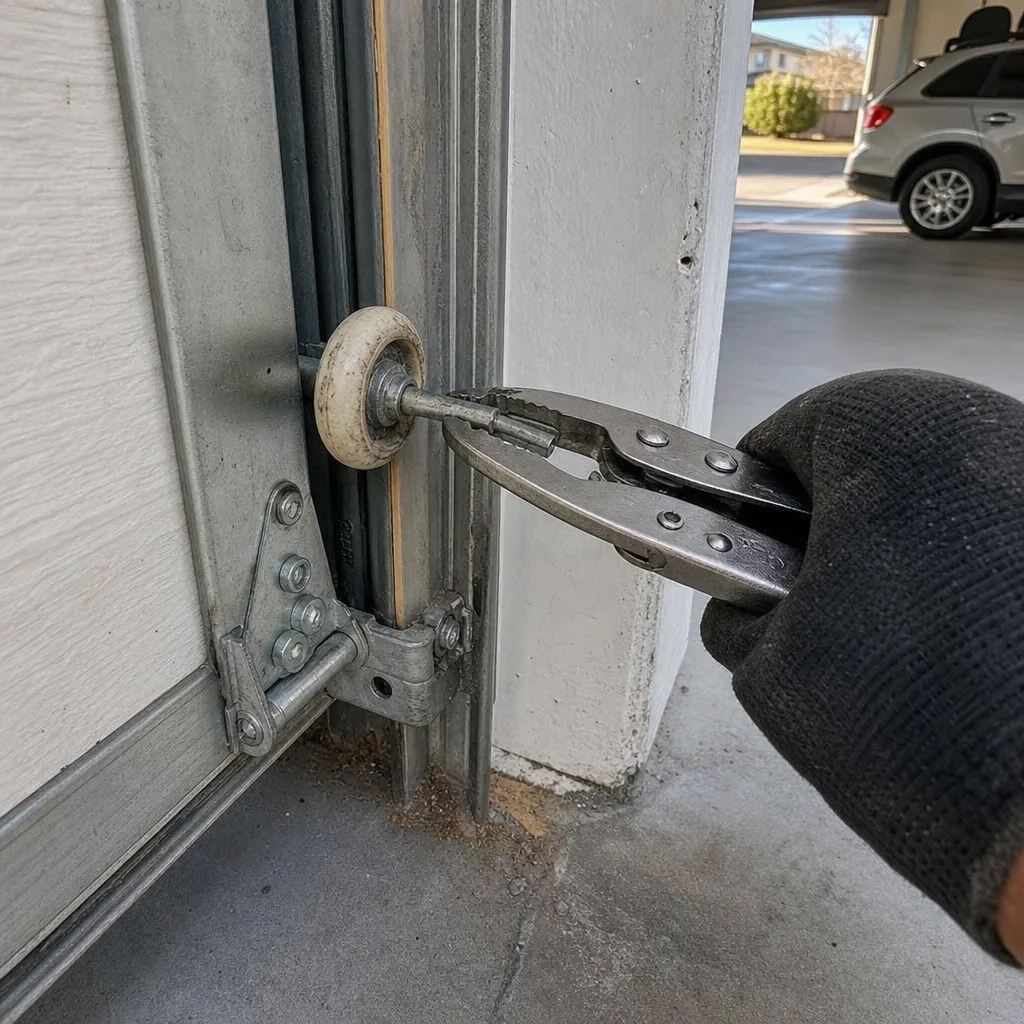
Rollers ride on steel stems inside a bearing. Once the lubricant breaks down, the stem grinds against the bearing every time the door moves. At 12 cycles a day, that’s 500 cycles in about six weeks. At 4 cycles a day, it’s closer to four months. Listen for a squeal or a dry scraping sound on the way up; that’s the warning.
Cable inspection: every 1,000 cycles
Cables lift the door’s weight alongside the springs. Look for fraying near the drums at the top corners, kinks, or slack on one side. A cable with a single broken strand is a failure waiting to happen, and it fails without much warning. This is a look-only task; do not adjust or rewind cables yourself.
Spring tension verification: every 2,000 cycles
Torsion springs lose tension gradually. The door starts feeling heavier, the opener works harder, and eventually the spring breaks. A trained technician can measure the balance and tension and tell you how much life is left. If your door feels noticeably heavier when you lift it by hand (with the opener disengaged), that’s a sign the springs need attention now rather than at the next interval.
Track, hardware, and balance check: every 2,500 – 3,000 cycles
Bolts loosen, tracks drift out of plumb, and the door starts to bind. A balance check (door halfway up, let go, should hold position) tells you quickly whether something has shifted.
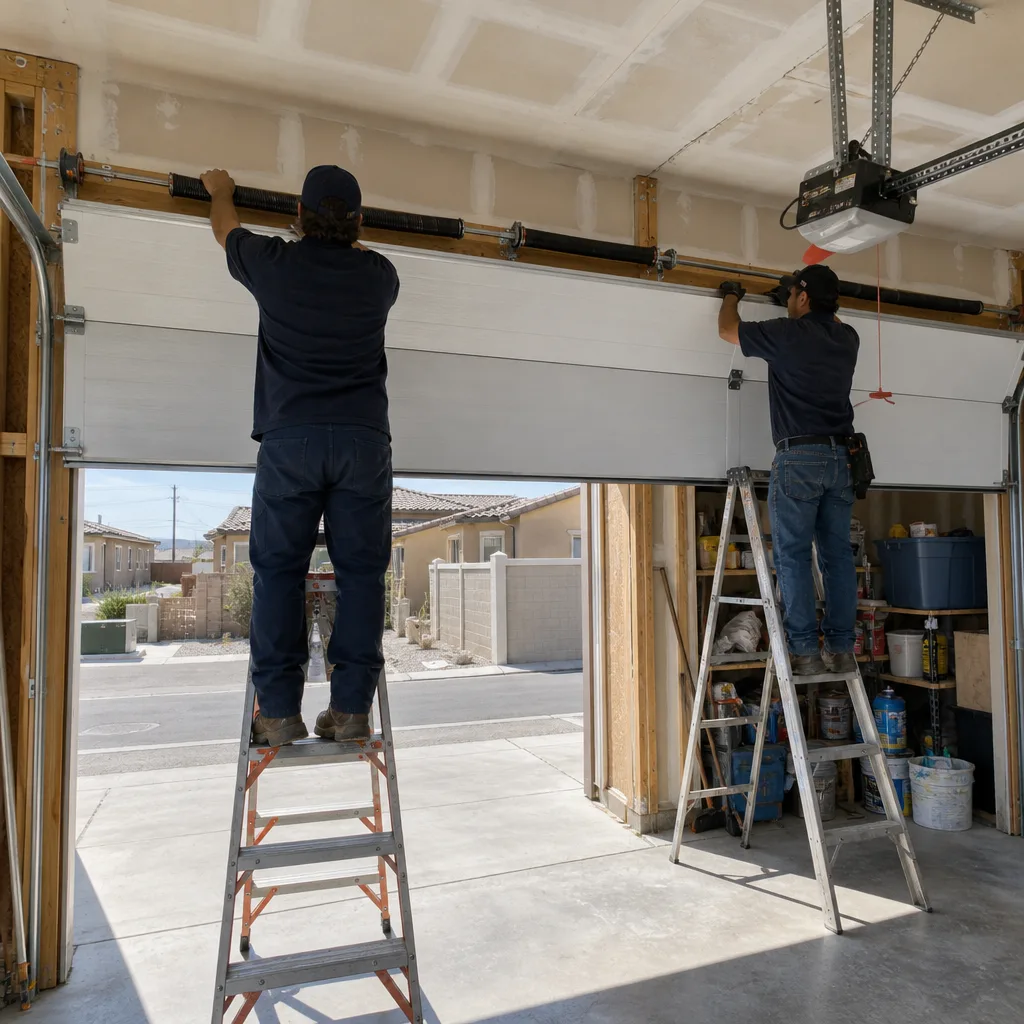
For a full safety and balance inspection, our Garage Door Repair in Winchester team can walk the whole system and note what we find, with photos.
The Right Lubricant for Each Component (and Why WD-40 Isn’t It)
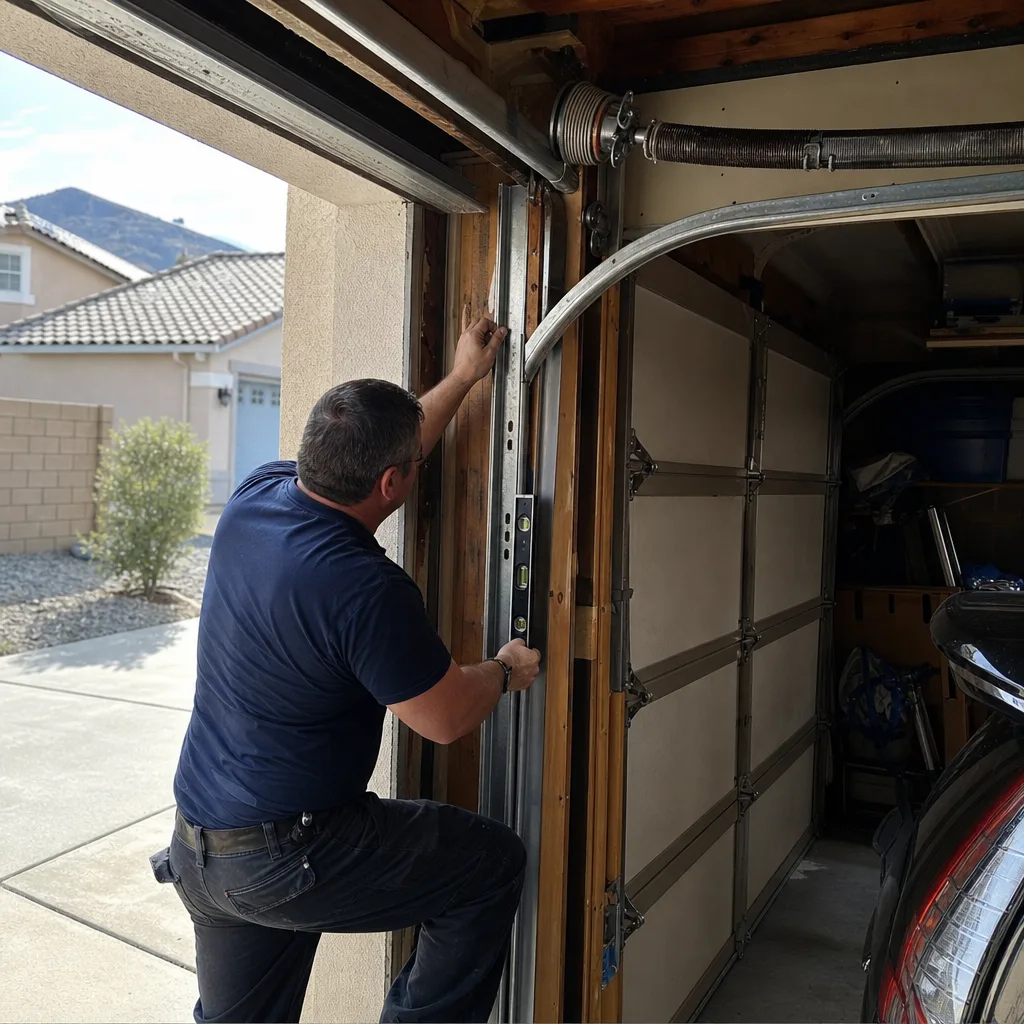
WD-40 is a solvent and light penetrating oil, not a long-term lubricant. It displaces moisture well and cuts through grime, but it evaporates and leaves metal drier than before. On rollers and hinges, it temporarily quiets a squeak and then accelerates wear because the bearing runs with no film left. Use it to clean, never to lubricate.
Here’s what each component actually wants:
- Rollers (steel): A lithium soap grease or a dedicated garage door roller lubricant. A white lithium grease in a tube works well. Apply a small amount to the bearing at the stem, not the roller face, and wipe off the excess.
- Rollers (nylon): Nylon rollers need very little, and some manufacturers recommend no lubrication at all. A dry silicone spray is the safest choice if they start to squeak.
- Hinges and pivot points: White lithium grease or a silicone-based spray. A drop of grease on each hinge pin prevents the dry-metal grind that shows up first at the bottom hinges.
- Torsion spring: A light coat of garage door lubricant or a dedicated spring spray. This is for corrosion control, not tension.
- Tracks: Nothing. Tracks should be clean and dry. Grease on the tracks attracts dust and grit, which packs into the roller channel and causes binding. Wipe with a dry cloth; a slightly damp cloth for stubborn grime.
- Opener chain or screw: Low-temperature chain lube for a chain drive. For a screw drive, the manufacturer’s specified grease (often a light lithium). Never use WD-40 on either.
Buy one tube of white lithium grease and one can of dry silicone spray. That covers nearly every lubrication point on a residential door. The products cost under $25 combined and last a year or more.
Winchester Seasonal Tasks: Heat, Cold, and Dust
Winchester’s climate creates a specific two-part seasonal risk that most generic maintenance guides miss. The material expansion and contraction pattern drives what you check and when.
Pre-summer bearing check (late spring)
As temperatures climb, metal components expand. Bearing tolerance tightens, and a bearing already running low on lubricant will start to bind. A pre-summer check means greasing the bearings and verifying roller play before the heat sets in. We hear the complaints in early July from homeowners who skipped this step. Some Clopay and Amarr door designs have their rollers riding tighter in the track when warm, which makes the check more useful on those models.
Fall cable inspection (before the first cold snap)
When temperatures drop, metal contracts. A cable already showing minor fray or a slight kink under summer tension can snap as the contraction pulls it past its margin. A fall inspection catches that cable before the cold-weather spike in emergency calls. In our experience, the calls that come in at 7 a.m. on the first cold morning of the year are almost always cables and springs, and almost always preventable with a fall check.
Dust management
The desert dust in Winchester works into the tracks and roller bearings all year. A dry wipe of the track surfaces and a clean-out of the roller channel every few months keeps dust from packing into the grease. This is the single most overlooked task in the region, and it’s the reason some Winchester doors wear noticeably faster than identical doors in milder climates.
If your door is nearing the end of its service life and repairs are stacking up, it’s worth a conversation about Garage Door Installation in Winchester versus a series of individual repairs.
Reading Your Bottom Seal Before Water Gets In
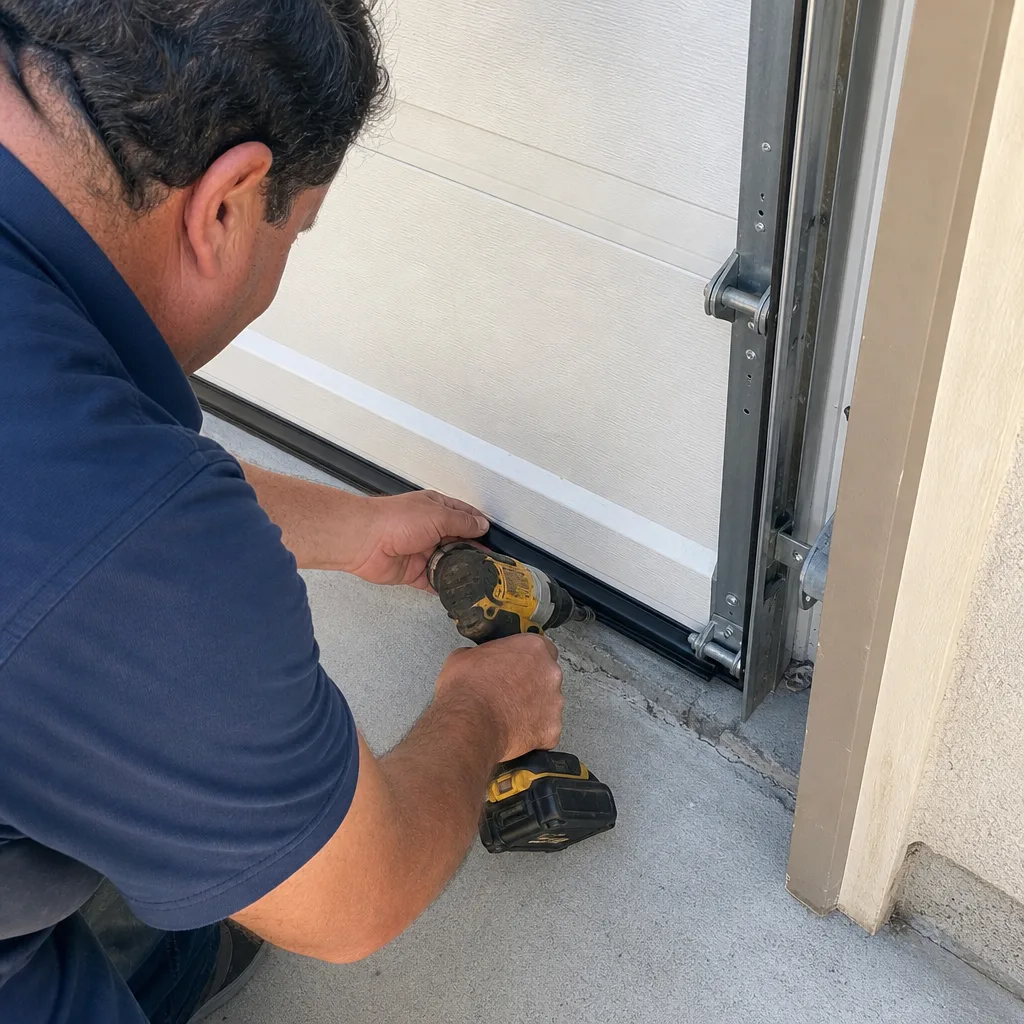
The bottom seal is the rubber strip that meets the floor. When it fails, water, windblown dust, and in Winchester the occasional rain runoff, get under the door. A worn seal lets water pool at the base of the track, and track rust is a much bigger repair than a $30 seal replacement.
Here’s how to read the seal for wear:
- Close the door and look at the seal-to-floor contact from inside. A healthy seal shows continuous contact. A worn one shows daylight gaps at spots.
- Run a hand along the seal’s underside. Cracks, hard spots, or a flat, compressed profile mean it’s done. Rubber that no longer springs back is no longer sealing.
- Check the outside face for cracking or a lifted edge. Sun exposure degrades the outer surface first.
- Look for rust streaks on the bottom section panel or at the base of the tracks. That’s evidence water has been getting in.
- If the seal is more than a few years old or shows any of the above, replace it before the next rainy season. It’s one of the cheapest jobs on a garage door and one of the few that prevents a more expensive one.
Seal wear is a common issue on doors with Wayne Dalton and Genie-matched opener setups, where the door closes with a firm bottom limit and compresses the seal harder each cycle. If the seal is crushed flat, that’s the cause.
The One-Page Maintenance Log We Use Before Quoting Any Repair
Documentation is how a maintenance schedule becomes useful. Without a written record, you’re guessing at what changed and when. The log format below is the same one our technicians use to document findings before quoting a repair. It works on paper or in a notebook app.
Log columns:
- Date of service
- Cycle count (estimated or metered)
- Task performed (lubrication, inspection, adjustment)
- Findings: what was observed, in specific terms (“torsion spring showed surface corrosion at coil 3”)
- Photo reference (if you took one)
- Next trigger (the cycle count at which the next task is due)
That last column is the one most people skip, and it’s the one that makes the log function as a schedule. If you lubricate at 1,400 cycles, you write “next lubrication at 2,000.” You don’t have to remember a month. You look at the log, see you’re at 1,850, and know the task is due soon.
When you eventually call a professional, the log tells them what’s been done and what hasn’t. That shortens the inspection and gives the technician a baseline for the balance and tension check. In Winchester, where dust accelerates wear, a log built over two or three years of entries tells a clearer story than any initial inspection can.
When you do call, you should receive a photo record of what was found. That’s the founding rule behind our Servo Garage Doors Winchester home identity: the customer sees the failed part before anyone quotes a replacement. It’s also what makes the written price verifiable.
Common Mistakes to Avoid
- Using WD-40 as a lubricant. It quiets a squeak for a week and then leaves the bearing drier than it was. The bearing then fails faster. Use lithium grease on rollers and hinges instead.
- Greasing the tracks. Tracks should stay clean and dry. Grease attracts the desert dust in Winchester and packs the roller channel, which is the opposite of what you want.
- Following a calendar without counting cycles. The whole point of a cycle-based schedule is that two homes on the same street can have wildly different wear rates. Six months of daily use is not the same as six months of weekly use.
- Adjusting the torsion spring yourself. A torsion spring is under hundreds of pounds of tension. A single slip with the winding bars can cause serious injury. This is a task for a trained technician, every time.
- Ignoring a slight cable fray. A single broken strand on a cable is a structural failure in progress. It doesn’t get better and it doesn’t wait for a convenient time. Get it inspected at the first sign.
- Skipping the bottom seal because it’s cheap. A worn seal lets water into the track base, and track rust costs many times more to fix than the seal. Check it every spring.
- Never logging the work. Without a written record, you can’t tell whether a noise is new or was there last year. The log is what turns maintenance from a guess into a system.
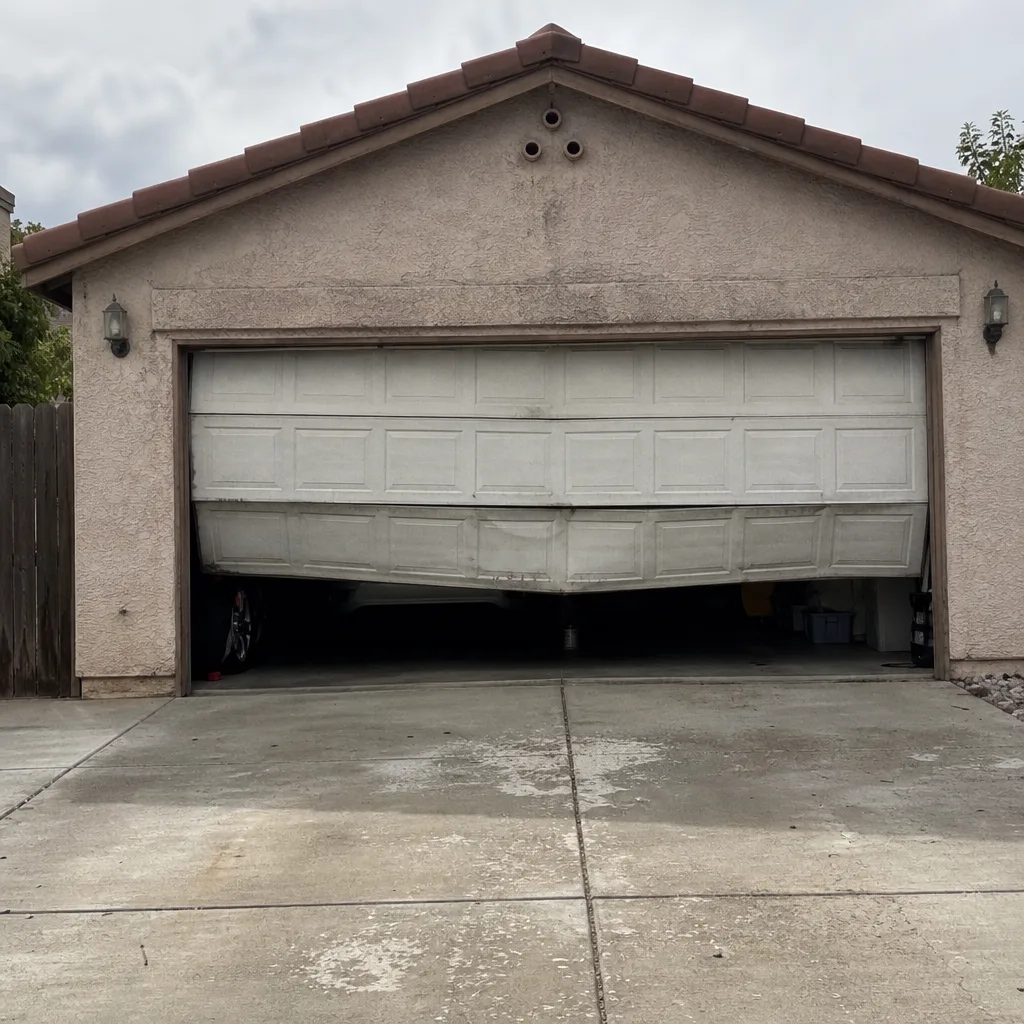
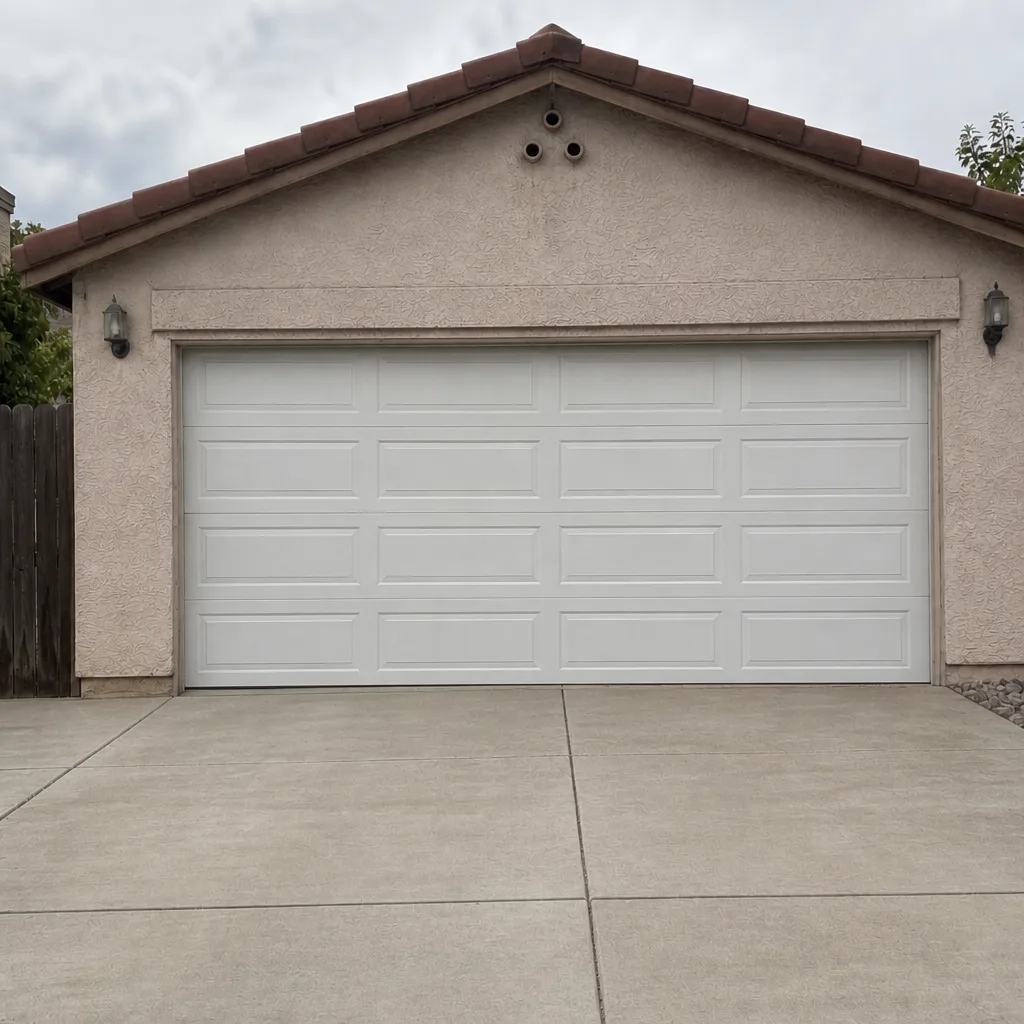
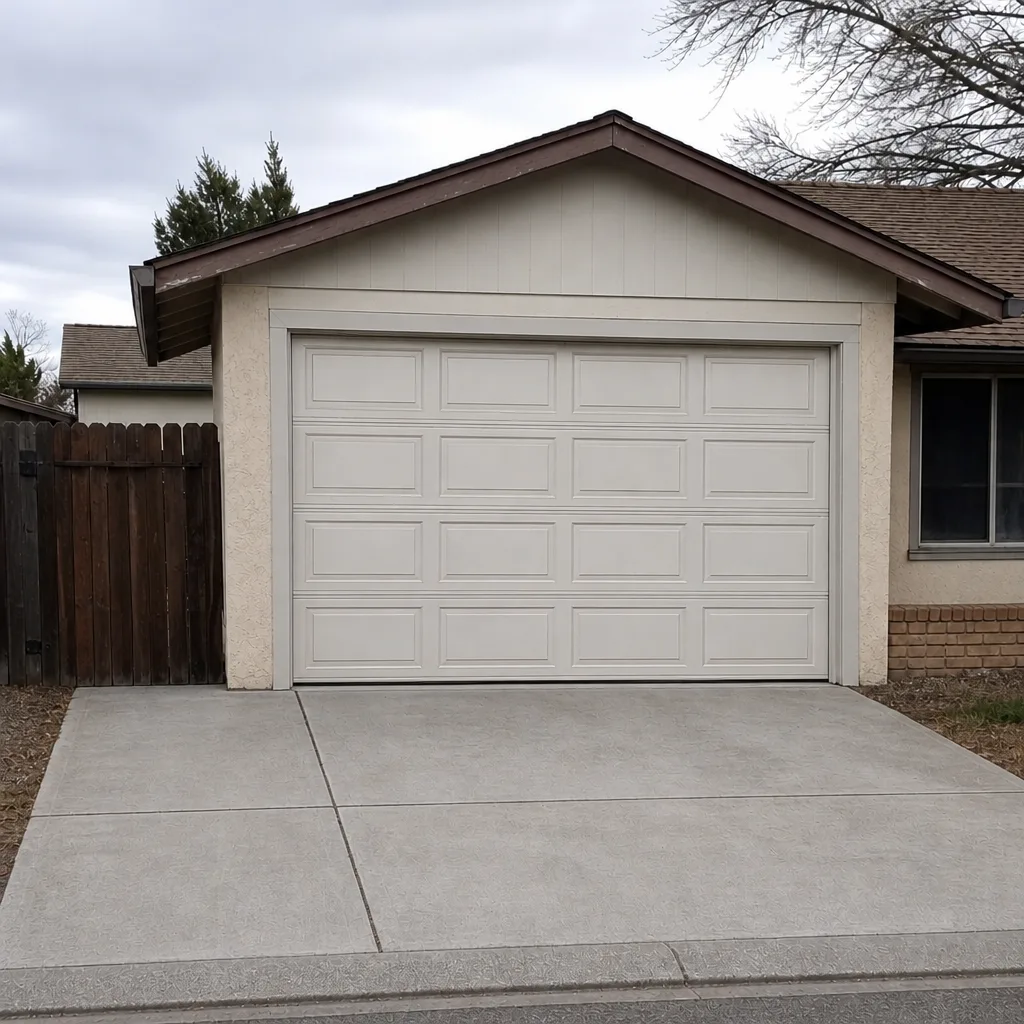
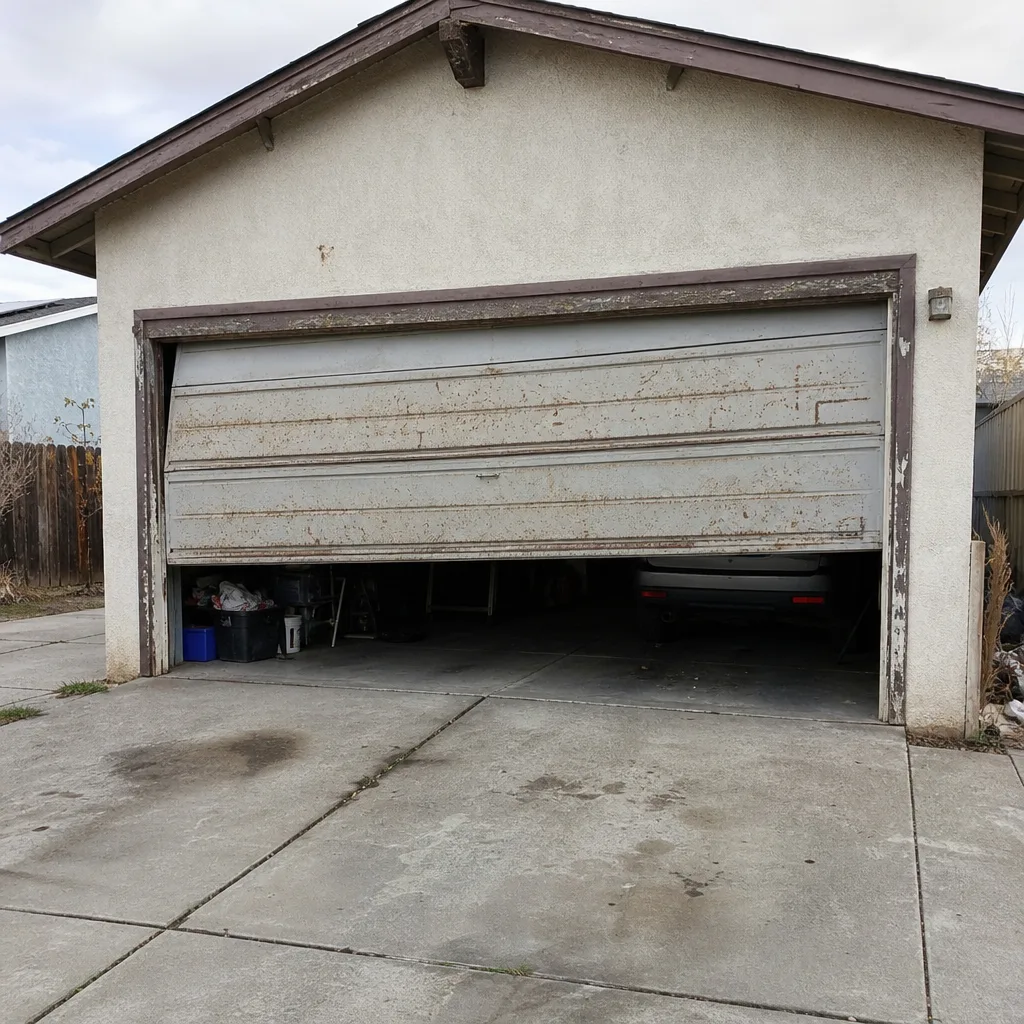
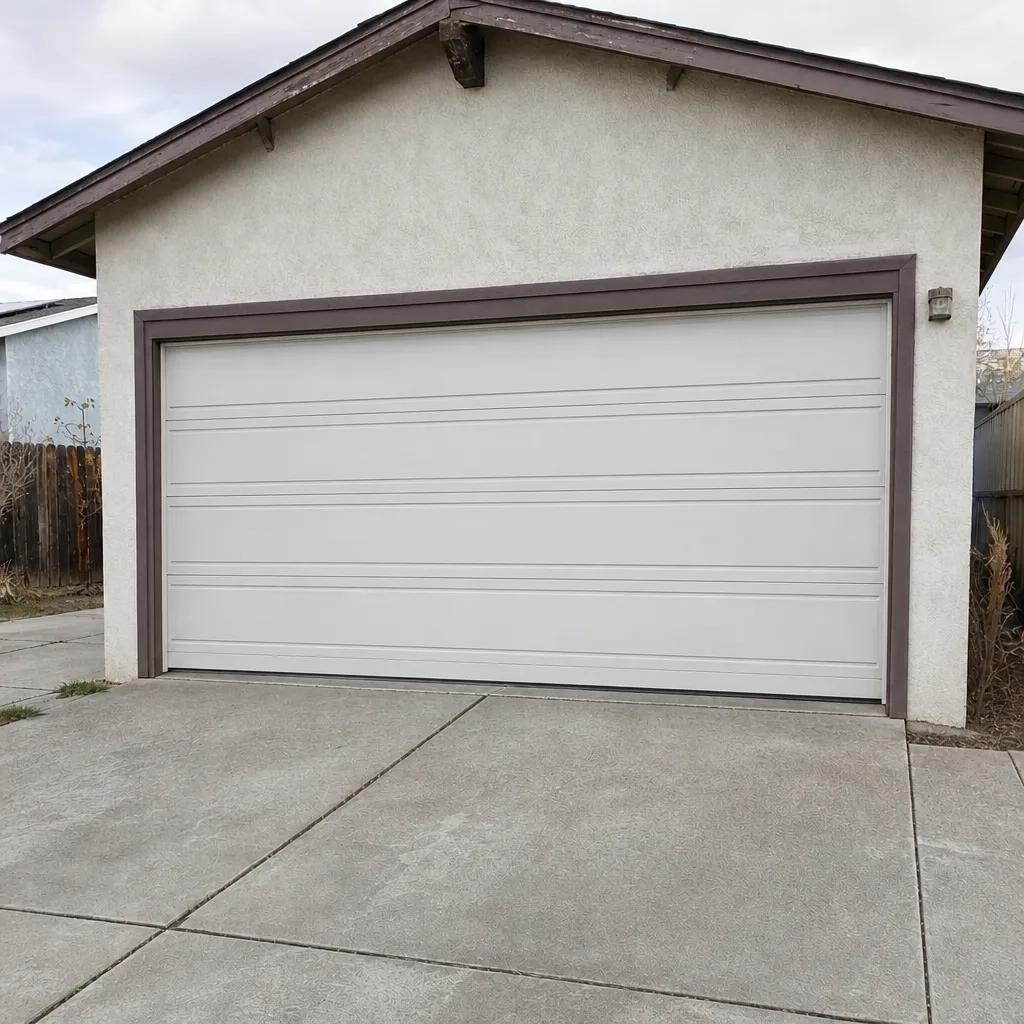
See the difference
BeforeAfter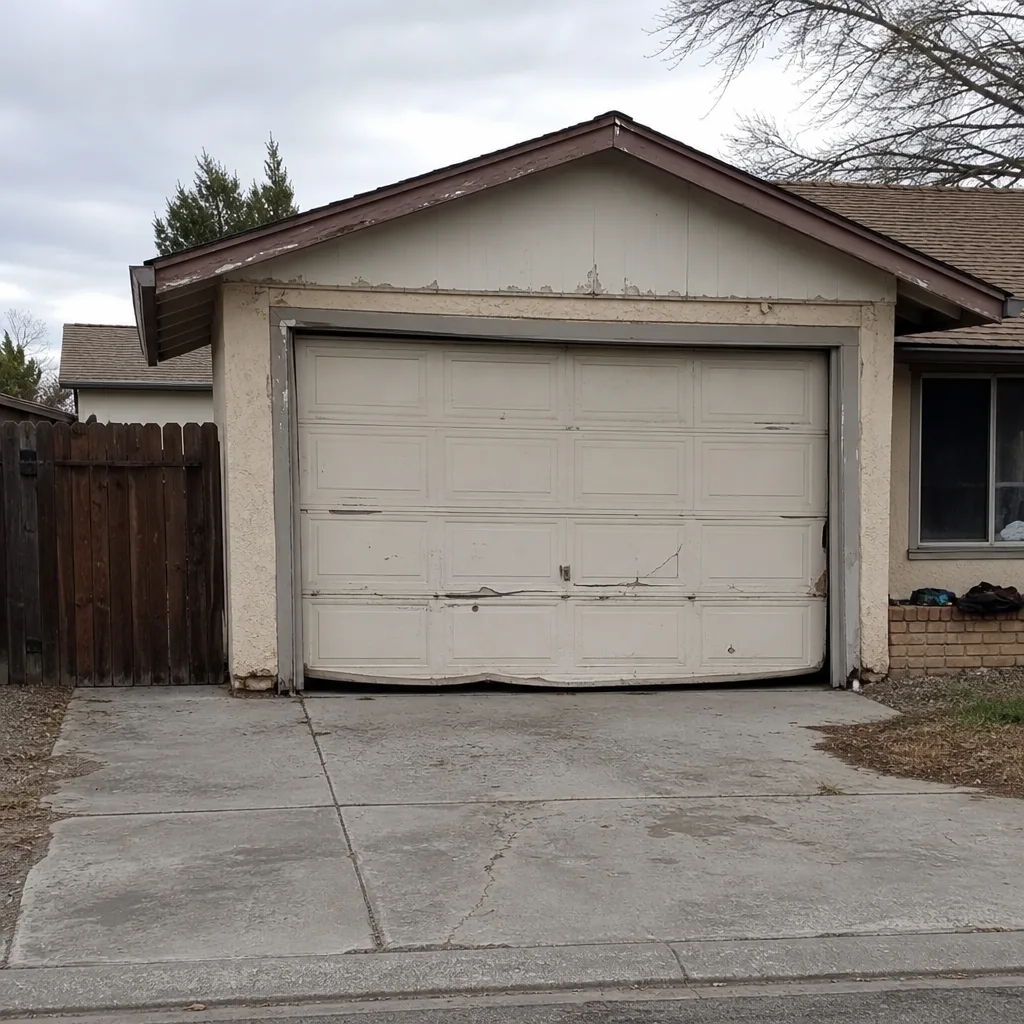 Before
 After
 Before
 After
When to Call a Professional
Some maintenance tasks are safe to do yourself: wiping down tracks, greasing roller bearings, checking the bottom seal, and updating the log. Some are not. Call a professional when the door is out of balance, when a torsion spring has broken or lost tension, when a cable shows any fray or slack, when the door binds or comes off the track, or when a repair is beyond lubrication and adjustment. These aren’t the moments to experiment with.
Servo Garage Doors Winchester offers free estimates in Winchester. We’re available 24/7 for emergency calls, and a real person answers the phone, not a recording. Every job gets a flat, written price and written scope before any work starts, and a documented photo record when the technician leaves. Call (855) 517-0284.
If you think the opener is the problem, our Garage Door Opener Repair & Installation in Winchester team can test the logic board, limit switches, and trolley carriage before you replace anything.
Frequently Asked Questions
Service intervals should be based on cycles, not months: roller lubrication every 500 – 700 cycles, cable inspection every 1,000, and spring tension verification around 2,000. A household that opens the door 8 times a day reaches 700 cycles in under three months. A seasonal home might take a year. Count your cycles for a week to get a real baseline. Call (855) 517-0284 if you’d like help mapping out a schedule for your door.
No. WD-40 is a solvent and light penetrating oil, not a long-term lubricant. It quiets a squeak briefly but evaporates and leaves the bearing drier than before. Use white lithium grease on rollers and hinges and dry silicone spray on nylon rollers. If your door is already squeaking badly, call (855) 517-0284 for a free estimate.
Do a pre-summer bearing check: grease the roller bearings, verify roller play, and clean the tracks of accumulated dust. Heat expands the metal components in a Winchester summer, and a bearing running dry will start to bind as the tolerance tightens. A fall cable inspection before the first cold snap catches frayed cables before contraction pushes them past their limit. Call (855) 517-0284 to schedule a seasonal check.
Look for daylight gaps between the seal and the floor when the door is closed, cracks or hard spots in the rubber, a flat compressed profile that doesn’t spring back, and rust streaks at the base of the tracks. Any of these means the seal is no longer sealing. It’s a low-cost repair that prevents a much more expensive track rust problem. Call (855) 517-0284 for a free estimate.
No. A torsion spring is under hundreds of pounds of tension and can cause serious injury if it slips during adjustment. Our technicians have up to 11 years of experience with spring work, and we recommend leaving torsion spring adjustment to a trained professional. Springs also fail suddenly and without warning when they’re worn, so a technician inspection is the safe route. Call (855) 517-0284 for a free estimate.
Yes, on every job, no exceptions. That’s Clause 1 of The Haven Standard. You get a flat, written price and written scope before any work begins, and a documented photo record when the technician leaves. The 365-Day Done Right Promise means if a repair isn’t right, we make it right. Call (855) 517-0284 for a free estimate.
The Bottom Line
A maintenance schedule built on months ignores how a garage door actually wears. Cycles and temperature swings are what matter. Lubricate at 500 – 700 cycles, inspect cables at 1,000, verify spring tension at 2,000. In Winchester, add a pre-summer bearing check and a fall cable inspection to match the heat and cold. Log every task with the cycle count and your findings so you can spot trends before they become repairs. Keep the right lubricants on hand, leave the torsion spring to a trained technician, and check the bottom seal every spring. A written record is the difference between a schedule that works and one that just looks like it does.
Servo Garage Doors Winchester has documented every job since 2015, with a written price before work started and a photo record when the technician left. That level of documentation is what makes a maintenance schedule actionable. Call (855) 517-0284 for a free estimate, and we’ll walk the door with you and tell you what we find.
Written by the team at Servo Garage Doors Winchester.