
Last updated November 18, 2026
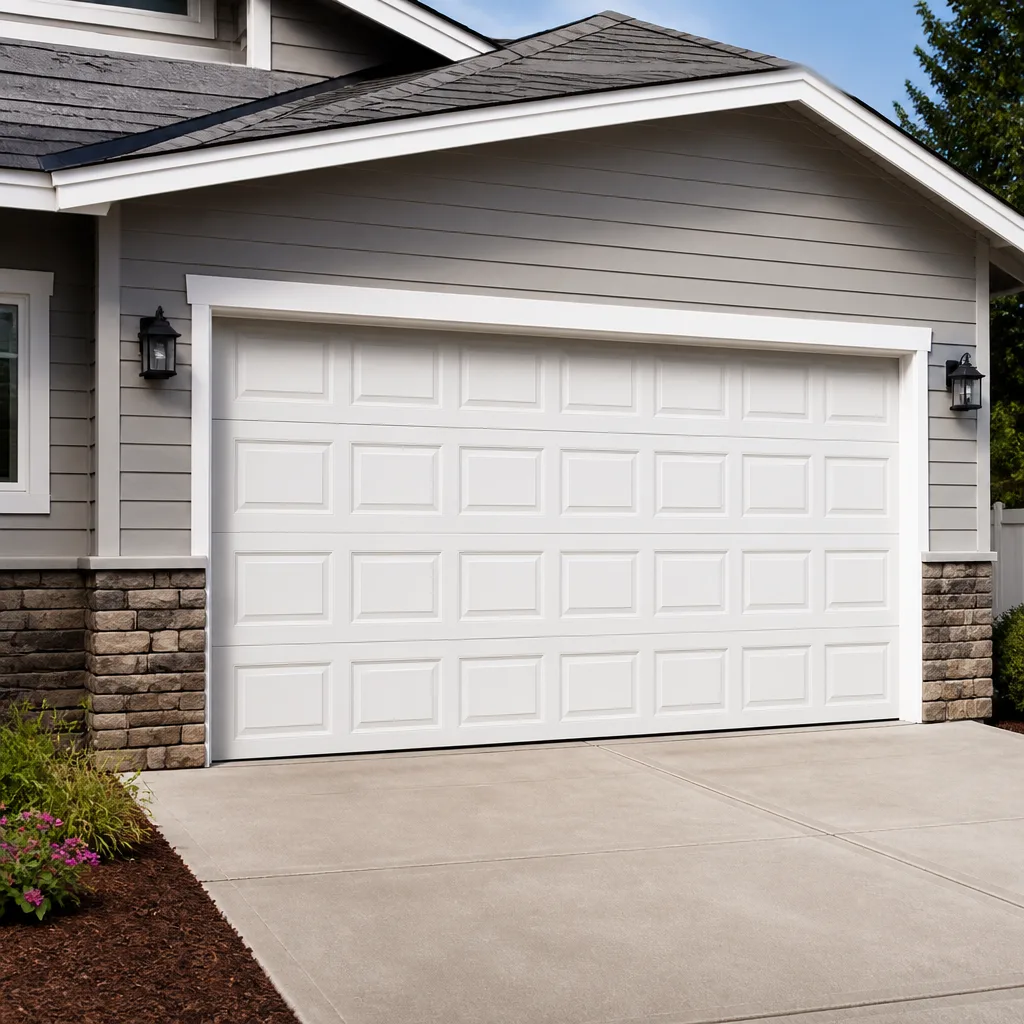 Raised-panel steel
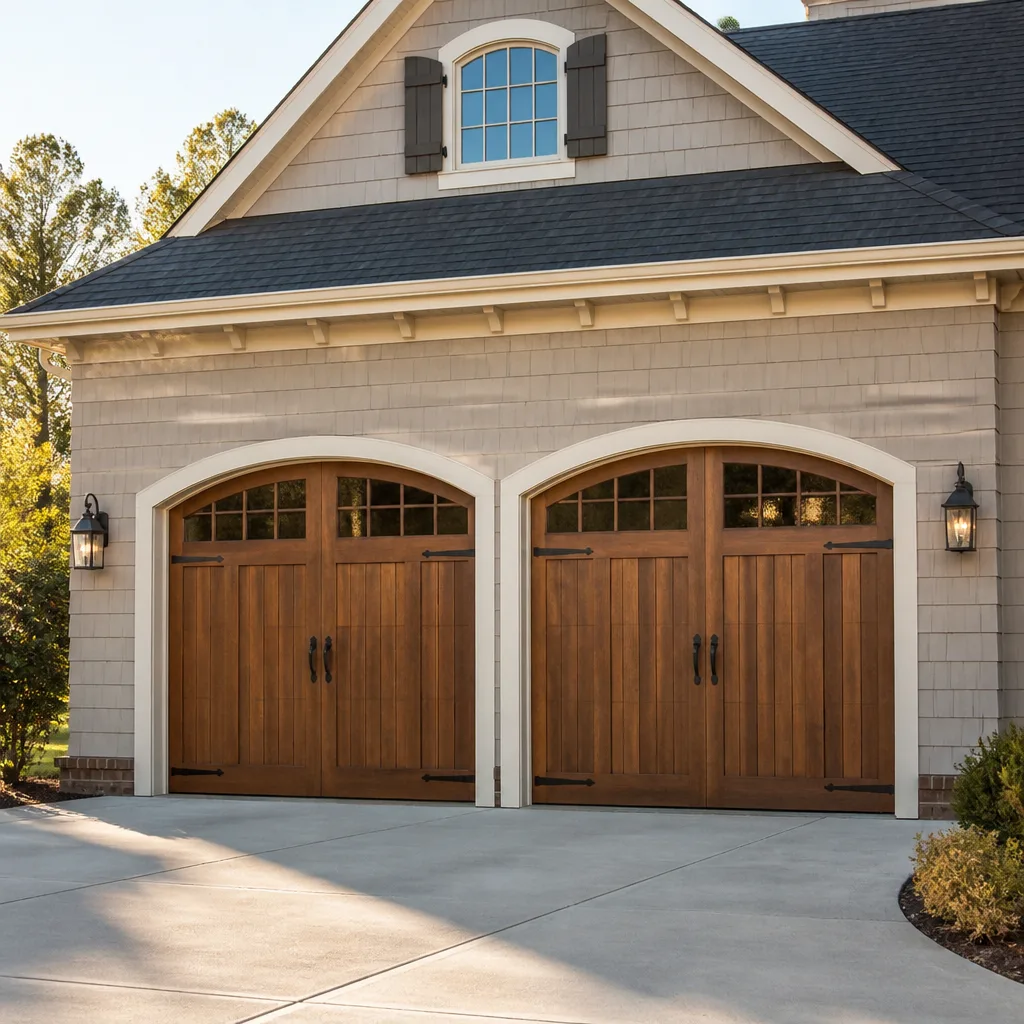 Carriage house
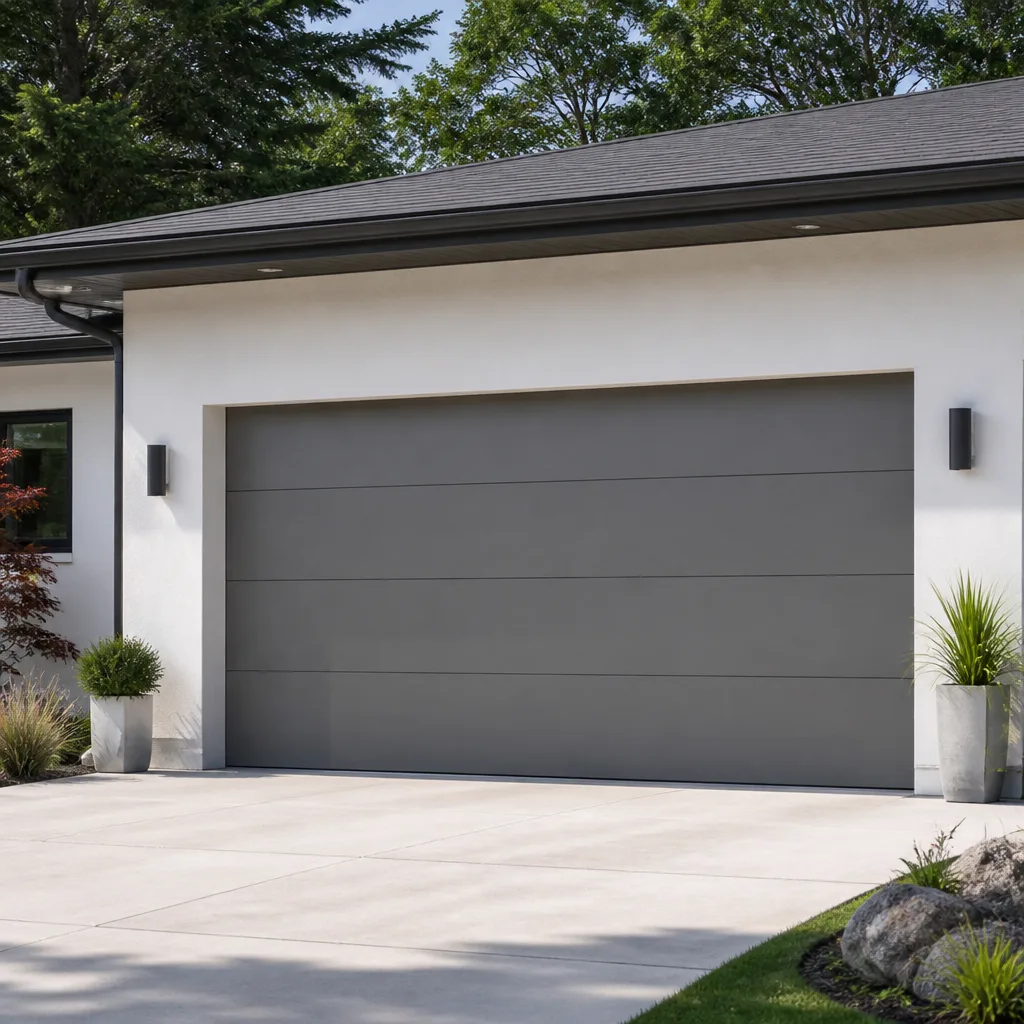 Modern flush
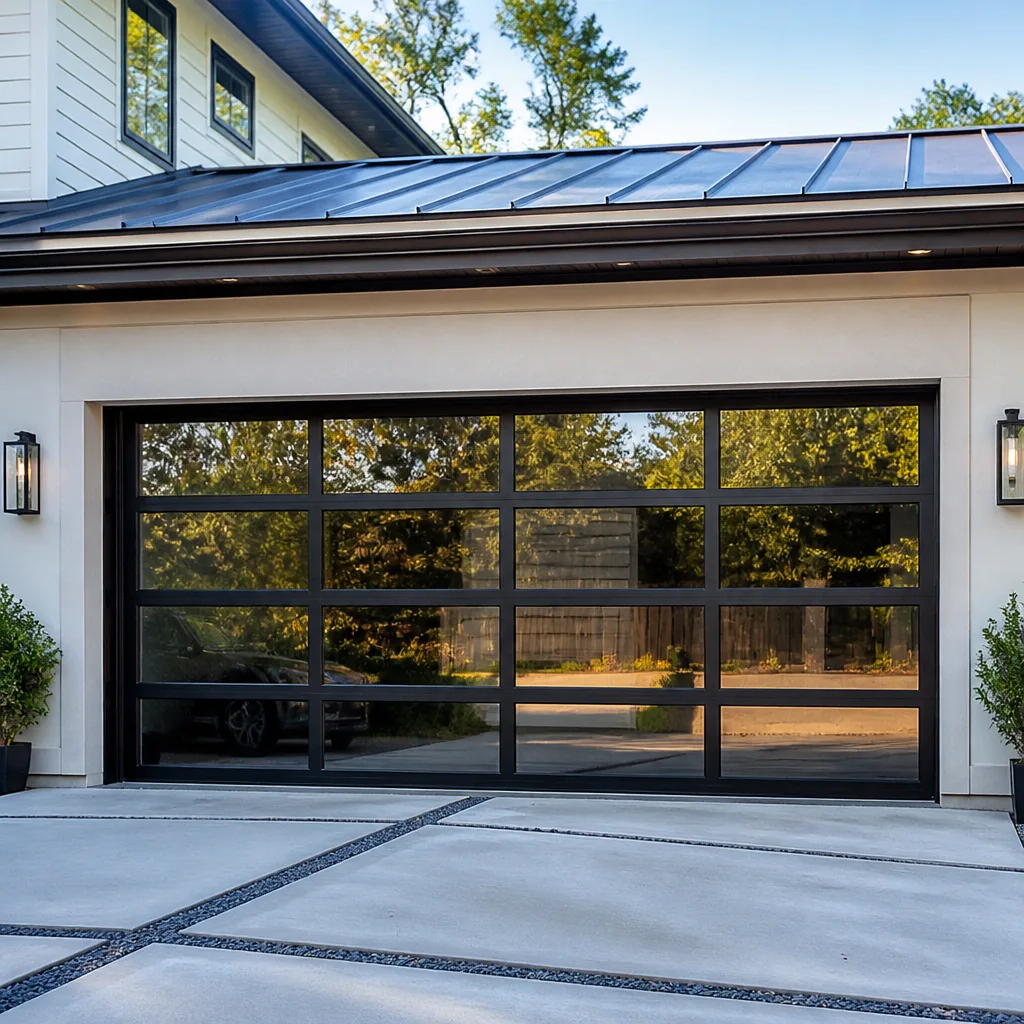 Full-view glass
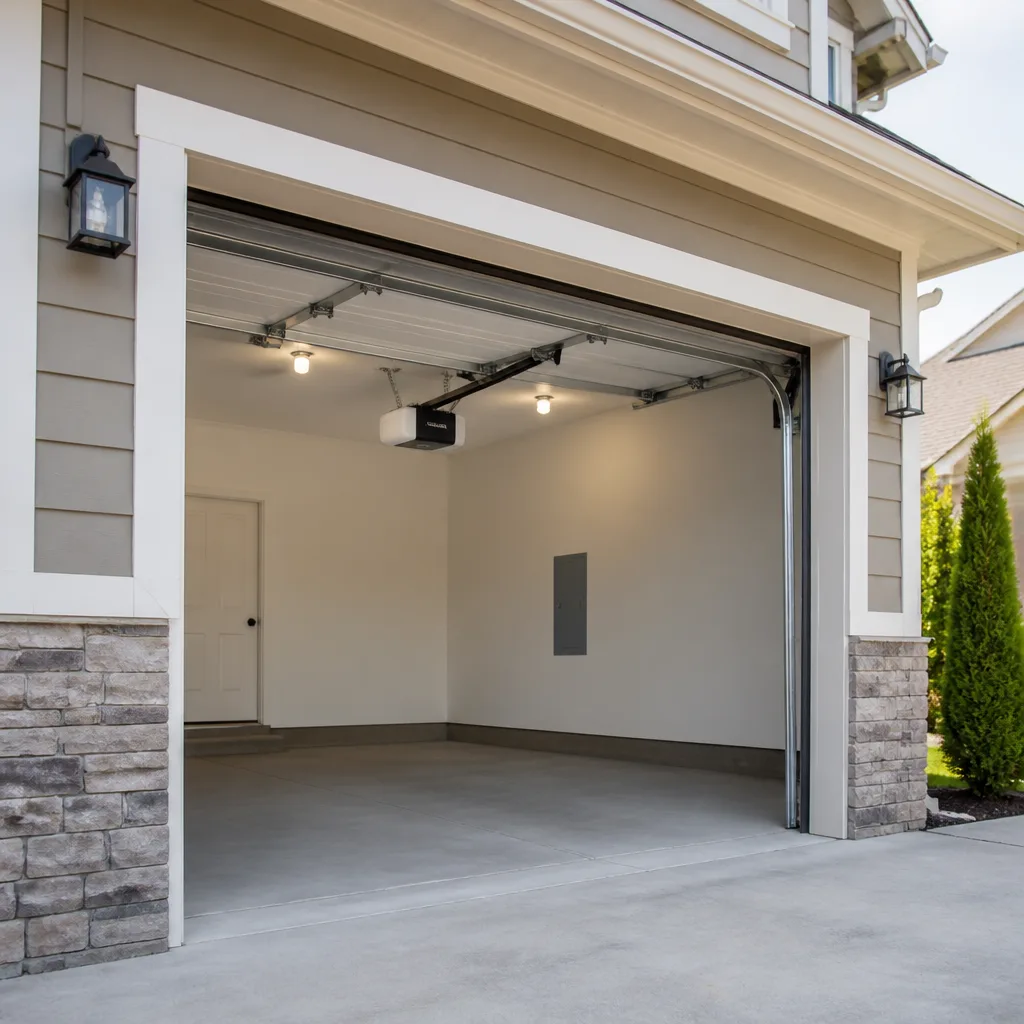 LiftMaster openers
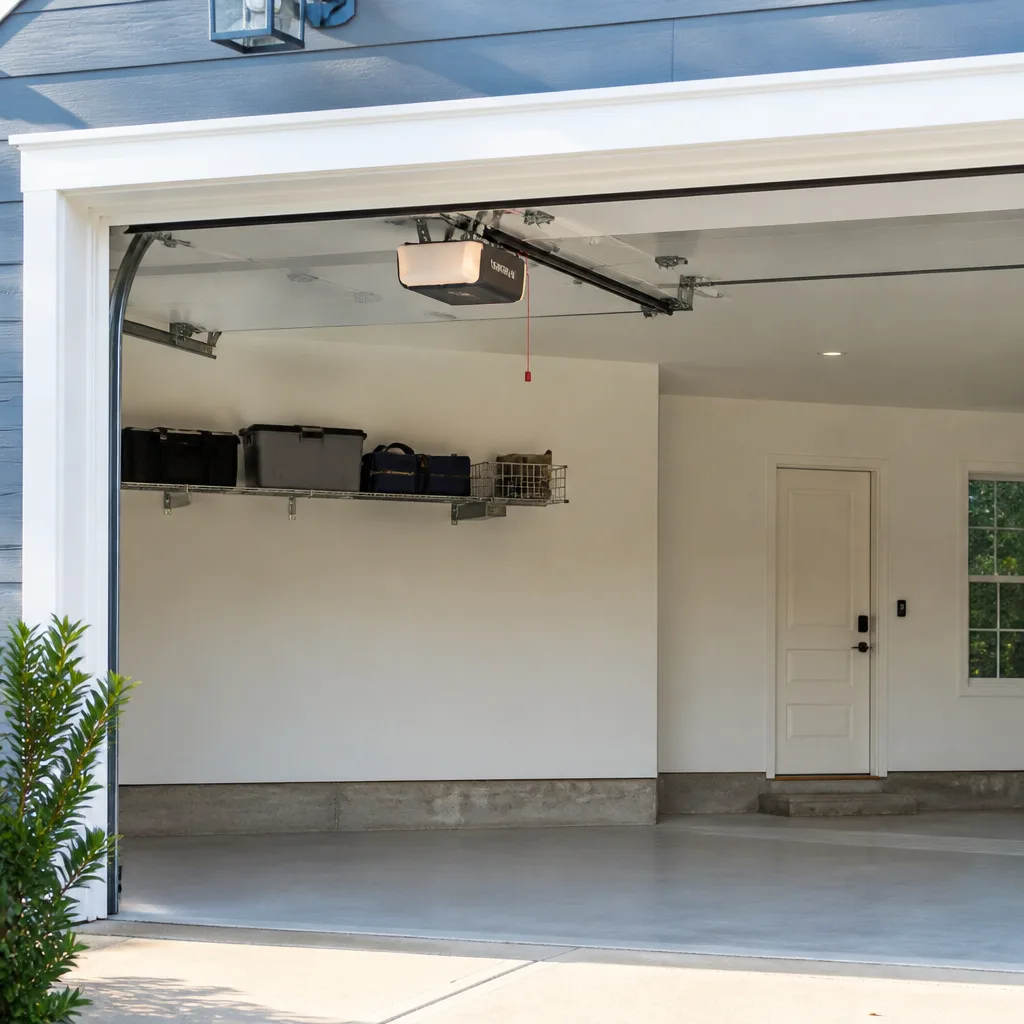 Chamberlain openers
Full 25-point door and opener safety check with every visit - springs, cables, rollers, tracks, and your LiftMaster or Chamberlain opener included
You get a price before we start. It does not change when the pro arrives.
Get your free estimateGarage Door Installation Warning Signs Every Homeowner Should Know
A door that glides down smooth on installation day can still be a failed installation. The most expensive problems we see in Winchester don’t announce themselves with a bang. They show up quietly, twelve to eighteen months later, when the opener motor has been fighting a badly calibrated spring and finally burns out, or when a panel warranty gets denied because nobody recorded the model number. What went wrong was invisible at handover. This guide teaches you to audit the installation while the technician is still in your driveway, not in hindsight when the repair bill lands. You’ll learn the paperwork omissions, the measurement failures, and the physical tells that separate a door that works from a door that was installed correctly.
Quick Answer
The warning signs of a bad garage door installation are mostly omissions, not obvious defects: no itemized written quote before work starts, no photo of the opening taken beforehand, no model and serial number recorded on the invoice, and no labor warranty written down. Physical tells include uneven reveal gaps between sections, tracks that aren’t plumb within 1/8 inch, a bottom seal that doesn’t touch the floor evenly, and a door that fails the manual halfway-lift balance test. Catch these during the job and you avoid a repair six months later.
Styles & brands we work with
- Raised-panel steel
- Carriage house
- Modern flush
- Full-view glass
- LiftMaster openers
- Chamberlain openers
Table of Contents
- The Paperwork Red Flags You Should Check Before the Truck Leaves
- Physical Tells: What an Uneven Reveal and Out-of-Plumb Track Actually Mean
- How to Test Spring Balance Without Touching the Hardware
- “Works” vs. “Installed Correctly”: Opener Force and Auto-Reverse
- Why a Verbal-Only Warranty Is a Data Point, Not a Detail
- Installation in Winchester: Desert Climate, Stucco Walls, and HOA Timing
- Your Real-Time Installation Audit: A Step-by-Step Checklist
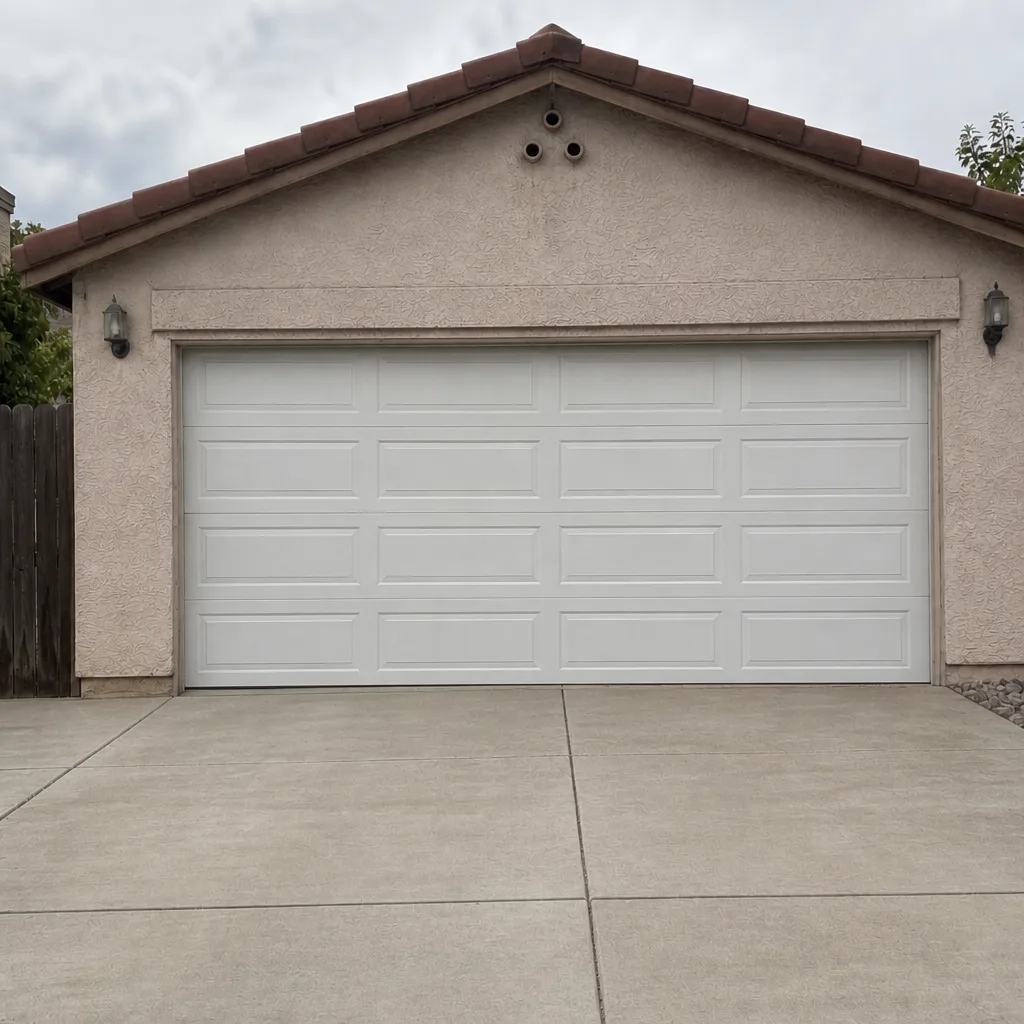
 Before
 After
The Paperwork Red Flags You Should Check Before the Truck Leaves
Most failed installations are diagnosed from the invoice, not the door. The document trail is what you’ll rely on when a warranty claim comes up in year two, and it’s the first thing a manufacturer asks for when a panel or opener fails under coverage. If the paperwork is thin, the installation is probably thin too. Here’s what a proper installation record should contain, and what its absence tells you.
- No itemized written quote with parts. The quote should name the door model, the opener model, springs, tracks, and any hardware, each with its own line and price. A single lump-sum figure with no breakdown means you can’t tell what was actually installed, and neither can a warranty department. At Servo, our Garage Door Installation in Winchester work is quoted with a flat, written price and written scope before anything starts.
- No photo of the opening before work begins. The rough opening, the header, the framing, the floor condition: all of it should be photographed before a single bracket is mounted. That photo is your baseline. Without it, a contractor can blame pre-existing conditions for a problem they created.
- No model and serial number on the invoice. The door panel model and the opener serial number are the two numbers a manufacturer needs. If they’re missing, the warranty may be unenforceable, which is a problem the installer created, not you.
- No written labor warranty separate from the manufacturer warranty. The manufacturer covers the part. The installer covers the labor. If the labor warranty isn’t written on the invoice, it doesn’t exist when you need it. Clause 1 of The Haven Standard exists precisely because a written scope and price removes the ambiguity.
In Winchester, we regularly see invoices that list only “garage door install” and a dollar figure. That document is worth very little the day a spring fails early or a panel delaminates. The paperwork is the installation’s paper trail, and it should be complete before anyone picks up a tool.
Physical Tells: What an Uneven Reveal and Out-of-Plumb Track Actually Mean
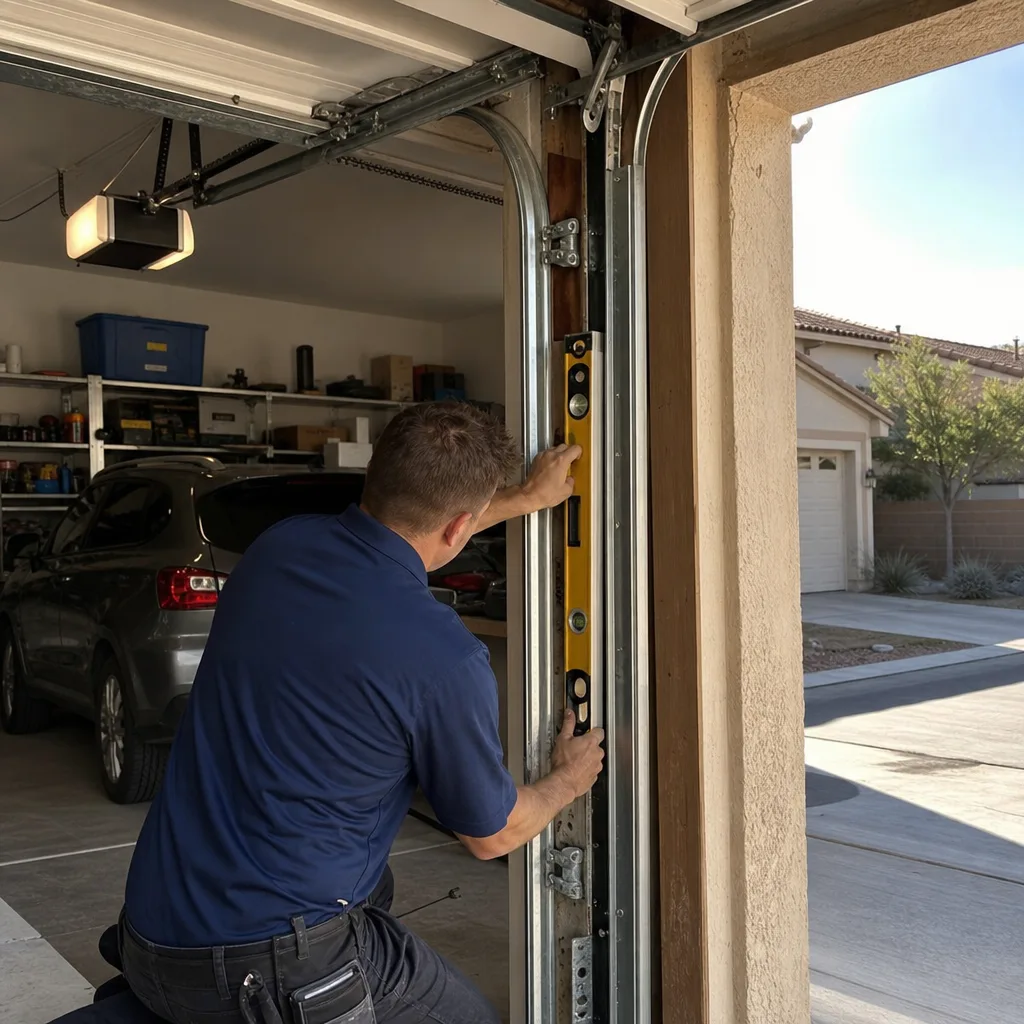
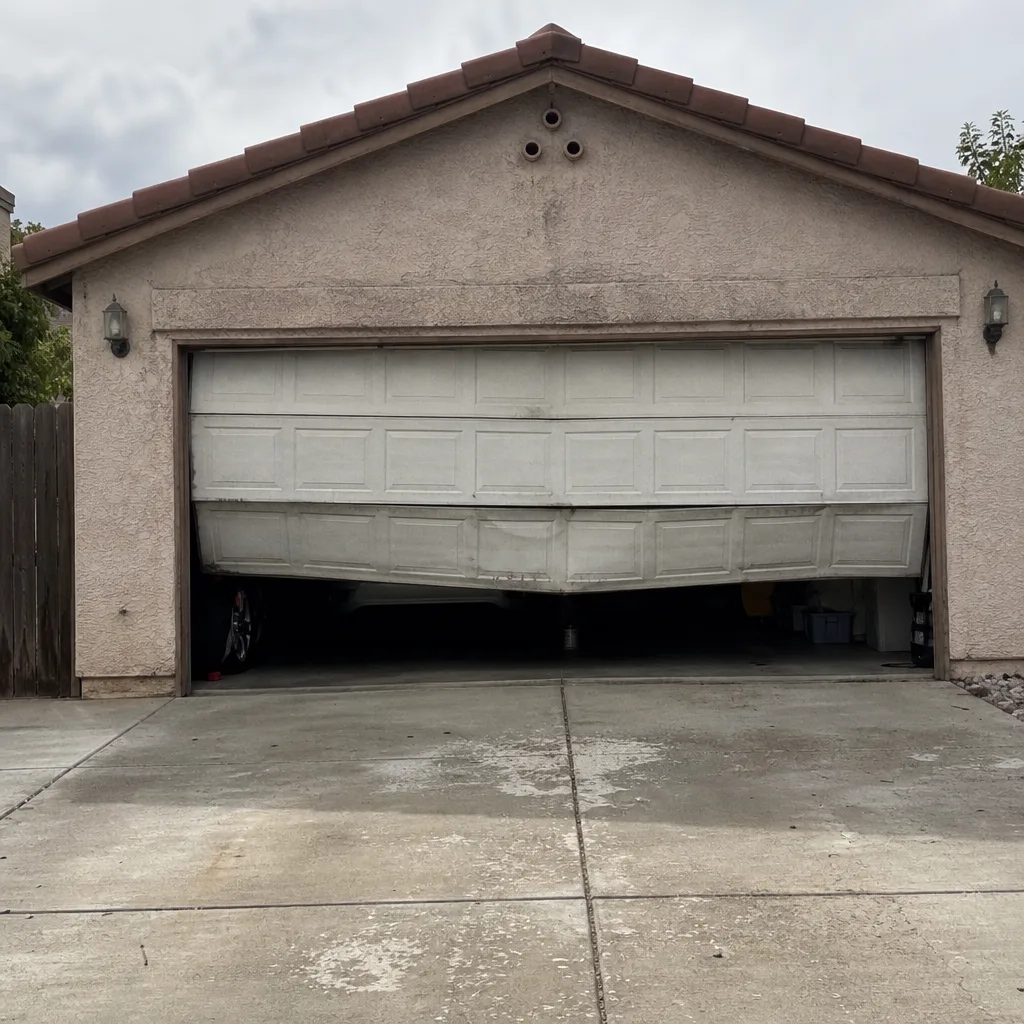
A correctly installed door looks boring. The reveal, which is the gap between the door edge and the surrounding frame, should be even on both sides and consistent top to bottom. Uneven reveals are the first physical tell that the opening was never measured properly, or that the door was hung without shimming to the actual frame. It’s not cosmetic. A door hung out of square puts uneven load on the springs and the opener, and that load shows up as premature wear.
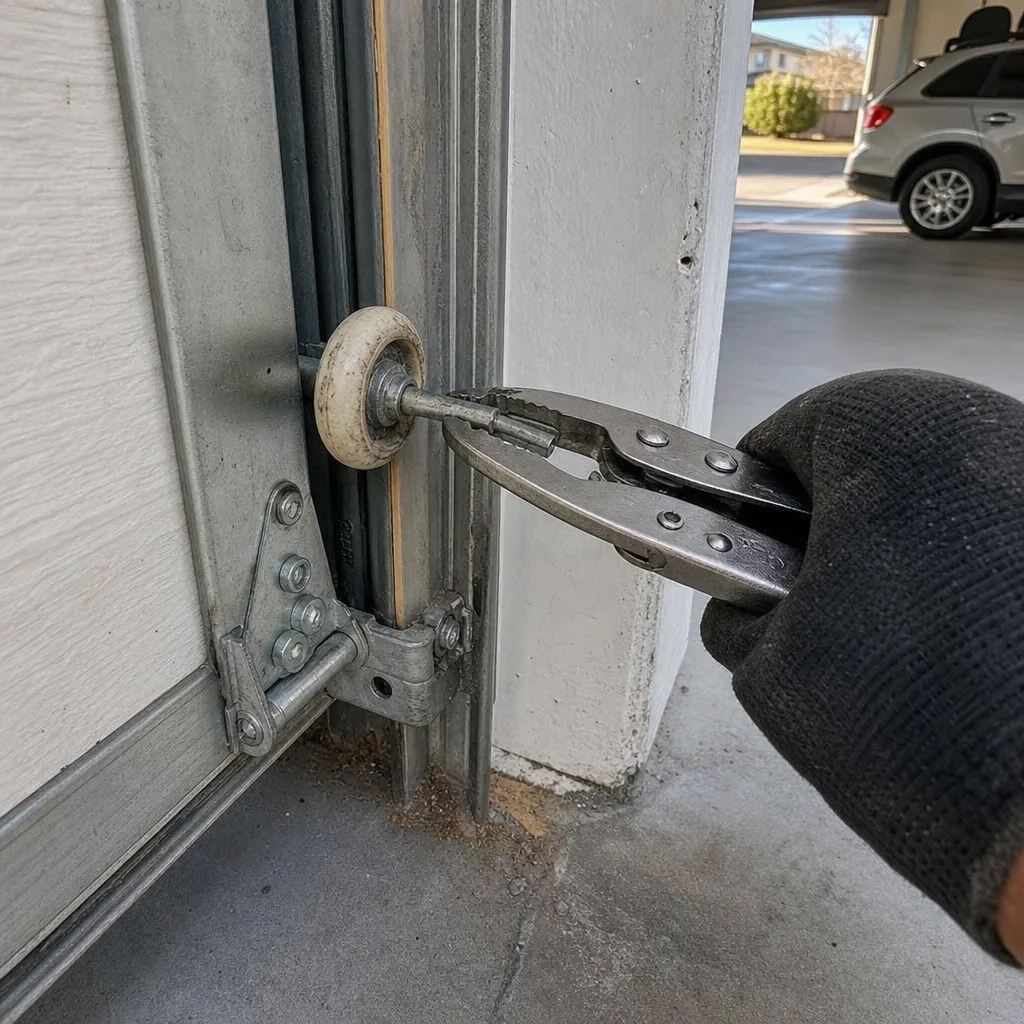
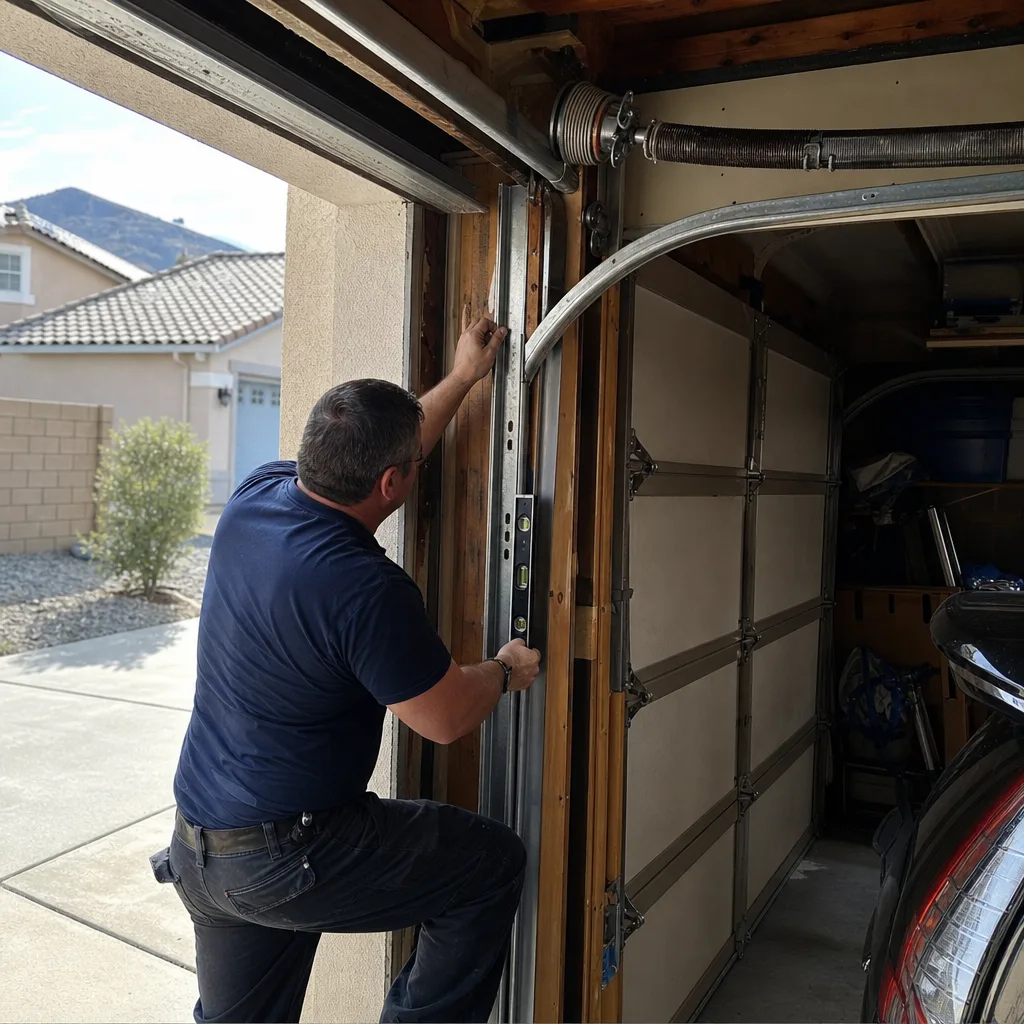
Tracks are the next thing to check. A track that isn’t plumb within 1/8 inch, meaning it isn’t perfectly vertical within an eighth of an inch over its length, will cause the rollers to bind as the door travels. You may not notice the binding on day one. You’ll notice it as a grinding noise or a door that drifts to one side as it rises. Ask the installer to show you a level reading on the vertical track. It takes ten seconds and it’s the difference between a door that lasts and one that annoys you for a year.
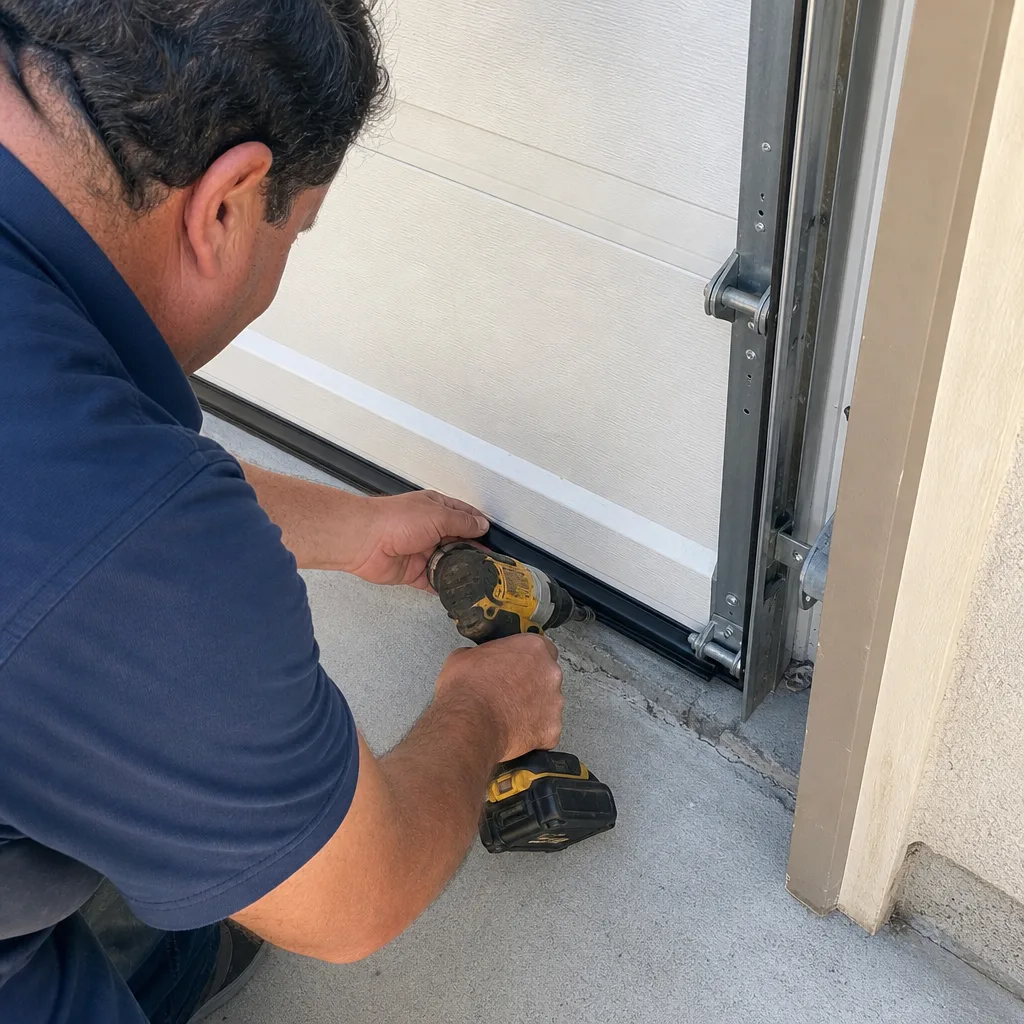
The bottom seal is the easiest tell to check yourself. Close the door and look at where the seal meets the floor. It should contact evenly across the full width. Gaps at the corners or a seal that only touches in the middle mean the floor wasn’t measured for slope, which most garage floors have. A proper install accounts for that slope. If the seal fails, you get drafts, dust, and in Winchester’s windy spring months, a fine layer of desert grit along the inside of the door every week.
How to Test Spring Balance Without Touching the Hardware
An improperly balanced door is the single most common cause of premature opener failure. When the springs aren’t tensioned to carry the door’s weight, the opener motor does the lifting work the springs should be doing. That added load damages the motor over twelve to eighteen months. You won’t see it. The door still opens. The motor just works harder until it doesn’t.
You can test balance safely without touching a spring, a cable, or a bracket. This is a check, not a repair. The springs on a garage door store enough energy to cause serious injury, so please don’t try to adjust them yourself. Here’s the test:
- Disconnect the opener by pulling the release cord, so the door is on manual.
- Lift the door by hand to about the halfway point and stop.
- Let go. A balanced door holds its position, roughly, at halfway.
- If it slams down or drifts up on its own, the springs are out of balance.
The halfway hold is the tell. A door that won’t hold roughly in place means the spring tension is wrong, and that’s a callback for the installer, not something to live with. It’s also worth noting the door should lift with one hand and minimal effort across its travel. If you’re pulling hard, the balance is off. In our experience servicing Winchester homes, this is the check that catches the most installation problems before they cost anyone a motor.
“Works” vs. “Installed Correctly”: Opener Force and Auto-Reverse
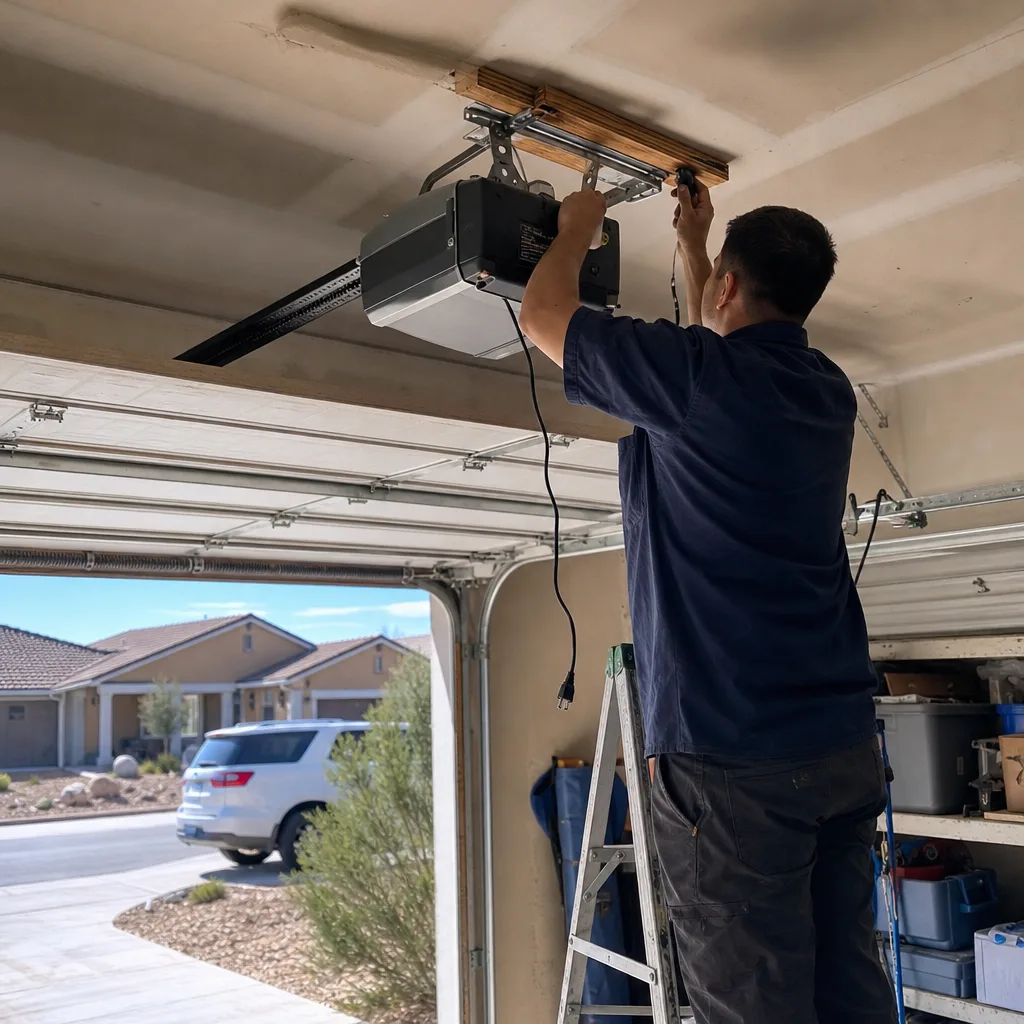
A door that opens and closes on command is not proof of a correct installation. The two settings that decide whether it was actually done right are the opener’s force setting and its auto-reverse calibration, and neither is visible from the outside.
The force setting governs how hard the opener pushes and pulls. Set too high, the opener can crush or damage anything in the door’s path. Set too low, the door stops short and reverses on its own. The correct setting is calibrated to the actual weight of the door after the springs are balanced. Ask the installer to show you the force adjustment and explain how it was set. A technician who can’t explain it didn’t set it deliberately.
Auto-reverse is the safety system that should send the door back up when it meets resistance. There are two tests, and you can run both yourself. Place a roll of paper towels or a 2×4 flat on the floor in the door’s path and close the door. It should reverse on contact. Then, with the door near the bottom, wave a hand across the safety sensors at the base of the tracks. The door should reverse. If either test fails, the installation isn’t finished, no matter how well the door opens. If you’re not sure your opener’s safety settings are right, our Garage Door Opener Repair & Installation in Winchester team can check them on a service visit.
Why a Verbal-Only Warranty Is a Data Point, Not a Detail
If the installer won’t write the labor warranty on the invoice, treat that as information about how they handle callbacks. A verbal promise to “take care of you” is not enforceable and it’s not a warranty. It’s a hope. The labor warranty should state, in writing, how long it covers the installation work, what it covers, and how to make a claim.
This matters more than most homeowners realize because manufacturer warranties and installer warranties cover different things. The manufacturer might cover a failed panel or a dead opener under their terms, but the labor to diagnose and replace it is on the installer. If that labor coverage was never written down, you’re paying for the fix even when the part is free. Ask for both documents in writing before work begins, and read the labor section specifically.
We codified this as part of the 365-Day Done Right Promise: if a repair isn’t right, we make it right, and the terms are on a page you can read, not a handshake. The point isn’t that our promise is special. The point is that a promise you can’t read isn’t a promise. When you’re comparing installers in Winchester, the written terms are the comparison.
Installation in Winchester: Desert Climate, Stucco Walls, and HOA Timing
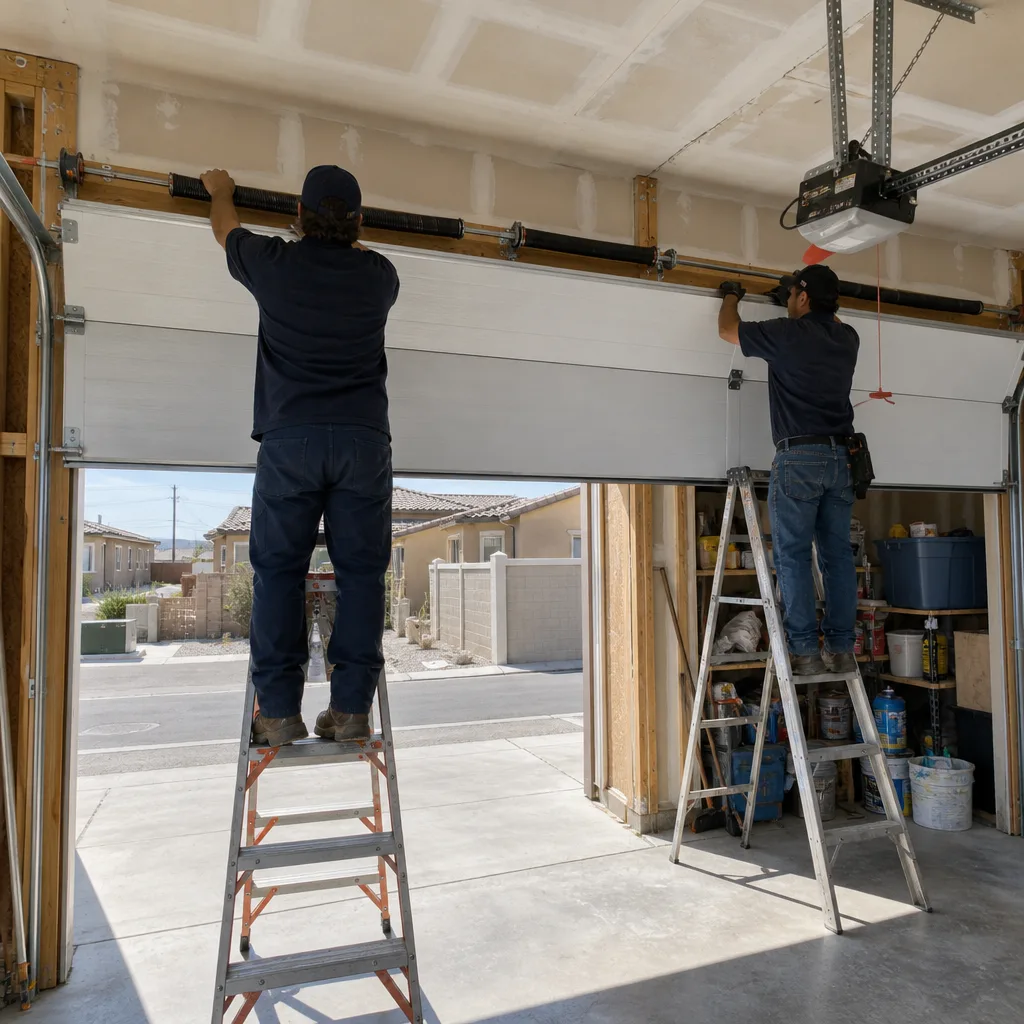
Winchester installs have local pressures that generic guides skip. The desert climate matters. Summer heat cycles expand and contract metal tracks and door panels, and a track that was hung with too little play will bind in July even if it ran clean in March. A good installer accounts for thermal movement when setting the track brackets. Ask about it. In our experience, the doors that fail early in Winchester fail on thermal expansion, not on hard use.
The stucco and block construction common in Winchester neighborhoods is another factor. Mounting a door to a stucco-over-frame wall means the installer has to find the structural framing behind the stucco for the brackets, not just anchor into the stucco skin. A bracket lagged into stucco alone will pull loose over time. If your door was installed that way, the first sign is a bracket that works loose or a track that drifts out of plumb. Ask where the brackets were anchored and how the framing was located.
HOA timing is the third local consideration. Many Winchester communities restrict door color, panel style, and even the hours installation can happen. A reputable installer will ask about your HOA rules before ordering, so the door you buy is the door you’re allowed to hang. That ordering wait is also why new-door and replacement work is scheduled, not rushed. If you’re weighing a new door, our installation page covers the measure-and-order process.
Your Real-Time Installation Audit: A Step-by-Step Checklist
Here’s the audit to run while the installer is still on site. Work through it in order, and don’t sign off until every item is answered.
- Verify the written quote matches what’s being installed. Model numbers, parts, and price should all match the document you agreed to before work began.
- Confirm the opening was photographed before work. Ask to see the photos. They should exist.
- Check the reveal. Walk the door edge and confirm the gap to the frame is even on both sides and top to bottom.
- Ask for a level reading on the vertical tracks. They should be plumb within 1/8 inch.
- Run the manual halfway lift test. The door should hold roughly in place with the opener disconnected.
- Test the auto-reverse with an obstruction and with the safety sensors. Both should send the door back up.
- Confirm model and serial numbers are recorded on the invoice. Panel model and opener serial, both written down.
- Read the labor warranty in writing. If it’s not written, ask for it before you pay.
- Check the bottom seal contact. It should touch the floor evenly across the full width, slope included.
The whole audit takes fifteen minutes and catches almost every installation problem before it becomes a repair. If you’d like a second set of eyes, we offer a free second opinion on any written estimate from another company. Bring the paperwork and we’ll read it with you.
Common Mistakes to Avoid
- Paying before the labor warranty is written down. Once payment clears, the incentive to put it in writing drops sharply. Get the warranty on the invoice first.
- Accepting a lump-sum quote with no itemized parts. A single figure you can’t break down is a warranty claim waiting to be denied. Demand the line items.
- Skipping the auto-reverse test. It’s the safety system, and it takes thirty seconds. A door that opens smoothly can still fail to reverse on a child or a pet.
- Ignoring an uneven reveal because it looks small. A door hung out of square wears springs and openers faster. The gap you shrug off today is the motor you replace next year.
- Letting the installer anchor brackets into stucco instead of framing. Common in Winchester and a slow failure. Ask where the brackets are anchored.
- Not recording the door model and opener serial. Without them, a manufacturer warranty may be unenforceable when you need it most.
- Trusting a verbal labor warranty. It’s not a warranty, it’s a conversation. If it isn’t on paper, it doesn’t exist.
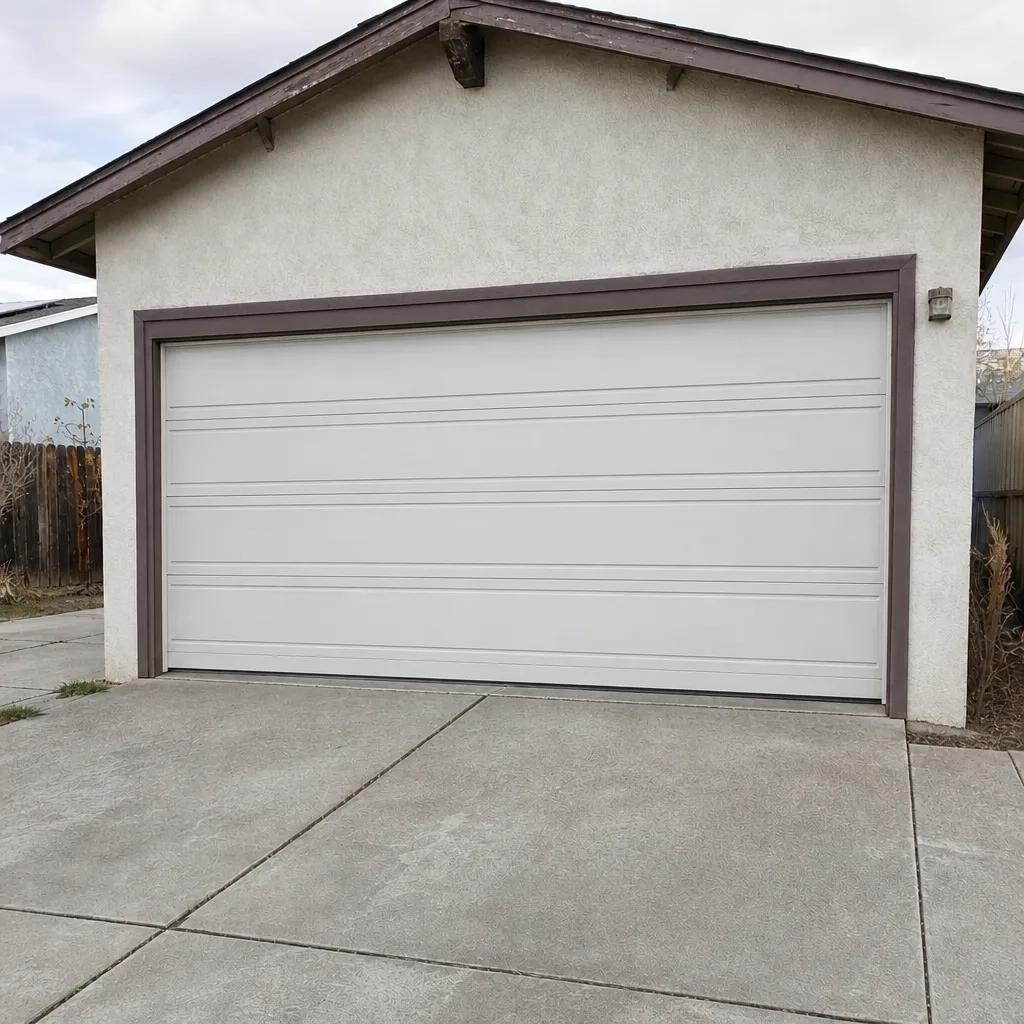
See the difference
BeforeAfter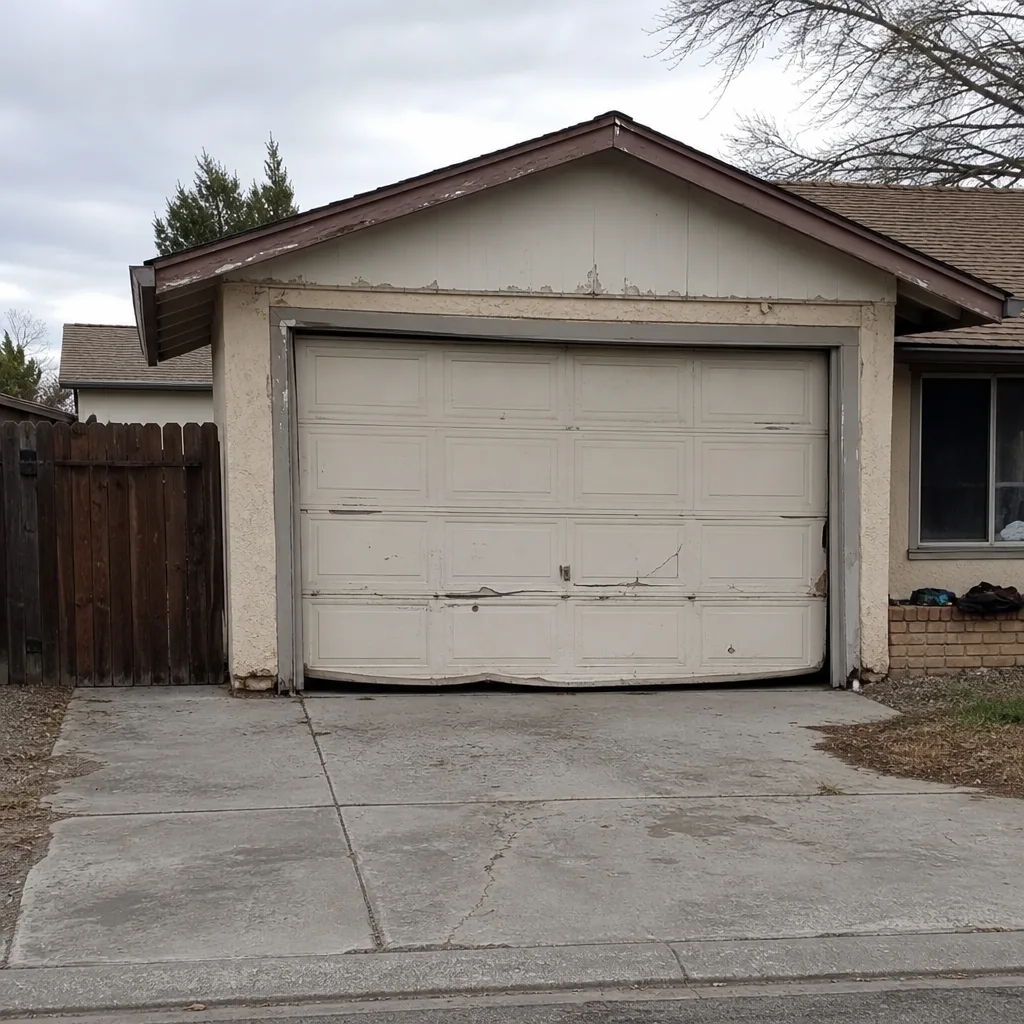 Before
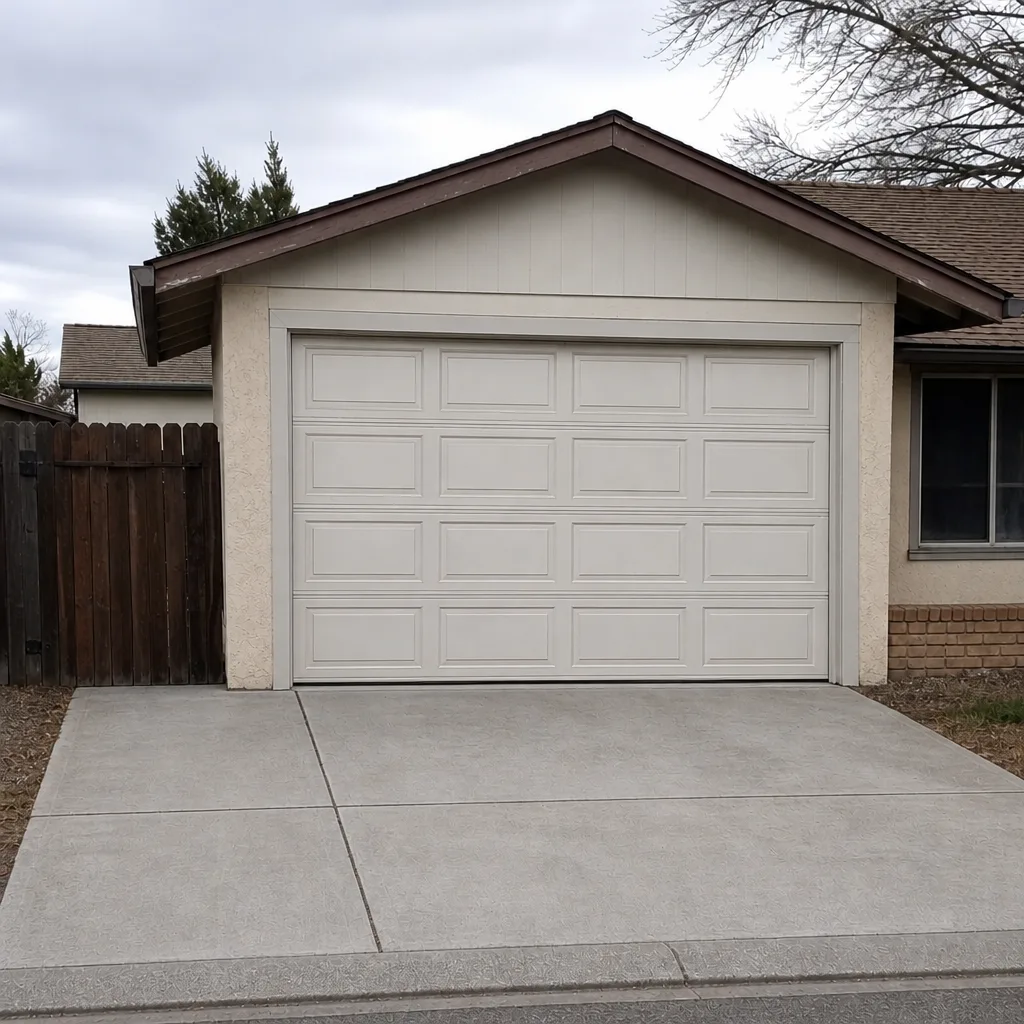 After
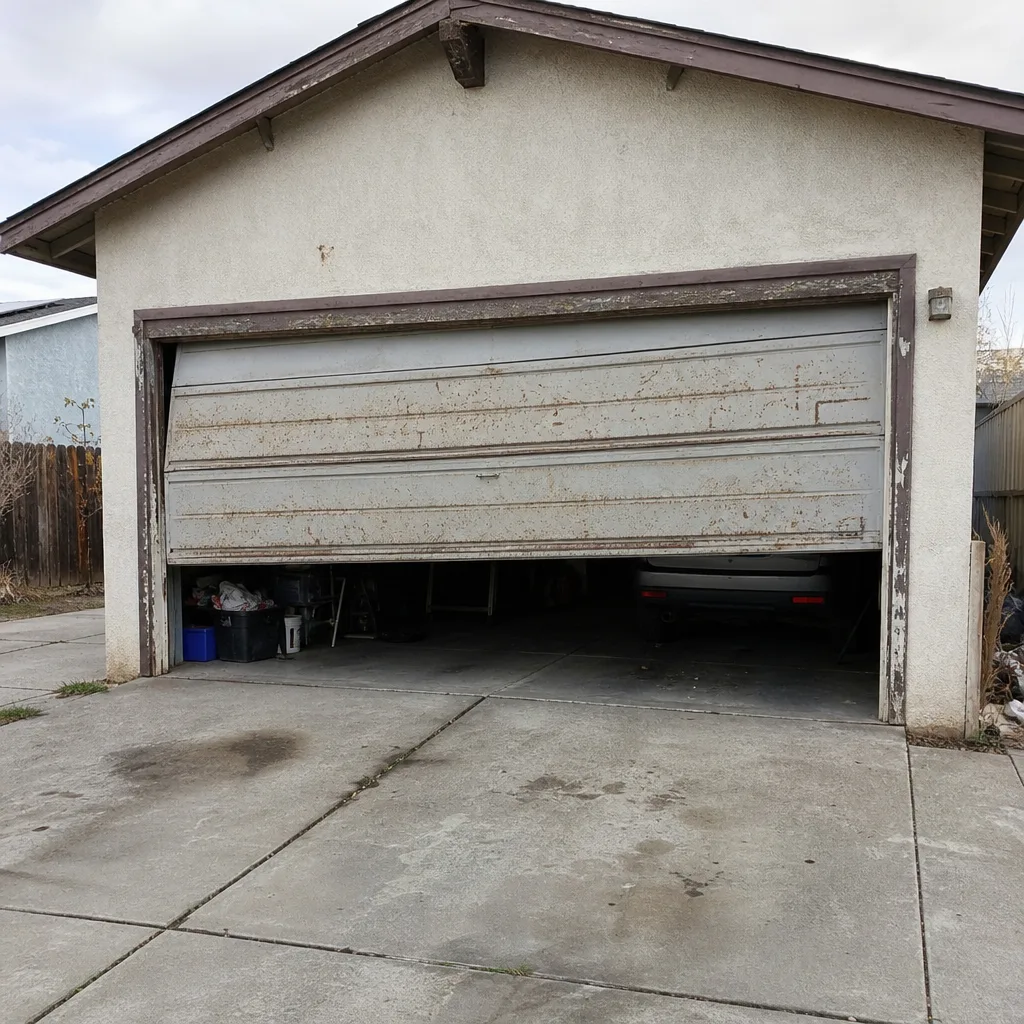 Before
 After
When to Call a Professional
Some installation checks you can run yourself: the halfway lift test, the auto-reverse test, the bottom seal contact. But anything involving springs, cables, or track adjustment belongs with a trained professional. The torsion spring on a garage door stores enough energy to cause serious injury, and adjusting it is not a homeowner job. If you’ve spotted an out-of-plumb track, a door that won’t hold at halfway, a bracket pulling loose from the wall, or an opener that seems to be working harder than it should, call a pro before it turns into a motor replacement. Servo Garage Doors Winchester offers free estimates in Winchester, and we’ll photograph the failed component before quoting any replacement, so you see what we see. Call (855) 517-0284 for a free estimate.
Frequently Asked Questions
Check four things: an even reveal gap between the door and frame, tracks plumb within 1/8 inch, a bottom seal that touches the floor evenly, and a door that holds roughly at the halfway point when lifted by hand. Add a working auto-reverse test and a written labor warranty, and you’ve covered the main markers. If any one fails, call it in. Estimates are free, so there’s no reason to wait.
With the opener disconnected, lift the door by hand to about halfway and let go. A properly balanced door holds roughly in place. A door that slams down or drifts up means the springs are out of balance, which forces the opener motor to do work the springs should do and wears the motor out over time. Run the test, then have a professional adjust the springs. Don’t touch them yourself.
No. A verbal warranty isn’t enforceable and it’s not a warranty. The labor warranty should be written on the invoice, stating what it covers and how to make a claim. If the installer won’t write it down, that’s a data point about how they handle callbacks. Ask for it in writing before you pay, and read the labor section specifically. A single call can confirm what should be on the page: (855) 517-0284.
Desert heat expands metal tracks and panels, and a track that was hung with too little play will bind when it expands. In Winchester, early installation failures are more often thermal than hard use. A properly installed track accounts for that movement at the bracket. If your door binds in the heat, have a technician check the track tension and plumb. Call for a free estimate.
Four items: the door panel model, the opener model and serial number, an itemized list of parts and prices, and the written labor warranty. Without the model and serial, a manufacturer warranty may be hard to enforce. Without the itemized parts, you can’t tell what was installed. Get all four in writing before work begins.
Yes. Bring the written estimate and we’ll read it with you at no charge. We’ll tell you what’s specified, what’s missing, and whether the parts and scope line up. Our Servo Garage Doors Winchester home page explains how we work, but the short version is that the price is written before work and the documentation is yours to keep. Call (855) 517-0284 to set up a free second opinion.
The Bottom Line
The warning signs that matter most in a garage door installation aren’t dramatic. They’re paperwork omissions and skipped measurements that surface months later as a binding door, a failed seal, or a denied warranty. Audit the documentation before work starts: itemized quote, photo of the opening, model and serial number, written labor warranty. Audit the physical install while the technician is still on site: even reveal, plumb tracks, even seal contact, a passing halfway lift test, a working auto-reverse. And treat a verbal warranty as a warning, not a courtesy. Run the checklist above during the job, and you’ll avoid the repair you’d otherwise be paying for six months from now. If you’d rather have us take a look, the Garage Door Repair in Winchester team knows exactly what to check.
Ready to start? Call (855) 517-0284 for a free estimate. A live person answers 24 hours a day, seven days a week, and you’ll get a named technician and a written price before any work begins. We service every major brand, including LiftMaster, Chamberlain, and Craftsman, and every job closes with a documented photo record of what we found and what we did.
Written by the team at Servo Garage Doors Winchester.