
Last updated November 18, 2026
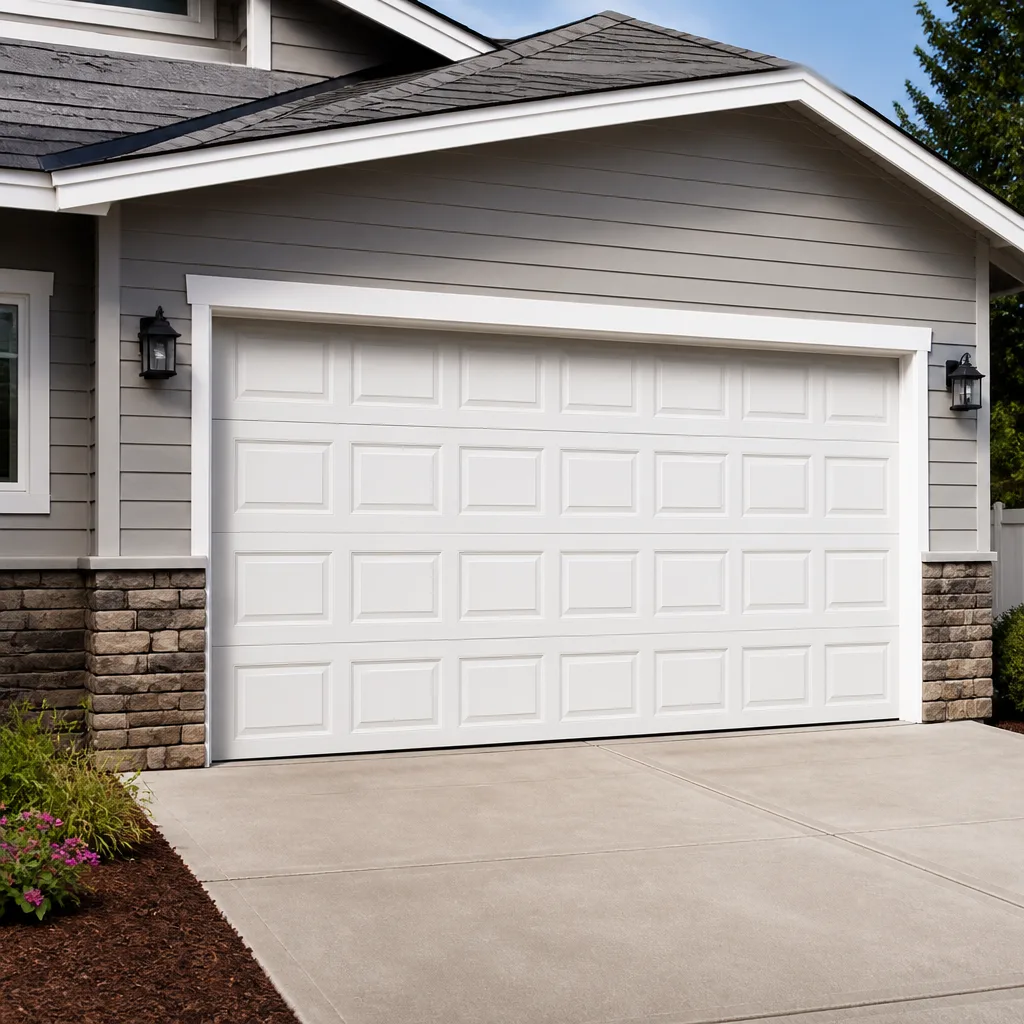 Raised-panel steel
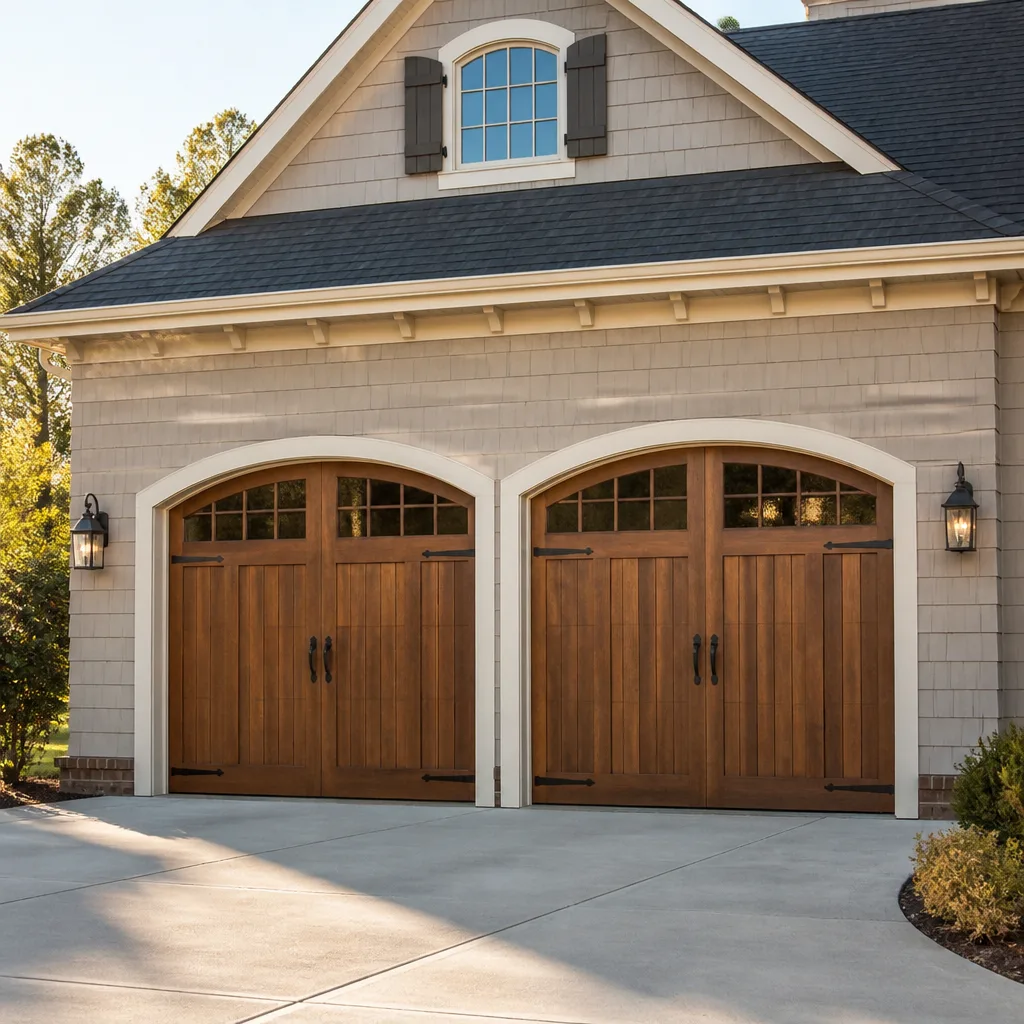 Carriage house
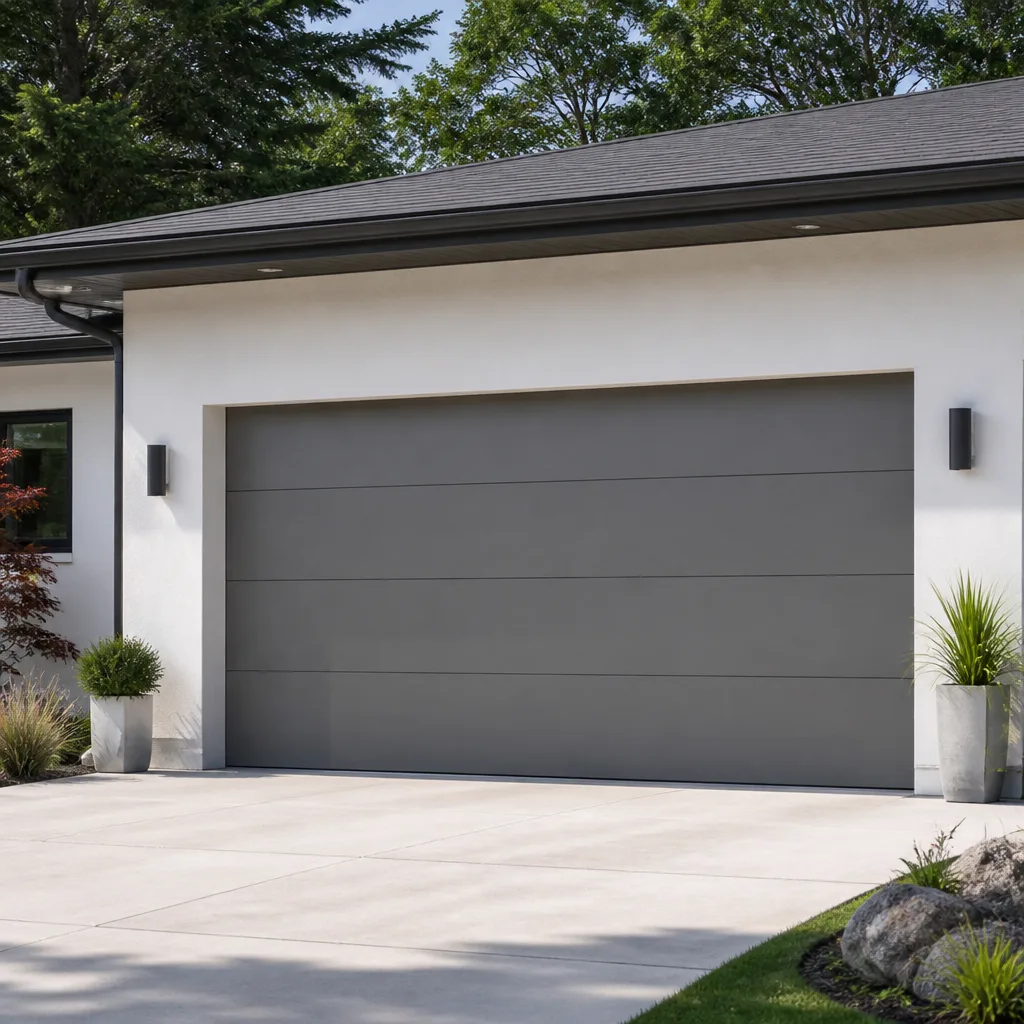 Modern flush
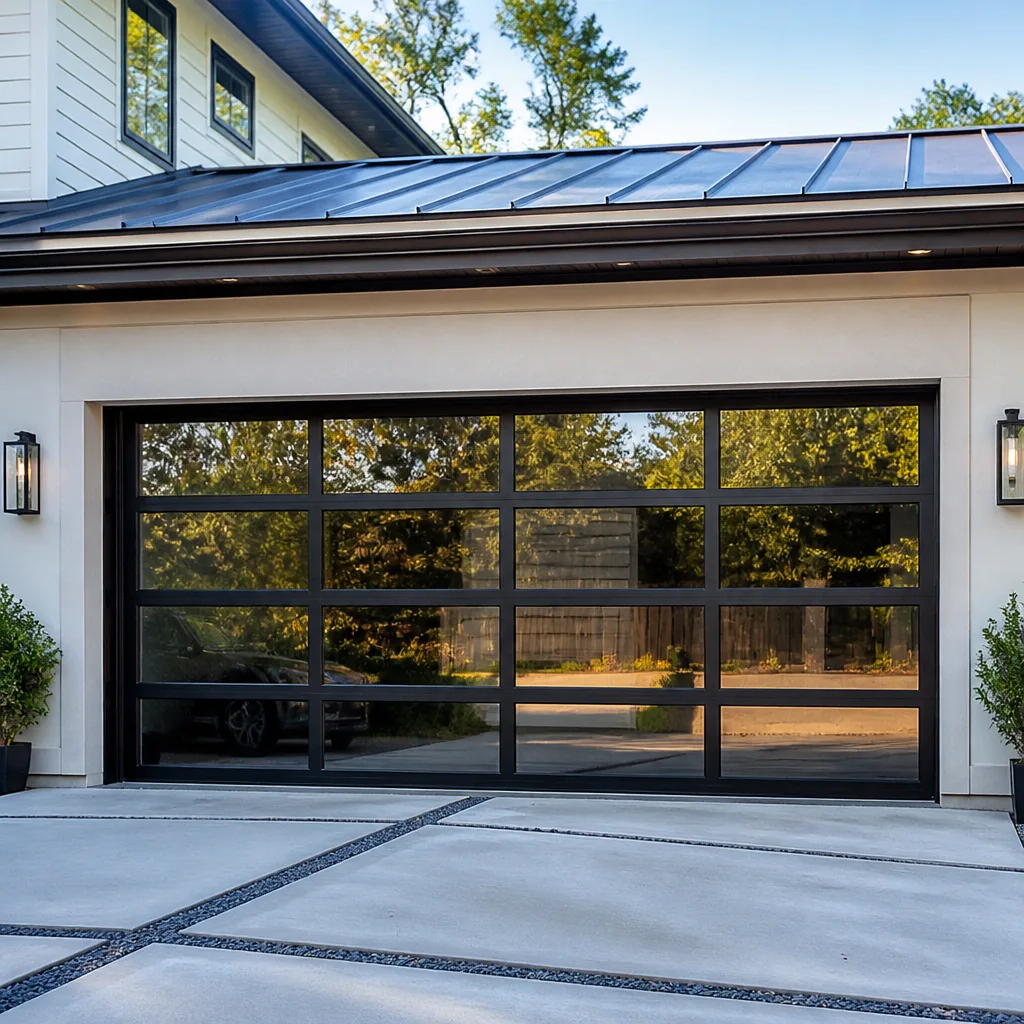 Full-view glass
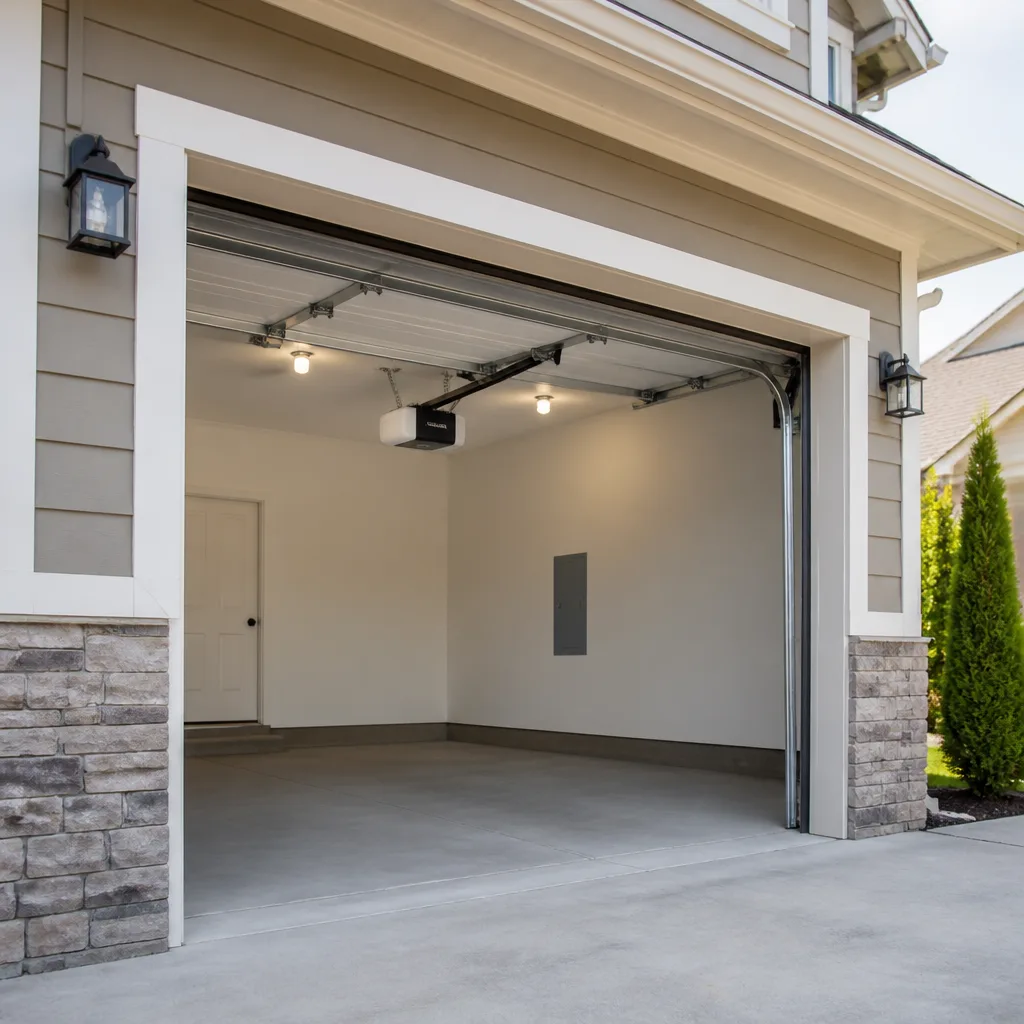 LiftMaster openers
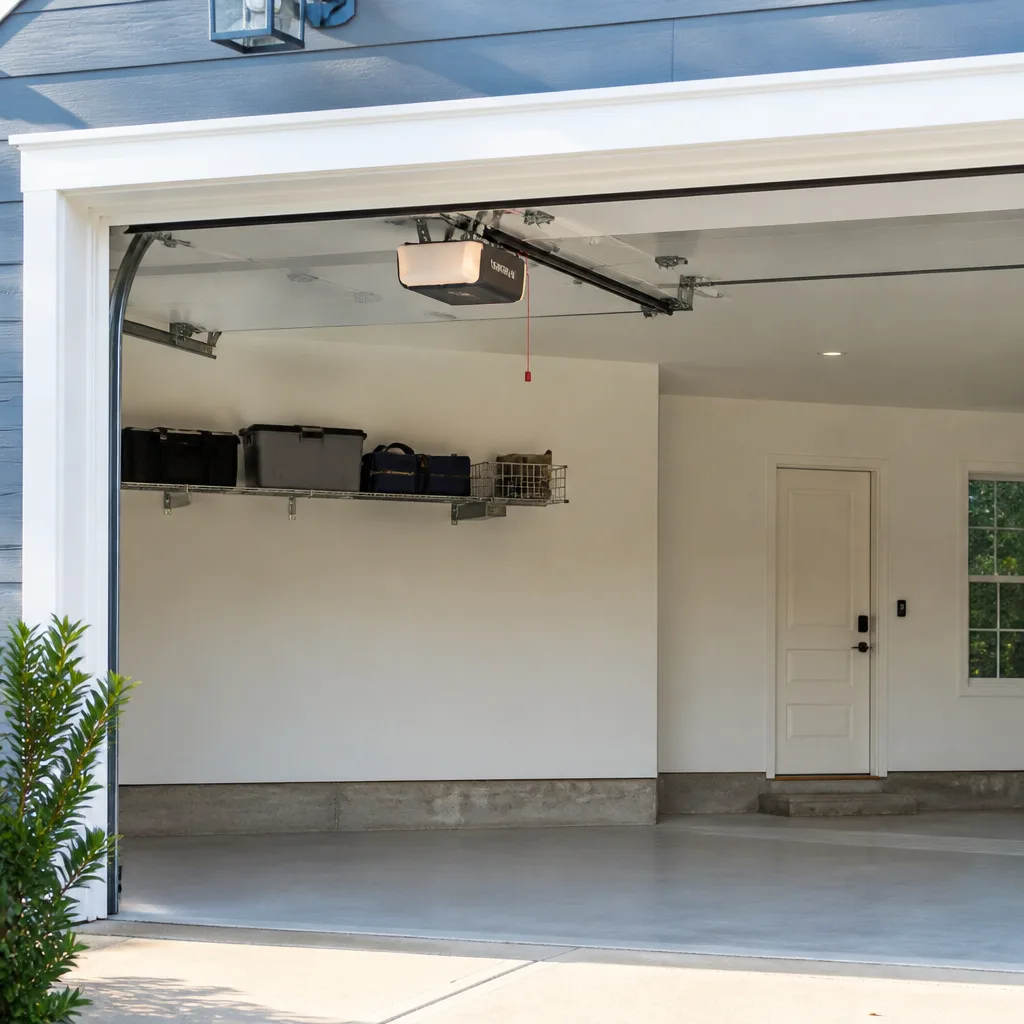 Chamberlain openers
Full 25-point door and opener safety check with every visit - springs, cables, rollers, tracks, and your LiftMaster or Chamberlain opener included
You get a price before we start. It does not change when the pro arrives.
Get your free estimateThe Complete Garage Door Parts Guide for Winchester Homeowners
There are roughly 40 named components in a standard residential garage door system, but five of them account for the large majority of service calls we see in Winchester – and three of those five give observable warning before they fail completely. That single fact changes how you should think about maintenance. Most homeowners learn the parts from a manufacturer’s exploded diagram (no context for wear) or from a sales page (no context for anything). Neither tells you how long a part actually lasts in the desert, what its failure looks like two months before the breakdown, or which components drag their neighbors down with them. This guide maps the parts to their real jobs, their realistic service lives in Winchester’s climate, and what their failure looks like before it strands your car inside.
Quick Answer
A residential garage door system breaks into five functional groups: the spring system (torsion or extension springs, cables, drums), the track and roller system, the panel and hardware system (hinges, brackets, bottom fixtures), the sealing system (bottom seal, perimeter weatherstripping), and the opener mechanical interface (rail, trolley carriage, limit and force settings). Failures almost always start in the spring or roller system and cascade outward. In Winchester, heat and thermal cycling accelerate spring fatigue, and dust intrusion into roller bearings is the most overlooked wear factor.
Styles & brands we work with
- Raised-panel steel
- Carriage house
- Modern flush
- Full-view glass
- LiftMaster openers
- Chamberlain openers
Table of Contents
- The Spring System: Torsion and Extension
- The Track and Roller System
- Panels, Hinges, and Load Hardware
- The Sealing System and UV Wear
- The Opener Mechanical Interface
- How Chain-Reaction Failures Start
- Keeping a Parts Record That Technicians Can Use
 Before
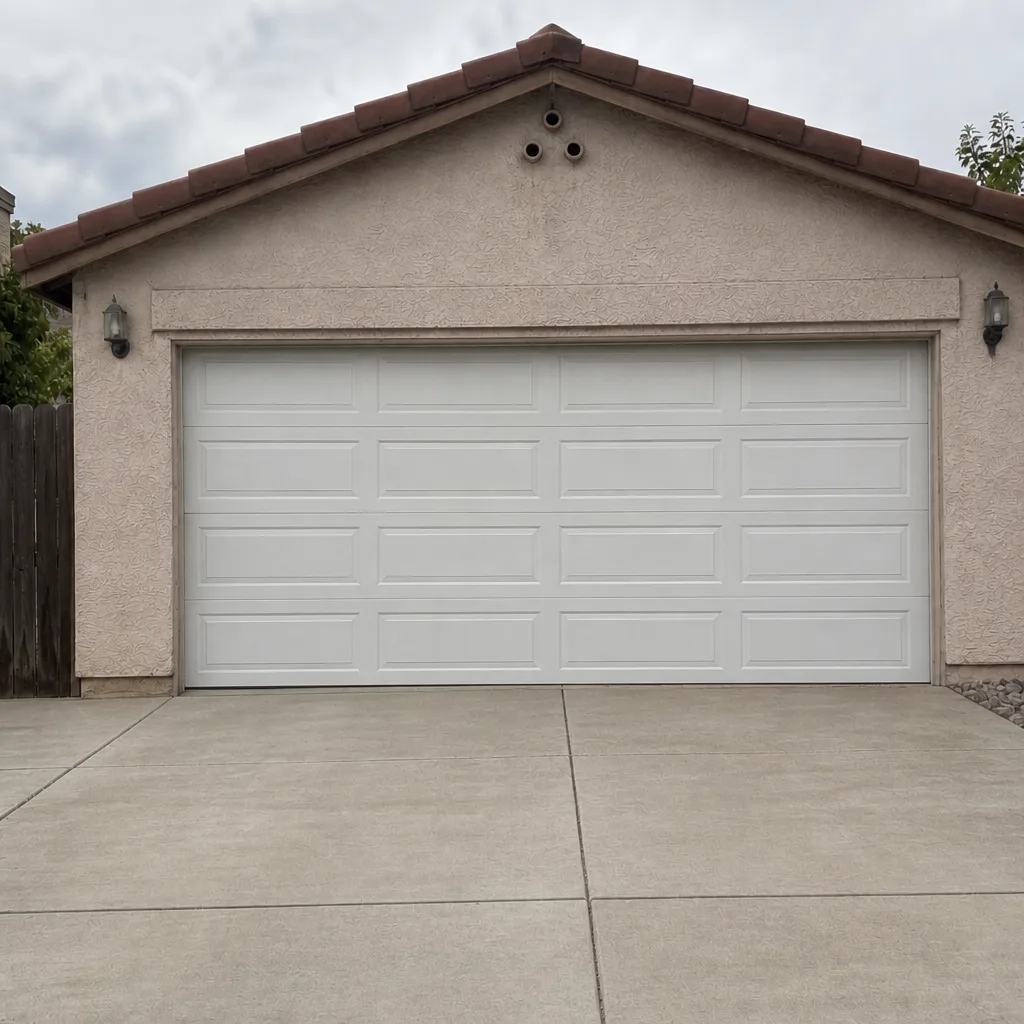 After
The Spring System: Torsion and Extension
What it does: the spring is the motor of the whole door. It stores the energy that lifts a door weighing 150 to 250 pounds, so the opener only has to provide the last few pounds of push. Without it, your opener would burn out in weeks.
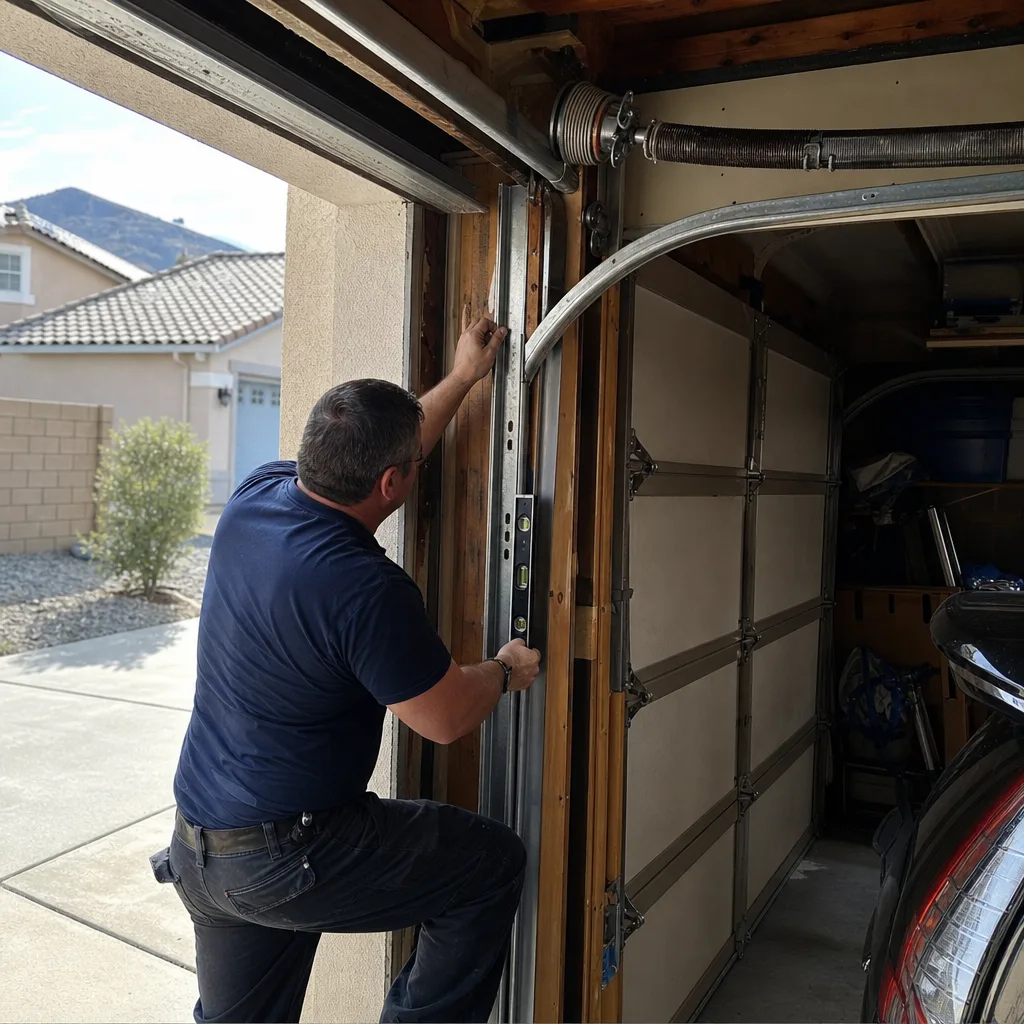
Torsion springs mount on a horizontal shaft above the door and twist. Extension springs run along the horizontal tracks on either side. Most doors built in Winchester after 2005 use torsion. Extension springs are older and are the pair you see stretched beside the door.
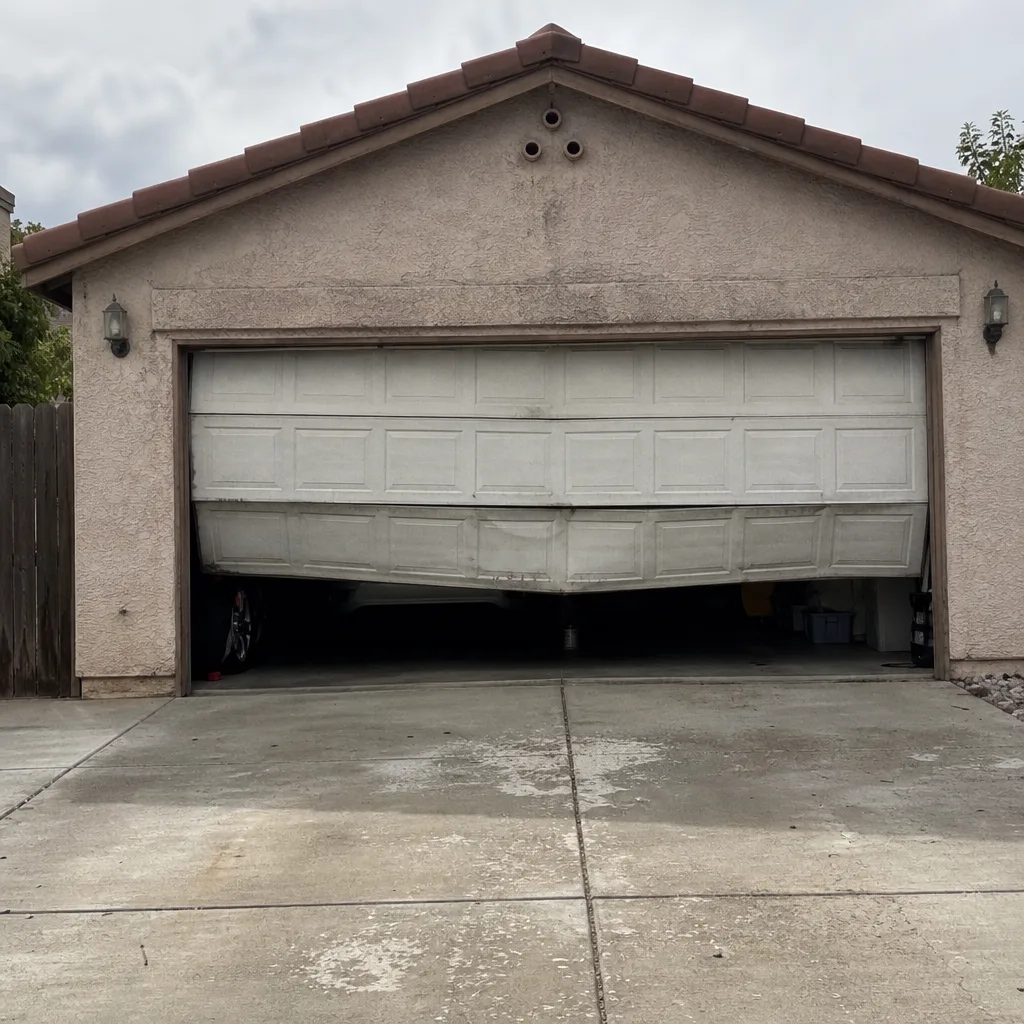
What failure looks like: torsion springs break with a loud bang that sounds like a gunshot into the ceiling, and the door will not open a full foot before sagging. Extension springs stretch visibly before failing and often take the door’s balance with them. On both types, the early warning is imbalance – the door feels heavy lifting off the floor or drops the last six inches too fast when closing. If your door used to close quietly and now thumps, the spring is losing tension.
Winchester’s thermal cycling is the reason we replace more springs here than in cooler climates. A typical spring is rated for a number of cycles – one full open and close counts as one cycle. Most residential springs run 10,000 cycles. On a two-car home in Winchester where the door opens three or four times a day, that’s a decade of use. But summer heat above 100°F, then a cold night, then another hot afternoon, fatigues the metal faster than steady temperatures. In our experience the mid-range springs installed here in the 2015-to-2018 window are reaching their end now.
Owner-serviceable: no. Torsion springs are under extreme tension even when the door is closed. We include a specific safety caveat in every guide we publish, and it belongs here: do not attempt to unwind or remove a torsion spring without training, because a slip can cause serious injury. Even an extension spring should be replaced by a professional working with the door in the correct position.
The Track and Roller System
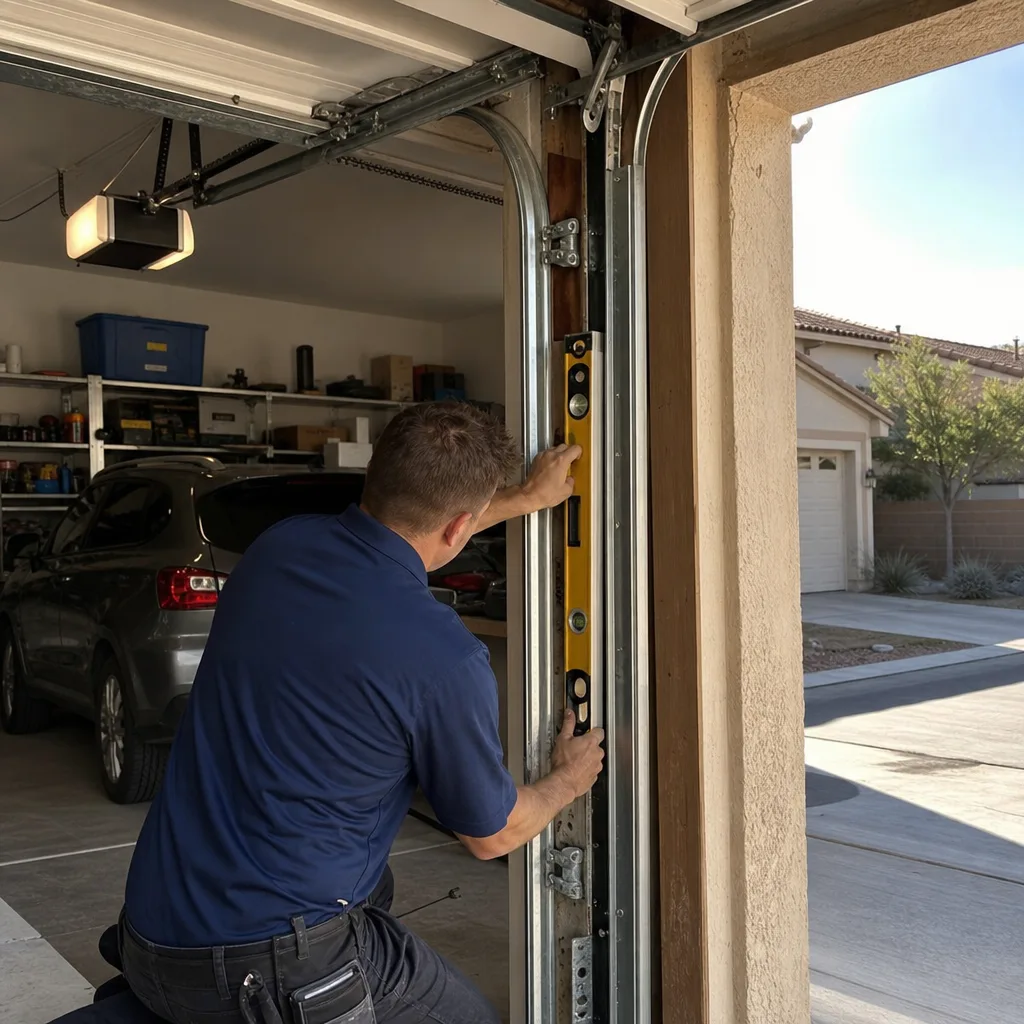
What it does: the tracks are the guide rails (vertical on each side and horizontal at the top), and the rollers are the wheels that ride inside them. Together they keep the door in its plane as it rises and folds.
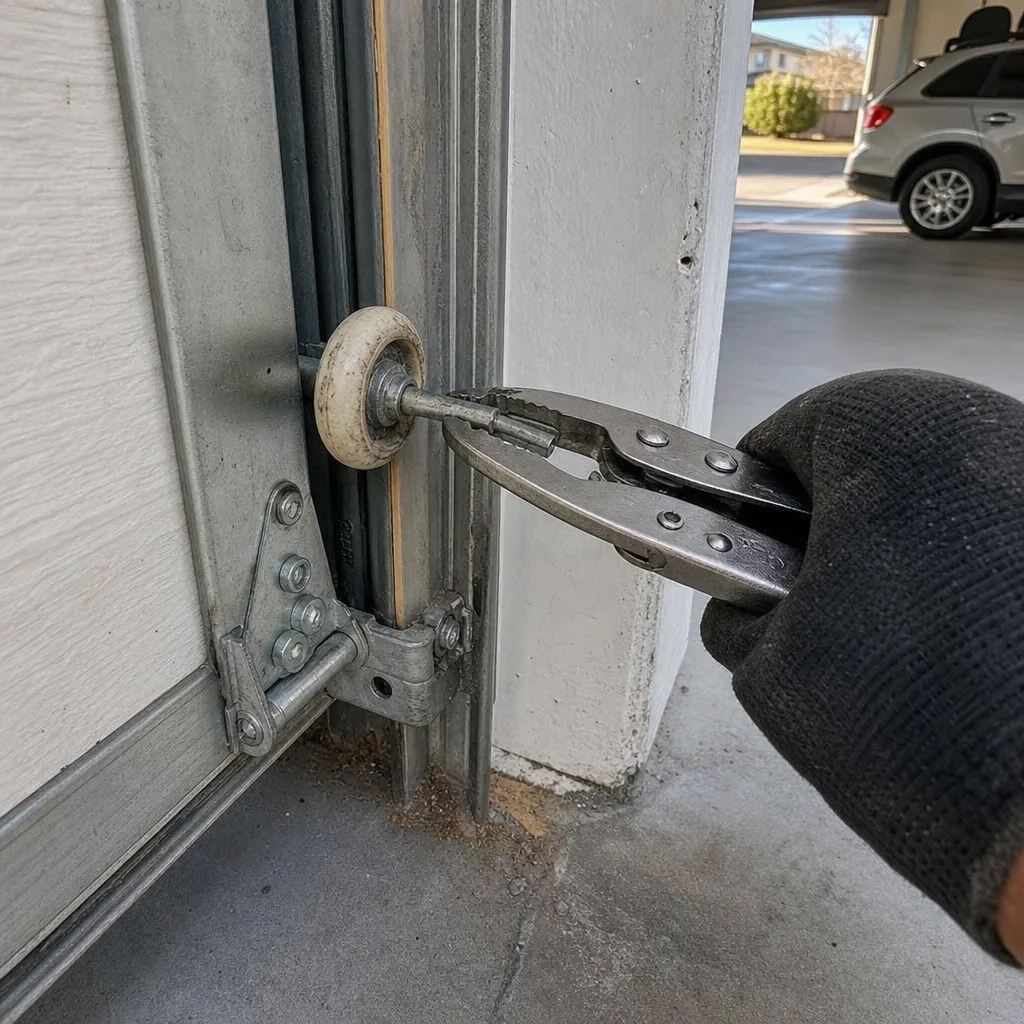
Rollers come in three grades. Plastic rollers are quiet and cheap and last about five years. Steel rollers with a sealed bearing last longer but squeak more. Nylon rollers with a sealed bearing are the sweet spot for most Winchester homes – quiet, durable, and resistant to the dust that comes off the desert.
That dust is the specific Winchester problem. When the wind blows across the valley, fine particulate works its way into unsealed roller bearings. Once the bearing grinds instead of spins, the roller drags against the track rather than rolling. You’ll hear it before you see it: a rhythmic grinding from one side of the door that speeds up as the door moves. Grinding rollers leave a visible wear line on the track, and left long enough they chew a flat spot into the rail.
Track alignment is a related issue. Tracks get bumped – by a car, a ladder, a kid’s basketball. A track knocked out of plumb even a sixteenth of an inch makes the door jump and drag, which overloads the rollers on the opposite side.
What failure looks like: grinding or squealing during travel; visible flat spots or a sheen of wear on the track; a door that binds partway up on one side only.
Owner-serviceable: rollers are borderline. A homeowner can inspect for grinding and spalling, and a homeowner can lubricate with a white lithium spray once or twice a year. Replacing rollers is a job for a technician who can adjust the track and verify that the door is square afterward. Track work is not a homeowner job on a door under spring tension.
Panels, Hinges, and Load Hardware
What it does: the panels are the door’s skin and structure. The hinges are the pivot points that let the door fold at each joint as it rolls up. The bottom fixture anchors the bottom panel and holds the cable on that side.
The two panels you care about on a dated door are the bottom panel and the top panel. The bottom panel carries the bottom seal, and it takes most of the abuse – water off the drive, salt in winter, the occasional car. The top panel carries the opener’s connection point. On a Clopay or Amarr door, individual panels can usually be replaced without replacing the whole door, which is a genuine cost saver. On stamped steel doors where the panel style is discontinued, you’re looking at a full replacement.
What failure looks like: dented panels at the bottom with rust creeping under the paint at the seams; a hinge that pulls loose from the panel and wobbles as the door folds; a bent bottom fixture that misroutes the cable. A cable that has started to fray at the bottom fixture is serious – it can whip loose and strike whatever is nearby.
Owner-serviceable: cosmetic assessment, yes. Hinge and bottom fixture work, no – both parts of that assembly move under spring and cable tension, and a bottom fixture failure is a safety event, not a squeak. If you see rust holes in a bottom panel or a cable that’s frayed to the point that you can see individual broken strands, stop operating the door and call.
The Sealing System and UV Wear
What it does: the bottom seal (also called an astragal) seals the gap under the door to keep out water, dust, insects, and – in Winchester – wind-driven grit that gets into the tracks and roller bearings. Perimeter weatherstripping around the opening stops air, dust, and the small gap that lets a breeze howl through.
The bottom seal is a vinyl or rubber tube that slides into a holder on the bottom panel or nails to the door’s lower edge. It’s the cheapest part on the system and the one that fails first. In Winchester, UV is the killer. A bottom seal that would last eight years in the Midwest will crack and crumble in five here because the sun loads it with UV index 11 across the summer. You’ll see the failure as cracks in the rubber, a seal that’s become brittle at the corners, or – the giveaway – dirt lines on your garage floor after a dust storm, marking where the seal no longer touches.
Perimeter weatherstripping, the strips nailed to the jamb, fails the same way. It curls, splits at the miter joints, and pulls away from the frame.
What failure looks like: floor-line dust after a wind event; daylight visible under the door from inside; water showing at the bottom corners of the door opening after rain; a seal that’s become a hard, cracked tube.
Owner-serviceable: yes. This is the most DIY-friendly work on the whole system. Bottom seals are sold by width and profile, and a homeowner with a screwdriver can replace a slide-in seal in an hour. The catch is getting the right profile – Wayne Dalton doors use a proprietary bead size that won’t accept a generic seal – so take a photo of the current seal’s cross-section to the store.
The Opener Mechanical Interface
What it does: the opener doesn’t lift the door so much as it pushes a carriage along a rail. The trolley carriage, the release cord, and the emergency disconnect are the mechanical parts you interact with when the door has to move by hand.
The five parts to know inside the opener are the rail, the trolley carriage, the limit switches (which set how far the door travels), the force adjustment (how hard the opener pushes before it reverses), and the drive gear. On a chain-drive Genie or LiftMaster, the drive gear is a nylon part that wears out on a schedule. When it strips, you’ll hear the motor running while the chain sits still – the door doesn’t move.
What failure looks like: an opener that runs but doesn’t lift; a door that reverses a foot off the floor for no obvious reason (usually a force-setting or safety-sensor issue, not a drive problem); a trolley that binds and pops at a specific point in the travel.
Owner-serviceable: the disconnect cord and the rail bolts, yes. Force and limit adjustments, only carefully and only after reading the manual for your specific unit. The reason is that the force setting is the opener’s safety mechanism – too high and the opener drives through an obstruction that should trip a reversal.
When the opener itself is the problem, see Garage Door Opener Repair & Installation in Winchester. If the door itself is failing rather than the opener, start with Garage Door Repair in Winchester.
How Chain-Reaction Failures Start
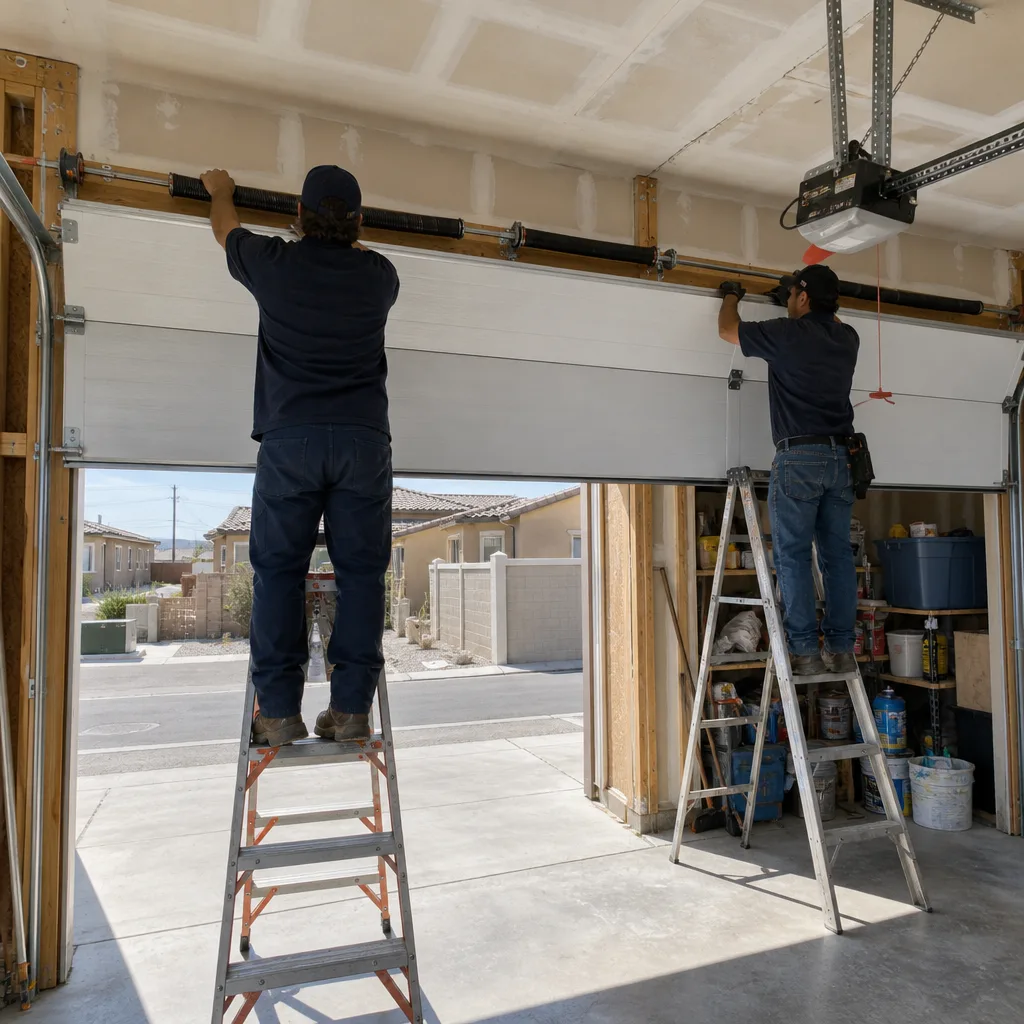
Parts do not fail in isolation. In our experience, one part goes, drags its neighbor down, and the door goes from a squeak to a full system failure in a few months. Knowing the chain is how you stop it early.
- A roller seizes. It no longer rolls, so it drags along the track.
- The dragging roller scours the track edge into a groove. The door now rides unevenly in the rail.
- The uneven track loads one cable harder than the other, pulling the cable drum slightly out of alignment.
- An out-of-alignment drum overloads the torsion spring on one side and accelerates its fatigue.
- The door goes out of balance. The opener now has to push harder than it was designed to – the force setting goes up, the drive gear and motor take the strain.
- The drive gear strips, or the bottom fixture fails, and you replace the opener when the real cost was the original $40 roller.
This is the reason a technician’s job is not to sell you a spring but to find out why the spring failed. Photographing the failed part before quoting a replacement is our Clause 4 for exactly this reason – so you can see that the failed spring came out of a system with a dragging roller and a scored track, and the quote reflects the actual problem. If you’d like a second opinion on a written estimate from another company, bring the paperwork. It costs nothing to check.
For a full installation rather than a repair, start with Garage Door Installation in Winchester. If you’re not sure whether the door or the system is the issue, our home page has the intake questions we ask: Servo Garage Doors Winchester home.
Keeping a Parts Record That Technicians Can Use
The single most useful thing a homeowner can hand a technician is a written record. A technician arriving at an undocumented door starts from zero: measuring the spring wire, identifying the door manufacturer, checking the model plate. A homeowner who has the record hands over three things and we can quote accurately.
What to record, and where to keep it:
- Door manufacturer and model number. The plate is usually on the inside face of the top panel or the bottom panel. Photograph it and store the photo where you keep home records.
- Opener model and date of manufacture. On the opener head unit, usually a sticker. LiftMaster, Chamberlain, Genie, and Raynor each stamp it in the same place.
- Spring type and, if you have it, wire gauge and cycle rating. When a spring is replaced, ask for the wire diameter and the rated cycle count on the work order. It’s on the invoice the technician should be handing you anyway.
- Date of the last service, and what was replaced. A note in your phone is enough – “torsion springs replaced, 250 x 2, cables inspected.”
- Any written estimate you’ve received. If a technician from another company quoted a fix, the written scope is valuable context for a second opinion.
If you bought your home between 2015 and 2025 in Winchester, the seller may have left service records in the file. Look for them before you call – a two-minute search saves an hour of diagnosis.
Common Mistakes to Avoid
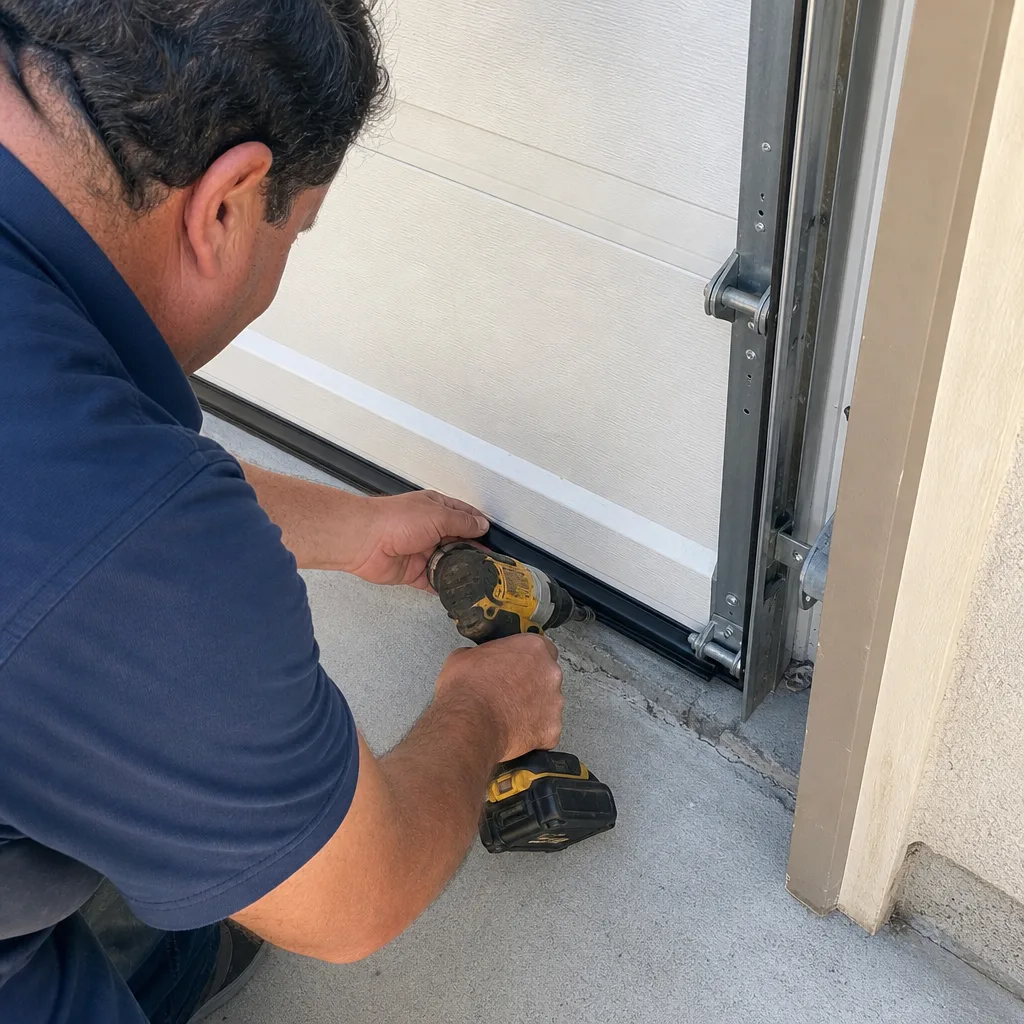
- Lubricating everything with WD-40. It cleans, but it’s not a lubricant for moving parts and it attracts dust into the rollers. Use white lithium spray on rollers, hinges, and springs.
- Assuming a grinding roller is a bad door. A grinding from one side is a roller or a worn track 90% of the time, and that’s a cheap fix. Homeowners buy a new opener when the door was the problem.
- Ignoring the bottom seal because it “still works.” A crumbled seal lets Winchester dust into the roller bearings on every windy day, accelerating the exact failure the rollers are rated to survive.
- Raising the opener’s force setting to force a heavy door up. That’s the opener compensating for a failed spring. The opener will keep working until it doesn’t, and the repair bill doubles when the drive gear goes.
- Unwinding a torsion spring yourself. The most dangerous DIY mistake on the door. A torsion spring stores enough energy to break a wrist. Call a technician.
- Relying on a verbal quote. Ask for the written scope. “The spring is bad” doesn’t tell you whether the cables and drum are part of the fix.
- Using a generic bottom seal on a Wayne Dalton or Clopay door. The bead profile is proprietary. A generic seal will fit loosely, fail in a year, and cost you the labor twice.
See the difference
BeforeAfter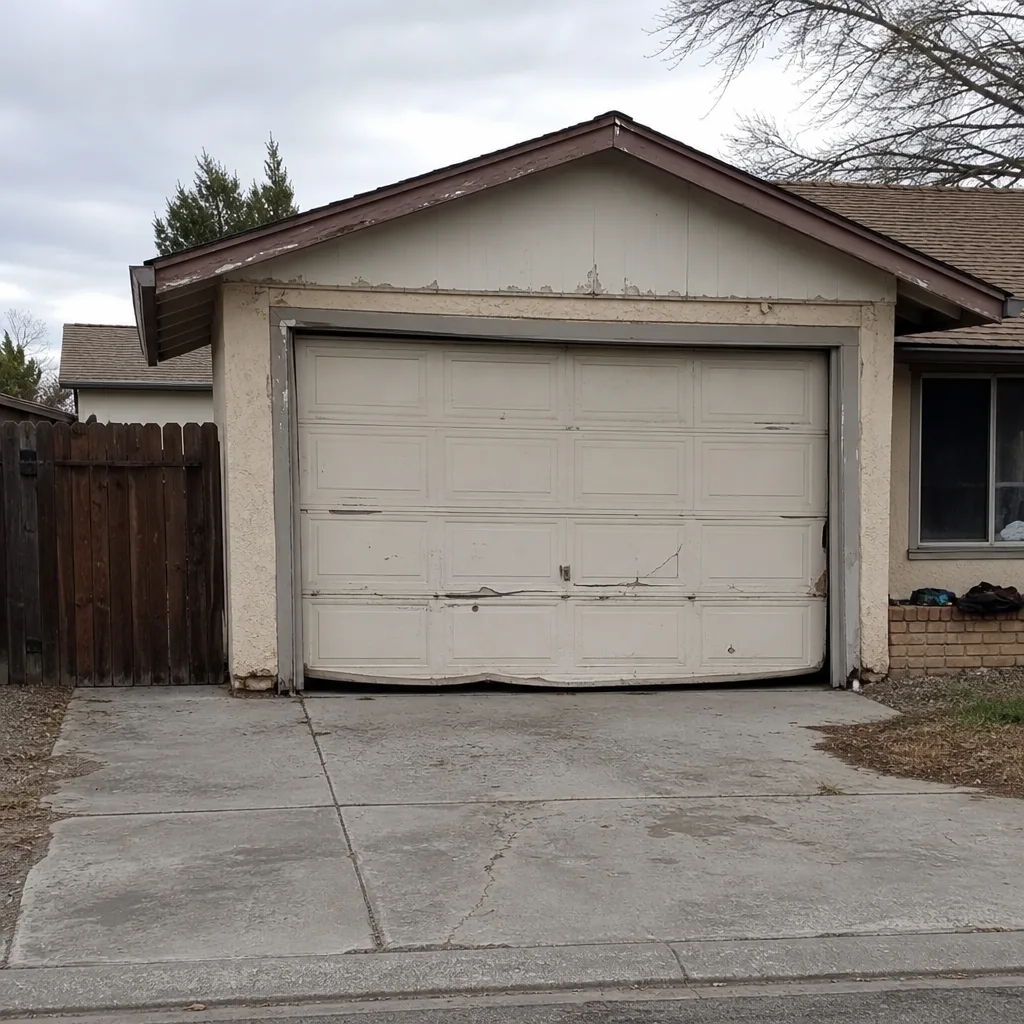 Before
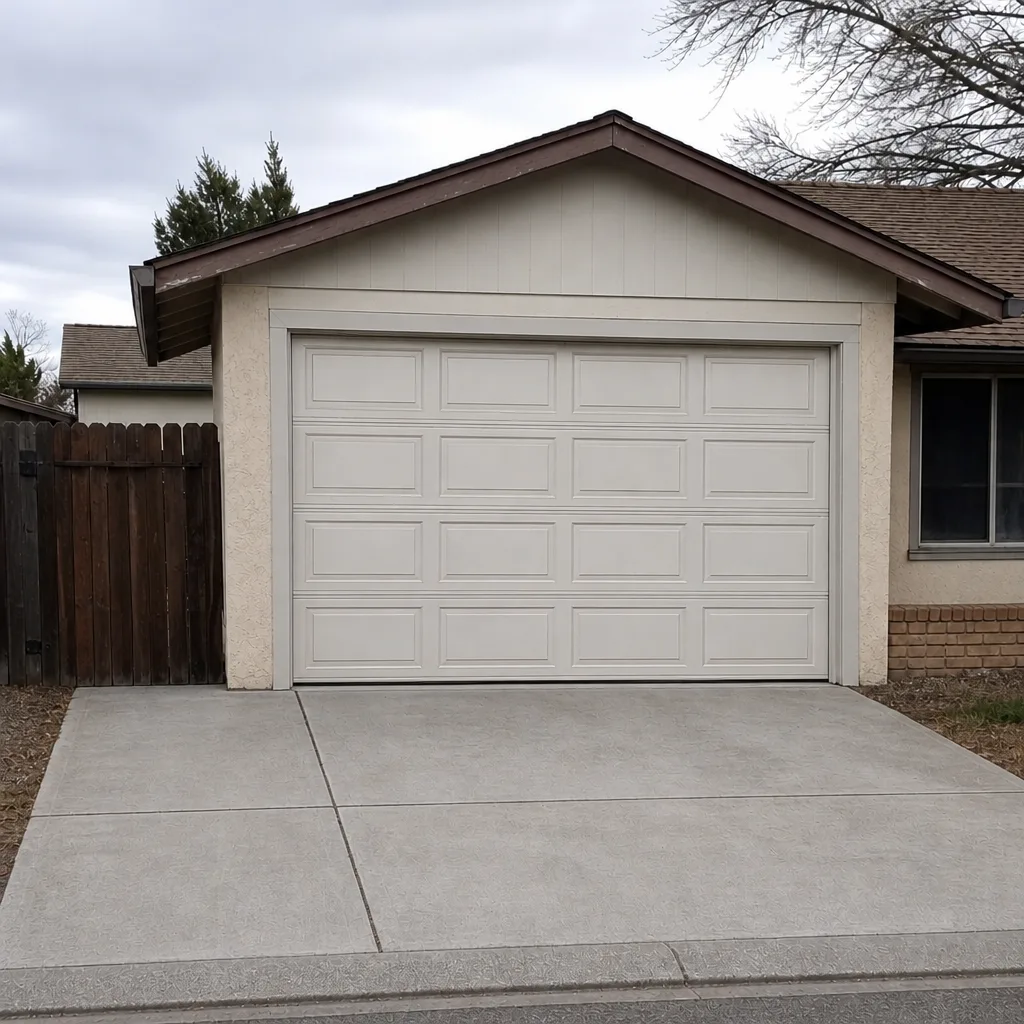 After
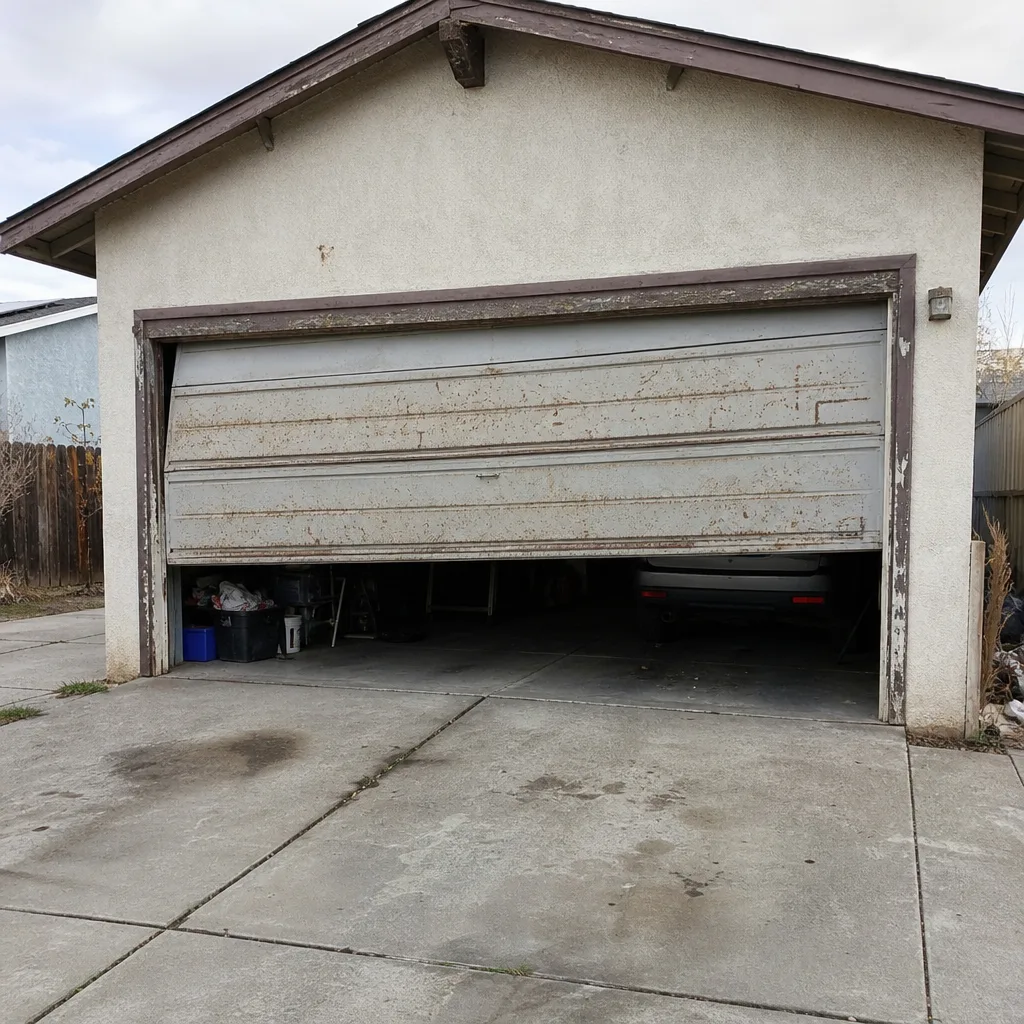 Before
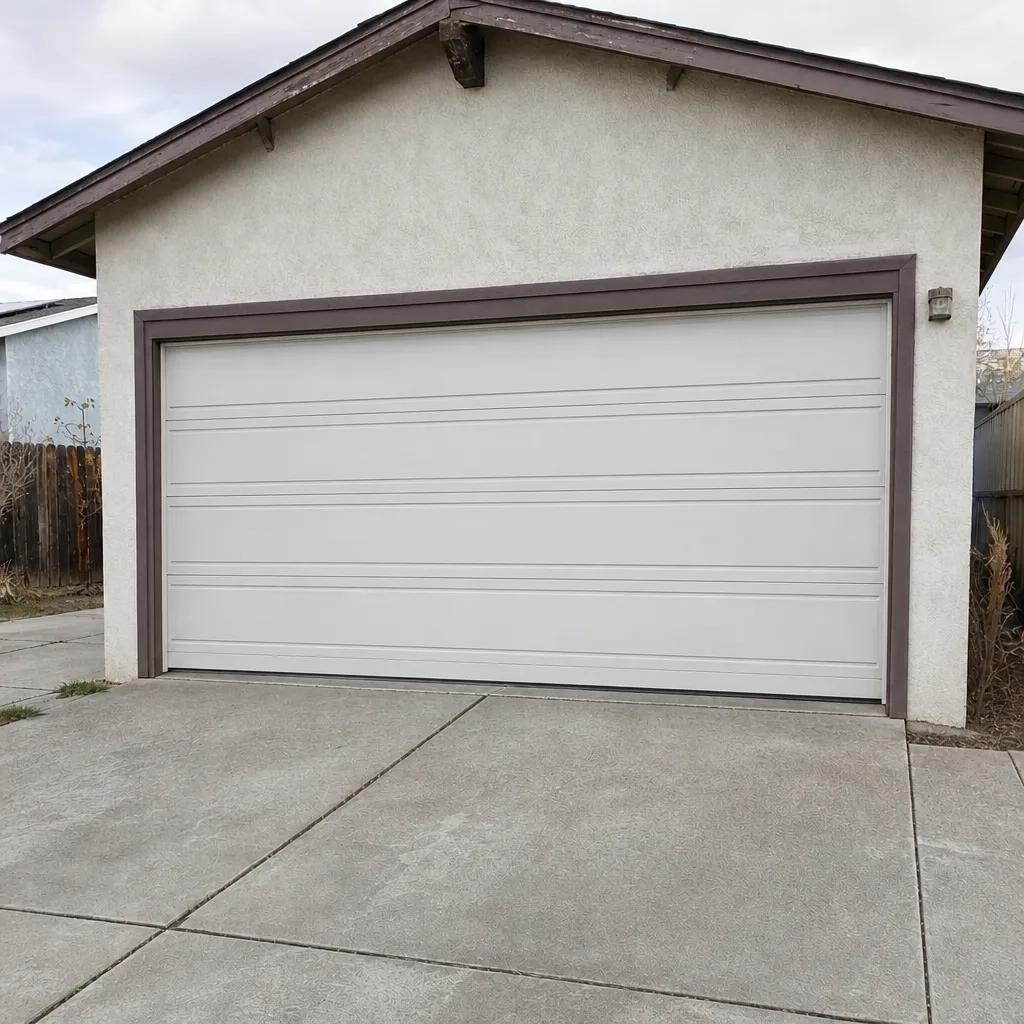 After
When to Call a Professional
Call a professional when you see a frayed or loose cable, a visibly sagging or broken spring, a misaligned track, a door that reverses before closing, a dented bottom panel with rust bleeding through the seam, or a bottom fixture that wobbles. Call when the door has become harder to lift by hand than it used to be. Call when you hear a grinding from the rollers and it’s accompanied by visible wear lines on the track. And when in doubt: a garage door is a heavy, spring-loaded system that can hurt you, and a technician who arrives with a written price beats a guess every time.
Servo Garage Doors Winchester offers free estimates in Winchester. We quote a flat, written price before any work starts – Clause 1 of The Haven Standard – and the number doesn’t change once we’ve seen the door. Call (855) 517-0284. Our technicians have up to 11 years of experience, and every job closes with a documented photo record of what we found and what we did.
Frequently Asked Questions
Torsion springs are the most common failure, and Winchester’s thermal cycling is the reason. The heat loads the metal, the cool nights relax it, and the door cycles through that strain every day. The next most common is the bottom seal, which cracks fast under our UV index. Call (855) 517-0284 for a quote – estimates are free.
Spring replacement typically runs somewhere in the low-to-mid hundreds of dollars, and the price depends on the wire gauge and the cycle rating. We quote a flat, written price before any work starts, so you’ll have the actual number on paper. Call (855) 517-0284 and we’ll quote it from the door’s measurements – no “call for a quote.”
Yes – spring and cable failures are the calls we prioritize, and 24/7 emergency coverage means somebody answers, including holidays. When we dispatch, we send the technician’s name and an on-the-way text so you know who’s coming and when. Call (855) 517-0284.
No. Once we’ve seen the door, the written scope and the price are fixed before work starts. If it turns out we need to replace more than we thought, we’ll re-quote and get your approval first – never a surprise invoice. Call (855) 517-0284 for a free estimate.
Yes – the local pro we connect you with is licensed and insured as their state requires, and they’re background-checked before they arrive. You get a photo record of the work at the end of the visit. Call (855) 517-0284 to schedule.
Get it in writing. A written estimate should state the parts, the labor, and the scope. It’s also the document you can bring to another company for a free second opinion – we’ll review anyone’s written estimate at no cost. Call (855) 517-0284.
The Bottom Line
The five parts that account for most garage door calls in Winchester are the torsion or extension spring, the rollers, the bottom seal, the hinges and bottom fixture, and the opener’s drive gear. Each has an observable failure signature before it becomes a breakdown. The three that give warning – spring imbalance, roller grinding, seal crumble – are the three you can catch by watching and listening. The one that doesn’t warn you is the frayed cable, which is exactly why an inspection every couple of years beats a surprise. Get a written price before work starts, keep a record of what was replaced, and you’ve got a door that lasts its full rating and an invoice you can trust.
Call Servo Garage Doors Winchester at (855) 517-0284 for a free estimate. We answer the phone 24/7, we quote a written price before any work starts, and we send the technician’s name before we arrive. Same-day repairs, free second opinions on any written estimate, and The Haven Standard’s documentation system on every job.
Written by the team at Servo Garage Doors Winchester.