
Last updated November 18, 2026
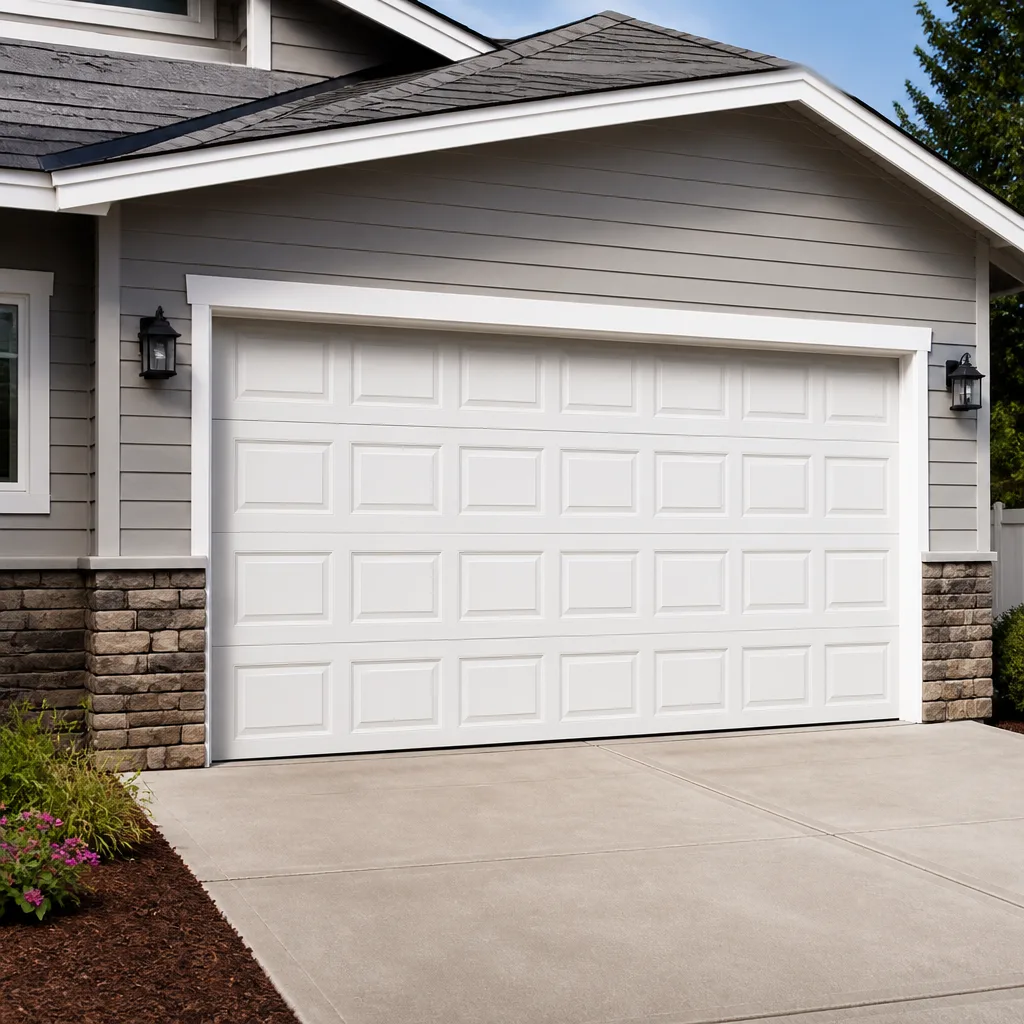 Raised-panel steel
 Carriage house
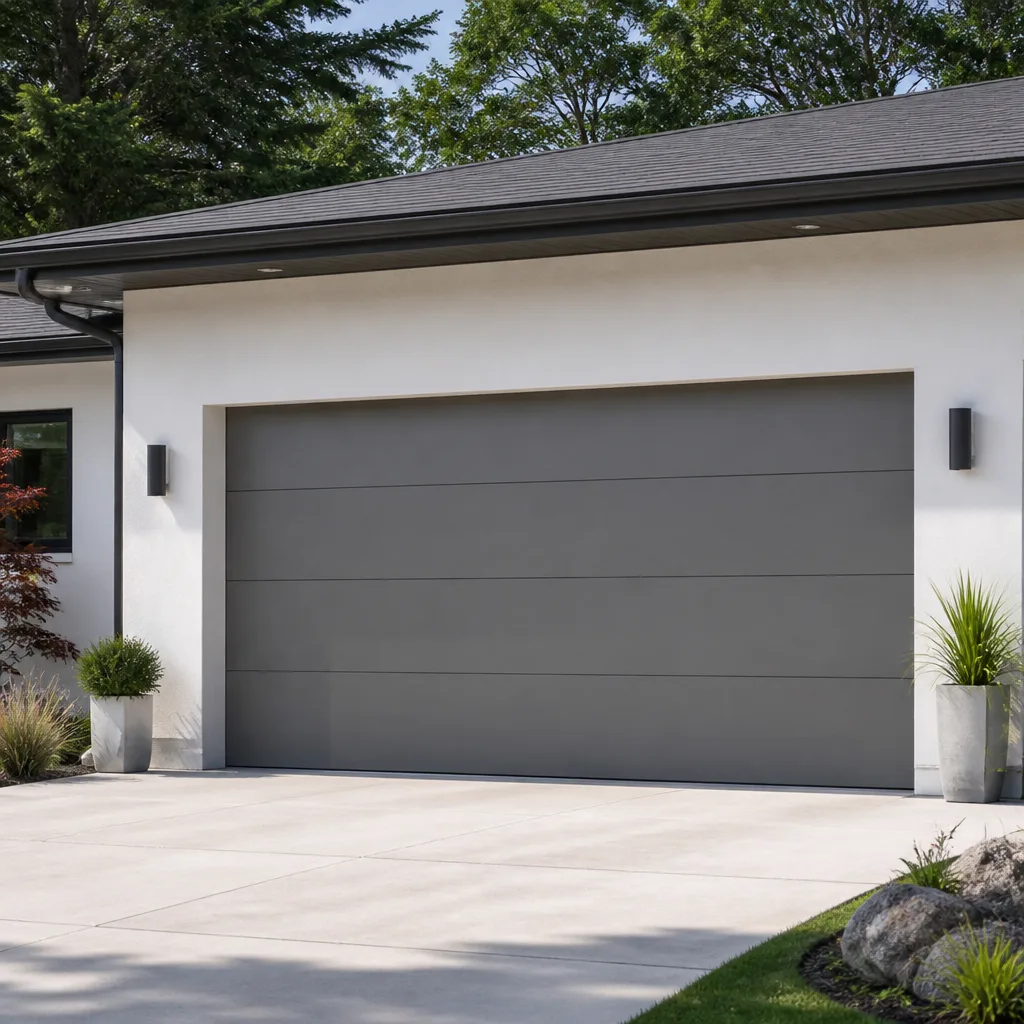 Modern flush
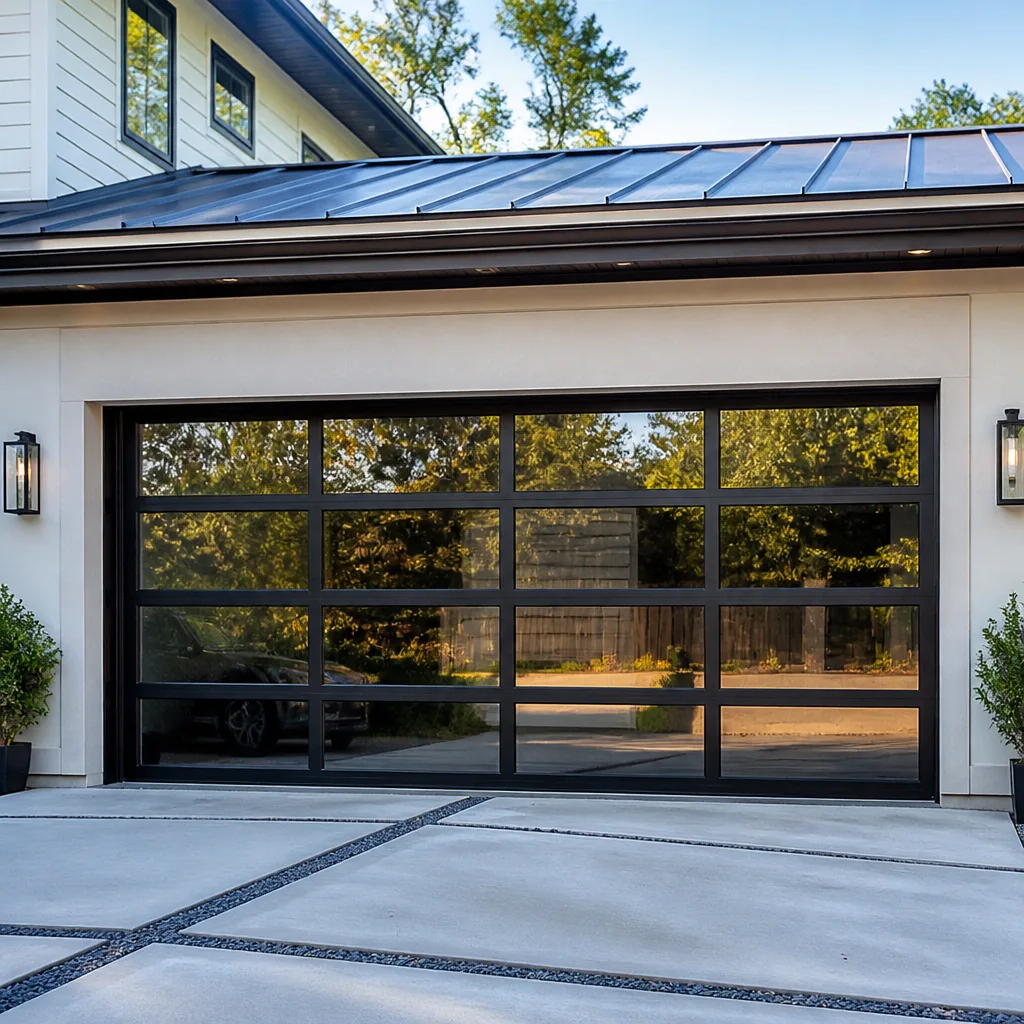 Full-view glass
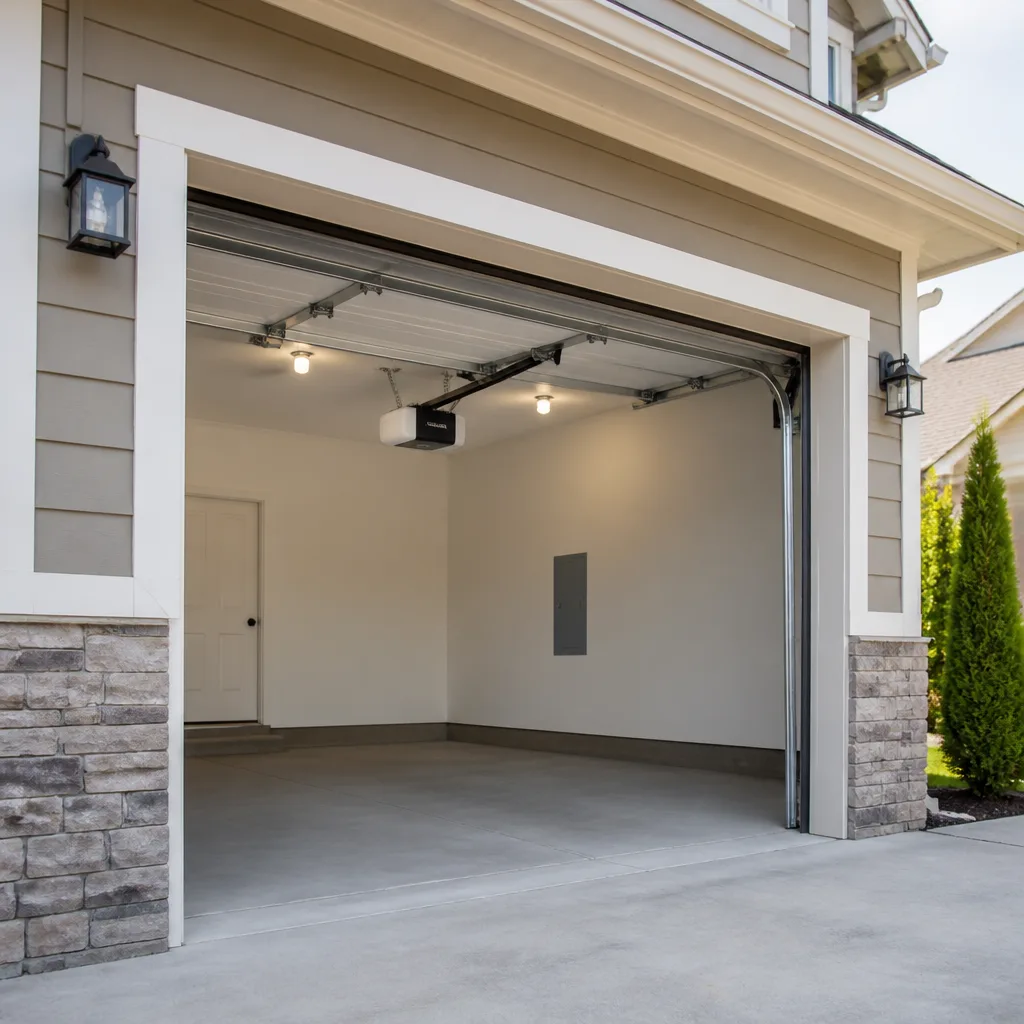 LiftMaster openers
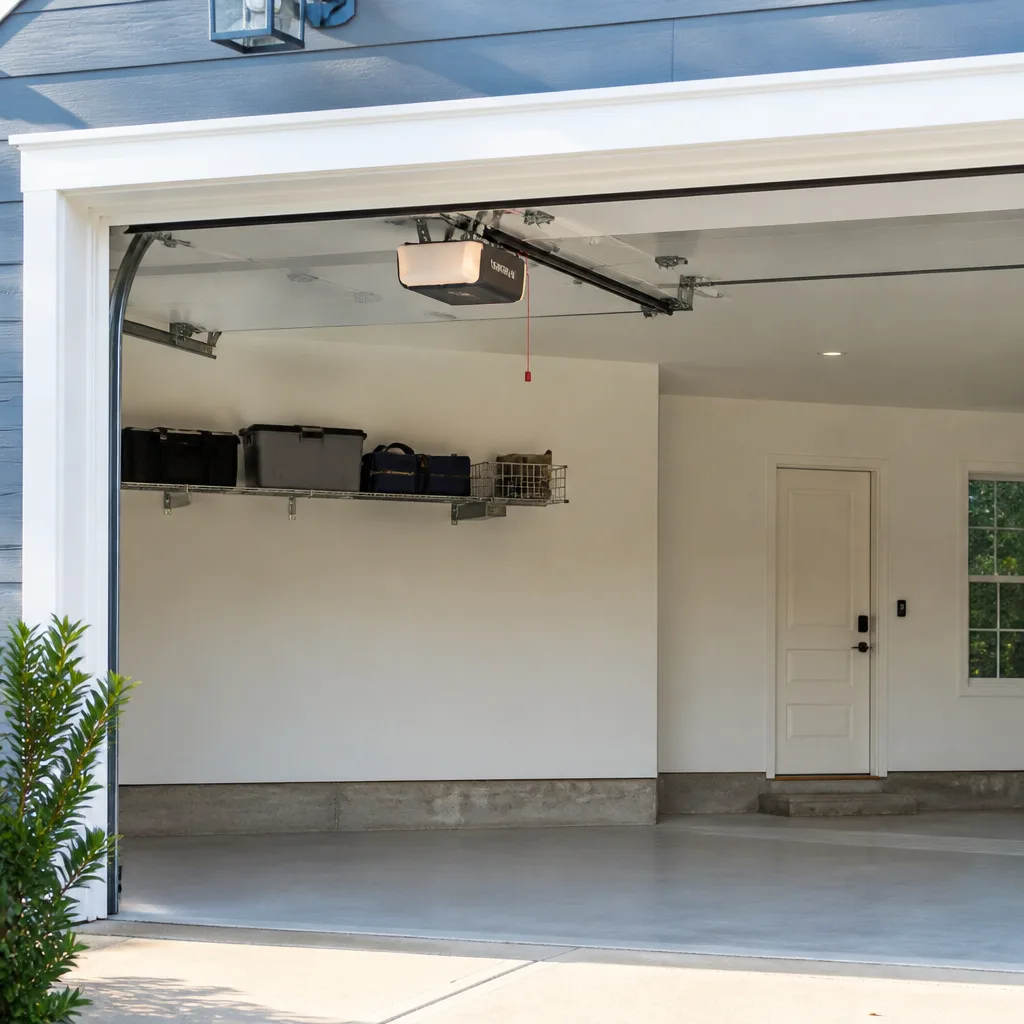 Chamberlain openers
Full 25-point door and opener safety check with every visit - springs, cables, rollers, tracks, and your LiftMaster or Chamberlain opener included
You get a price before we start. It does not change when the pro arrives.
Get your free estimateEmergency Garage Door Maintenance Schedule: What to Do and When
Roughly 80% of the emergency garage door calls we handle come down to two failures: a broken spring or a door that has jumped its track. Neither one happens without warning. Both leave precursor signs a 15-minute quarterly inspection would catch. That means most garage door emergencies aren’t sudden at all. They’re deferred maintenance with a deadline attached. This guide lays out a maintenance schedule written entirely around emergency prevention: every task is explained by naming the specific emergency it makes less likely. We’ll cover what to check, how often, and the exact visual benchmarks that tell you when a part is close to failing in Winchester.
Quick Answer
Run a 15-minute inspection every three months and a deeper annual service once a year. The single highest-value check is the balance test: release the door at waist height and it should hold position within 1 – 2 seconds. If it drifts or drops, the springs are losing tension and a failure is developing. Inspect cables for fraying and corrosion, check rollers for wobble beyond 1/8 inch, and date every inspection with a photo. Most emergency calls are preventable with this routine.
Styles & brands we work with
- Raised-panel steel
- Carriage house
- Modern flush
- Full-view glass
- LiftMaster openers
- Chamberlain openers
Table of Contents
- Why Garage Door “Emergencies” Are Usually Deferred Maintenance
- The Quarterly Inspection: 15 Minutes That Prevent Most Emergencies
- The Balance Test: Your Highest-Value Preventive Check
- Cable Inspection: The Visual Signs That Precede a Snap
- Roller Wear: The 1/8-Inch Benchmark That Predicts Track Departure
- The Annual Service: What a Technician Should Check (and Document)
- Build a Documentation Habit: Date It, Photograph It
- Seasonal Adjustments for Winchester Conditions
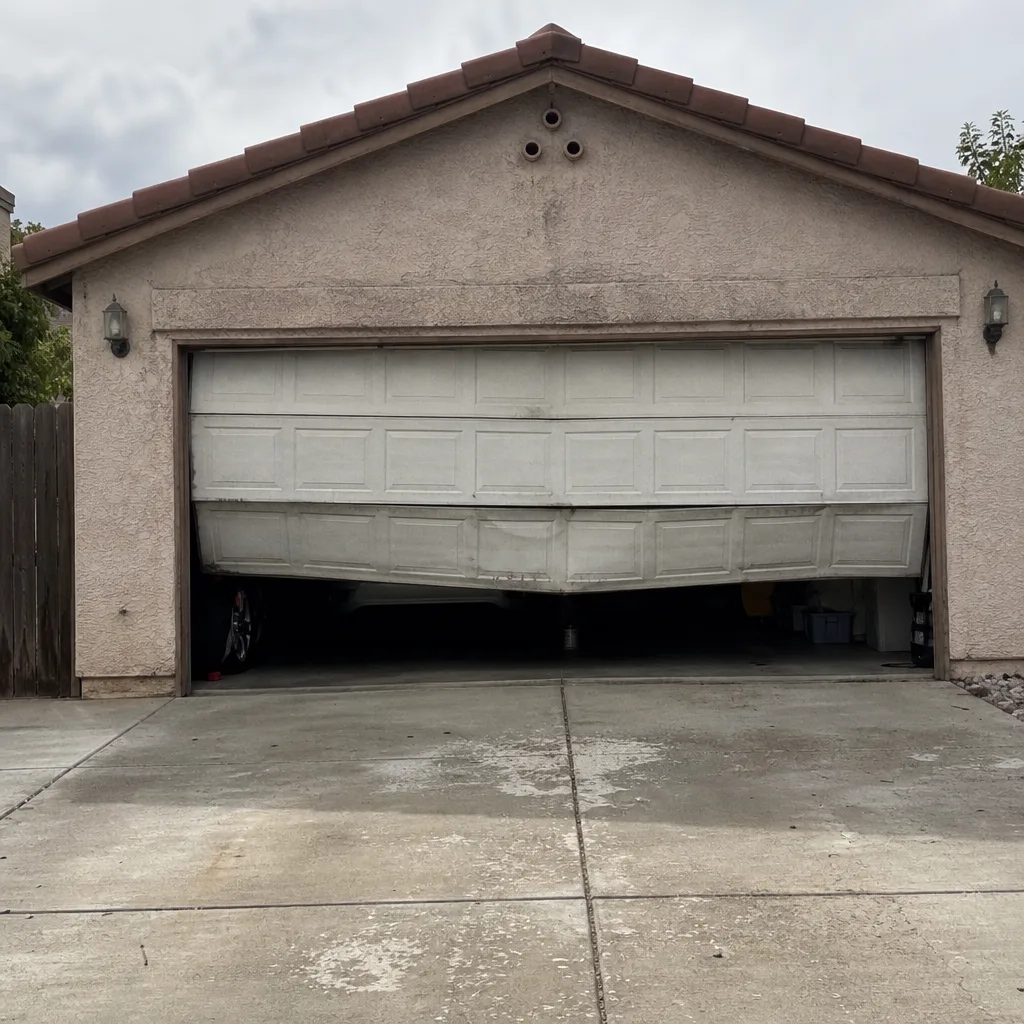 Before
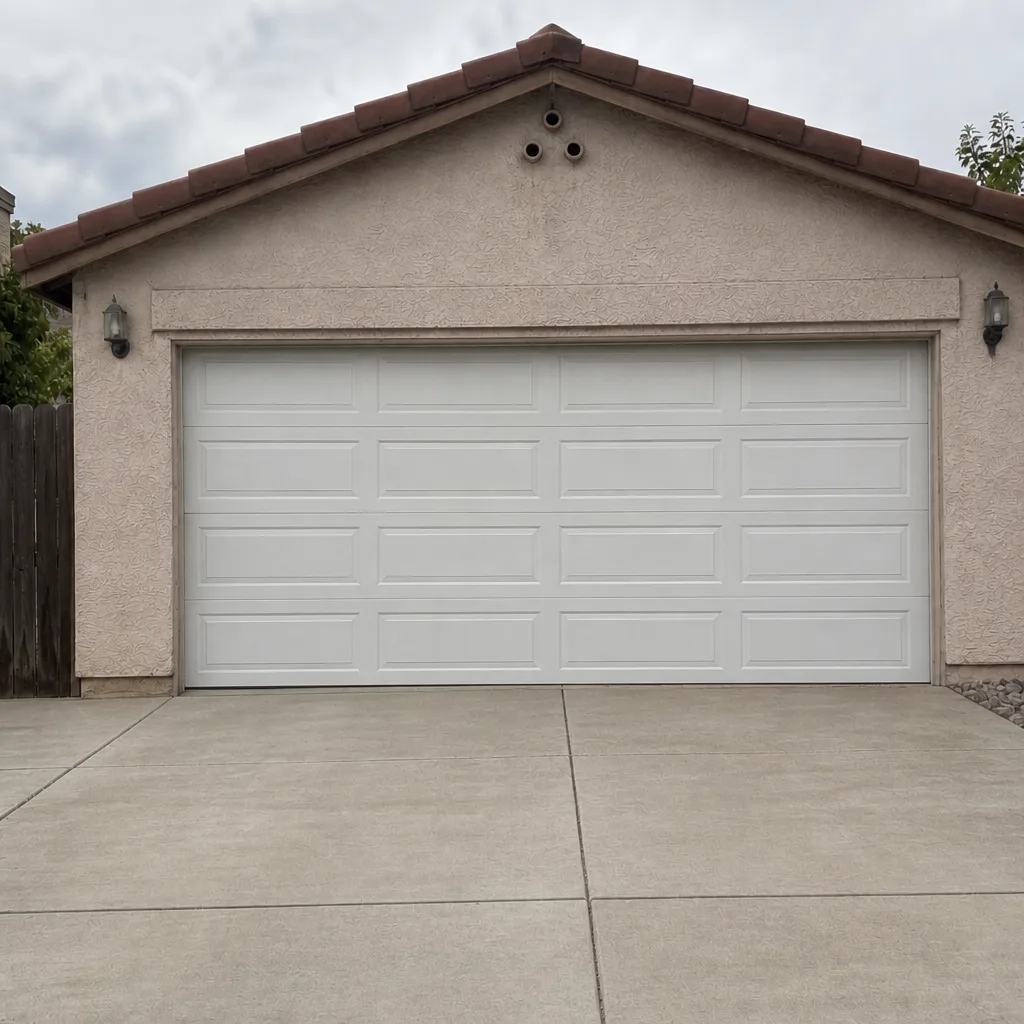 After
Why Garage Door “Emergencies” Are Usually Deferred Maintenance
A torsion spring doesn’t break because you used the door too much. It breaks because it has a cycle rating – typically somewhere between 10,000 and 20,000 open-and-close cycles – and it fails at the end of that life, often without a dramatic warning sound. But the weeks before it snaps leave evidence: the door starts feeling heavier, the opener strains, the balance test drifts. Ignore those signs long enough and the door stops working on a morning you’re already late.
A door off its track follows the same pattern. Rollers wear, grow loose in their brackets, and start pulling the door out of alignment. Cables corrode or fray and lose even tension, which lets one side of the door drop lower than the other. Each of these is observable weeks before the door actually comes off.
In our experience across Winchester, the homes most likely to need an emergency call are the ones with zero maintenance history. A door installed in 2018 with no inspection since has quietly accumulated worn rollers, a stretched cable, and a spring near the end of its rated cycles. When it fails, it fails all at once – but every one of those parts was failing on a schedule you could have read.
The schedule in this guide is built backwards from the emergency. Each task exists to make one specific failure less likely, so you know exactly why you’re spending the 15 minutes.
The Quarterly Inspection: 15 Minutes That Prevent Most Emergencies
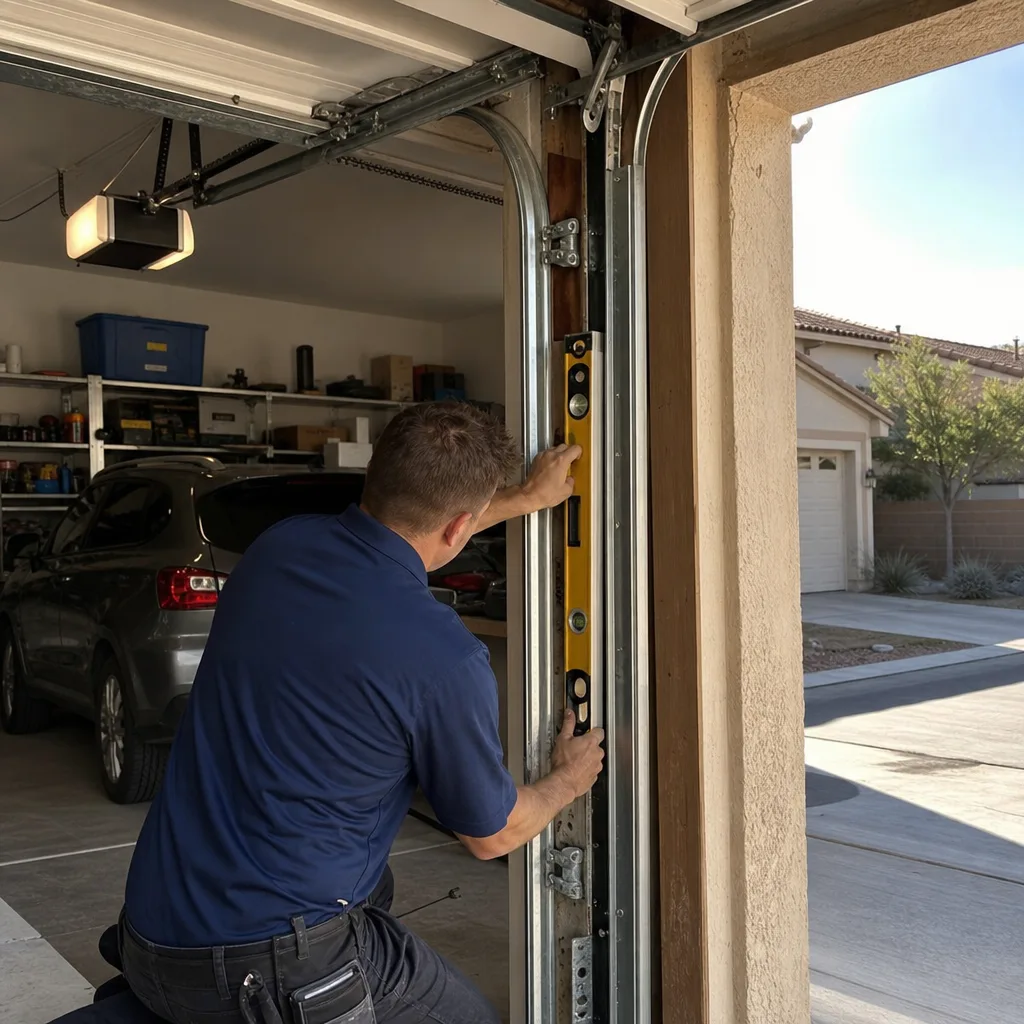
Set a recurring reminder every three months. The full quarterly inspection is a visual and hands-on pass through five items, none of which require tools beyond your eyes and hands. Do it with the door closed first, then open, then in the manual-release position.
- Balance test. Release the opener (pull the red manual release cord) and lift the door by hand to about waist height. Let go. It should hold within 1 – 2 seconds. A drift or drop means spring tension is fading. Details in the section below.
- Cable inspection. With the door closed, look along both vertical cables for frayed strands, kinks, or rust at the anchor points. Note any uneven winding on the drums at the top.
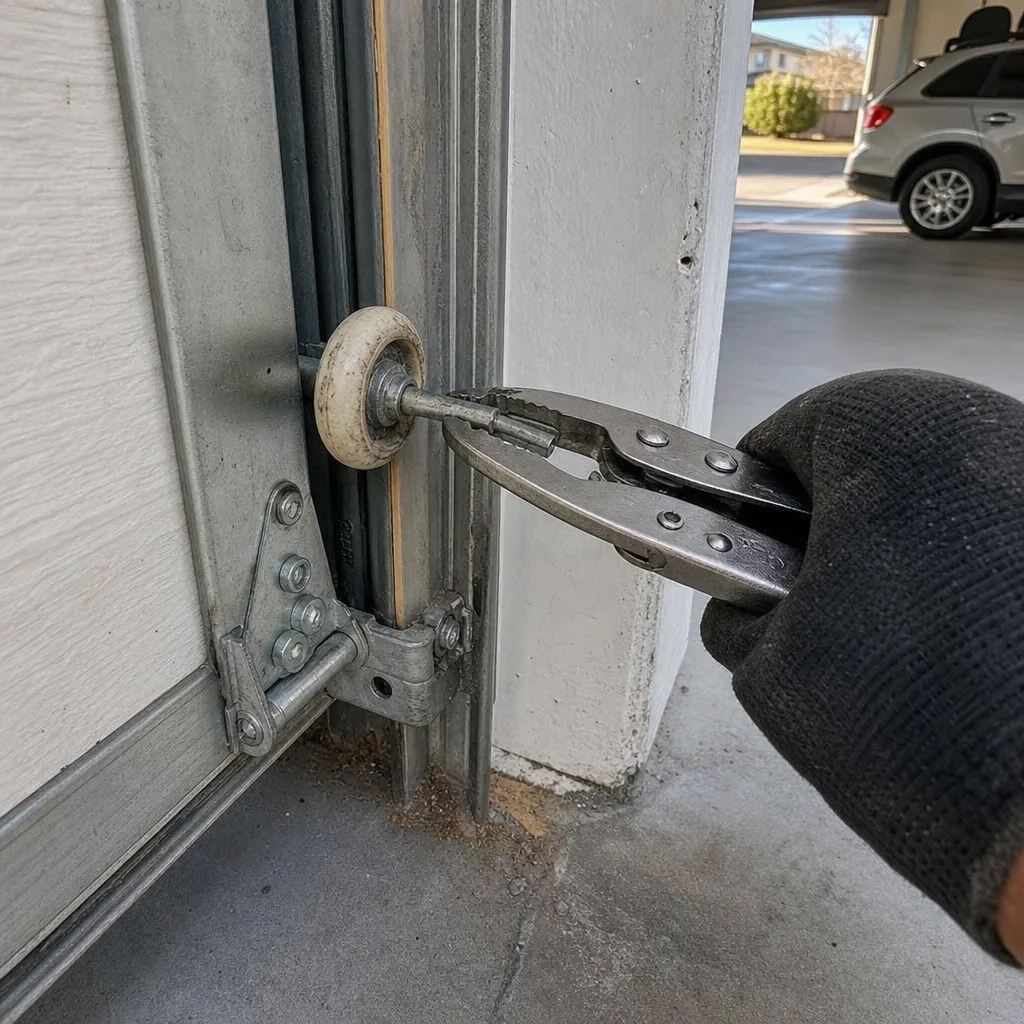
- Roller check. Open the door and look at each roller in its bracket. A roller that wobbles side-to-side more than 1/8 inch is near the end of its life.
- Track alignment. Run a hand along the inside of each track (door stationary, opener off if you can). You’re feeling for dents, bends, or debris. A small obstruction can force the door off its track.
- Hardware and hinges. Look for loose bolts at the hinges and brackets, and rust on the springs and cable anchor plates.
This is where you’ll catch most of the precursors. We’ve seen Winchester doors that needed nothing more than a $40 cable and a roller set because the homeowner caught the wear quarterly. We’ve also seen doors that needed a full track realignment because the same wear went unchecked for two years. Same eventual failure, very different bills.
One note: keep the visual inspection to the door itself. Don’t adjust the springs or cables yourself; those are the parts that cause serious injuries when handled without the right tools and knowledge. Observation is your job. Adjustment belongs to a technician.
The Balance Test: Your Highest-Value Preventive Check
If you do only one thing from this guide, do the balance test every quarter. It’s the earliest and clearest signal that your torsion spring – the coiled spring above the door that carries most of the door’s weight – is losing strength.
Here’s the procedure:
- Close the door and disconnect the opener by pulling the red release cord.
- Lift the door by hand to about waist height.
- Let go and count.
A healthy door holds position within 1 – 2 seconds. It may rock slightly, but it should stay put. A door that drops slowly, drifts down, or sinks to the floor is telling you the spring is under-tensioned or near the end of its life. A door that shoots up is over-tensioned, usually an adjustment issue.
That first drift is your warning. A spring that has lost tension will fail completely – usually within weeks to months, depending on how often the door cycles. Detect the drift and you can schedule a spring replacement on your terms instead of calling for emergency service on a Saturday morning.
We can’t overstate the safety side here. Torsion springs and the cables they tension are under extreme load. If you see the drift, don’t try to adjust or replace the spring yourself – call a trained professional. We’ve seen the injuries this causes, and they’re severe. The test above is passive; the fix is not.
In Winchester’s dry climate, springs don’t corrode as fast as they would near the coast, but they still wear out on cycles, not calendar time. A household with two cars and a busy driveway can cycle the door 10 or more times a day, which shortens the spring’s life noticeably. The balance test is how you find out where you are on that timeline.
Cable Inspection: The Visual Signs That Precede a Snap
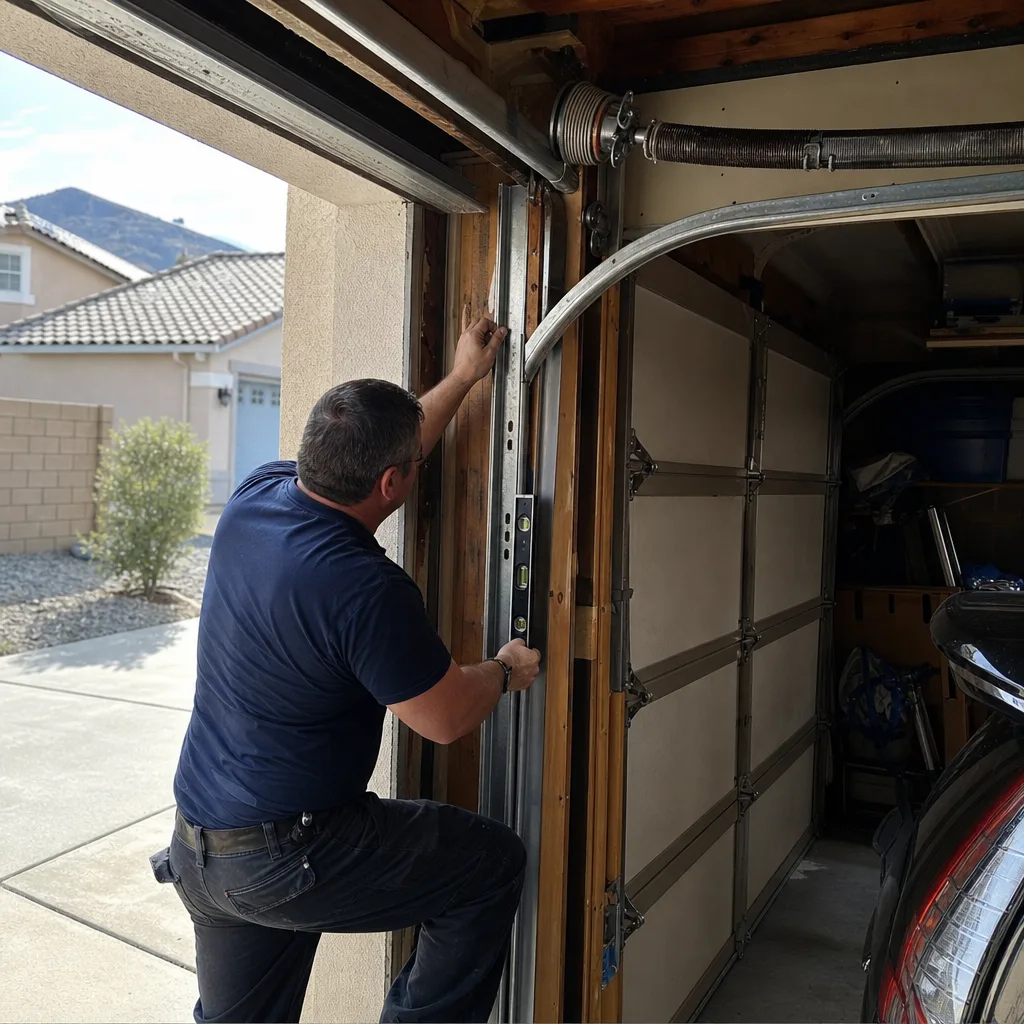
Garage door cables lift and lower the door and keep it level. They’re under constant tension from the springs, and when one fails, the door drops suddenly and unevenly – a genuine emergency that can damage the door, the car, or a person underneath. The good news is that cable failure is visible weeks in advance. Check for three signs every quarter:
- Fraying strands. Run your eyes along the length of each cable. A healthy cable is smooth. A failing one shows individual wire strands separating or sticking out, like a frayed rope. Any visible fraying is a stop-use-now condition, not a “watch it” condition.
- Uneven drum winding. At the top of the door, the cables wrap around drums. Both sides should wind evenly and stay level. If one side has a loose loop, an over-wrap, or a cable riding off the drum edge, the tension is uneven and a snap is more likely.
- Anchor point corrosion. Look at the bottom brackets and the top plate where the cables attach. Rust or corrosion at these points weakens the connection. In Winchester’s dry air, heavy rust is less common than it would be in wetter regions, but any visible corrosion is worth flagging.
Here’s the part that matters for preventing an emergency: a cable that’s fraying is already compromised. It doesn’t “mostly work.” Don’t operate the door repeatedly while you wait to schedule a repair. The safest move is to stop using the door and call for service.
We once serviced a Winchester home where the homeowner had been hearing a light scraping for two weeks and assumed it was a track issue. It was a fraying cable with seven broken strands. A quarterly visual check would have caught it long before the scraping started. That’s the value of the routine: it catches what your ears only notice too late.
Roller Wear: The 1/8-Inch Benchmark That Predicts Track Departure
Rollers are the wheels that ride in the track and carry the door along it. As they wear, they develop lateral play – side-to-side wobble in their brackets. That wobble lets the door shift in the track, and a door that shifts far enough comes off completely. That’s the second of our two dominant emergency causes.
The benchmark is simple: a roller that wobbles more than 1/8 inch within its bracket is a replacement candidate now. Less than that and it’s worth watching. Here’s how to check:
- Open the door and keep it open so the rollers are accessible.
- Locate each roller at the hinge plates along both sides of the door.
- Gently try to move each roller side-to-side in its bracket. You’re not forcing it; you’re checking for slack.
- Note any roller that moves noticeably or spins without resistance (a worn roller often free-spins while a healthy one spins with light resistance).
We see this pattern most in garage doors that were installed between 2015 and 2020 and have never had a roller service. The nylon rollers in particular wear down over a few thousand cycles. On a Wayne Dalton or a Craftsman door from that era, a wobbling roller is an early warning, not a cosmetic issue.
Roller replacement is one of the more affordable preventive services, and it’s the kind of fix that forestalls a much bigger track-repair bill. If you’re at the quarterly pass and find multiple wobbling rollers, that’s your cue to schedule a technician visit rather than wait for the door to fail.
For the full picture on what a roller and track service involves, see our page on Garage Door Repair in Winchester.
The Annual Service: What a Technician Should Check (and Document)
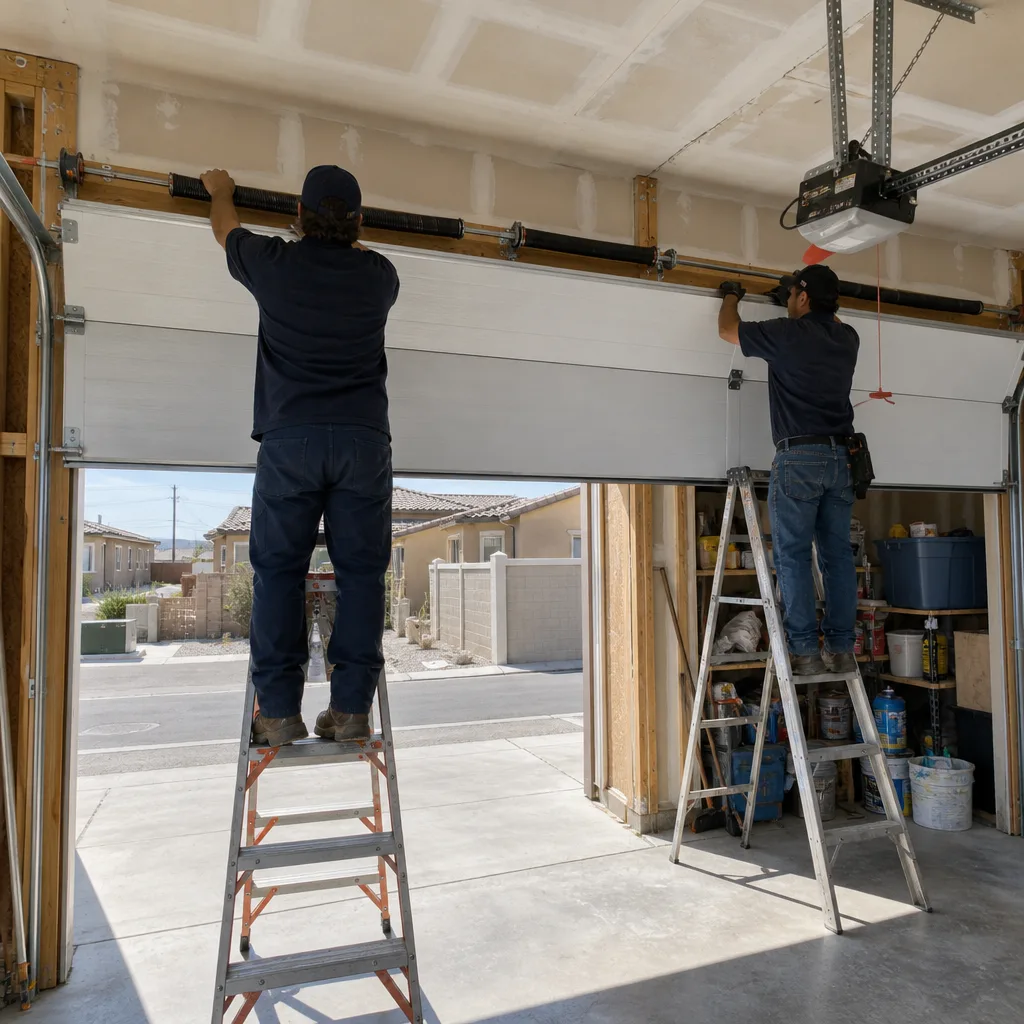
Quarterly inspections catch what you can see. An annual professional service catches what you can’t. Once a year, a trained technician should check the parts that live under tension and are best left to them:
- Torsion spring wire diameter and cycle count (to estimate remaining life)
- Cable tension and drum winding on both sides
- Roller condition and track alignment
- Hinge torque and hardware tightness
- Opener force settings and travel limits (a door that slams or hesitates is a door straining its opener)
- Safety reverse mechanism – the door should reverse on contact with an object; this is the one check that protects children and pets
The annual service is also where a good technician earns trust. Ask for the findings in writing, with photos of any worn parts. A technician who can show you the worn roller and name the part is making a case you can evaluate. That’s not a sales pitch; it’s a diagnosis.
We have up to 11 years of technician experience on staff, and in our experience the most useful annual service call is the one where the technician identifies two or three parts nearing end of life and gives you a timeline for each. That converts a one-time visit into a schedule you can plan around.
If your opener is part of the picture – LiftMaster and Chamberlain units are common in Winchester homes – the annual service is also the right time to check its force and travel settings. See Garage Door Opener Repair & Installation in Winchester for the specifics.
Build a Documentation Habit: Date It, Photograph It
Here’s the part most maintenance guides leave out, and it’s the one that saves you money over time: document each inspection. Date it. Photograph the spring condition and the cable tension on both sides. Keep those photos in a folder or album on your phone.
Why does that matter for emergency prevention? Because a technician arriving for a future repair can compare the current state against your baseline. A spring that looked tight six months ago and has visibly drifted since tells a different story than a spring that’s been drifting for two years. Your photos turn a guess into a documented timeline.
The same habit works when you’re shopping for a repair. If you have dated photos of the failed part, you can compare estimates against the evidence. And if another company has quoted you a repair, you can bring that written estimate to us for a free second opinion – no coupon or code needed. The paperwork is the point.
This is central to how we work. Our founding rule is that the customer sees the failed part before anyone quotes a replacement, documented in a photo record on every visit. The technician photographs the part, names it, and includes it in the record you receive. Clause 4 of The Haven Standard is why that photo exists on file. You don’t have to take our word for the diagnosis, because you have the image.
Seasonal Adjustments for Winchester Conditions
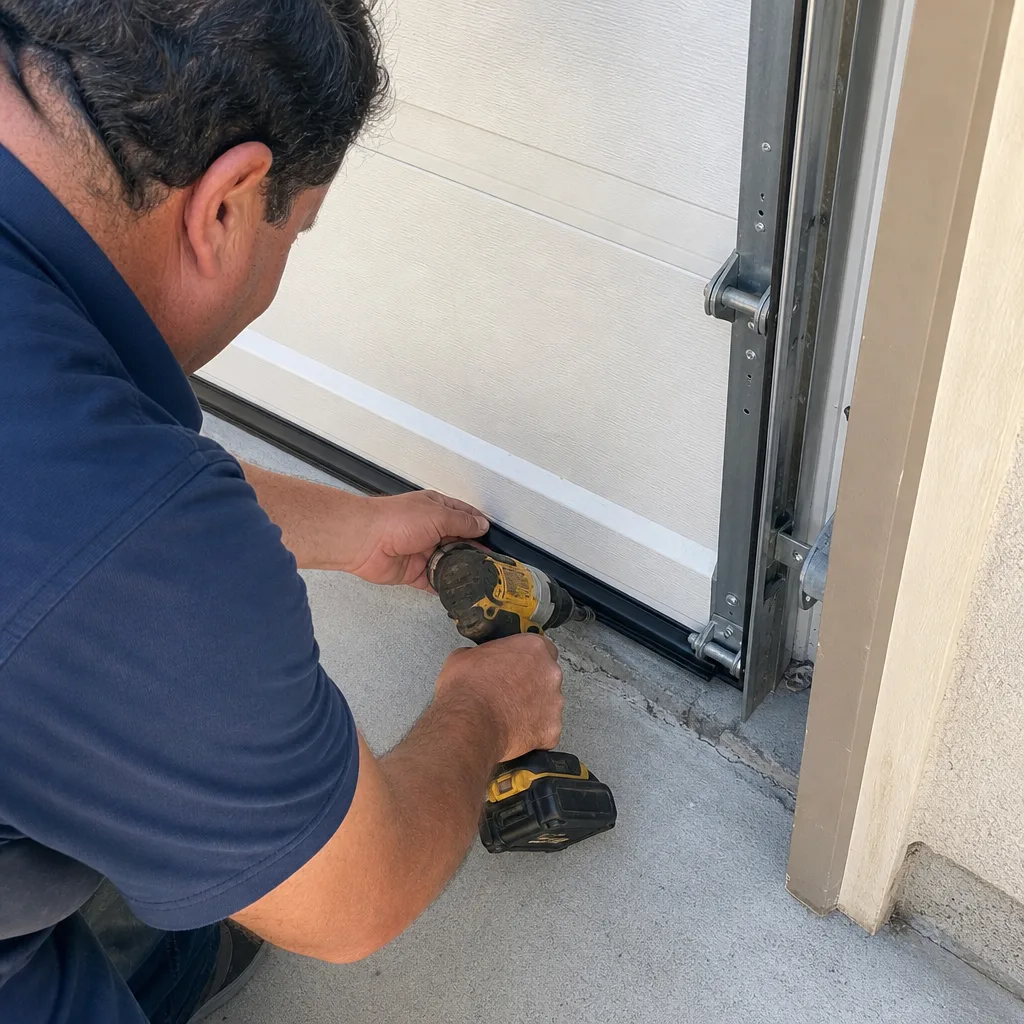
Winchester’s climate is dry and hot for much of the year, with real desert swings between afternoon heat and cool nights. That affects a few maintenance items more than the standard schedule suggests.
- Heat and metal expansion. In the peak summer, metal tracks and springs expand slightly, which can make a properly adjusted door seem to stick or bind. If the door feels tight in July, that’s often expansion, not a failing part. Check the balance test before assuming the worst.
- Dust and grit. Dry, dusty air gets into tracks and hinges, and grit accelerates roller wear. Wipe down the tracks and rollers at the quarterly pass, and use a dry lubricant rather than a wet one so it doesn’t collect dust.
- Winter cold snaps. Winchester’s cool nights can stiffen older springs and make a near-failing spring snap faster. If your door gets heavier in cold weather, that’s a sign the spring is already past its best. Get it checked before winter.
- Summer monsoon. When the rare heavy rain does come, water can get into the bottom brackets and speed corrosion. After a wet spell, do a quick visual pass on the cable anchors.
None of these replace the quarterly inspection. They just tell you where to look first in Winchester’s particular seasons. A door that sails through the dry months can tighten up in the heat and stiffen in the cold, and knowing that pattern helps you interpret what you’re seeing.
Common Mistakes to Avoid
- Waiting for a noise before you inspect. By the time a garage door is loud, the part is often already failing. The quarterly pass catches the quiet drift before it becomes a noise.
- Assuming the balance test is a formality. A door that drifts at waist height is telling you a spring is near failure. Skipping that test in Winchester means missing the earliest warning you’ll get.
- Trying to adjust springs or cables yourself. These parts are under extreme tension and can cause serious injury. Observation and balance testing are homeowner jobs; adjustment and replacement are not.
- Running a door with a fraying cable. A cable with broken strands is a stop-use condition. Every cycle increases the risk of a snap that drops the door.
- Ignoring roller wobble because the door “still works.” A roller with more than 1/8 inch of lateral play is a track-departure risk. It works until it doesn’t.
- Never documenting inspections. Without dated photos, you have no baseline. A technician can’t compare against a past state you never recorded.
- Letting a contractor quote without showing you the part. If a company won’t show you the failed component in a photo, you’re being asked to buy a diagnosis you can’t verify. Insist on the evidence before any work starts.
See the difference
BeforeAfter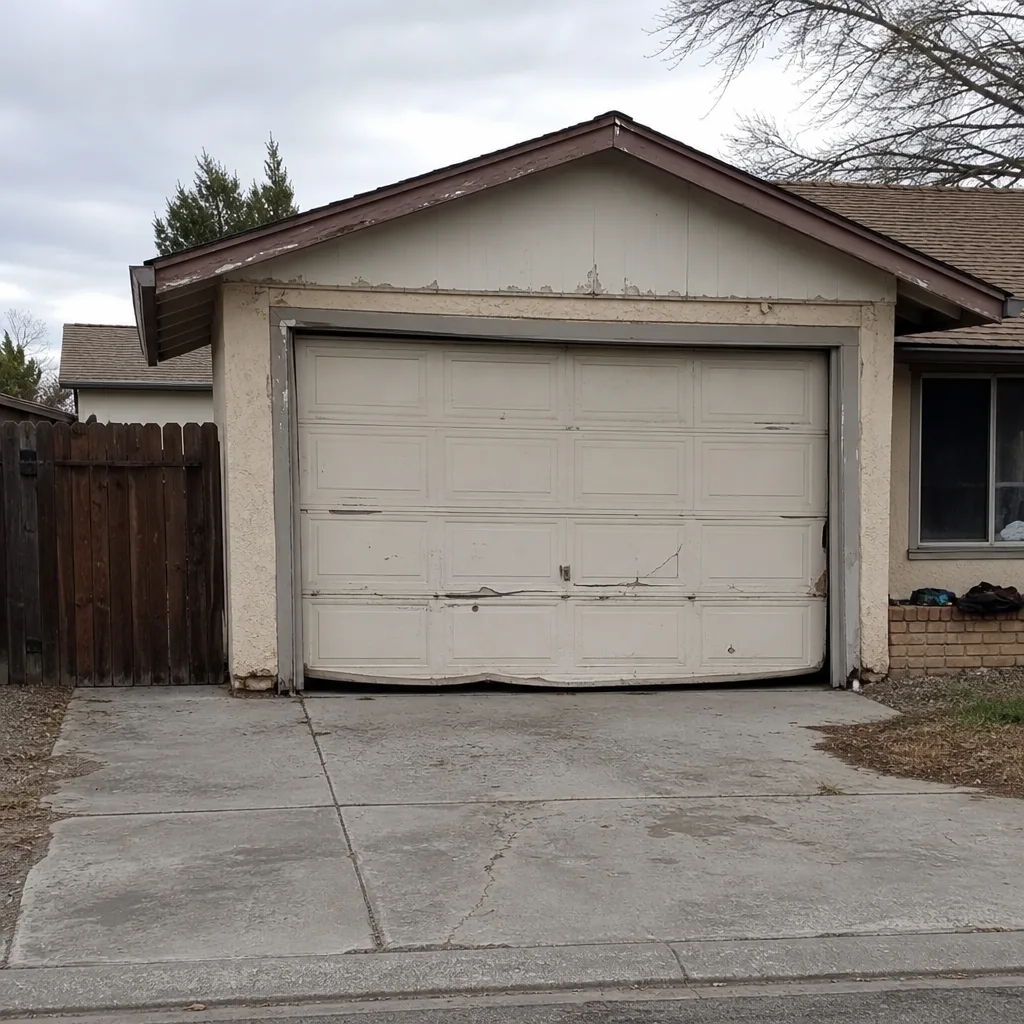 Before
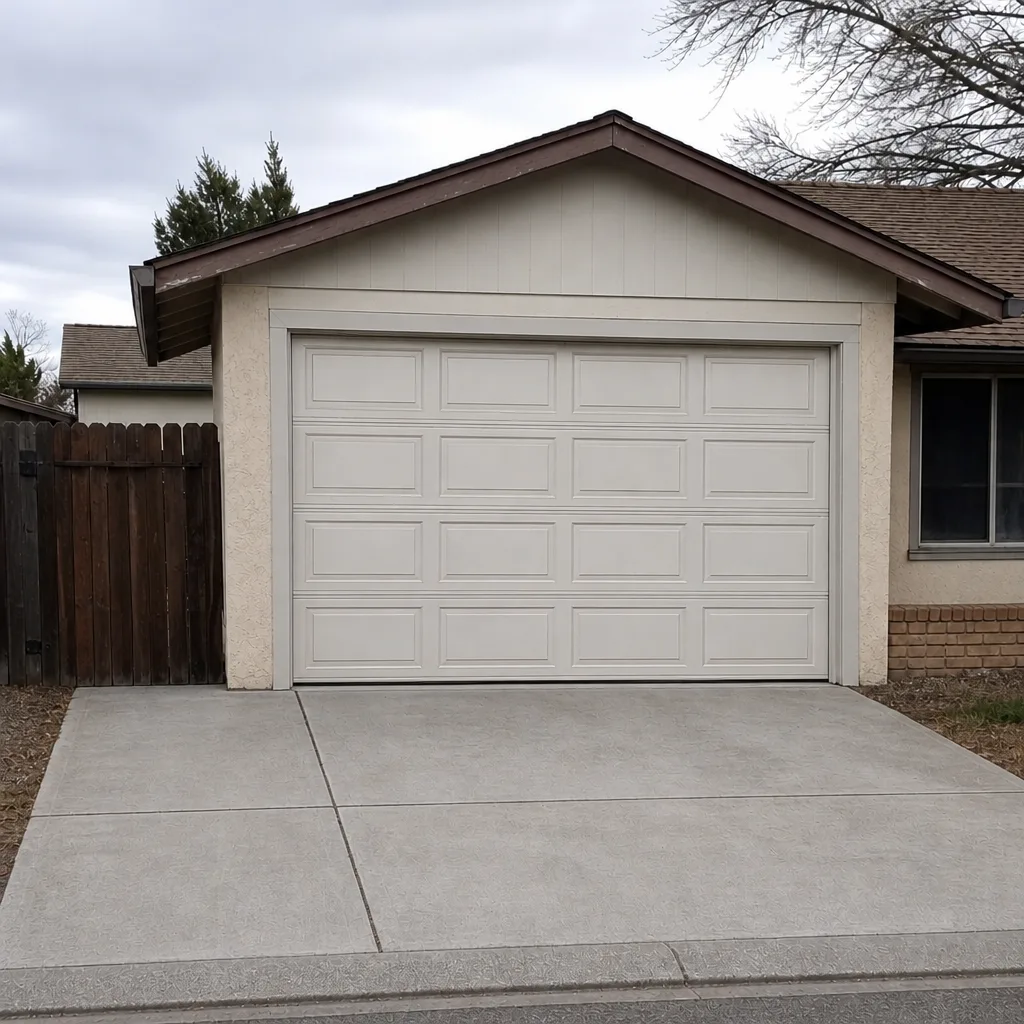 After
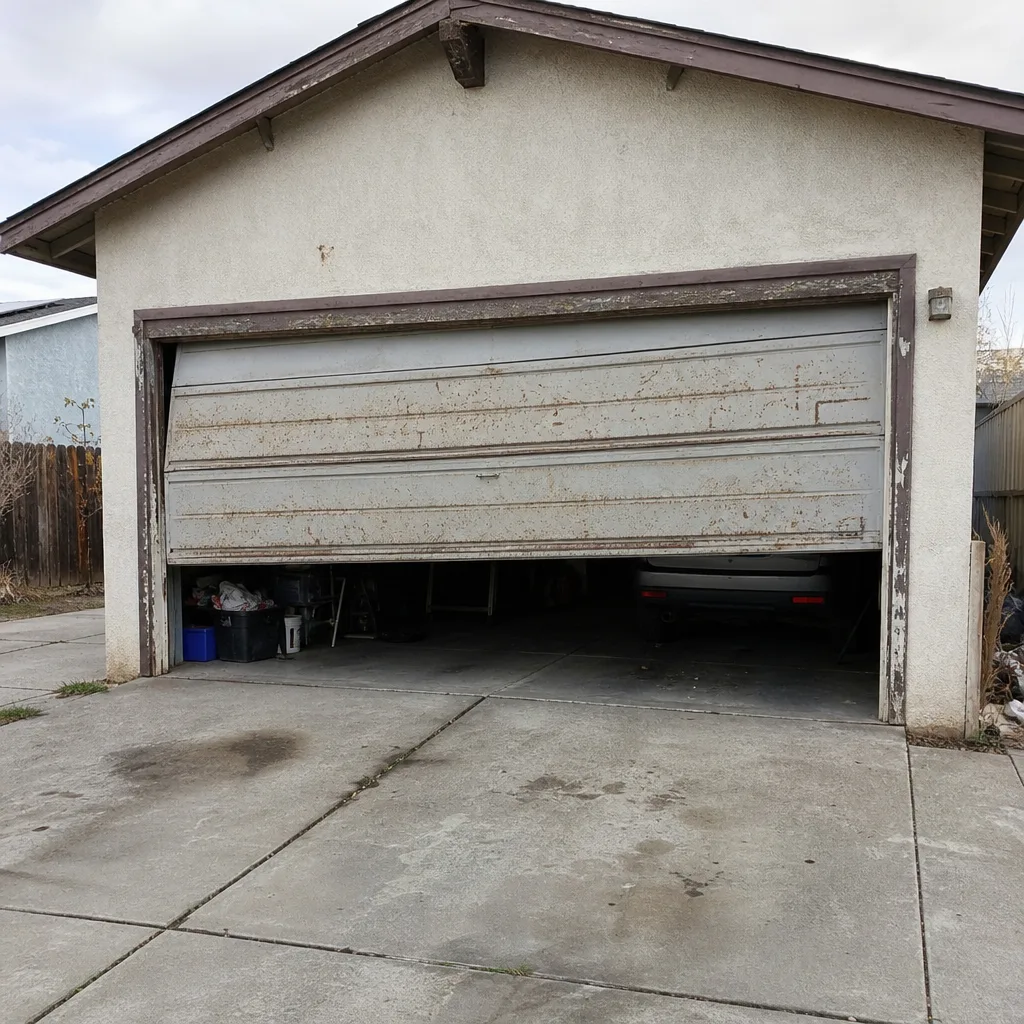 Before
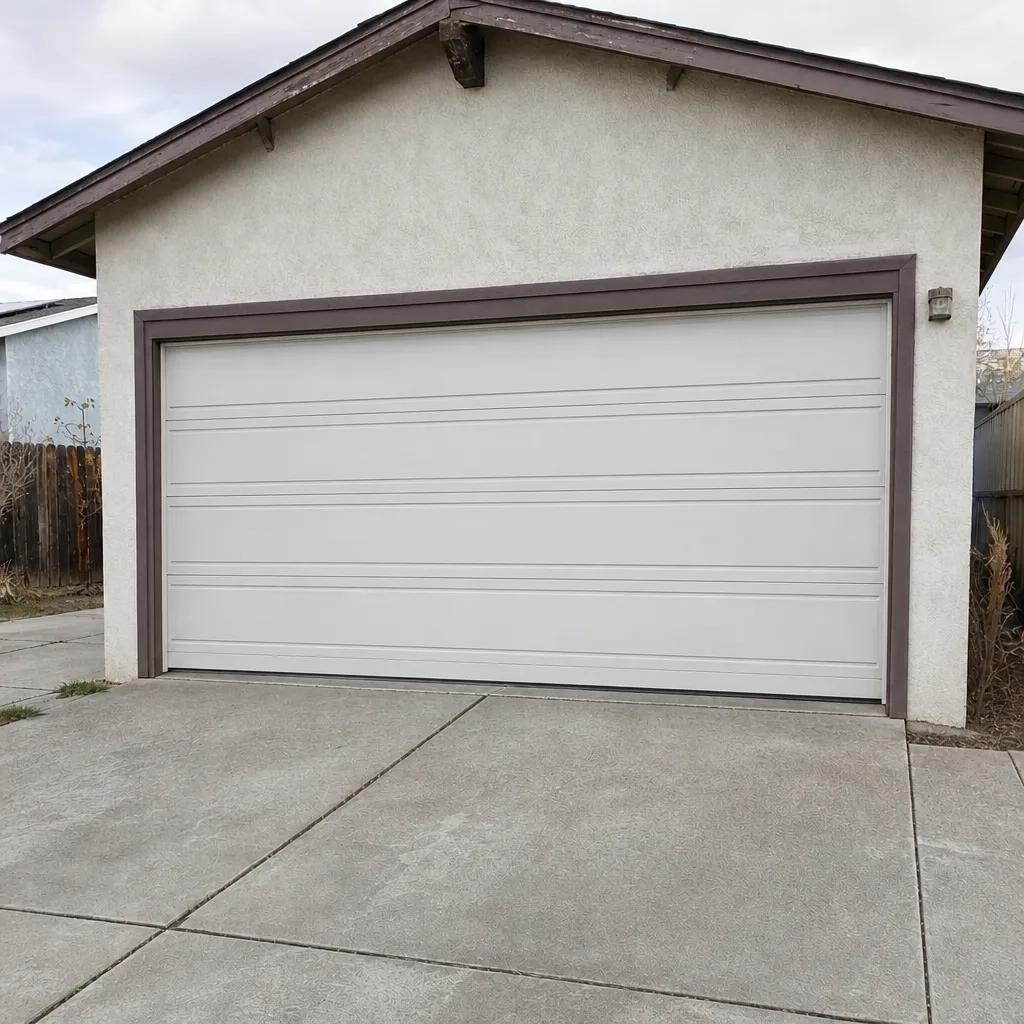 After
When to Call a Professional
Call a professional immediately if you see a frayed cable with broken strands, if the door has come off its track, if a spring is visibly broken (a clean break at the coil is hard to miss), or if the balance test shows a door dropping far more than 1 – 2 seconds. These are stop-use conditions, and running the door further risks damage or injury.
You should also call if a quarterly inspection turns up parts you’re unsure about – a roller with wobble you can’t measure precisely, or a rusted anchor point you want an expert assessment on. A professional service once a year and a documented photo record give you the baseline you need to make the timing calls. Servo Garage Doors Winchester offers free estimates throughout Winchester. Call (855) 517-0284 and a live person answers, day or night, including emergency calls. We quote a flat, written price before any work starts – Clause 1 of The Haven Standard.
For full service background, start at Servo Garage Doors Winchester home. If you’re weighing a full replacement of an aging door that keeps needing repairs, our Garage Door Installation in Winchester page covers what to expect.
Frequently Asked Questions
Every three months is the right interval for a visual and hands-on inspection, plus one annual professional service. The quarterly pass takes about 15 minutes and covers the balance test, cable inspection, roller wobble, track alignment, and hardware. That cadence is what catches spring drift and cable fraying before they turn into emergency calls.
A torsion spring replacement typically runs in the low-to-mid hundreds of dollars, depending on the spring size and whether it’s one or two springs. A broken spring is one of the two most common emergency calls we see. Catching spring drift early on the balance test lets you schedule the replacement on your terms rather than paying an after-hours emergency rate. Call (855) 517-0284 for an exact quote – estimates are free and the price is quoted before any work starts.
Yes. Emergency garage door calls are answered by a live person 24 hours a day, seven days a week, and we dispatch a named technician with an on-the-way text rather than an open callback window. For non-emergency repairs, we schedule same-day whenever possible.
No. Every job gets a flat, written price and written scope before any work begins, per Clause 1 of The Haven Standard. If a failure turns up something the written scope didn’t cover, we tell you before proceeding – you’re never surprised by an invoice larger than the quote.
Yes. The local business is independently owned and operated and holds its own license and insurance, and technicians are background-checked. We’re happy to produce license information on request rather than bury it in fine print.
Yes. A door that “works fine” can still be drifting toward a spring failure or a roller that will jump the track. The quarterly balance test and cable check catch the wear that hasn’t made noise yet. Skipping maintenance is how a working door becomes an emergency, and the fix is cheapest before it fails.
The Bottom Line
Garage door emergencies are rarely sudden. They’re the end of a chain of small failures – spring drift, cable fraying, roller wobble – that a 15-minute quarterly inspection catches early. Run the balance test first, because a door that won’t hold position at waist height is the clearest signal of a developing spring problem. Inspect cables for fraying and corrosion, measure roller wobble against the 1/8-inch benchmark, and date every inspection with a photo so you have a baseline to compare against. That routine won’t make your door emergency-proof, but it will push most emergencies off the calendar and onto a repair schedule you control. Need a second set of eyes? Call us – a free estimate and a documented record, on your timeline. Written by the team at Servo Garage Doors Winchester.