
Last updated November 18, 2026
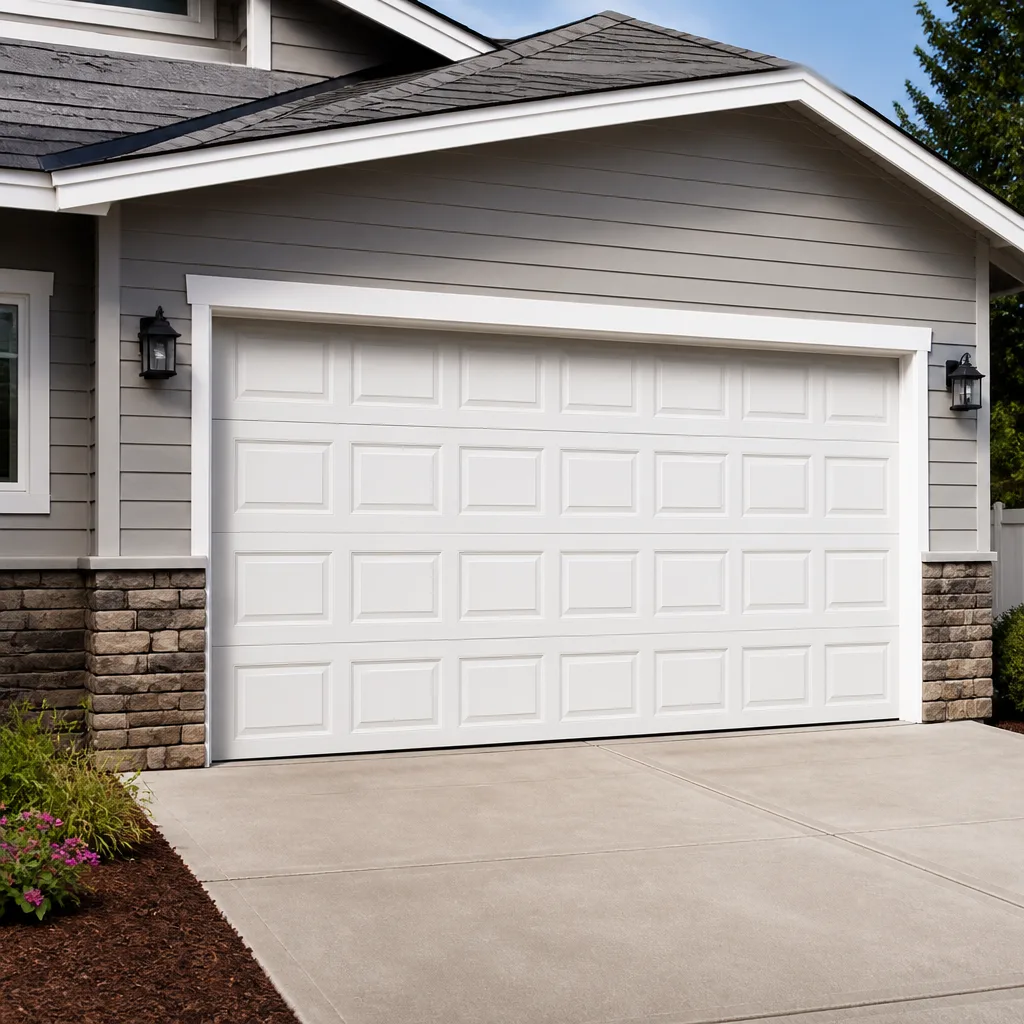 Raised-panel steel
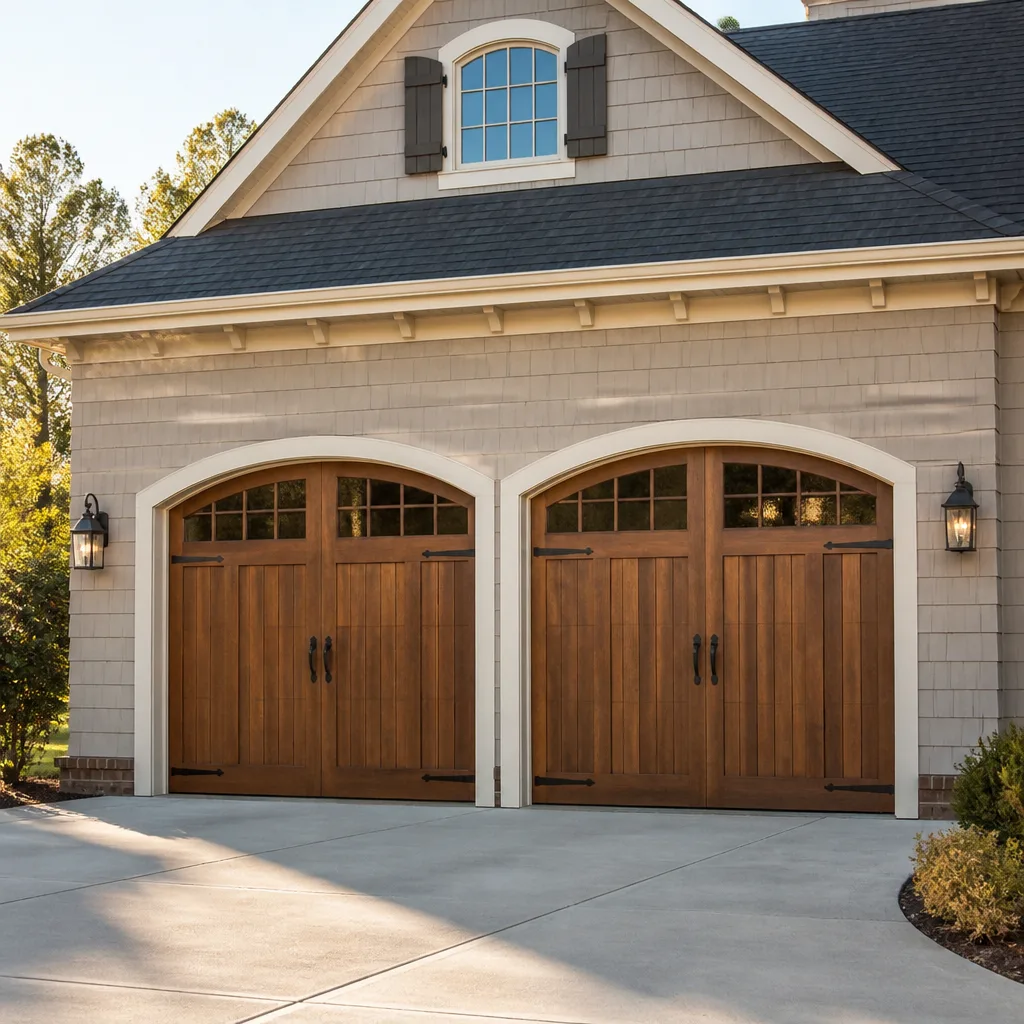 Carriage house
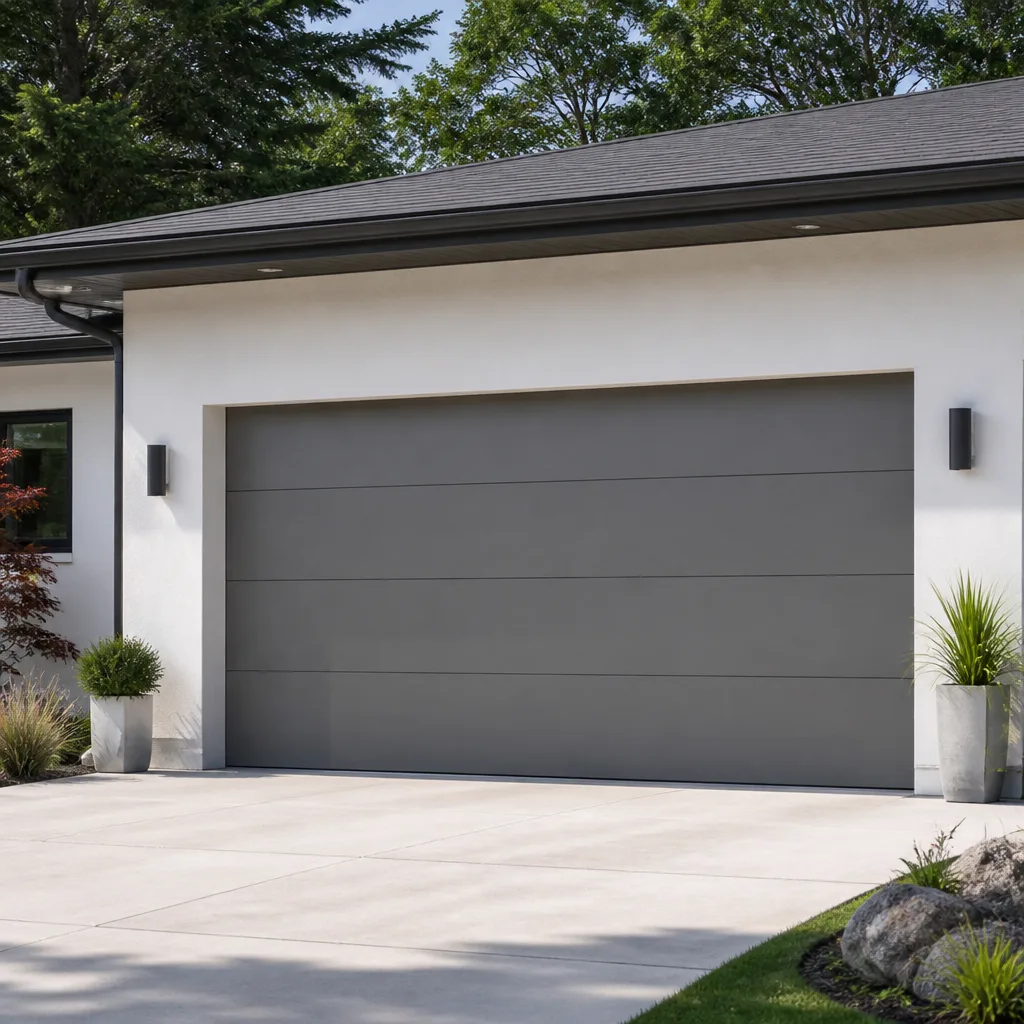 Modern flush
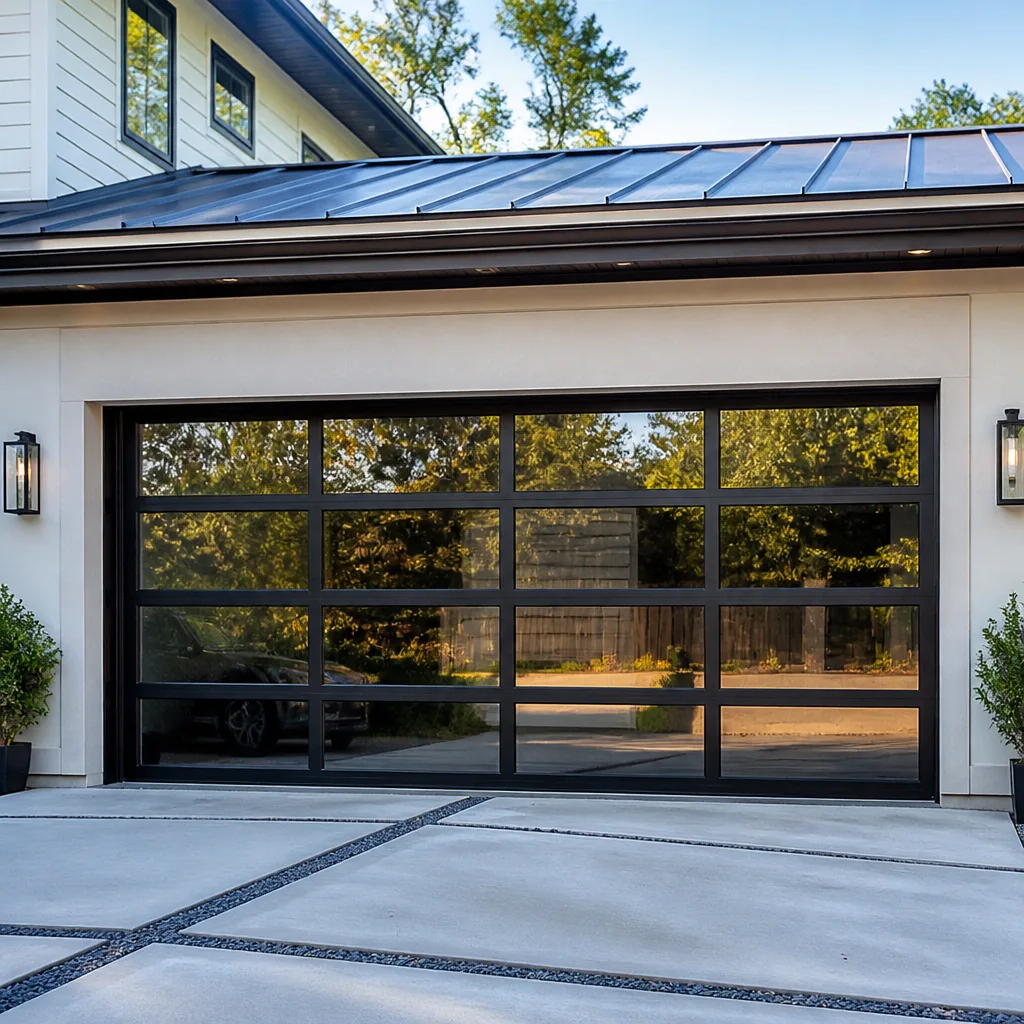 Full-view glass
 LiftMaster openers
 Chamberlain openers
Full 25-point door and opener safety check with every visit - springs, cables, rollers, tracks, and your LiftMaster or Chamberlain opener included
You get a price before we start. It does not change when the pro arrives.
Get your free estimateGarage Door Permits, Codes & Inspections in NV: What You Need to Know
A contractor who says “you don’t need a permit for that” may be right, or may be protecting their own schedule. In our experience across Winchester and the wider Las Vegas valley, the permit question gets answered wrong in both directions: homeowners pay for permits on work that never needed one, and unpermitted structural changes sit quietly in garages until a sale triggers a problem. The line in Nevada runs through NRS Chapter 489, then through Clark County’s local overlays, and it lands in a specific place: structural modification and new electrical circuits. This guide draws that line precisely, shows you what an inspector actually checks, and explains how unpermitted work surfaces at resale. By the end you’ll know exactly which question to ask.
Quick Answer
In Nevada, garage door work needs a permit in three situations: a new door installed in a new opening, new electrical work for an opener circuit, and any structural header modification above the opening. Like-for-like door replacement, spring replacement, and opener replacement on an existing circuit typically do not require a permit. NRS 489 governs the contractor side, and Clark County building codes govern the construction side. If your job touches framing or new wiring, get the permit. If it’s a swap, you usually don’t.
Styles & brands we work with
- Raised-panel steel
- Carriage house
- Modern flush
- Full-view glass
- LiftMaster openers
- Chamberlain openers
Table of Contents
- What NRS Chapter 489 Actually Says About Garage Door Work
- When a Garage Door Permit Is Required in Nevada
- When a Permit Is Not Required
- The Inspection Sequence: Rough-In, Final, and What Inspectors Check
- How Unpermitted Garage Door Work Surfaces at Sale Time
- Pulling the Permit Yourself vs. Having the Contractor Pull It
- Winchester-Specific Considerations
- Common Mistakes to Avoid
 Before
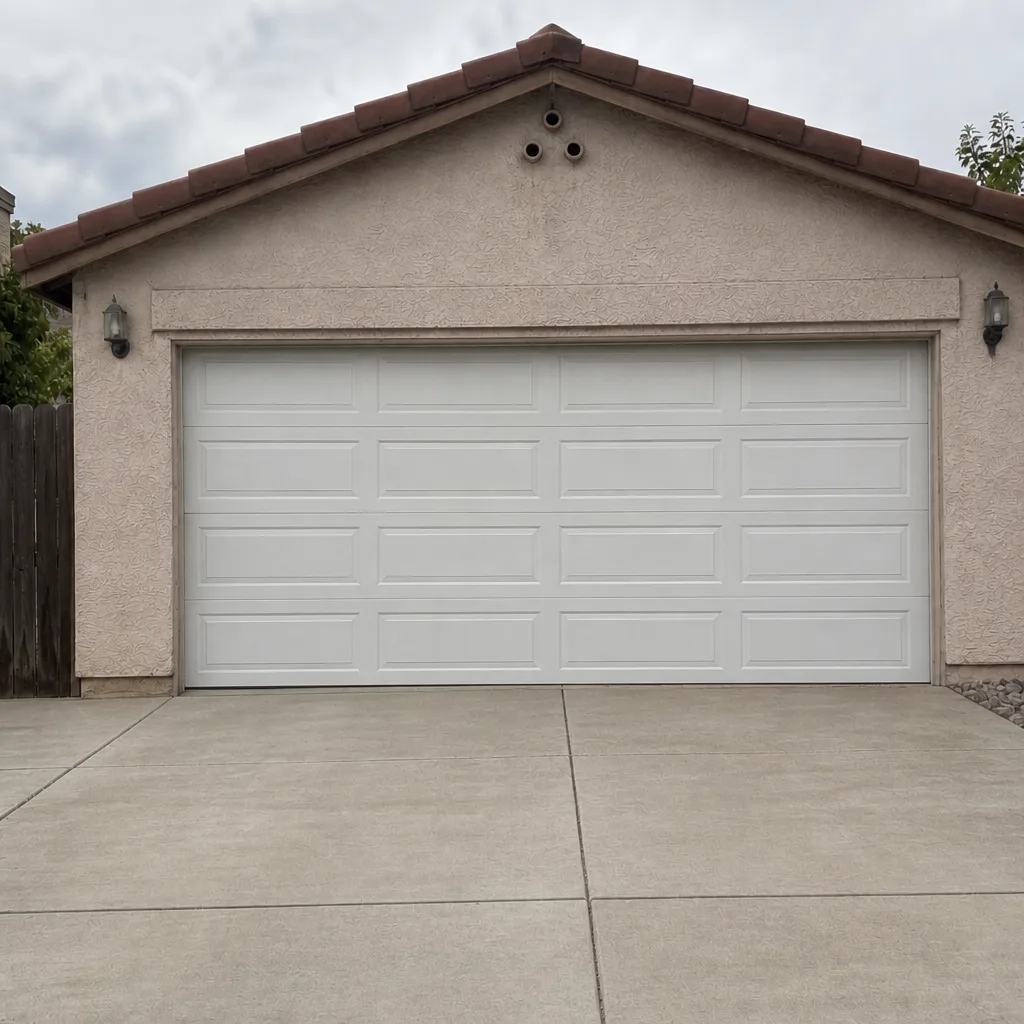 After
What NRS Chapter 489 Actually Says About Garage Door Work
Nevada Revised Statutes Chapter 489 is the state’s licensing law for contractors, and it does two things that matter to a homeowner. First, it requires anyone performing garage door installation or repair for compensation to hold a valid state contractor license in the correct classification. Second, it gives the Nevada State Contractors Board the authority to investigate unlicensed work and, if warranted, issue citations. That’s the enforcement arm. When you hire a contractor in Winchester, the license number should appear on the estimate and on the contract, and you can verify it directly with the State Contractors Board before work starts.
What NRS 489 does not do is dictate construction standards. It watches who is doing the work, not how. The “how” comes from the building code adopted by the local jurisdiction. In Winchester that means Clark County’s adopted building code, which is based on the International Residential Code (IRC). The IRC treats a garage door as an exterior opening component. When that opening changes size, or when the framing above it is cut or reframed, the work crosses from “repair” into “alteration,” and alterations require a permit.
Here’s the practical translation we give homeowners: NRS 489 answers “who is allowed to do this?” Clark County codes answer “does this job need a permit?” They’re separate questions, and a contractor who waves off one doesn’t automatically answer the other. A licensed technician can still pull an unpermitted structural modification. And an unlicensed handyman can pull a permit just as easily as a licensed one, which is a good reminder that the permit alone isn’t the credential that protects you.
If you’re hiring for repair work in the area, our Garage Door Repair in Winchester page walks through how we document each job under Clause 4 of The Haven Standard, which is why the technician photographs the failed component before quoting a replacement.
When a Garage Door Permit Is Required in Nevada
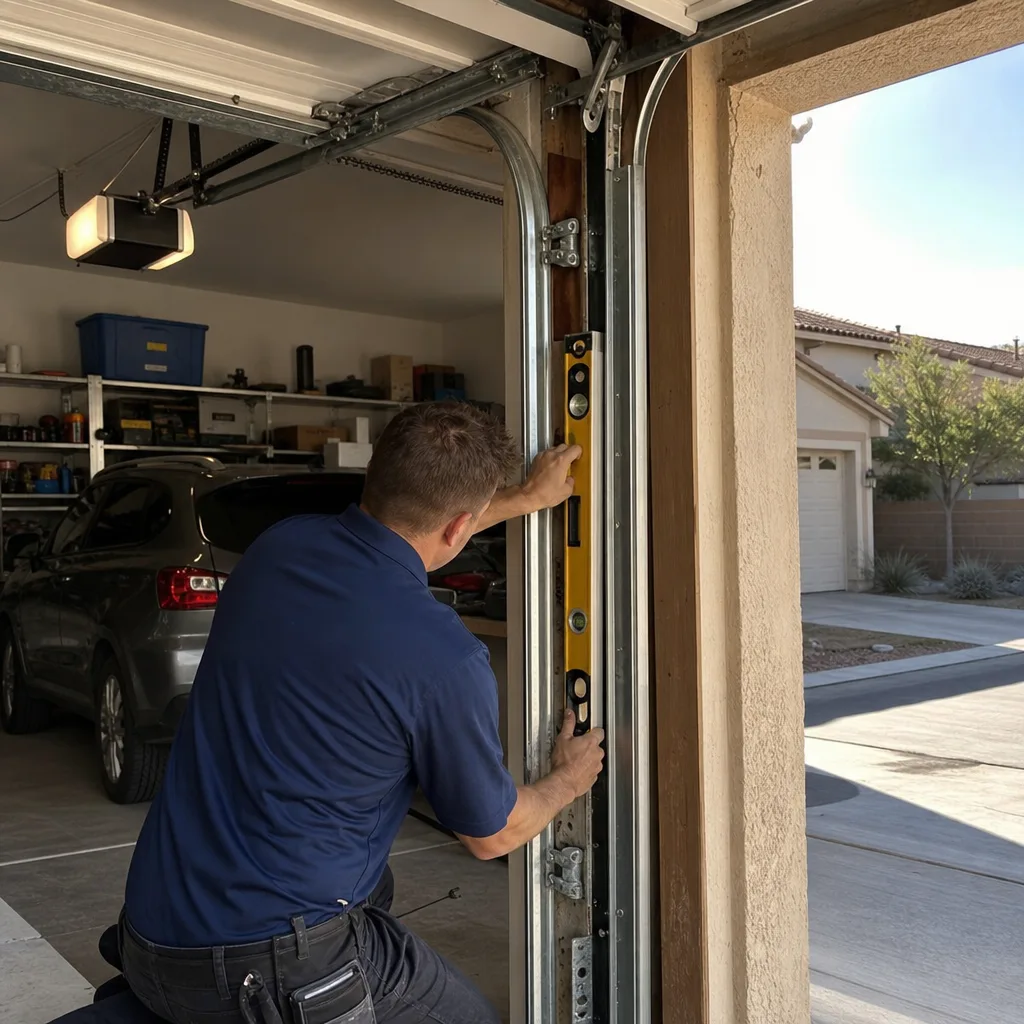
Three categories require a permit in Nevada. If your project falls into any of them, budget the permit fee and the inspection time before you order the door.
- New door installation in a new opening. If the garage is new construction or the existing opening is being widened, raised, or otherwise reconfigured, the framing changes and the header spans differently. This is an alteration and it gets inspected.
- New electrical work for an opener circuit. Running a dedicated 120-volt circuit to a new opener in a garage that didn’t have one, or adding a new outlet for the opener, is electrical work. It requires a permit, and in Clark County it usually means a licensed electrician pulls it as a separate trade. Replacing an opener on an existing circuit is not new wiring.
- Any structural header modification. If the header above your opening is being cut, sistered, bolted, or replaced, you’re modifying the load path of the wall. That’s the clearest permit trigger in the list. This is also the category where unpermitted work causes the most expensive problems at sale time, because a home inspector who sees a modified header will ask for the paperwork.
One nuance Winchester homeowners frequently miss: replacing a single-car door with a double-car door when you have the wall space is a new opening job, not a replacement job. The opening changes, the header changes, and the permit applies.
If you’re replacing a door or having new work done, our Garage Door Installation in Winchester page explains how we sequence a measured install, including the property-line and HOA review that often accompanies a permit in this area.
When a Permit Is Not Required
Most garage door jobs in Winchester do not require a permit. If your project is a same-size swap and you’re not touching framing or wiring, you’re in this category:
- Like-for-like door replacement. Same opening, same size, same wall thickness. The new door fits the existing opening and the existing header is untouched. This is the standard replacement job.
- Spring replacement. Torsion or extension spring replacement is a repair, not an alteration. No permit. The technician replaces the part; the opening doesn’t change.
- Opener replacement on an existing circuit. If the outlet is already there and the opener is a like-for-like replacement, no permit. New wiring is the trigger, not the opener itself.
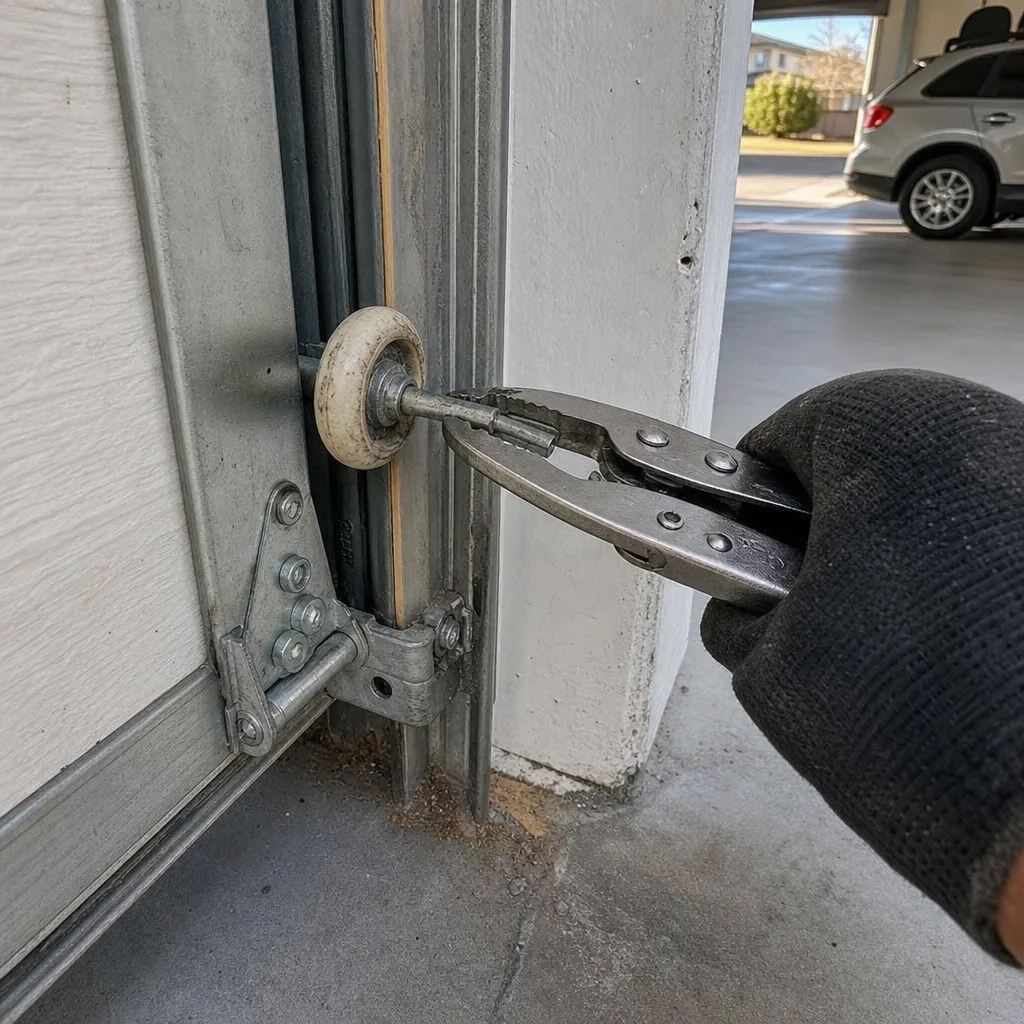
- Panel replacement, roller and track replacement, cable replacement. These are repairs. No permit.
- Minor weatherstripping and threshold work. No permit.
One caveat: some Winchester communities have HOA rules that go further than the building department does. An HOA may require architectural review for a door replacement, even when the city says no permit is needed. That’s a private-contract issue, not a code issue, but it’s the one we see most often when a homeowner tells us their HOA is asking for paperwork. When a job involves the opener, our Garage Door Opener Repair & Installation in Winchester page covers the specific LiftMaster and Chamberlain logic-board and trolley-carriage issues that come up most often.
The Inspection Sequence: Rough-In, Final, and What Inspectors Check
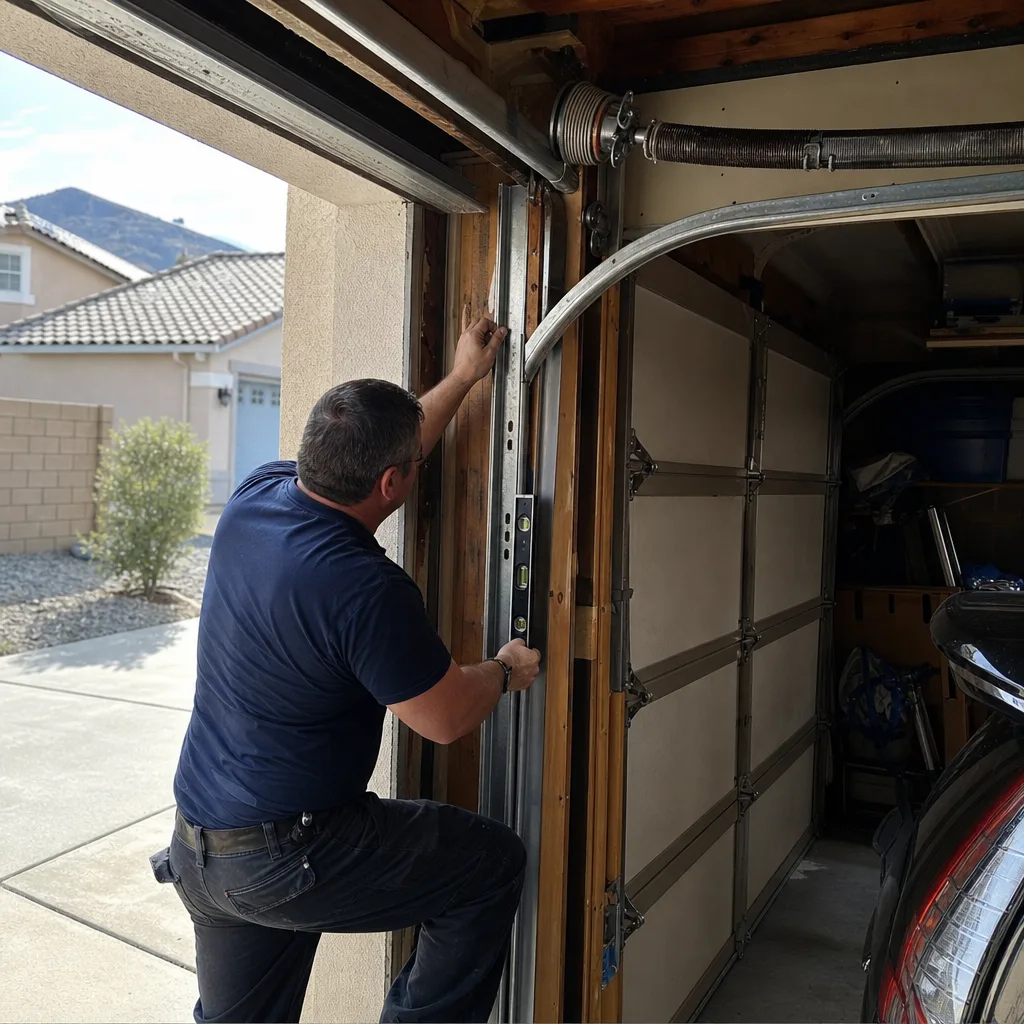
When a permit applies, expect two inspections on a garage door job: rough-in and final.
Rough-in. The framing is visible with the door not yet installed. The inspector measures the opening, checks the header span against the framing schedule or against a stamped engineering letter, verifies the fastening pattern, and confirms that any structural modification matches what was drawn. If the job requires new electrical, the rough-in includes the wiring run and box locations before drywall or insulation goes in.
Final. The door is installed and operating. The inspector checks that the door opens and closes fully, that the auto-reverse feature responds to the manufacturer’s test protocol, that the photo-eye safety sensors (the two small lenses near the floor) are aimed and functional, that the safety label is present, and that the opener’s wiring is secure and covered. In our experience the final inspection rarely fails for the door itself. It fails for missing documentation, an unfastened wire run, or a safety sensor aimed slightly off.
Between inspections, the contractor and the building department work through the permit portal. In Clark County, most scheduling is done online. Expect the rough-in inspection within a few business days of the request, and the final within a similar window once the door is set. The whole sequence usually adds one to two weeks to a job, which is why scheduling the permit early matters for a replacement that has to hit a deadline, such as a sale closing in Winchester.
How Unpermitted Garage Door Work Surfaces at Sale Time
This is where a permit decision made three years ago turns into a real cost. Home inspectors walk into a garage and look at the header. They look at the fasteners. They look at the opener wiring and whether the outlet is grounded and on its own circuit. If the header appears modified and no permit is on record, the inspector’s report notes it as “evidence of alteration without permit” and the buyer’s agent asks the seller to provide documentation. If it doesn’t exist, the seller is looking at one of three outcomes.
- Retroactive permit and inspection. A permit is pulled after the fact, the framing is inspected, and a fee or penalty may apply. In Clark County, a permit pulled after unpermitted work is performed can be denied unless the work is opened up for inspection, which means removing drywall, insulation, or the door itself.
- Remediation by a licensed contractor. The header is corrected to match the code, a permit is pulled, and the work is inspected. This is the cleanest path but the most expensive.
- Price reduction at negotiation. The buyer takes the cost of the fix off the asking price. Sometimes that’s cheaper than remediating, sometimes not.
We’ve seen modified headers in Winchester where the added opening never got a permit and the framing was visibly under-supported. That’s a five-figure conversation at sale time if the buyer’s inspector catches it and the seller has no paper trail. Compare that to the cost of a permit at the front end, which is a few hundred dollars and a couple of trips from the inspector.
Pulling the Permit Yourself vs. Having the Contractor Pull It
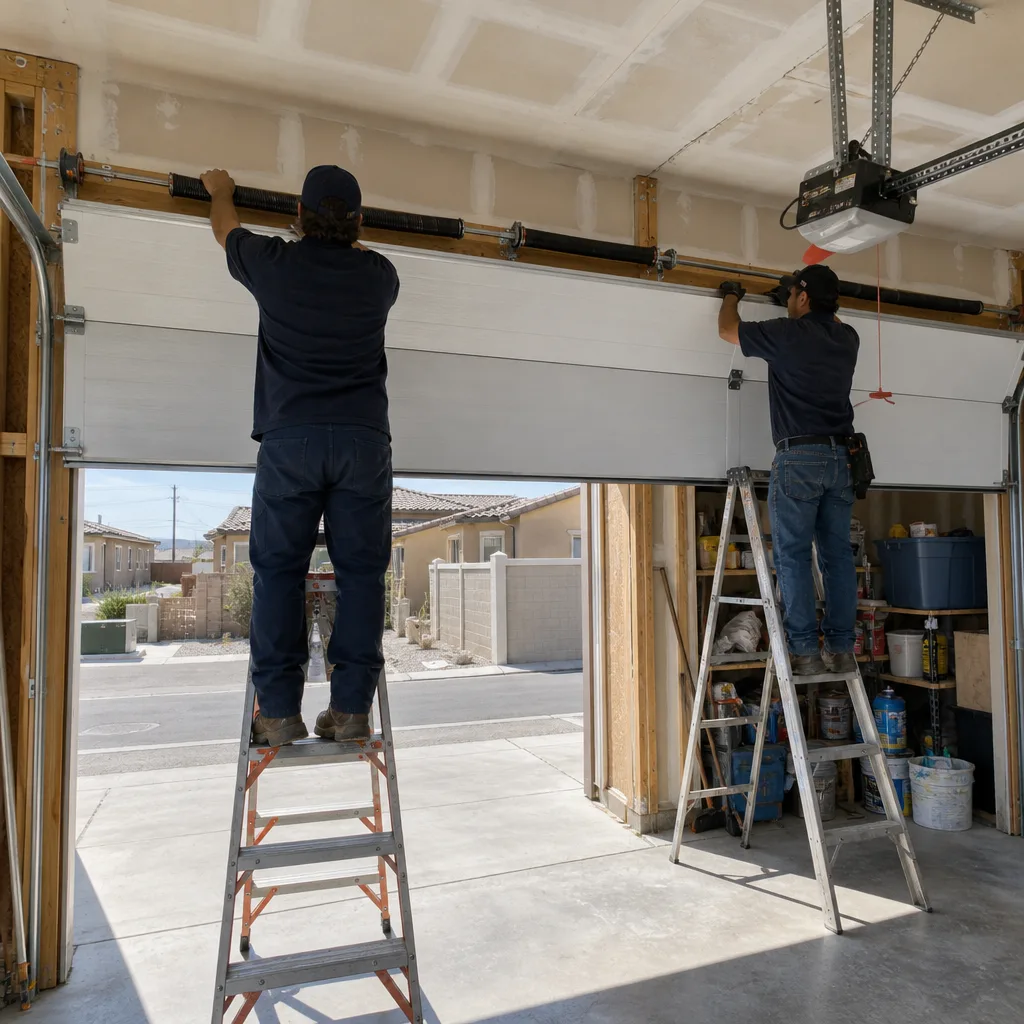
You can pull the permit yourself as the homeowner, and in Clark County the process is available. But for a garage door job, the contractor should pull it. Here’s why.
When the contractor holds the permit, the contractor is the one on record with the building department. The inspection sequence has to close on the contractor’s side, which means the contractor is accountable for the work matching the drawings. That accountability is a real thing, not a formality. If the door fails its final inspection, the contractor has to fix it, not you. When you pull the permit as the homeowner, the inspector shows up, finds a problem, and writes the correction on your permit. You then have to get the original contractor back to correct work they’ve already been paid for, which is a much harder conversation.
The second reason is scheduling. The contractor knows the inspector, knows how the county’s portal routes permits in Winchester, and knows what the inspector will look for. That means fewer trips, and it means the job closes out once rather than twice.
One more point: putting the license number on the permit, not just on the estimate, creates a public record. If a new door fails its auto-reverse test three years later, that record is what a homeowner can point to. That’s Clause 1 of The Haven Standard in its fullest form, which is a flat, written price and written scope before any work starts, extended to the permit itself. You can start with Servo Garage Doors Winchester home if you want to see how we structure the documentation on every job.
Winchester-Specific Considerations
Winchester sits inside unincorporated Clark County, which matters for permitting. What the county building department requires is the governing code, not the city’s. Some homeowners we work with in Winchester assume a village or city has its own building department. It doesn’t; the county runs inspections, and the county portal is where the permit is pulled.
The local climate also shapes what gets inspected. In a Las Vegas valley neighborhood like Winchester, the inside of a garage routinely reaches 120°F in July and August. That heat affects the torsion spring cycle life and the opener’s logic board in ways inspectors care about indirectly: an opener that’s been correctly installed and permitted will still fail earlier than its rated life if it’s on the wrong circuit or under-sized for the door weight. Winter brings the opposite problem, with garage doors that stick and cycle harder because the tracks contract. Neither climate issue changes the permit requirement, but both change what we recommend doing once the paperwork is done. Most of the doors we install in Winchester are Clopay or Amarr; an inspection-grade install on either brand follows the same sequence.
One more Winchester-specific note. Several neighborhoods here have garages built tight to the lot line, and a door replacement that changes the opening can trigger a setback question at the permit stage. Not always, but often enough that it’s worth asking the building department before you order the door. We’ve written more about this in the installation guide linked above.
Common Mistakes to Avoid
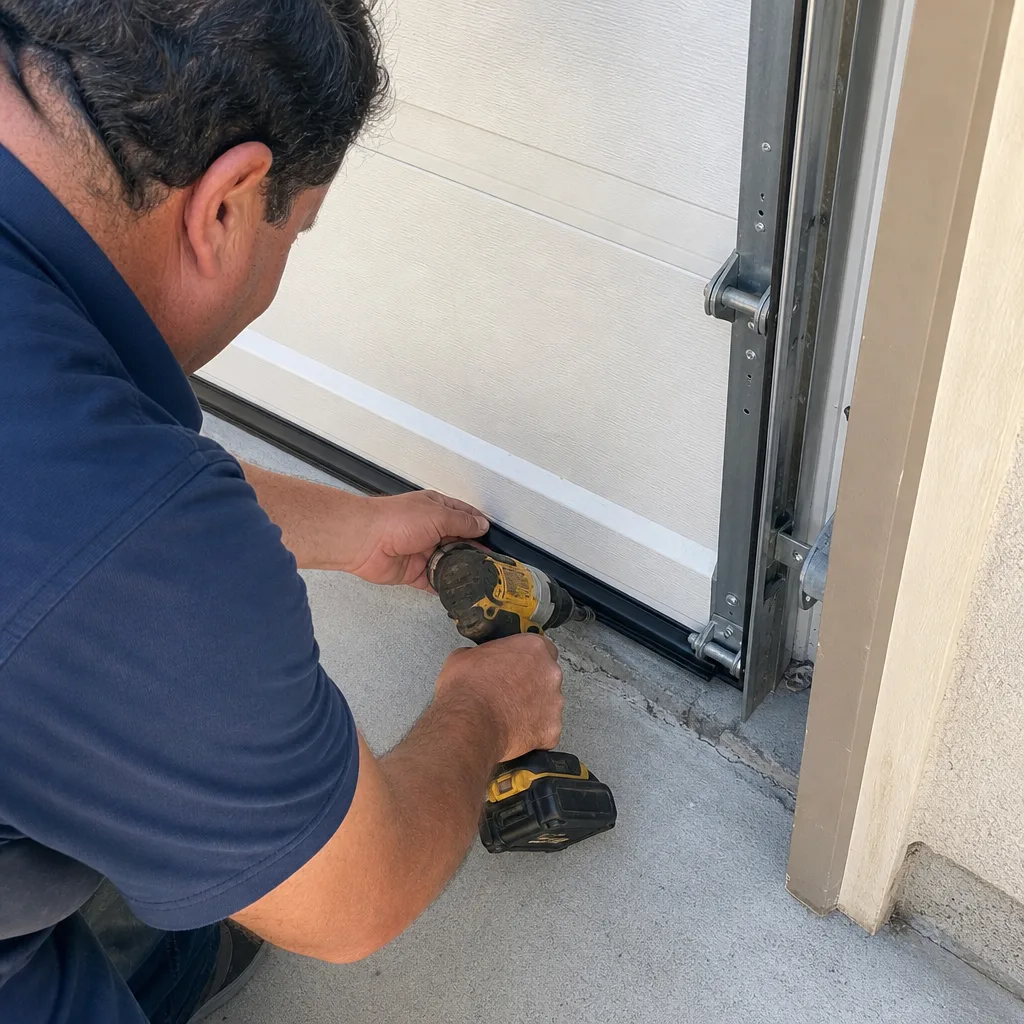
- Assuming a like-for-like replacement needs a permit. It doesn’t, unless the opening changes. Homeowners who pull a permit for a straight swap are spending money they didn’t need to spend.
- Assuming a header modification doesn’t need a permit. It does. This is the single most common unpermitted alteration we see in Winchester, and it’s the one that costs the most at sale time.
- Pulling the permit as the homeowner and having no contractor on record. The inspector writes corrections on your permit, not the contractor’s. You end up chasing the contractor for work already paid for.
- Ordering the door before the permit is issued. If the opening size changes, the permit and the door order have to match. We’ve seen doors ordered against a permit that was later modified by the county, and the door had to be reordered.
- Ignoring HOA approval because the city says no permit. Some Winchester HOAs require architectural review on any door replacement. That’s a separate approval process, and it can run before or after the permit.
- Skipping the final inspection. A closed permit is what a home inspector looks for at sale. An open permit is a red flag, and a permit that was never finaled is worse than no permit at all in a buyer’s eyes.
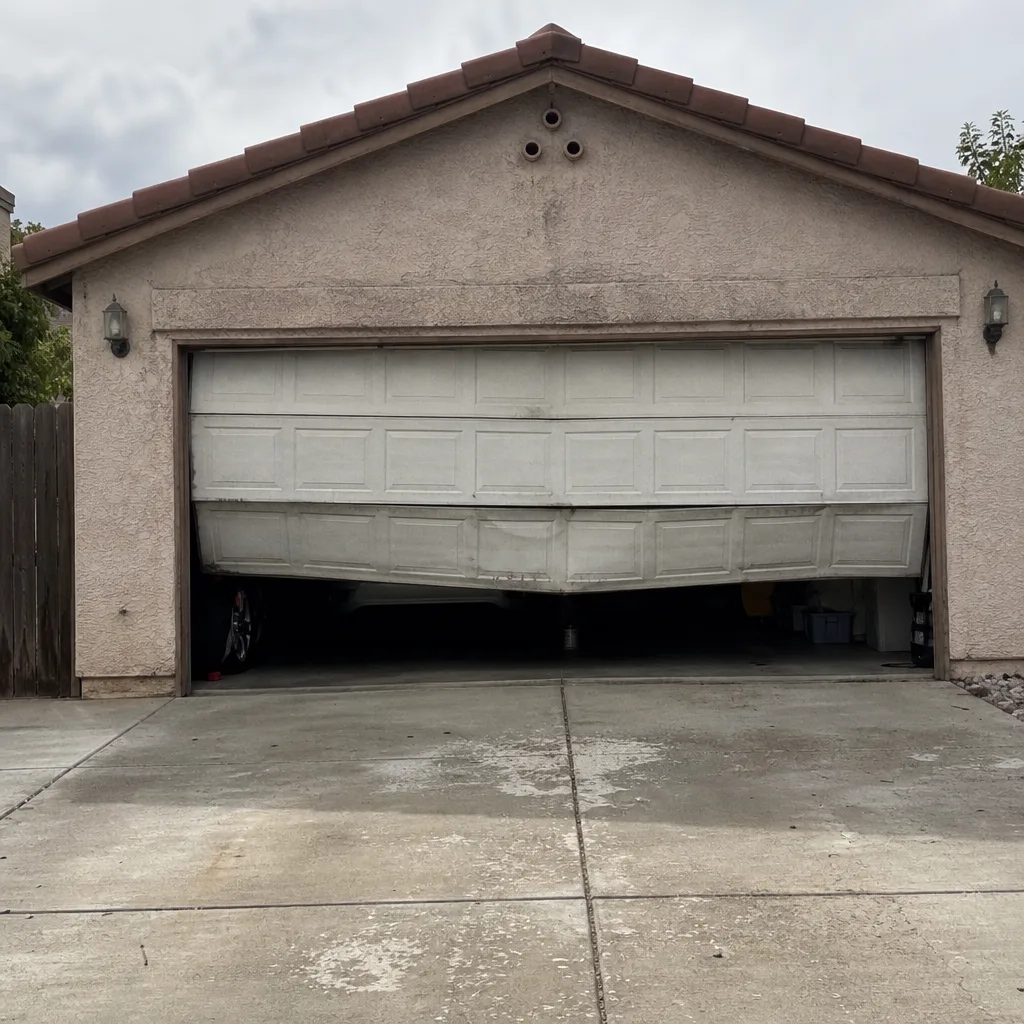
- Hiring an unlicensed contractor for permitted work. The permit will show their name, and if they aren’t licensed in the correct classification, the county can refuse to close the permit.
See the difference
BeforeAfter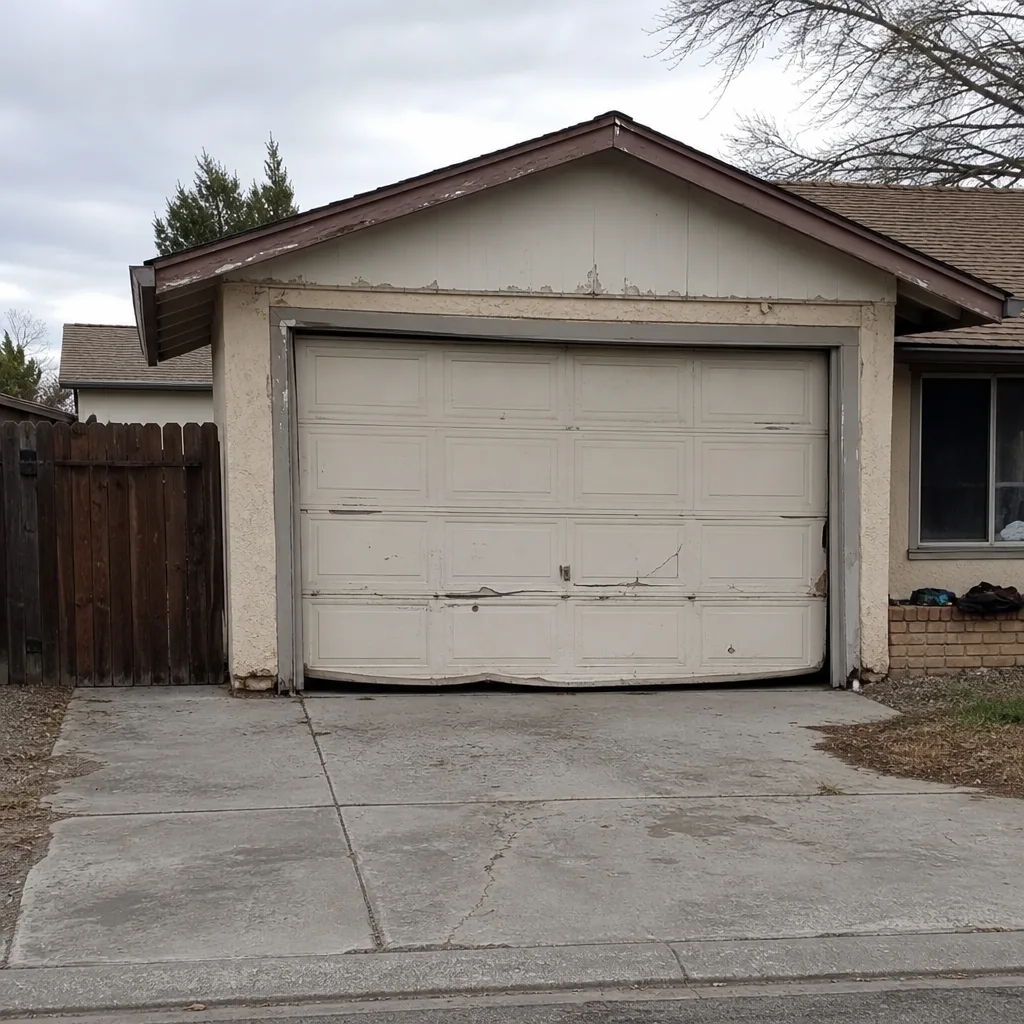 Before
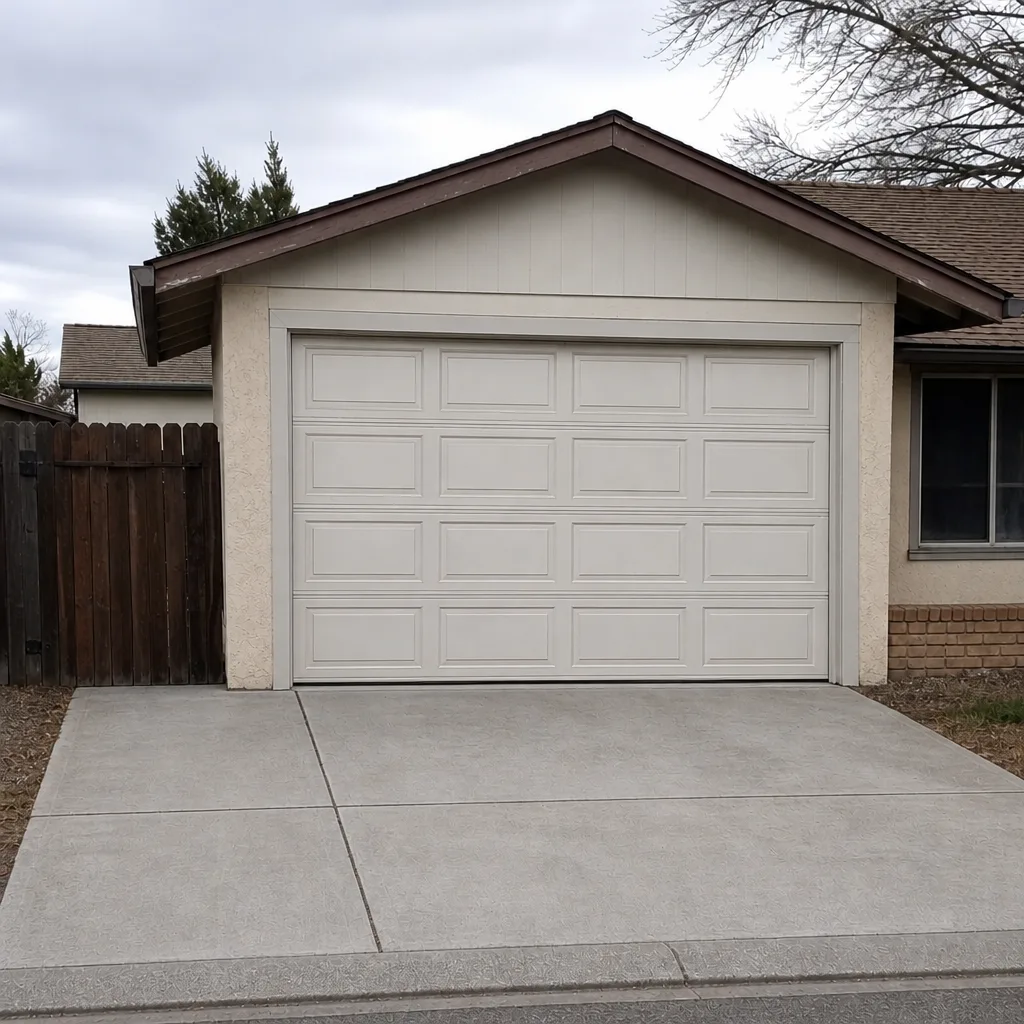 After
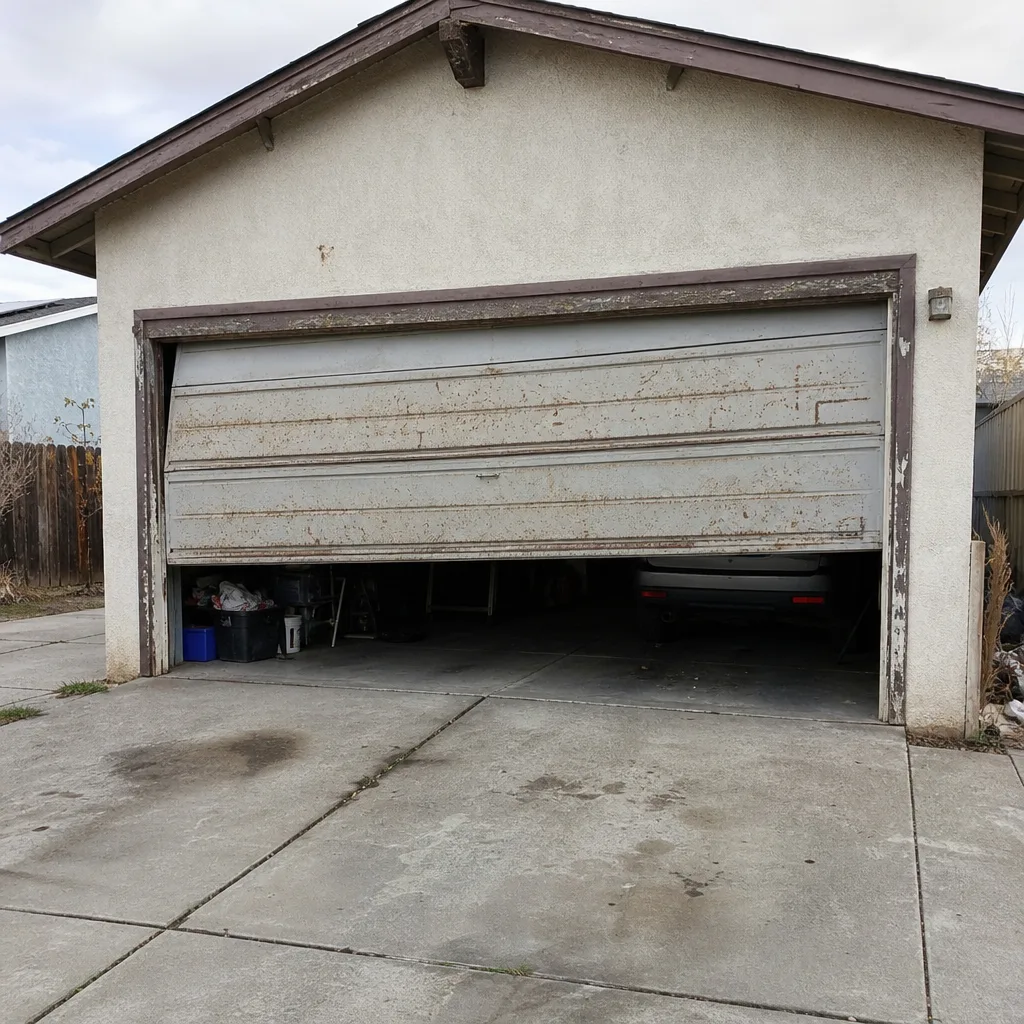 Before
 After
When to Call a Professional
Call a professional when the work touches framing, when it involves a new electrical circuit, or when you’re not sure which category your job falls into. Those are the three cases where a mistake is expensive to fix later. Call us too when the door’s behavior has changed: an opener that reverses for no reason, a torsion spring that’s already broken when you get home, or a door that hangs on one side. That last one is often a cable or track problem, and it’s not a job anyone should attempt without training. High-tension garage door springs and cables are under enough load to cause serious injury, so the inspection and replacement should be handled by a trained technician. If your job is repair or emergency, we answer live at any hour, including holidays, and we send a named technician with an on-the-way text. Servo Garage Doors Winchester offers free estimates in Winchester. Call (855) 517-0284 and we’ll walk through the permit question and book the visit in one call. Written price before any work starts, documented photo record on every visit.
Frequently Asked Questions
Usually not, if the replacement is like-for-like in the same opening size. A permit is required when the opening itself is being changed, when new electrical work is being added for the opener, or when the header above the opening is structurally modified. If you’re swapping a Clopay door for another Clopay of the same size, the swap is a repair. If the opening is being cut, raised, or widened, it’s an alteration, and permits apply. Call (855) 517-0284 for a free estimate and we’ll tell you which category your job fits.
Permit fees in Winchester and unincorporated Clark County are set by the county’s fee schedule and are based on the valuation of the work, not on the door itself. For a structural modification or a new opening, expect a fee in the low hundreds of dollars, plus the cost of any engineering letter if the county requires one. The permit fee is separate from the contractor’s written price for the work, and we show both on the estimate. Call us for a free estimate; we quote the permit line separately so you can see exactly what you’re paying for.
The most likely outcome is that a home inspector at sale time notes “evidence of alteration without permit” and the buyer’s agent asks for documentation. If none exists, the seller is looking at a retroactive permit, a remedial correction by a licensed contractor, or a price reduction. The remedial correction is the expensive one, because the work usually has to be opened up so the framing can be inspected. If you’re buying a Winchester home and the inspection report flags the garage, bring the report and we’ll do a free second opinion on the scope. Call (855) 517-0284 to set that up.
Not if you’re replacing the opener on an existing circuit. New wiring is the trigger. If the garage didn’t have a dedicated outlet and one has to be run, that wiring requires a permit, and in Clark County it’s typically pulled by a licensed electrician as a separate trade. Replacing a Chamberlain or LiftMaster opener of the same general type on a circuit that’s already there is a repair, not an alteration. Call us for a free estimate; we’ll tell you before we start whether the existing circuit supports the new opener.
Yes, and for a garage door job this is what we recommend. When the contractor’s license is on the permit, the contractor is accountable for the work clearing both the rough-in and final inspection. When you pull the permit as the homeowner, the inspector writes corrections on your permit, and you’re the one chasing the contractor to correct work that’s already been paid for. Every Servo Garage Doors Winchester estimate includes the option to pull the permit under our license, and we show the fee on the written scope. Call (855) 517-0284 for a free estimate.
NRS Chapter 489 is Nevada’s contractor licensing law. It governs who is allowed to perform garage door work for compensation and gives the Nevada State Contractors Board authority to enforce that. The building code, adopted locally by Clark County, governs how the work is done: framing, header spans, electrical runs, and the safety features an inspector verifies at final. Both matter, and a contractor who only addresses one of them is answering half your question. We name the license on every estimate, and the permit paperwork follows the code. Call (855) 517-0284 with the job details and we’ll tell you which side applies.
The Bottom Line
Nevada’s permit rules for garage door work are narrower than most homeowners fear and broader than most contractors admit. The line runs at structural modification and new opener wiring. A like-for-like replacement, spring replacement, or opener replacement on an existing circuit typically needs no permit. A new opening, a modified header, or new electrical work does. Get the permit when it applies, put the licensed contractor’s name on it, close it with a final inspection, and the paperwork will hold up at sale time years later. Skip any of those steps in Winchester, and the cost shows up the day a buyer’s inspector opens the report. We’re happy to look at your job under Clause 1 of The Haven Standard, which means a flat, written price and written scope before any work starts. Call (855) 517-0284 for a free estimate.
Written by the team at Servo Garage Doors Winchester.