
Last updated November 18, 2026
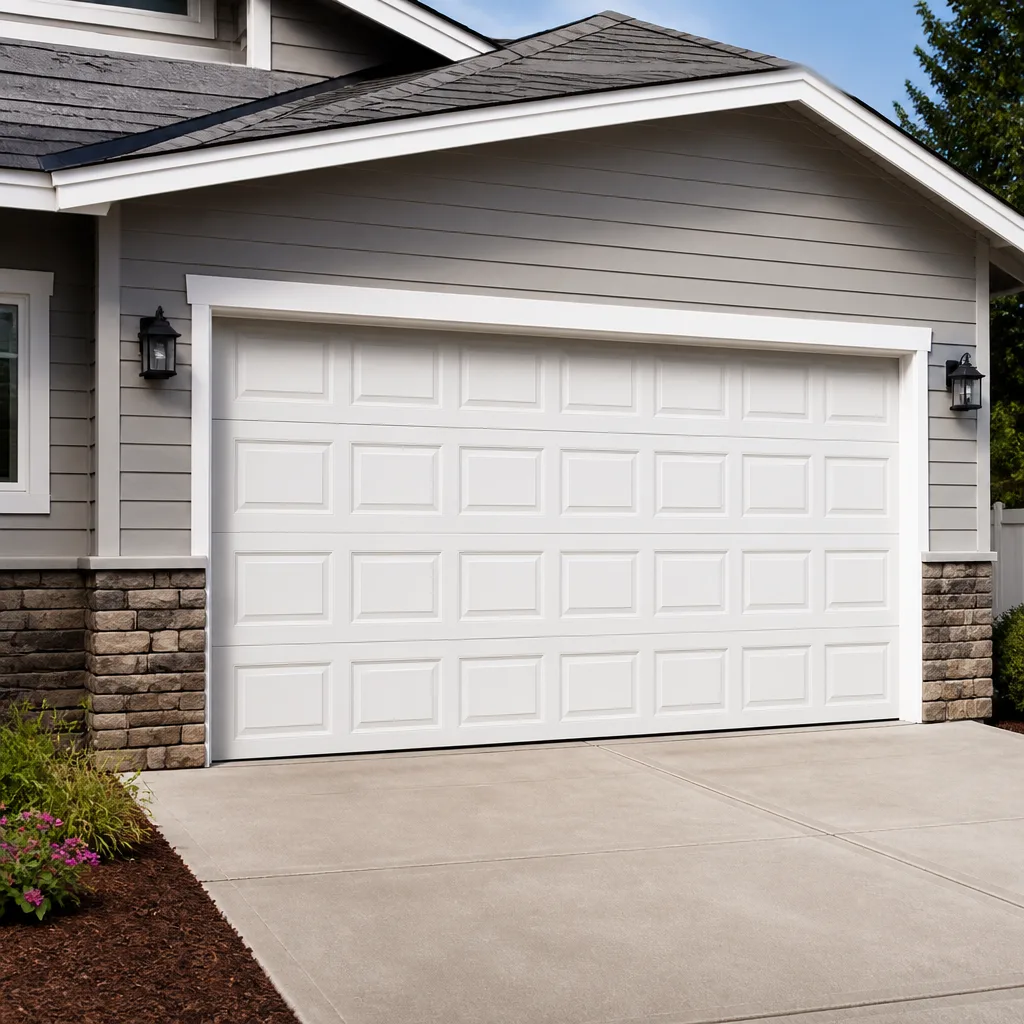 Raised-panel steel
 Carriage house
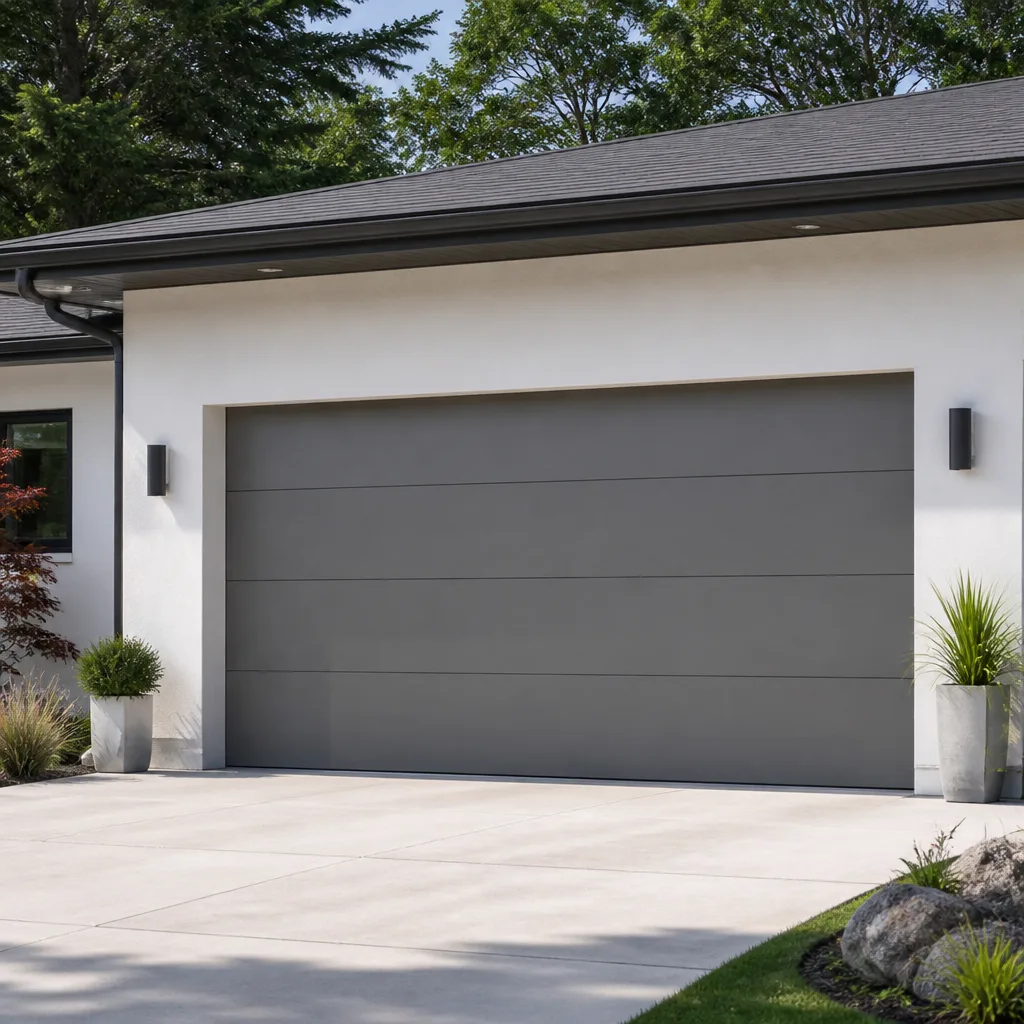 Modern flush
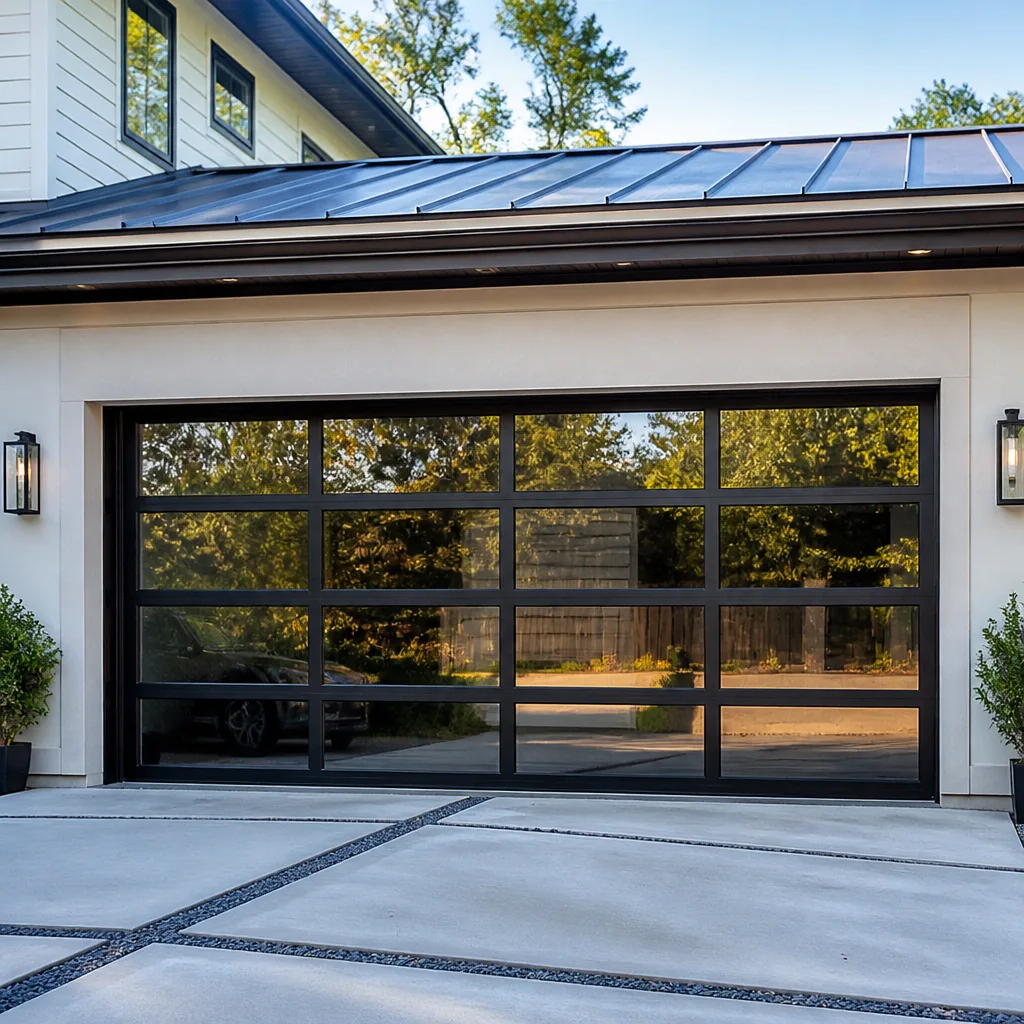 Full-view glass
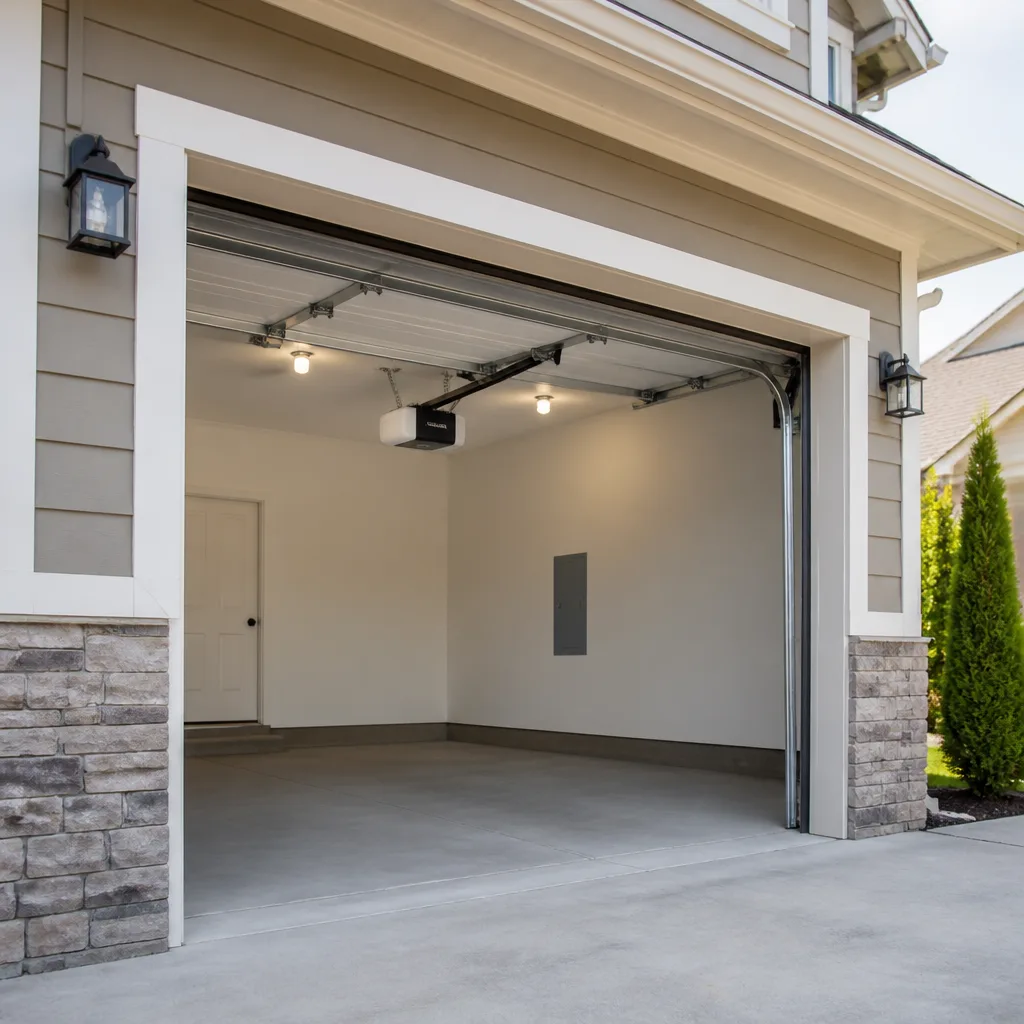 LiftMaster openers
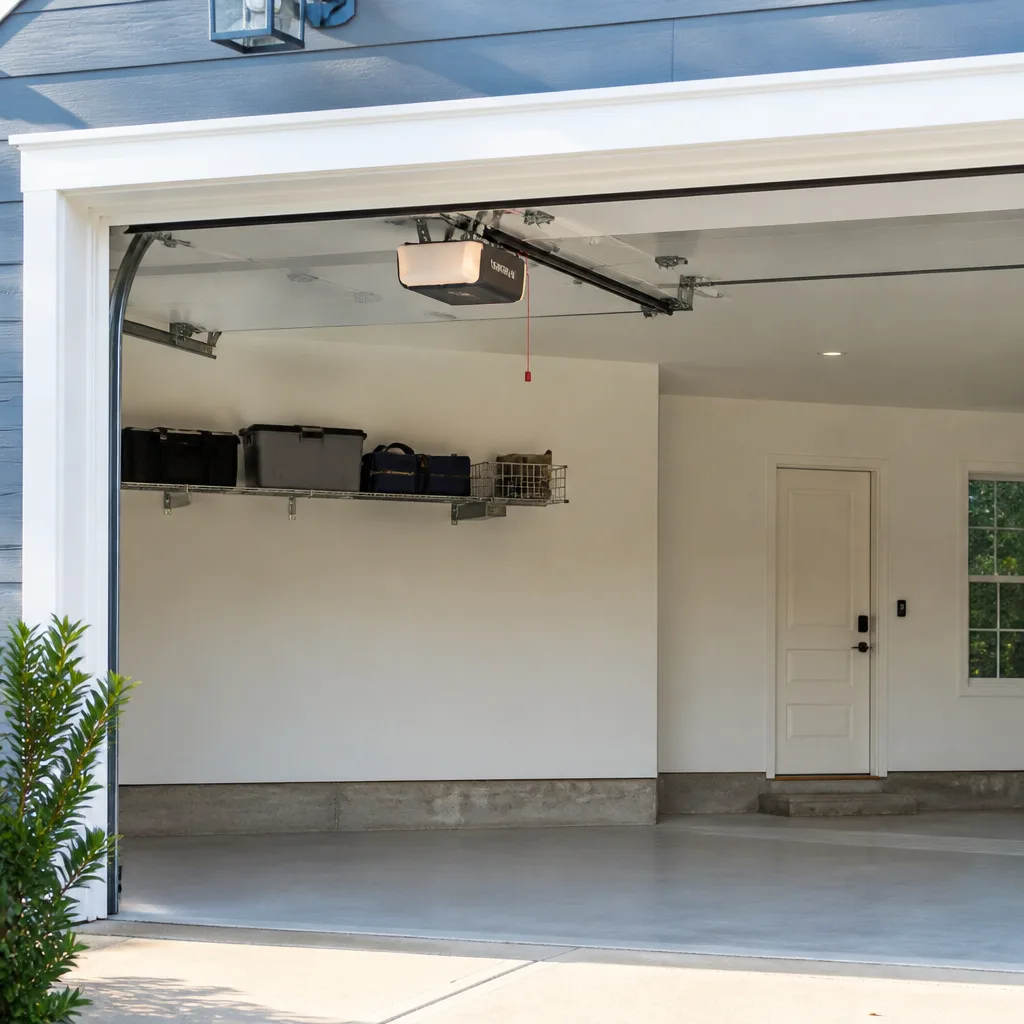 Chamberlain openers
Full 25-point door and opener safety check with every visit - springs, cables, rollers, tracks, and your LiftMaster or Chamberlain opener included
You get a price before we start. It does not change when the pro arrives.
Get your free estimateGarage Door Opener Repair & Installation Maintenance Schedule: What to Do and When
Lubrication every six months is the most repeated garage door maintenance advice online, and for the drive mechanism on a screw-drive opener it’s actively harmful. Over-lubrication of the screw rail attracts grit, and that grit grinds against the carriage every time the door moves. It accelerates wear faster than no lubrication at all. Here in Winchester, where spring winds push fine desert dust through every gap in a garage, we see the results of that advice in carriage assemblies that grind like gravel by year four. This guide replaces the calendar with triggers you can actually observe, so you service the parts that wear and leave the rest alone.
Quick Answer
A garage door opener needs lubrication only when the drive type calls for it (belt and chain get a light application, screw-drive usually gets none), a force-limit recalibration whenever the door feels heavy or reverses on its own, and photo-eye cleaning whenever the lens is dusty. Everything else is monitor-and-document: photograph the system once a year and watch for changes in sound, speed, and balance. The tasks that actually extend opener lifespan are three, and none of them follow a fixed calendar.
Styles & brands we work with
- Raised-panel steel
- Carriage house
- Modern flush
- Full-view glass
- LiftMaster openers
- Chamberlain openers
Table of Contents
- Why Manufacturer Intervals Miss the Real Wear Pattern
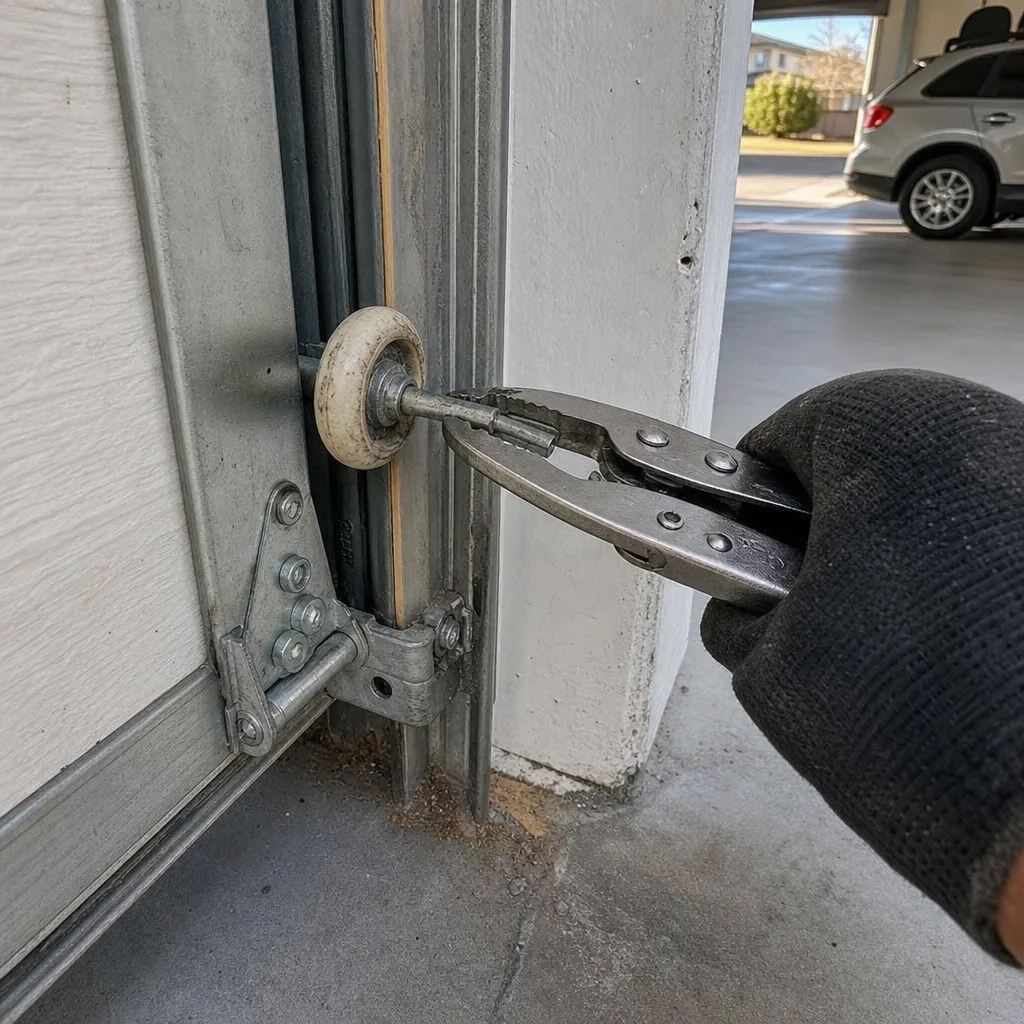
- The Three Maintenance Tasks That Actually Extend Opener Lifespan
- Lubrication by Drive Type: Belt, Chain, and Screw
- Force-Limit Recalibration: The Adjustment Most Homeowners Never Make
- Door Balance and Opener Wear: The Connection Nobody Explains
- Components With No User-Serviceable Maintenance
- The Annual Documentation Checklist
- Seasonal Watch Items for Winchester Homeowners
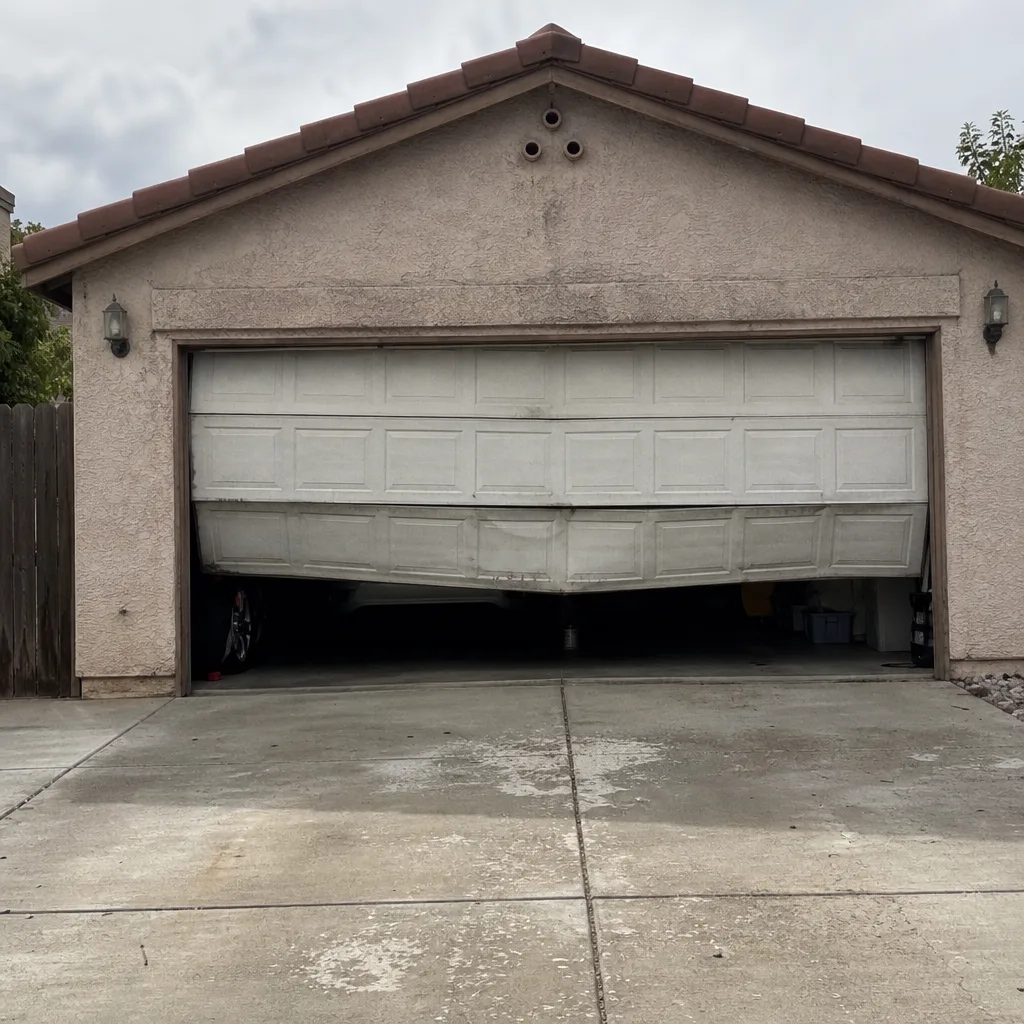 Before
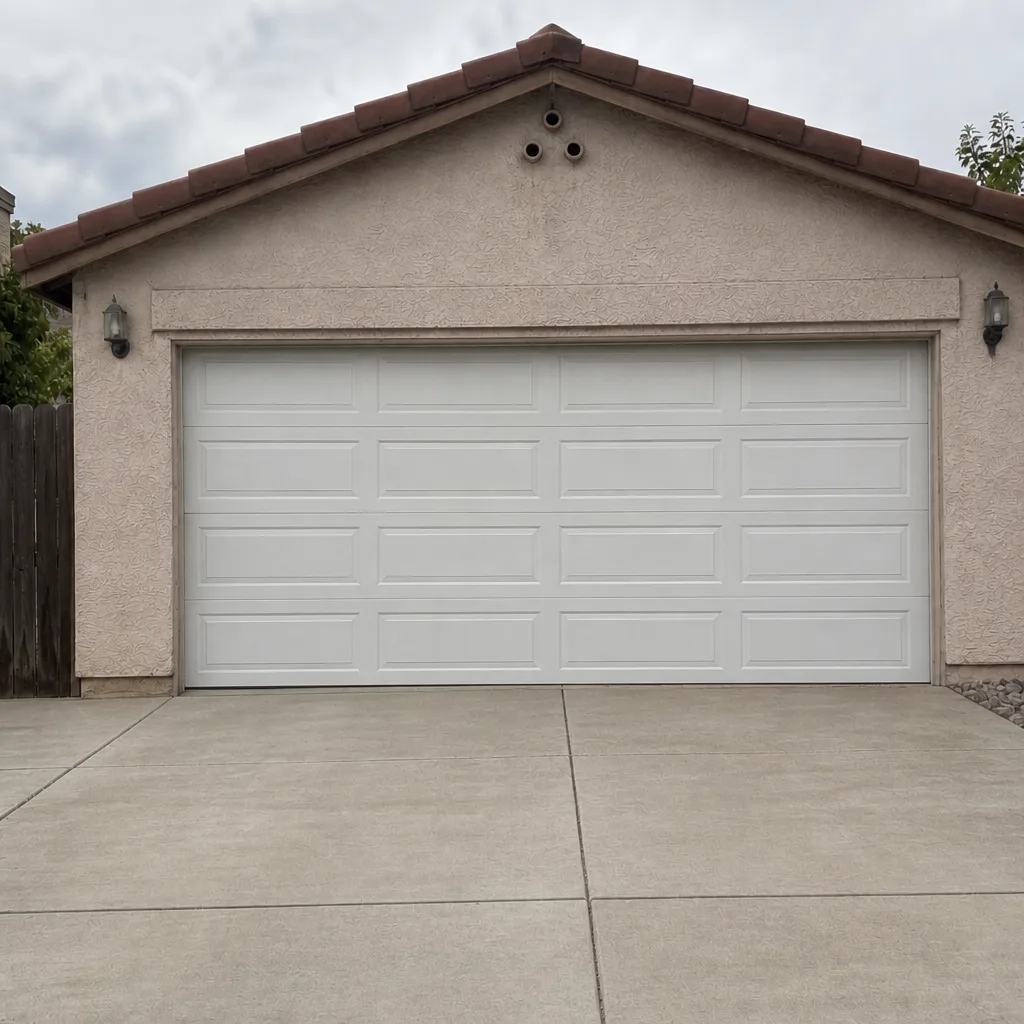 After
Why Manufacturer Intervals Miss the Real Wear Pattern
The maintenance tables printed in a LiftMaster or Genie owner’s manual are written by legal and engineering departments working together, and the priority is protecting the manufacturer from a claim, not stretching your opener to fifteen years. Those tables say things like “lubricate as needed” next to a footnote, or “inspect every six months” without ever defining what a passing inspection looks like. The interval is vague on purpose. A vague instruction is harder to sue over than a specific one.
The problem with a calendar-based schedule is that wear doesn’t happen on a calendar. It happens on cycles, and cycles depend on how many times a day the door runs, how heavy the door is, and what’s in the air. A house where a family of five comes and goes ten times a day wears an opener five times faster than a vacation property on the same schedule. Here in Winchester, the dust load alone changes the math. Fine particulate from the surrounding desert settles into chain rails and screw housings, and it does so faster in the summer months when the air is dry and the wind is up.
What works better is a condition-based schedule. Instead of asking “when was the last time I lubricated this,” you ask “does the drive make this sound, and does the door move this way.” Those questions produce a more accurate answer every time, and they don’t require you to remember a date. The rest of this guide is built around observable triggers rather than intervals.
The shift matters because the opener isn’t a standalone machine. It’s the motor end of a system that includes the springs, the tracks, the rollers, and the door itself. For the fuller picture of how those parts interact, see our guide to Garage Door Repair in Winchester, which covers the door-side failures that show up as opener problems.
The Three Maintenance Tasks That Actually Extend Opener Lifespan
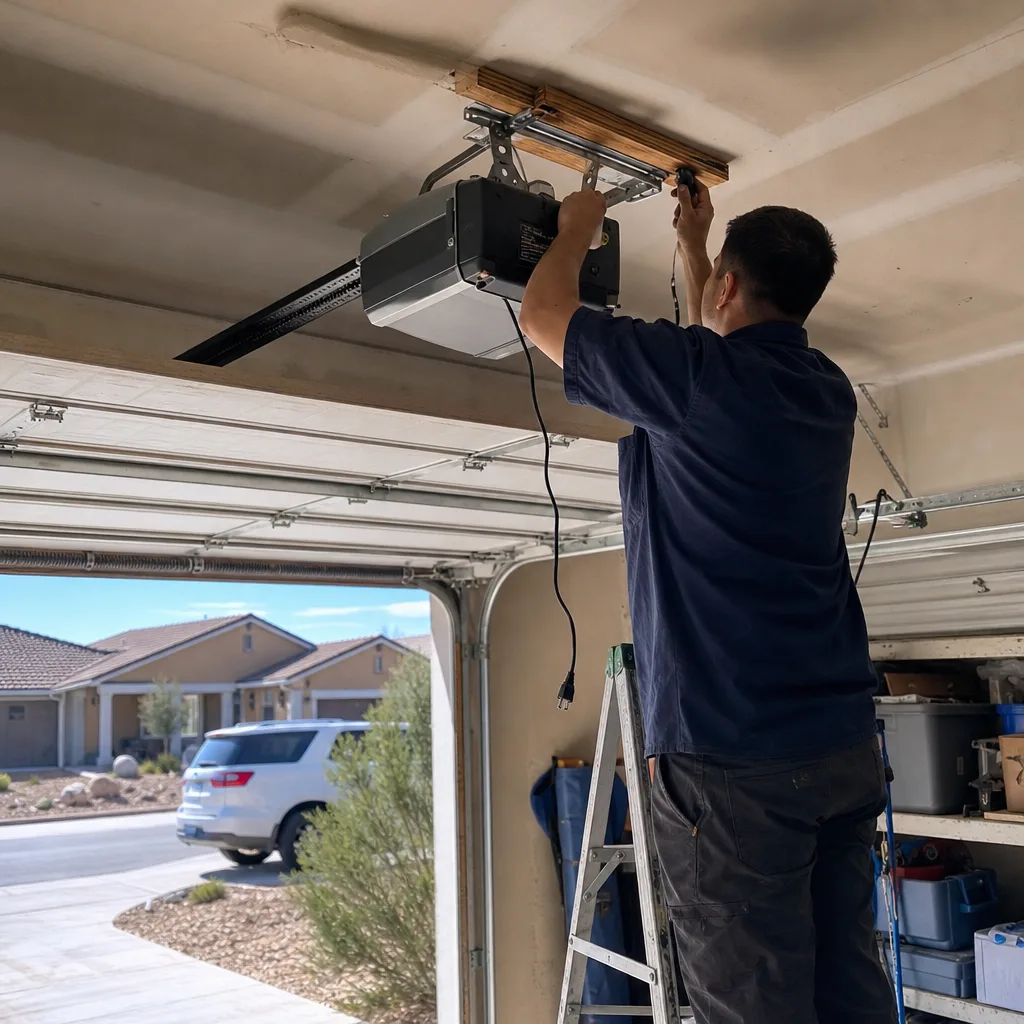
Strip away everything that gets recommended and three tasks remain that measurably extend how long an opener lasts. Each has a mechanical reason it works, and each is something a homeowner can do or have done without dismantling anything.
- Drive mechanism lubrication, matched to the drive type. The drive transfers motor rotation to door travel through a belt, a chain, or a screw rail. Each needs a different product, and getting the product wrong causes more wear than skipping the task. We cover the specifics in the next section.
- Force-limit recalibration. The force limit is the safety setting that tells the opener how much resistance to tolerate before it reverses. As a door ages, its springs weaken, its rollers stiffen, and its tracks collect grit. The opener compensates by drawing more current to push the door through that resistance, and that extra current shows up as heat in the motor and strain on the drive. Recalibrating the limit when the door’s resistance changes keeps the motor from working harder than it should.
- Photo-eye lens cleaning. The two safety sensors at the bottom of the tracks sit in the dirtiest part of the garage, a few inches off a concrete floor. Dust, cobwebs, and the film that builds up on any surface in a garage cut the infrared beam’s signal strength. A weakened beam makes the opener interpret a normal interruption as an obstruction, which causes the door to reverse or refuse to close. Cleaning the lenses takes a minute and prevents a whole category of phantom faults.
That’s the list. Everything else either belongs to the door rather than the opener, or falls into the monitor-and-document category we cover further down. When a repair does come up, our Garage Door Opener Repair & Installation in Winchester page covers what we see and how we handle it, including photographing the failed part before quoting a replacement, per Clause 4 of The Haven Standard.
Lubrication by Drive Type: Belt, Chain, and Screw
The product matters more than the schedule. Using the wrong lubricant on the wrong drive type is the single most common opener maintenance error we find in Winchester garages, and it does real damage.
- Belt drive. Belt drives are quiet and largely self-lubricating by design. The belt itself should not be greased; grease attracts dust and causes the belt to slip. What does need attention is the trolley carriage and the door’s rollers, which get a light application of a lithium-based or silicone lubricant.
- Chain drive. The chain benefits from a light coat of a chain-specific lubricant, not a heavy grease. Apply it sparingly with a rag rather than spraying the whole rail. A heavy coat on a chain in a dusty garage turns into a grinding paste within a season.
- Screw drive. This is where the standard advice goes wrong. The screw rail on most residential screw-drive openers comes from the factory with a light factory lubricant and is designed to run with minimal added lubrication. Adding grease on a six-month schedule attracts grit to the rail, and that grit wears the carriage nut faster than clean dry running would. If the manufacturer’s manual calls for periodic lubrication of the screw, use the specific product they name, not a general-purpose garage door grease. In most Winchester screw-drive units we inspect, the rail is over-greased and the carriage nut is the part that’s failing.
The trigger for lubrication isn’t a date. It’s a sound: a dry squeak from the chain or a grinding rasp from a carriage indicates the drive is running dry. A smooth hum with no squeak means leave it alone, regardless of what the calendar says.
Force-Limit Recalibration: The Adjustment Most Homeowners Never Make
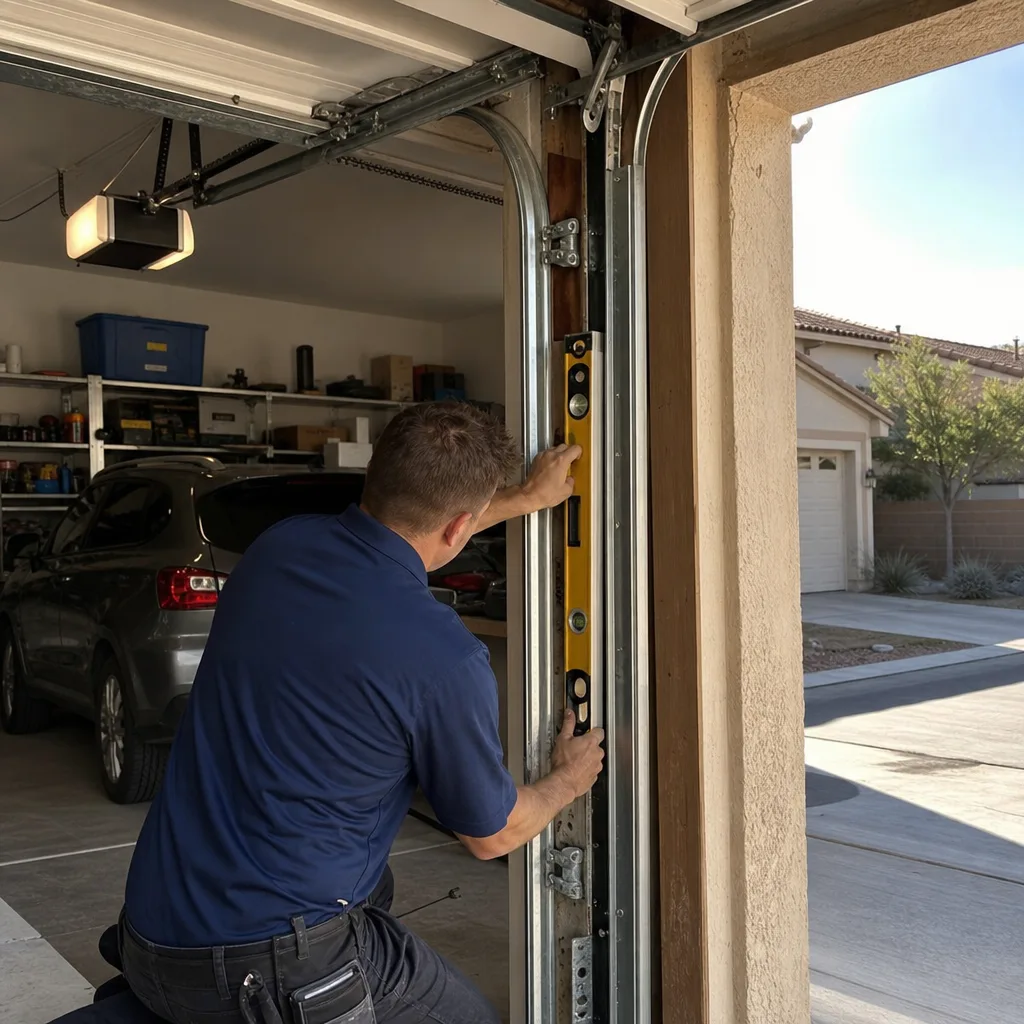
The force limit is the setting that determines how hard the opener pushes before it gives up and reverses. Every opener has one, and most homeowners have never touched it. It matters because as a door’s resistance changes, an unchanged force limit either makes the opener work too hard or makes it too sensitive and prone to false reversals.
Resistance goes up when springs weaken, when rollers dry out, when tracks get slightly out of alignment, or when the door’s balance drifts. The opener doesn’t know what changed; it just draws more current to overcome the resistance. That current is heat, and heat is what shortens motor life. The force limit is a compensation setting, not a fix, but keeping it calibrated to the door’s actual condition protects the motor and the drive.
We don’t recommend homeowners adjust the force limit themselves. The adjustment interacts with the safety reverse system, and a limit set too high can prevent the door from reversing on contact with an obstruction, which is the exact failure the setting exists to prevent. This is one of the tasks a trained technician should handle. Our technicians have up to 11 years of experience with this adjustment across every major brand, including LiftMaster, Chamberlain, Genie, and Craftsman. When we recalibrate, you get the documentation of what the setting was before and what it is after, which is how Clause 1 of The Haven Standard works: written price and written scope before any work, and a record when we leave.
Door Balance and Opener Wear: The Connection Nobody Explains
A garage door is supposed to be balanced, meaning the springs carry the door’s weight so the opener only has to guide it. When a door drifts out of balance, the opener starts lifting weight it was never designed to lift, and that’s where opener wear really comes from.
Ten pounds out of balance is enough to change the load on the motor in a way you can measure. The opener draws more current on every cycle, the drive components take more strain, and the motor runs hotter. Over a year of daily cycles, that adds up to a shorter lifespan for the drive gear, the carriage, and the motor itself. The door still opens, so nothing seems wrong, and that’s the trap. The wear is happening quietly.
Checking balance is a homeowner task and it takes thirty seconds. Disconnect the opener using the manual release cord, then lift the door halfway by hand and let go. A balanced door holds its position. A door that drops or rises on its own is out of balance. Don’t try to correct it yourself if you find a problem: the torsion springs that carry the door’s weight are under extreme tension, and adjusting them is the most dangerous job in the trade. Call a technician. Our Garage Door Repair in Winchester team handles spring work with the same documented-photo approach as everything else.
This is also where opener repair and door repair overlap. If your opener keeps reversing, stopping short, or straining, the cause may be upstream in the door’s springs or rollers rather than in the opener itself. Our Garage Door Opener Repair & Installation in Winchester page covers that diagnostic order, and it’s why we photograph before we quote: the failed component gets identified by evidence, not by guess.
Components With No User-Serviceable Maintenance
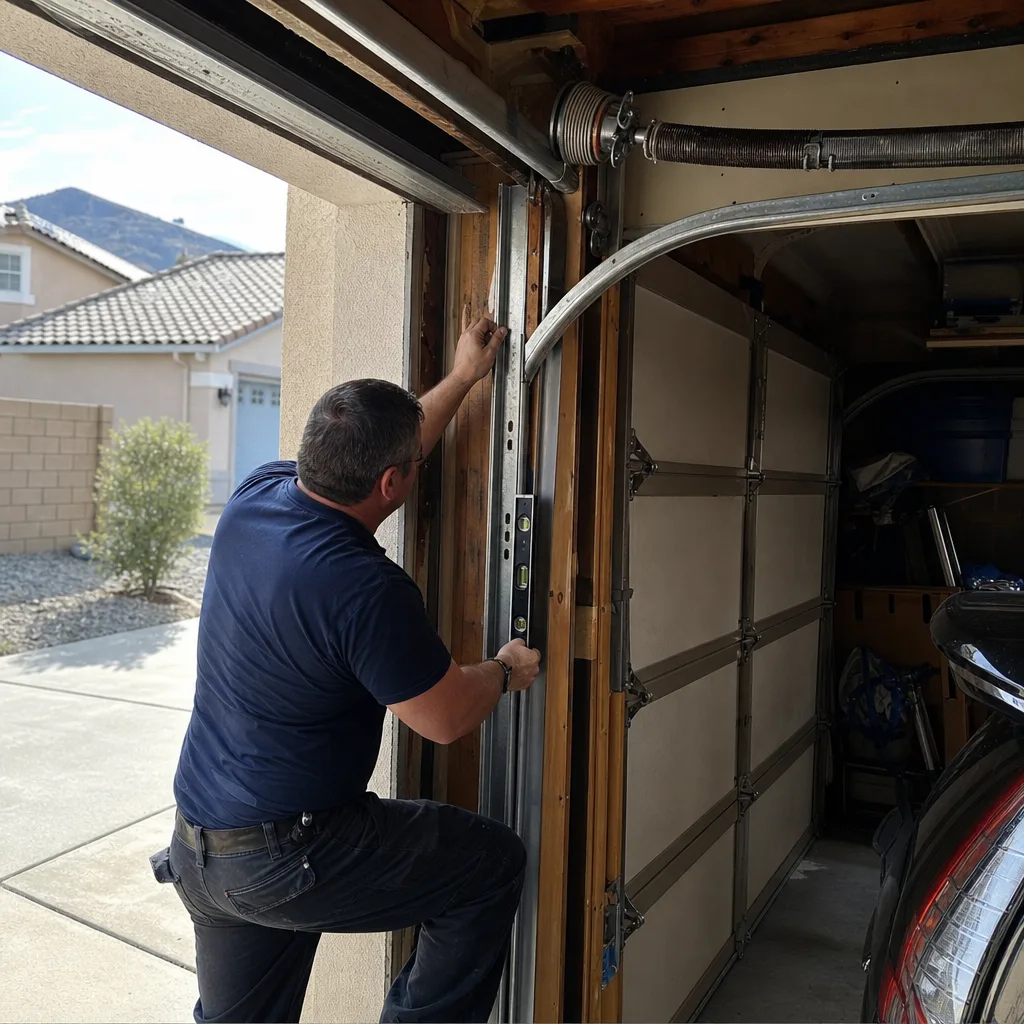
Some opener parts have no meaningful maintenance category for a homeowner. The honest thing to say about them is that the correct schedule is “monitor and document symptoms,” and that’s it.
- Logic boards. The logic board is the opener’s control computer. It has no moving parts to lubricate and no adjustments to make. It either works or it doesn’t. When it fails, you get symptoms like a door that won’t respond to the remote but works from the wall button, or a unit that powers on and does nothing else. The maintenance task is to document those symptoms, because they narrow the diagnosis faster than any inspection.
- Capacitors. The start capacitor gives the motor its initial kick. A failing capacitor shows up as a motor that hums but doesn’t move, or one that starts slowly. Capacitors age on their own schedule, and there’s nothing a homeowner can do to extend that schedule. Document the symptom and let a technician test and replace.
- Motor windings. The windings are sealed inside the motor. No user-serviceable maintenance exists. The only thing that affects winding life is heat, which is why the force-limit and balance issues above matter so much: they’re the factors that make the motor run hot. Manage heat and you’re doing the winding maintenance that can be done.
For these components, the useful homeowner habit is a short log. When your door does something new, note the date, the symptom, and whether it repeats. Our technicians have up to 11 years of experience turning those notes into a diagnosis, and in Winchester we’ve built a lot of diagnostic history around exactly these parts. The Servo Garage Doors Winchester home page has the overview of how we work.
The Annual Documentation Checklist
Once a year, do a ten-minute photo pass. This is the part of the schedule that pays off in future diagnostics, and almost nobody does it. The idea is simple: establish a baseline now so that when something changes, you can see it clearly.
- Photograph the whole opener unit from a few feet back, showing the brand label, model, and the mounting. This tells a technician the exact model without a call.
- Photograph the drive rail where the carriage rides. If it’s a screw drive, this photo will show whether grit is building up.
- Photograph the springs above the door, with the door closed. Springs stretch and change shape over their life, and a comparison photo shows that.
- Photograph both photo-eye lenses up close. If the lens has a visible film, that shows in a photo better than it shows on the eye.
- Record a short video of the door opening and closing and note the sound. Same video next year, side by side, shows you a drive that’s starting to grind before you’d notice it in daily use.
- Write down the date and any symptoms in the same place every year, so you have a running record.
When you call us, that record is the difference between a diagnostic visit that starts at square one and one that starts at the facts. Our documented photo record on every visit works the same way on our side: our findings get photographed and delivered to you, so the next call has a baseline. That’s Clause 4 of The Haven Standard in practice.
Seasonal Watch Items for Winchester Homeowners
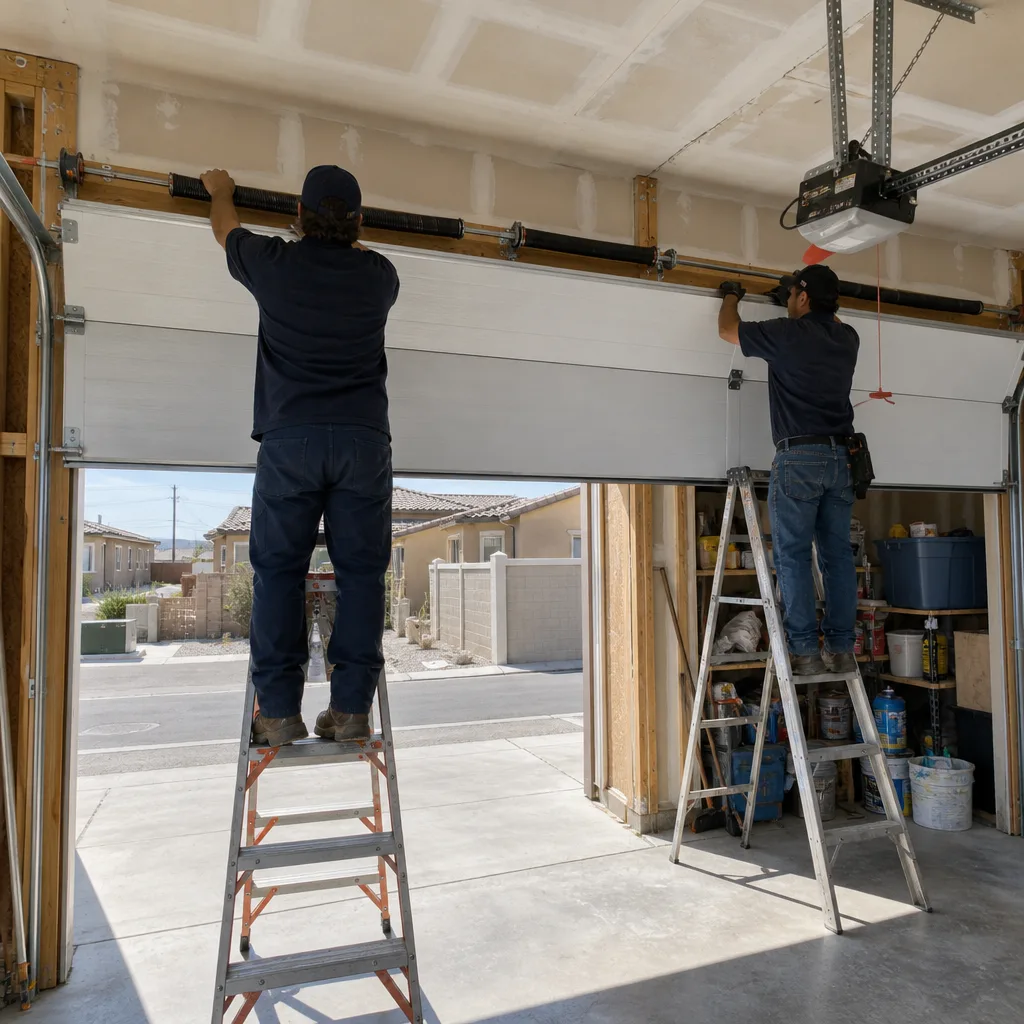
Winchester weather puts a specific spin on the maintenance schedule. Spring and summer winds carry fine dust that finds its way into chain rails and screw housings. The dry summer air pulls moisture out of wood door panels and trim, which can shift door alignment slightly and change the resistance the opener meets. Winter mornings bring cold thick enough to make rollers stiff and lubricant heavy, which is when force-limit issues tend to surface. If your door sounds different on a cold morning, that’s not a fault, it’s temperature, and it’s worth noting rather than adjusting.
In Winchester’s desert-edge climate we see a common pattern: a door that runs smoothly all summer develops a reversing issue in the first cold snap. That’s usually a force limit set during warm weather that no longer matches the door’s cold-morning resistance. We see this in neighborhoods all over town, and it’s a good example of why a calendar schedule fails. The date didn’t change; the condition did. If your door is due for replacement rather than maintenance, our Garage Door Installation in Winchester page covers the measurement and scheduling step, which follows a written scope rather than a same-day promise.
Common Mistakes to Avoid
- Lubricating the screw rail on a schedule. Grease on a screw drive attracts grit and accelerates wear, which is the opposite of what the advice promises. Check the manual’s product, not the calendar.
- Using WD-40 or a general spray as drive lubricant in Winchester’s dust. A light solvent spray evaporates and leaves a sticky film that catches particulate. It feels like it helped for a few days and then makes things worse.
- Raising the force limit to fix a door that reverses. If the door is reversing, the resistance went up somewhere. Turning up the force masks the symptom and leaves a safety setting too high. Find the resistance instead.
- Adjusting torsion springs without training. A torsion spring under load can cause severe injury, and no homeowner maintenance schedule should ever include touching one. Call a technician.
- Skipping the photo-eye cleaning because it looks clear. The film that builds on the lens in a dusty garage is invisible until the beam weakens enough to cause reversals. Clean them on the trigger.
- Ignoring a door that’s out of balance. Ten pounds of imbalance quietly increases motor load every cycle. A thirty-second balance check catches it early.
- Believing “maintenance plan” marketing that promises a schedule without a written scope. A plan with no documented photo record and no written price before work is a flier, not a maintenance program.
See the difference
BeforeAfter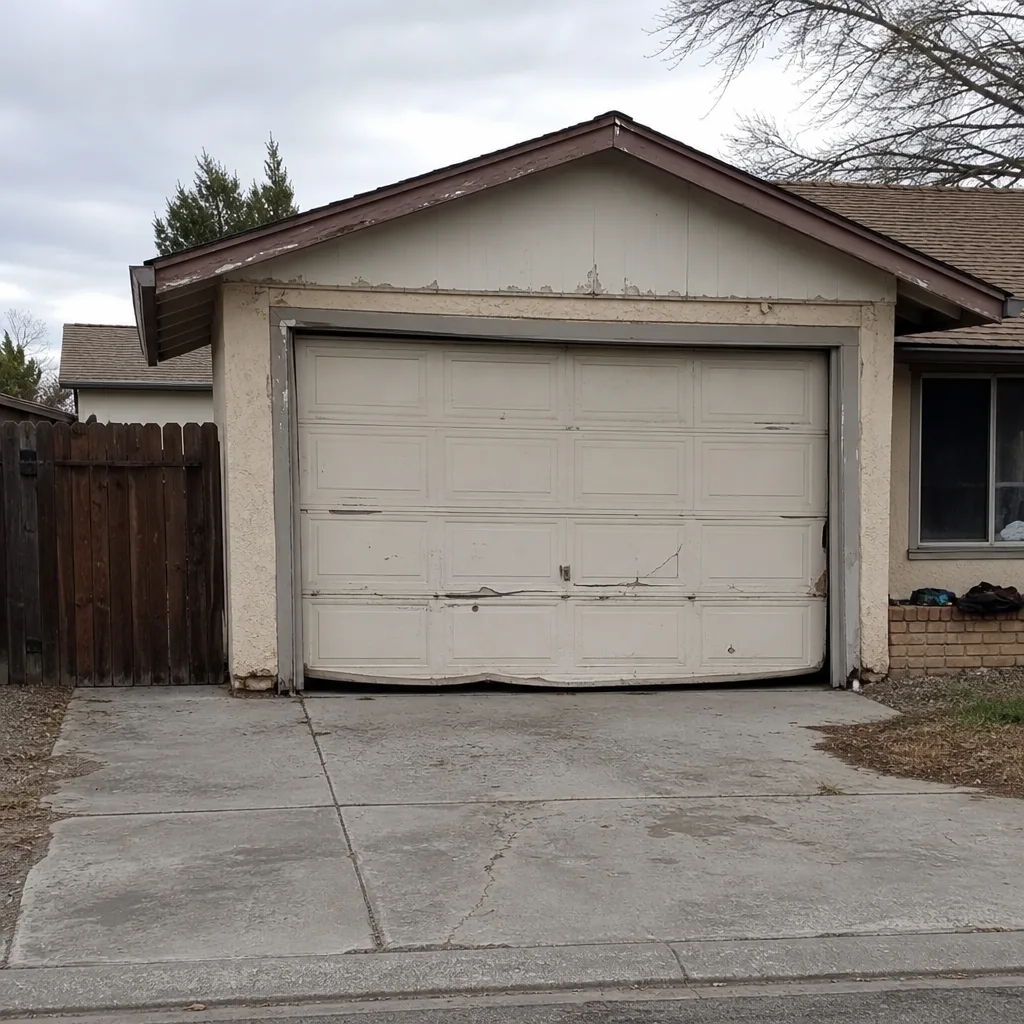 Before
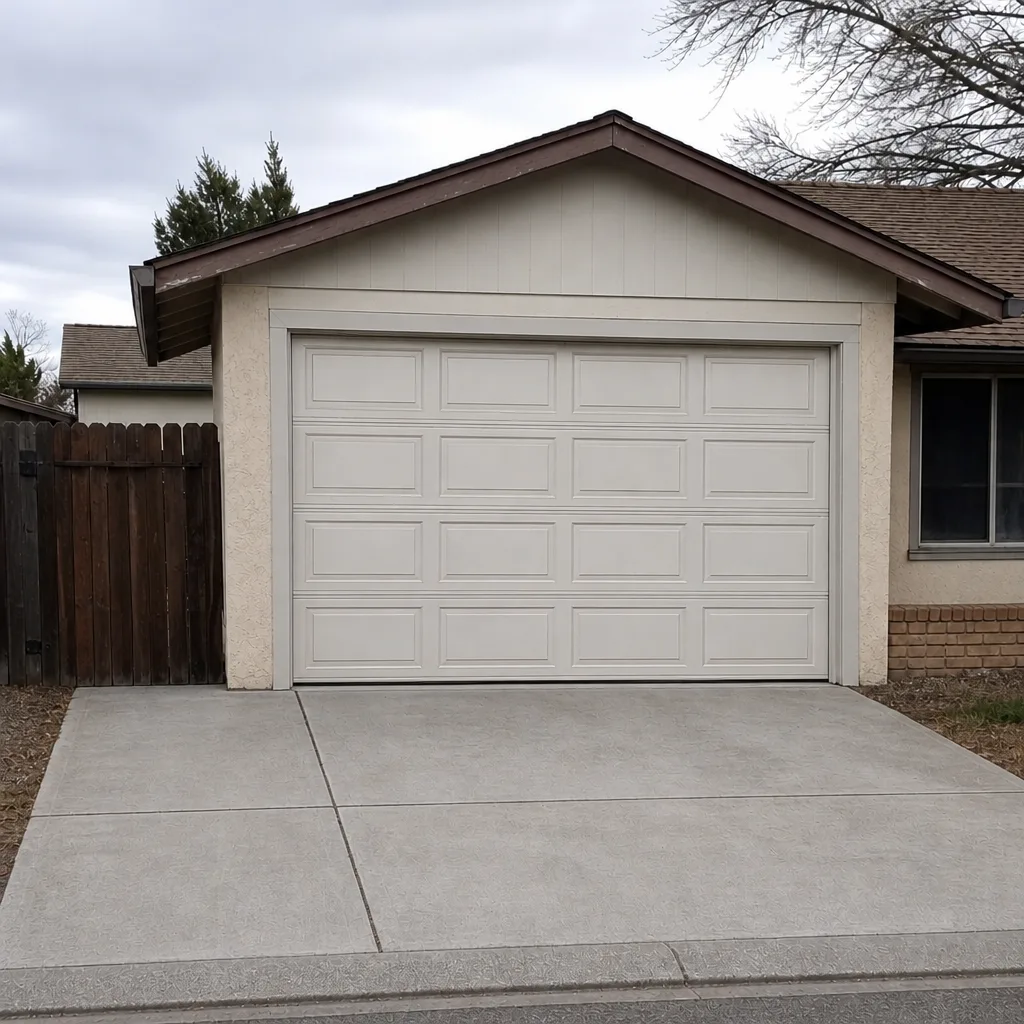 After
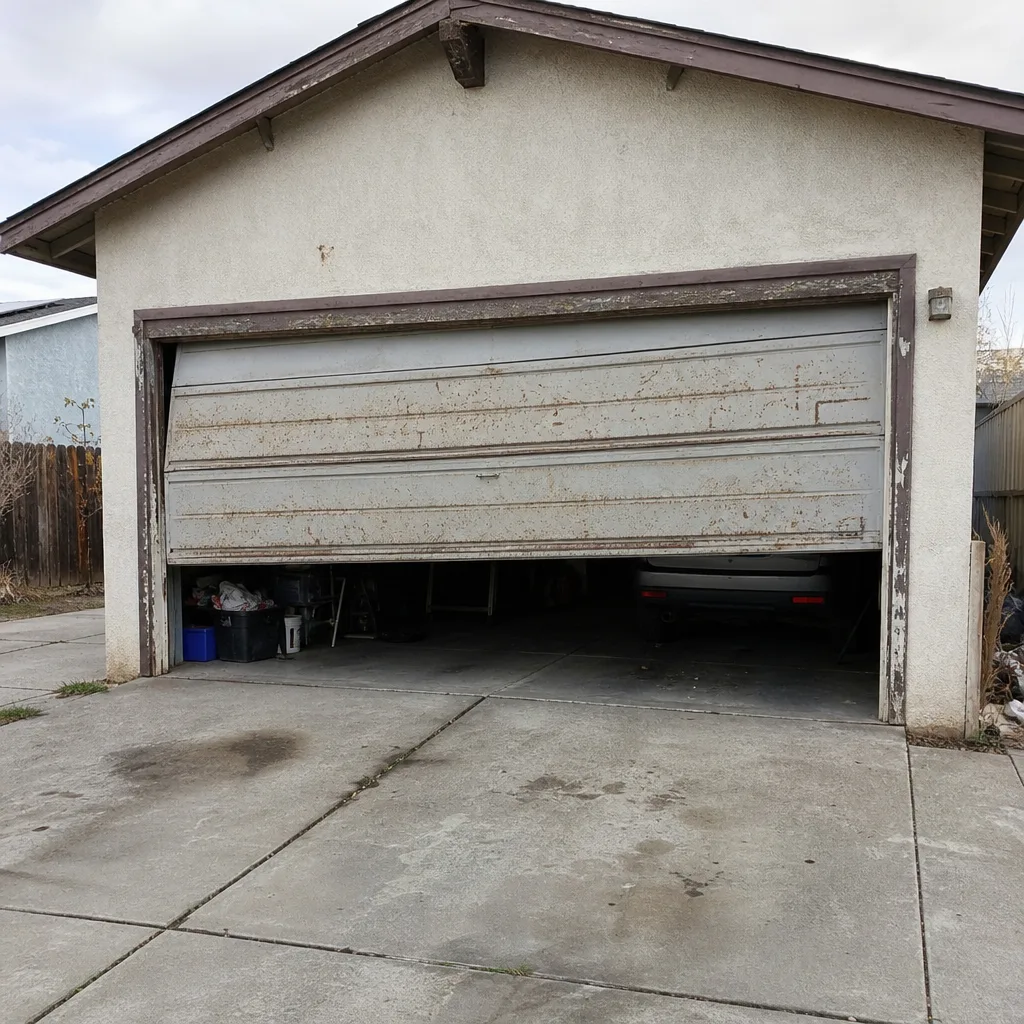 Before
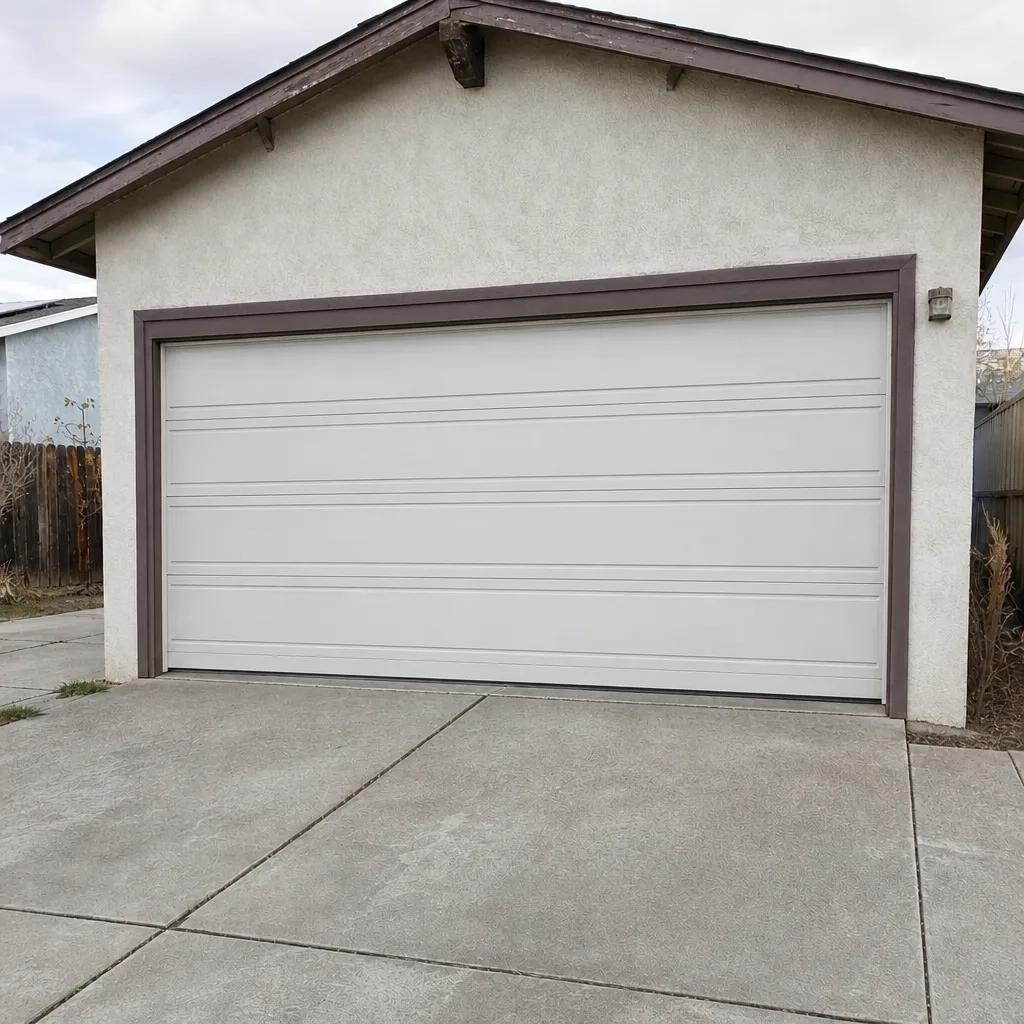 After
When to Call a Professional
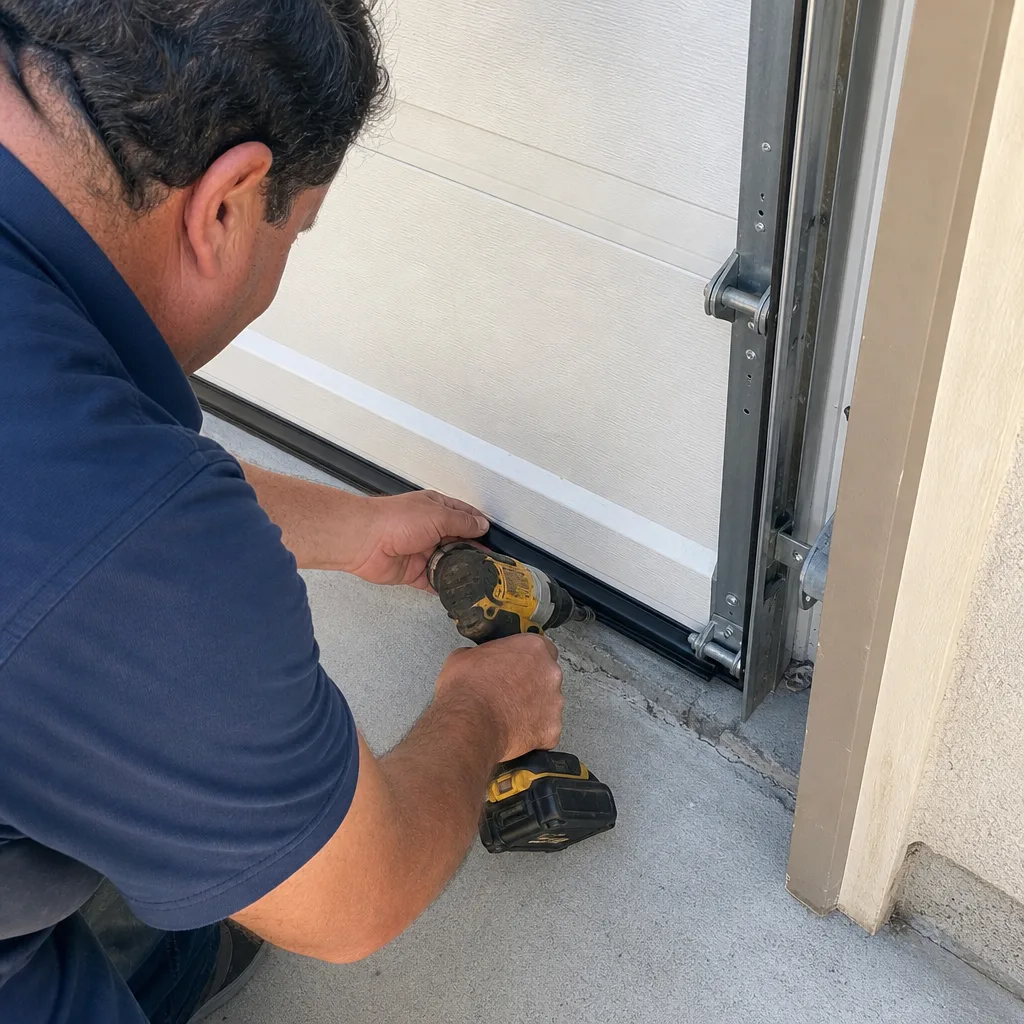
Call when the door reverses on its own, when the motor hums without moving the door, when you find a broken spring, when the door drops instead of holding on a balance check, or when a symptom repeats more than twice. Call when you hear a grinding rasp from the drive and can’t identify the source. Call before you touch the force limit or the torsion springs. Servo Garage Doors Winchester offers free estimates in Winchester, including a free second opinion on any written estimate from another company, and we answer the phone with a live person 24/7 for emergency calls. Call (855) 517-0284 and you’ll get a written price before any work starts, plus a photo record of what we found when we leave. Every one of our jobs carries the 365-Day Done Right Promise.
Frequently Asked Questions
There is no single calendar number that fits every opener. A better answer: service the drive whenever you hear a dry squeak or grinding rasp, check door balance twice a year, and do a photo documentation pass once a year. If your door runs daily, have the springs and balance checked annually. If a technician finds force-limit drift, have it recalibrated on the spot.
The lubricant depends on the drive type. Belt drives need a light application on the trolley carriage and rollers, not on the belt. Chain drives take a light chain-specific lubricant applied sparingly. Screw drives usually need no added lubricant beyond what the manual specifies. In Winchester’s dusty conditions, less is almost always better, and general-purpose grease is the wrong choice for a screw rail.
No, we’d advise against it. The force-limit adjustment interacts with the safety reverse system, and a limit set too high can stop the door from reversing on an obstruction. If your door is reversing or straining, the right move is to find out why the resistance changed, not to turn the force up. A technician can test the limit and the reverse system together, which is the only way to confirm both are safe.
In the Winchester market, an opener repair typically runs $150 to $400 depending on the failed component. A logic board replacement sits at the higher end; a photo-eye cleaning or force-limit recalibration sits at the lower end. We quote a flat written price before any work starts, per Clause 1 of The Haven Standard, so the number you agree to is the number you pay. Call (855) 517-0284 for an exact quote, and the estimate is free.
For repair and emergency calls, yes, we offer same-day and 24/7 emergency availability in Winchester, and a live person answers the phone, including holidays. When a technician is assigned, you get a named technician and an on-the-way text rather than a callback window. Call (855) 517-0284 and we’ll confirm the earliest arrival. For installation and replacement, the work is measured, ordered, and scheduled, so we won’t promise a same-day visit; you’ll get a free measure and a written price instead.
No, the written price you agree to before work starts is the price. If we find a related issue mid-repair, we photograph it, show you, and quote the additional scope separately. You decide whether to add it before anything happens. That’s the point of Clause 1 and Clause 4 together: the quote is based on evidence, and the scope doesn’t expand without your written approval.
The Bottom Line
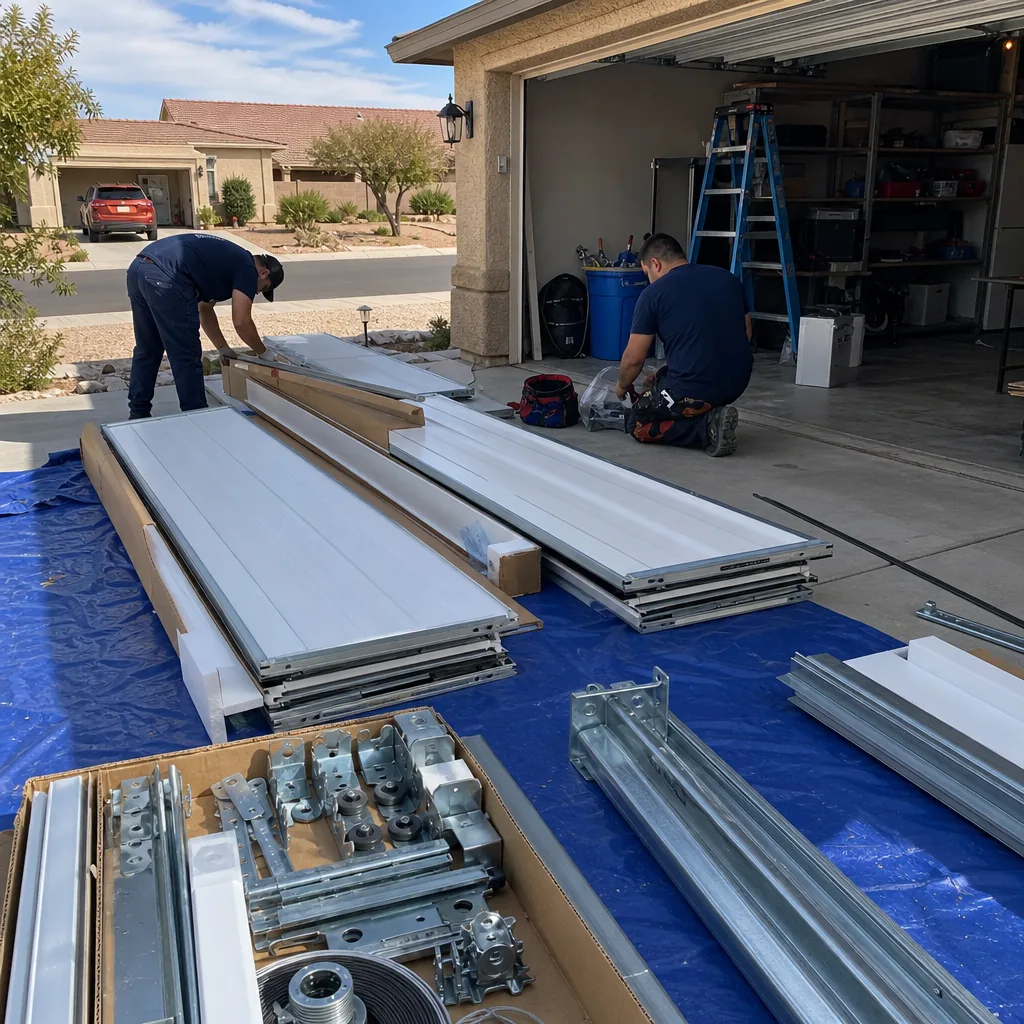
The manufacturer’s maintenance schedule protects the manufacturer. A condition-based schedule protects your opener. Three tasks carry the weight: drive lubrication matched to the drive type, force-limit recalibration when resistance changes, and photo-eye cleaning when the lens clouds. Everything else is monitoring and documenting, and a short annual photo pass makes every future diagnostic faster and more accurate. The parts you can’t maintain, like logic boards and motor windings, are managed by keeping the motor cool through balance and calibration. In Winchester, dust and temperature swings make condition-based maintenance the only schedule that fits. Call (855) 517-0284 for a free estimate before you touch the force limit or the springs.
Written by the team at Servo Garage Doors Winchester.