
Last updated November 18, 2026
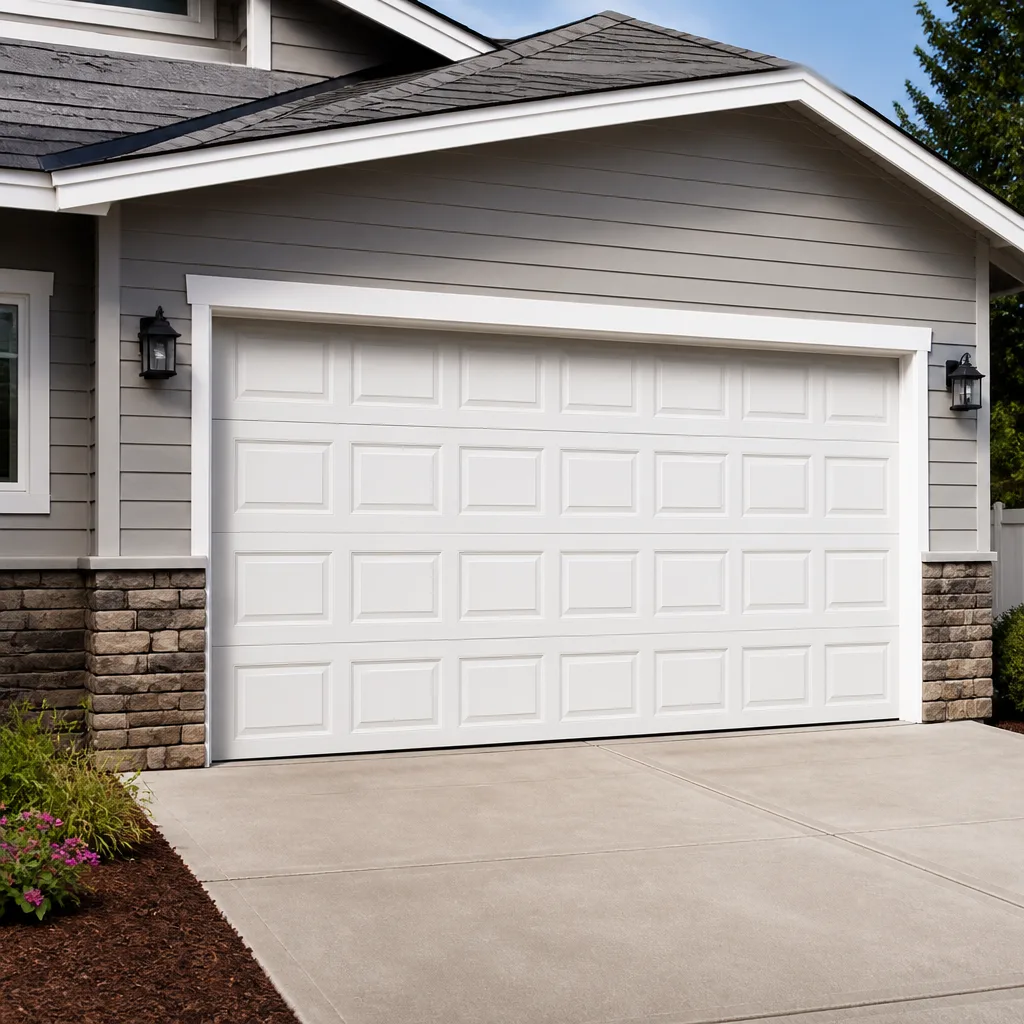 Raised-panel steel
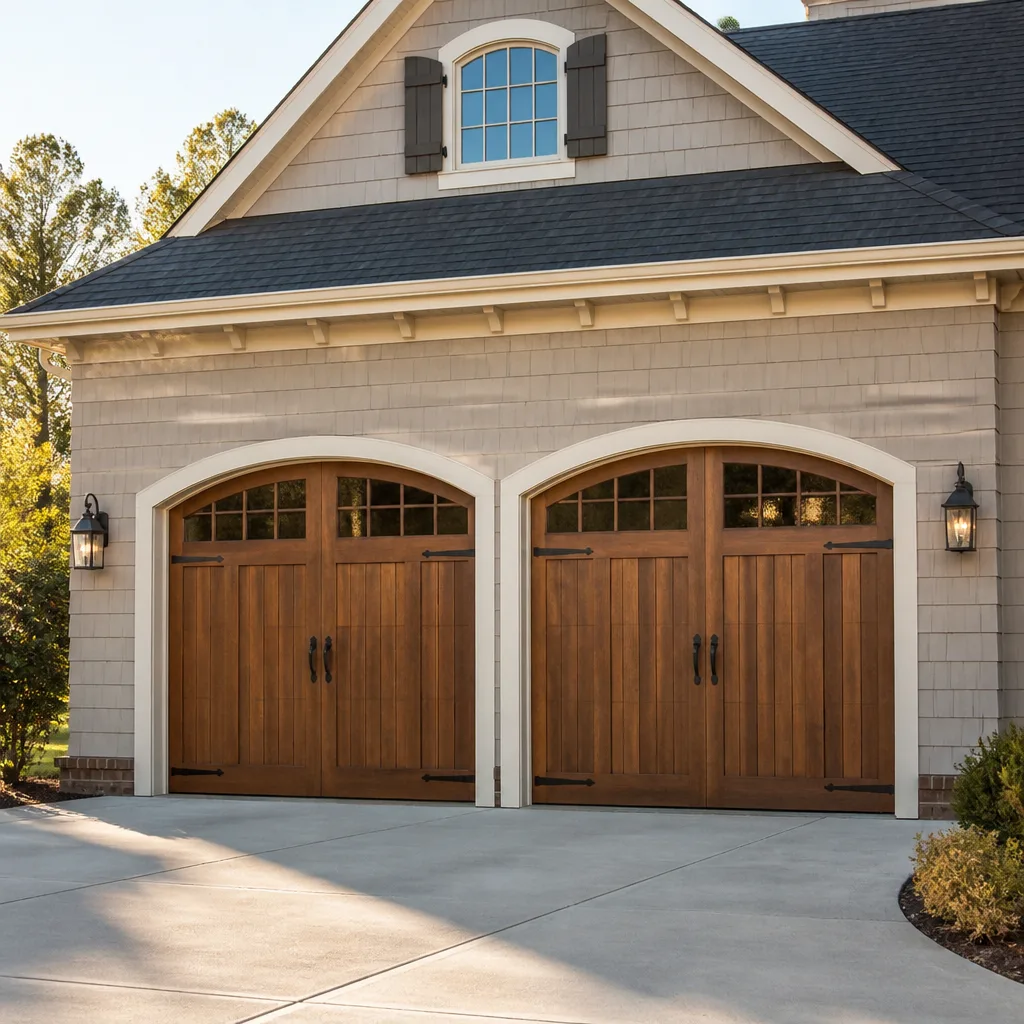 Carriage house
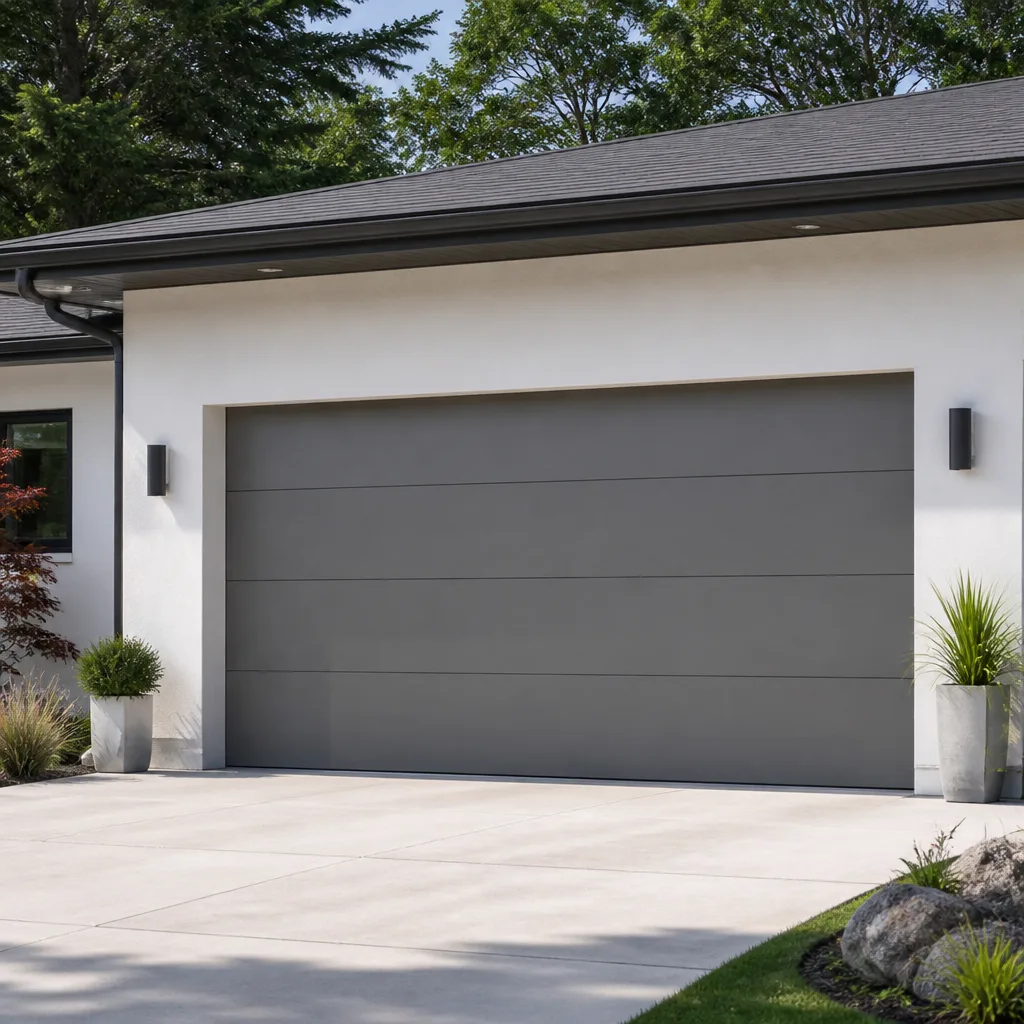 Modern flush
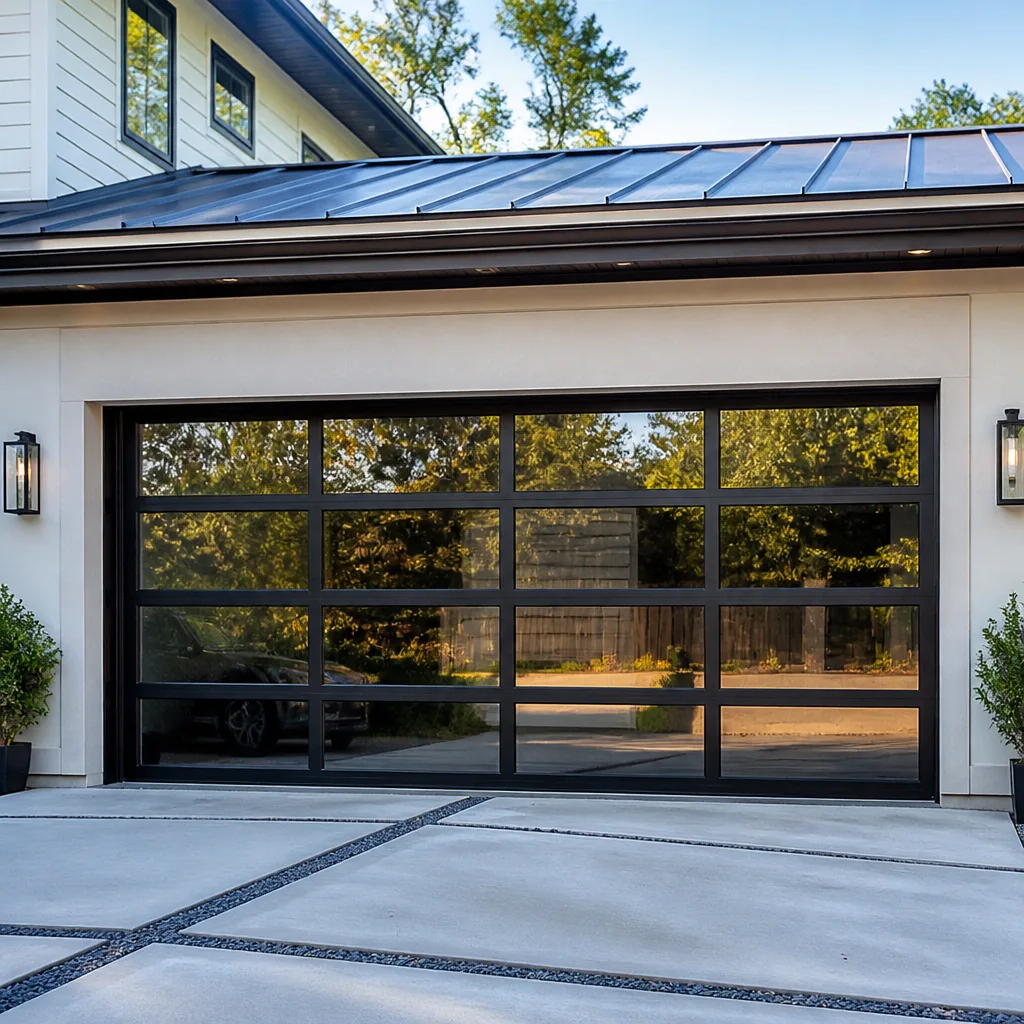 Full-view glass
 LiftMaster openers
 Chamberlain openers
Full 25-point door and opener safety check with every visit - springs, cables, rollers, tracks, and your LiftMaster or Chamberlain opener included
You get a price before we start. It does not change when the pro arrives.
Get your free estimateGarage Door Parts Troubleshooting: Common Problems and How to Fix Them
A broken torsion spring is the most visible failure in a garage door system, and it is also the most frequently misdiagnosed. In our experience across Winchester, a snapped spring is often the final result of a cable drum that had been running out of groove for months, slowly transferring load onto a component that was never designed to carry it alone. The spring is what broke. It is rarely what started the problem.
That gap between the loudest symptom and the actual failed part is what this guide covers. You’ll learn the diagnostic logic behind a symptom-to-part lookup table, the field tests that require no tools, and which failures you can operate through versus which demand an immediate shutdown. We’ve written this from Winchester, where dry desert air and hard water do particular things to door hardware.
Quick Answer
The most common garage door parts failures are torsion springs, cables, rollers, hinges, and bottom seals, but accurate troubleshooting means identifying the primary fault rather than the secondary damage it caused. A broken spring, for example, is often preceded by a worn cable drum that let the cable run out of its groove and overloaded the spring. Field-test each part without tools, photograph and measure before ordering, and shut the door down immediately if a cable is broken or a bottom hinge is cracked.
Styles & brands we work with
- Raised-panel steel
- Carriage house
- Modern flush
- Full-view glass
- LiftMaster openers
- Chamberlain openers
Table of Contents
- Primary vs. Secondary Failures: The Logic Behind the Lookup Table
- Five Common Parts Failures and Their Three-Step Field Tests
- Which Failures You Can Operate Through and Which Require Shutdown
- The Documentation Step Before Any Parts Order
- Three Parts Most Often Replaced with the Wrong Specification
- How Winchester Conditions Affect Garage Door Parts
- What Never to Attempt Yourself
- When a Parts Problem Becomes a Professional Job
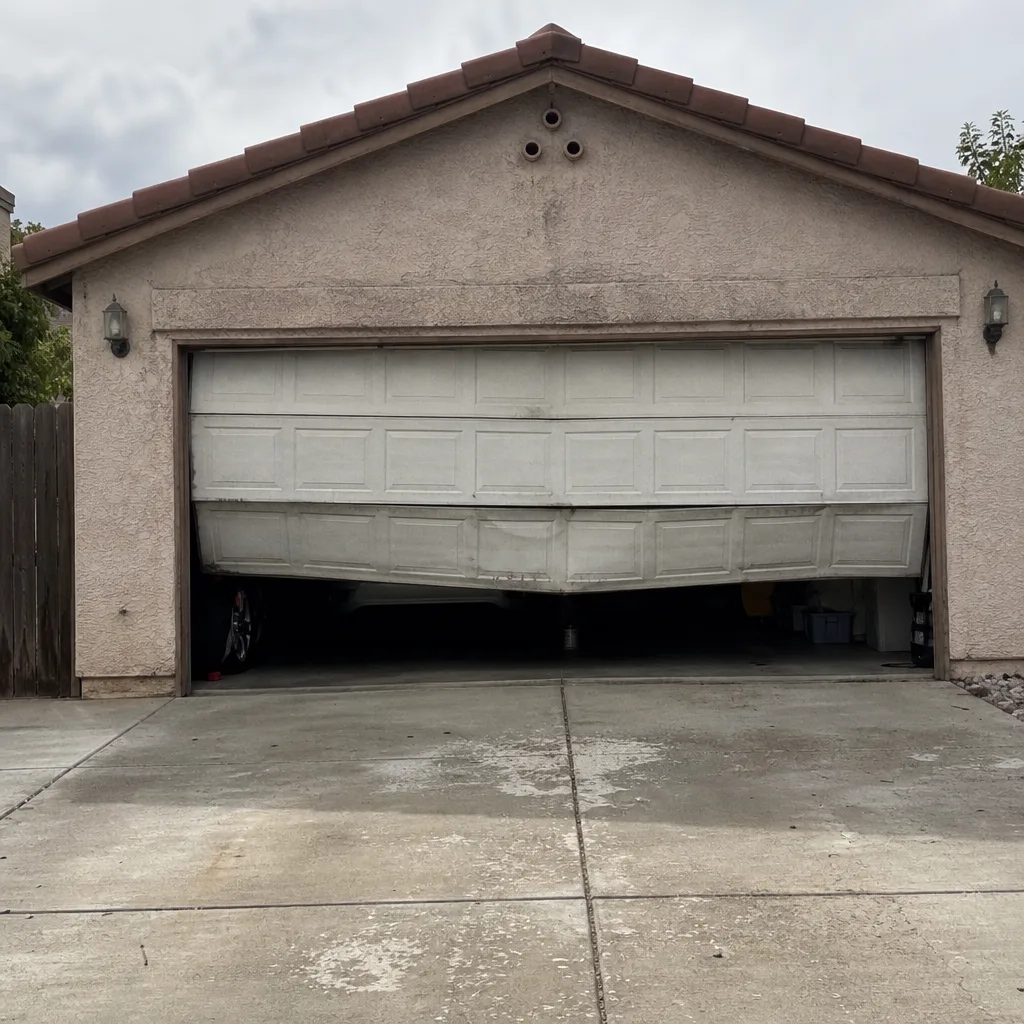 Before
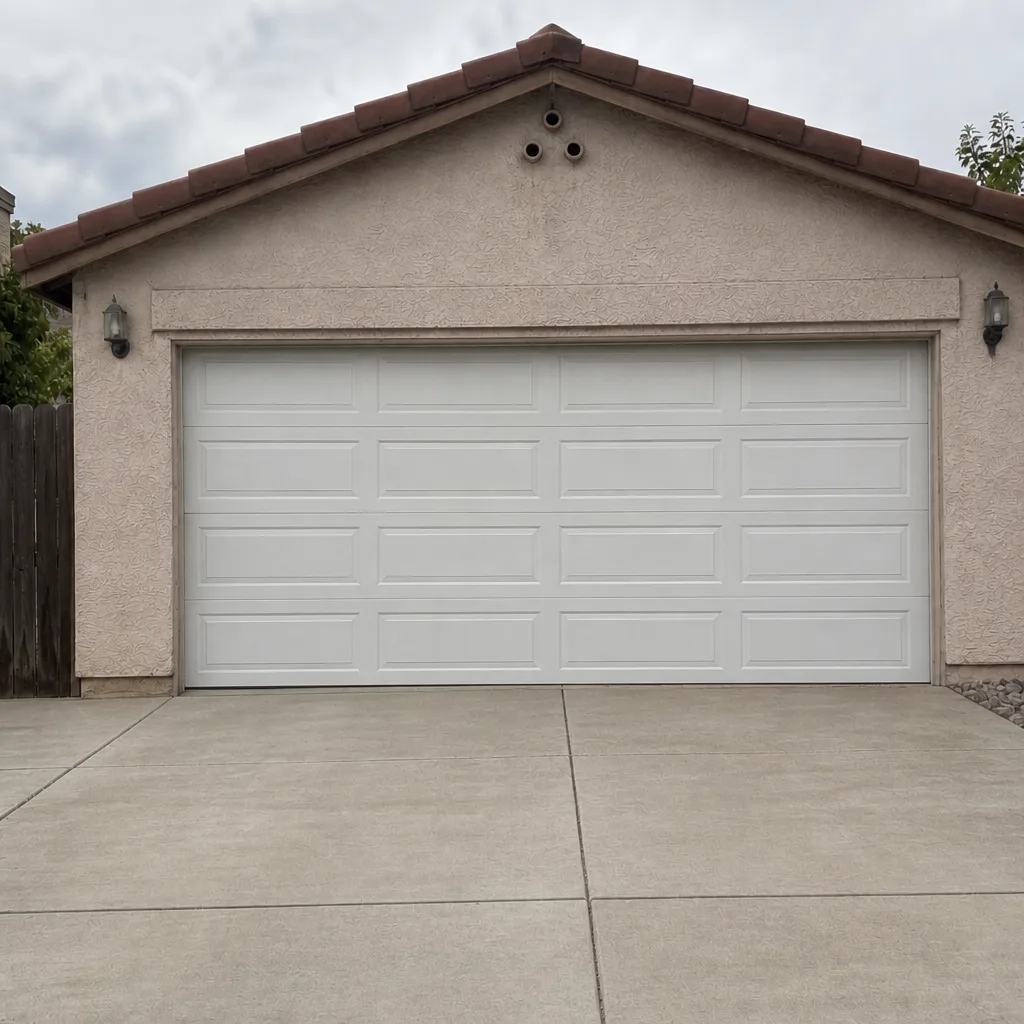 After
Primary vs. Secondary Failures: The Logic Behind the Lookup Table
A symptom-to-part lookup table is accurate roughly 60% of the time. The other 40% is secondary failure: damage caused by a primary fault the table never asks about. This is the single most useful concept in garage door troubleshooting, and almost no guide explains it.
Here’s how it works in practice. A torsion spring breaks. The lookup table says “replace the spring.” But ask why it broke after six years when the same spring on a comparable door lasts ten, and you find a cable drum whose groove had worn smooth. The cable drifted out of its track, the tension load shifted unevenly, and the spring fatigued under stress it wasn’t rated for. Replace the spring alone and the new one fails early for the same reason.
We see this pattern constantly in Winchester. The primary fault is quiet, gradual, and invisible unless you know to look. The secondary failure is loud and obvious. Homeowners fix the loud thing.
To think in primary-and-secondary terms, ask three questions for every symptom:
- What part failed visibly? The snapped spring, the frayed cable, the cracked hinge.
- What part would have to be worn for that failure to happen prematurely? Cable drums, bearing plates, and roller brackets are the usual suspects.
- Is the visible failure consistent with normal age, or is it early? Early failure is a signal that something upstream is wrong.
When you connect with a technician through Garage Door Repair in Winchester, the diagnostic walk-through should cover adjacent components, not just the failed part. Clause 4 of The Haven Standard is built on this idea: the technician photographs the failed component before quoting a replacement, so you can see the primary and secondary failures side by side.
Five Common Parts Failures and Their Three-Step Field Tests
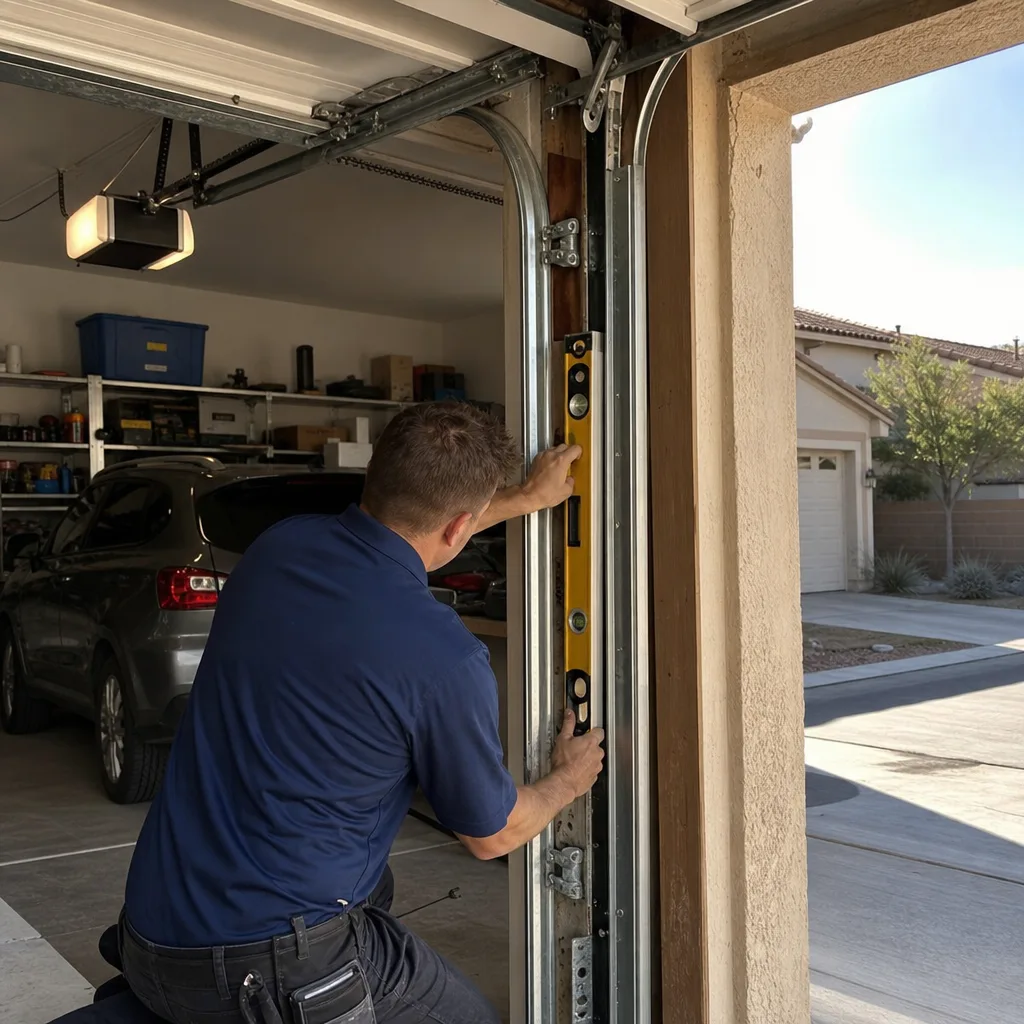
These tests require no tools and no disassembly. They tell you which part is worth a closer look, not how to fix it. For anything involving springs or cables, stop at the test and call a professional.
Torsion Spring
The torsion spring is the coiled steel bar above the door that stores the energy to lift it. A broken spring usually shows a clean gap in the coil.
- Look before you lift. With the door closed, check the coil for a visible gap. A clean break at the coil is the classic sign.
- Listen on the lift. Raise the door by hand about a foot. If it feels extremely heavy and the opener strains, the spring is likely broken.
- Balance check. Lift the door to waist height and let go gently. A properly balanced door stays put. A door that slams down or flies up has a spring or tension problem.
Cable
The lift cables run along the sides and connect the bottom bracket to the cable drum. A frayed or slack cable is a shutdown condition.
- Visual sweep. With the door closed, look for fraying, kinks, or a cable hanging loose along either side.
- Tension check. Both cables should feel evenly tensioned. A slack cable on one side means the drum or tension is off.
- Wear check. Run a gloved hand along the cable and feel for burrs or flat spots, which indicate broken wire strands.
Roller
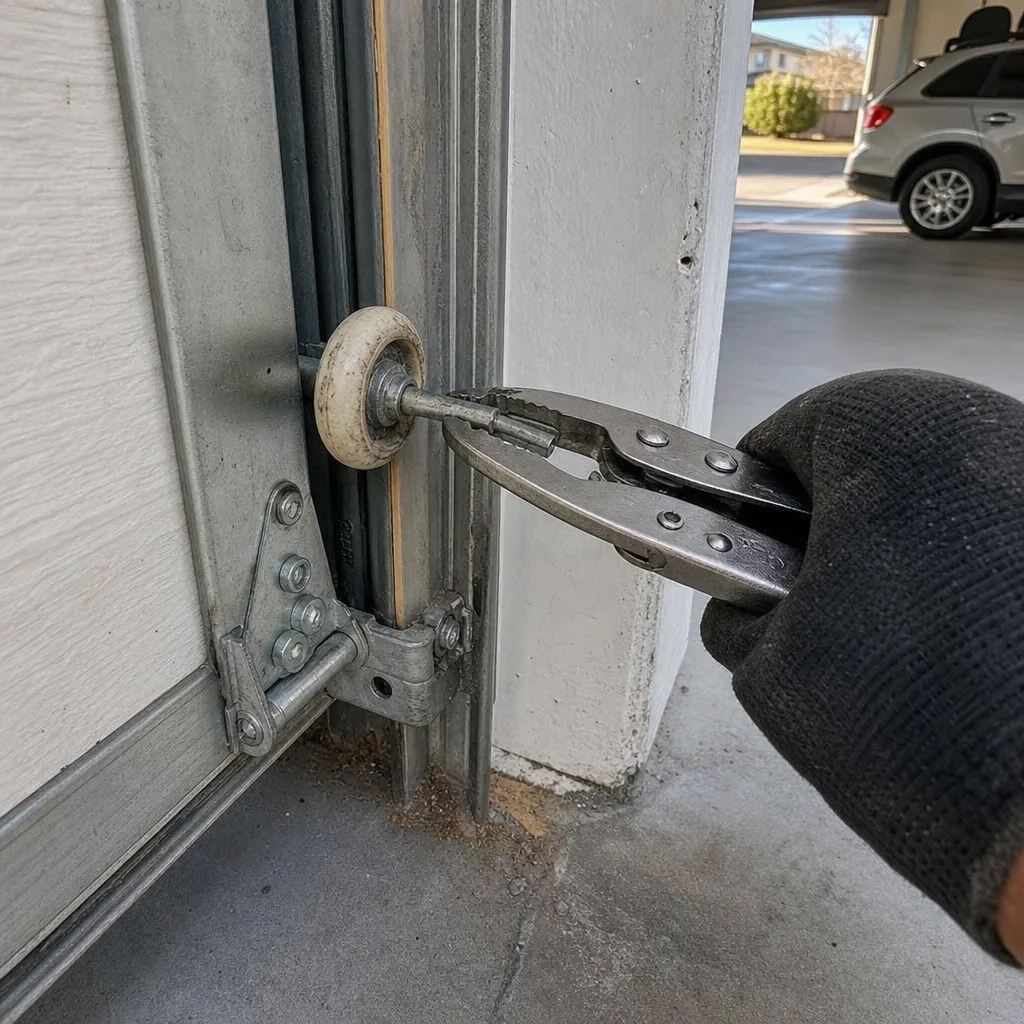
Rollers are the wheels that ride in the vertical and horizontal tracks. Worn rollers cause noise, vibration, and uneven travel.
- Sight down the track. With the door closed, look along the track for a roller sitting crooked or a wheel with a flat spot.
- Wiggle test. A roller that moves more than a hair inside its bracket has a worn stem or bearing.
- Noise test. Run the door and listen for a scraping or grinding sound, which usually traces to a seized bearing in one roller.
Hinge
Hinges connect the door sections. They take a lot of load and fail gradually.
- Open the door and inspect. Look for cracks or separation at each hinge, especially the bottom two.
- Wiggle each hinge. Play in the hinge indicates a worn pin or a loose fastener.
- Listen for the rattle. A rattle during travel usually points to a loose or worn hinge.
Bottom Seal
The bottom seal is the rubber or vinyl strip that closes the gap between the door and the floor.
- Look for daylight. With the door closed, check for light under the seal along its full width.
- Feel for cracks. Run your hand along the seal and look for splits, hardening, or missing sections.
- Close-test for drag. If the door drags on one side, the seal may be catching on the floor or the track is out of alignment.
If any test raises a flag on a spring or cable, call in a professional before running the door again. Our technicians have up to 11 years of experience and know which primary faults hide behind these visible failures.
Which Failures You Can Operate Through and Which Require Shutdown
Not every parts failure means stop using the door. Some are safe to operate through for a short period while you arrange a repair. Others are not, and the difference isn’t arbitrary; it comes down to what a failure does under load.
Safe to operate temporarily:
- Worn weatherstripping or bottom seal. These seal against weather but carry no structural load. A worn seal lets in dust, drafts, and pests, but the door will still operate safely.
- Noisy roller. A single noisy roller means a bearing is drying out or wearing. It’s an annoyance, not a safety risk, provided the roller isn’t visibly broken or wobbling in the track.
- Stiff or slightly loose hinge. A hinge with minor play can be operated briefly while you schedule a repair, as long as the door section isn’t separating.
Requires immediate shutdown:
- Broken cable. The cable carries the tension that balances the door. When one cable fails, the remaining side bears an uneven load, and the door can drop suddenly under its own weight. Stop using the door and disconnect the opener.
- Cracked hinge at the bottom section. The bottom hinge is the load-bearing hinge for the entire door’s lifting force. A crack there can separate the bottom section mid-travel, which is a genuine drop hazard.
- Broken torsion spring. A door with a broken spring has lost the counterbalance that makes it liftable. Running the opener puts enormous strain on the motor and risks a sudden drop.
The mechanical reason is consistent across all three dangerous failures: they compromise the counterbalance or the door’s structural connection. Without counterbalance, gravity takes over the moment the opener lets go.
If you’re unsure which category your problem falls into, that’s the moment to stop operating the door and call. Our emergency line is staffed by a live person around the clock, and we serve Winchester homes on the same day.
The Documentation Step Before Any Parts Order
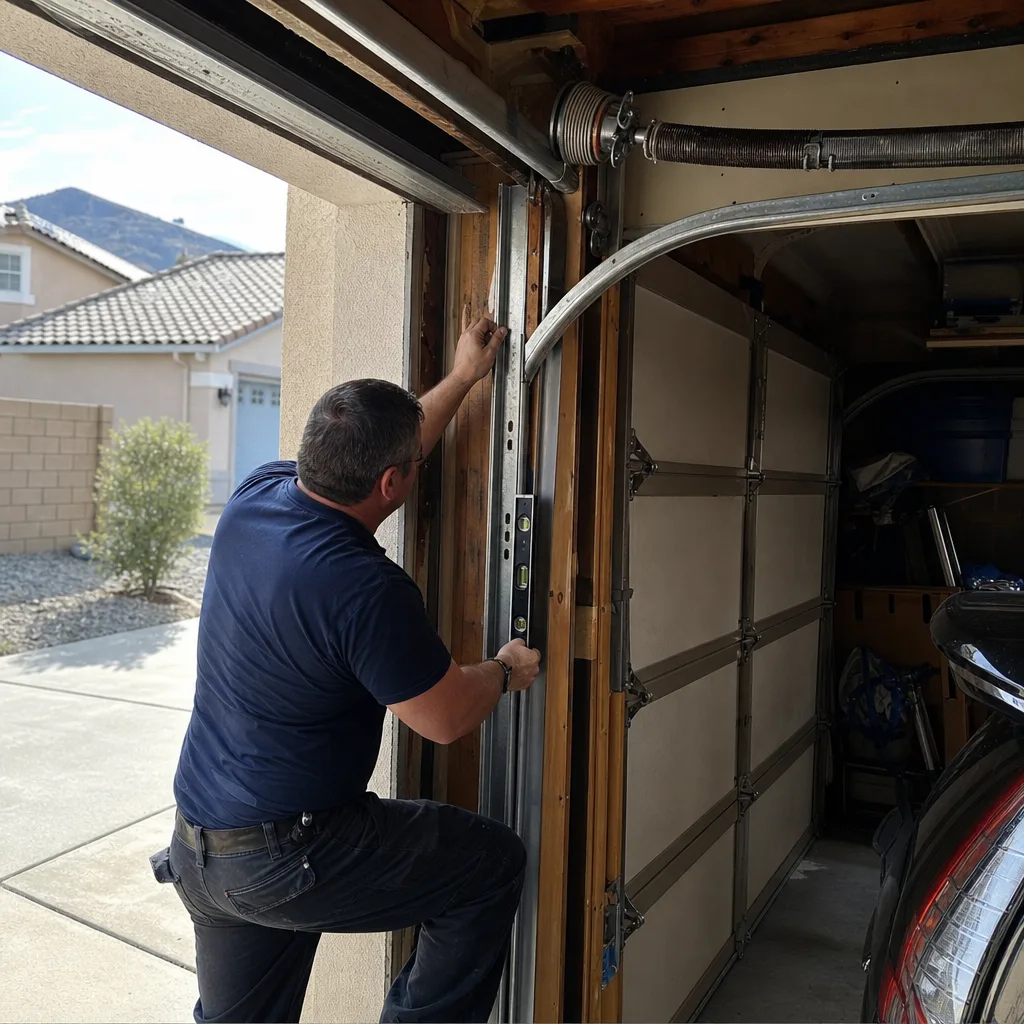
Ordering the wrong part wastes a week, and in Winchester that week often means a car stuck outside in triple-digit heat. The documentation step is short and it eliminates most ordering errors. Do it before you call or click.
- Photograph the failed component. One wide shot showing the part in place, one close-up showing the failure. This is the founding rule we built Servo on: you see the failed part before anyone quotes a replacement. Clause 4 of The Haven Standard codifies it.
- Measure the replacement specification. For springs, that means wire diameter and overall length. For cables, cable diameter. For bottom seals, profile height and width. Write the numbers down.
- Record the adjacent components’ condition. Photograph the cable drums, bearing plates, and rollers near the failed part. This is how you catch the primary fault the lookup table misses.
- Note the door’s brand and model. Service all eight major brands, including Amarr, Wayne Dalton, and Raynor, means we can cross-reference a spec against the manufacturer’s parts diagrams to confirm fit.
When you have photos and measurements, any professional can quote accurately. That documented photo record comes standard on every visit, not as an add-on, so you keep a record of what was found and what was done.
Three Parts Most Often Replaced with the Wrong Specification
A part that fits loosely or measures slightly off will fail prematurely and often takes a neighboring part with it. These three are the repeat offenders.
Torsion Spring: Wire Diameter and Length
Springs are specified by wire diameter, inside diameter, and length. The wire diameter is the most common error because it’s hard to measure with a tape. A caliper gives the true measurement. A spring with the wrong wire diameter changes the door’s balance and wears the opener motor. Reference the door’s original spec or the manufacturer’s chart.
Cable: Diameter and Length
Cables look interchangeable and aren’t. The diameter determines load capacity, and the fittings at each end must match the drum and bracket exactly. A cable that’s one size off can slip out of the drum, which is how many “mystery” spring breaks begin. Measure the old cable with a caliper, not a ruler.
Bottom Seal: Profile
Bottom seals come in a dozen profiles, and the profile must match the door’s bottom section exactly or the seal won’t seat. A mismatched profile lets water and dust in and can drag on the floor, straining the opener. Reference the door’s brand and model number, and photograph the profile end-on.
If you’re looking at Garage Door Opener Repair & Installation in Winchester and your opener is straining after a parts replacement, the wrong spring or cable spec is often the cause. A written price and written scope before work starts, per Clause 1 of The Haven Standard, means you know the exact part spec being ordered before anyone touches the door.
How Winchester Conditions Affect Garage Door Parts
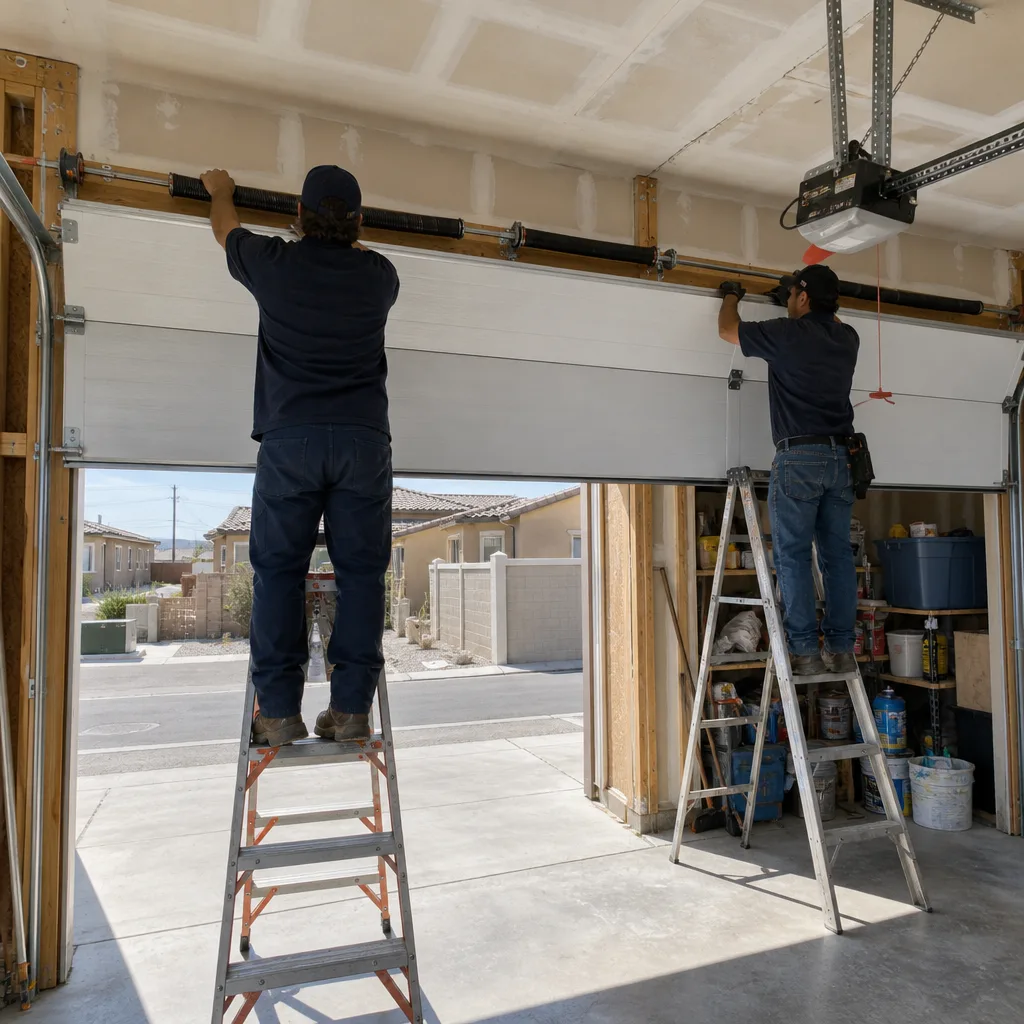
Winchester’s climate does specific things to garage door hardware, and understanding it helps you read the field tests more accurately. The dry desert air is hard on rubber and vinyl, so bottom seals crack and harden faster here than in humid markets. That means the seal is often failing before it looks worn.
The summer heat also works the door’s steel and lubricants harder. Roller bearings dry out and seize in the heat, so a noisy roller in Winchester is more often a heat-dried bearing than a bent track. We see it in the older neighborhoods and the newer builds alike.
Dust is the third factor. Wind-blown grit gets into tracks and hinges and accelerates wear on moving parts. If your door was installed between 2015 and 2025 and hasn’t had the rollers or hinges inspected in a couple of years, that’s a reasonable place to start a diagnostic walk-through. When a spring fails in Winchester without an obvious cause, we check the cable drums first, because heat and dust together wear those grooves smooth faster than homeowners expect.
For a full service picture in the area, see Servo Garage Doors Winchester home.
What Never to Attempt Yourself
Two garage door components cause serious injury when a homeowner tries to service them: torsion springs and lift cables. Both are under high tension. A wound torsion spring stores enough energy to break a wrist or worse if it’s released incorrectly, and a cable under load can snap with no warning. There is no safe field test beyond the visual and balance checks described above.
We don’t publish step-by-step instructions for spring or cable work because the risk isn’t worth it. What you can do safely is photograph, measure, and stop. Then call a trained technician who has the winding bars and the training.
High-voltage opener wiring and any electrical panel work fall in the same category. If the opener stops responding and you’ve already checked the breaker, that’s a professional call, not a DIY task. The same goes for any height work on the door’s header or tracks.
What’s safe to handle yourself: replacing a worn bottom seal on a door that isn’t binding, tightening a loose hinge fastener, and applying a proper lubricant to rollers and hinges. Those are low-risk and don’t involve stored energy.
When a Parts Problem Becomes a Professional Job
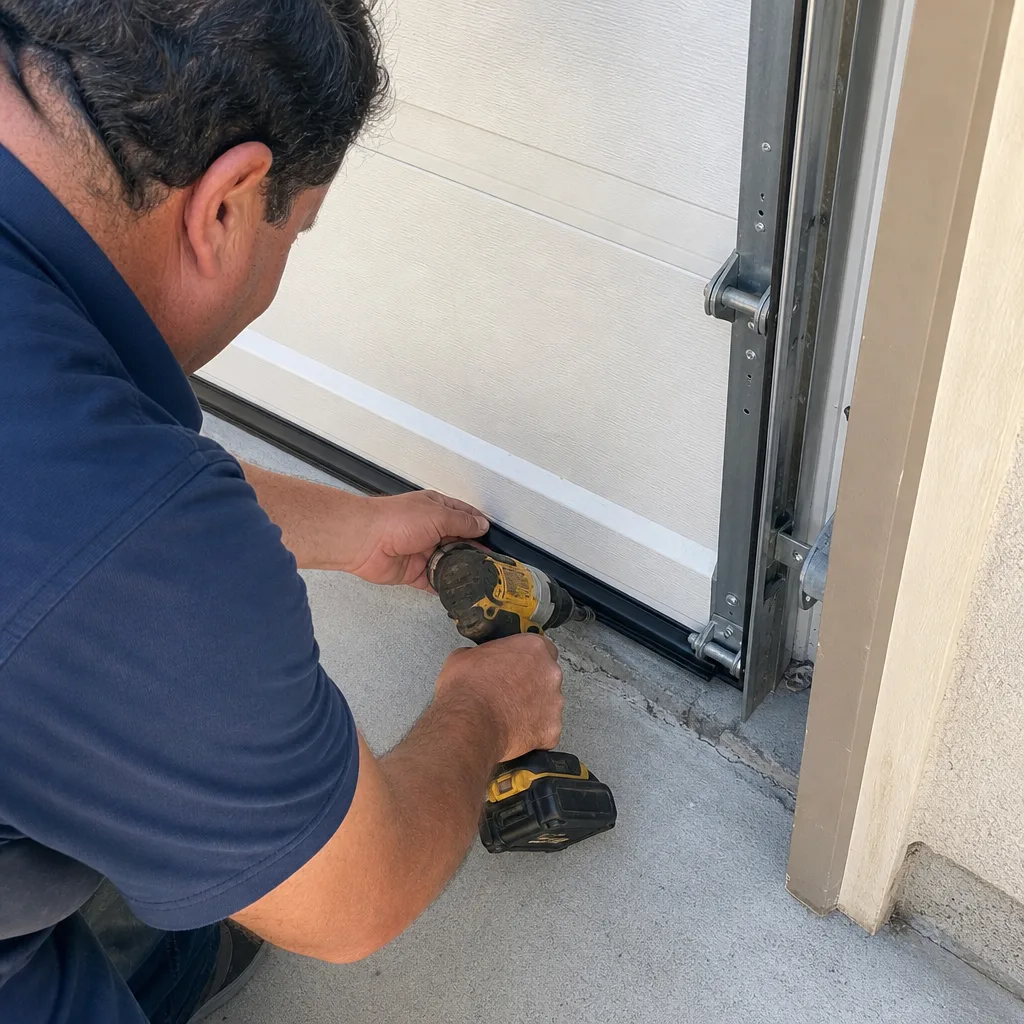
Call a professional the moment a cable breaks, a spring snaps, or a bottom hinge cracks. Those are shutdown conditions, and running the door risks a drop. Call us when the field test is ambiguous: a door that feels unbalanced, a noise you can’t trace, or a replacement you’ve measured but aren’t confident about. If your opener is straining after a parts swap, or you’re weighing a repair against a full replacement, a written diagnostic beats guessing.
Servo Garage Doors Winchester offers free estimates in Winchester. We quote a flat written price and written scope before any work starts, per Clause 1 of The Haven Standard, and we photograph what we find so you can see the primary failure. If you have a written estimate from another company, we’ll give you a free second opinion on the paperwork. Call (855) 517-0284 for a free estimate, and a live person answers, including emergencies.
For a full replacement consideration, see Garage Door Installation in Winchester, and for the wider brand set we handle, ask about Amarr, Wayne Dalton, and Raynor doors.
Common Mistakes to Avoid
- Replacing the visible failed part and nothing else. The snapped spring gets replaced and the worn cable drum gets left in place, so the new spring fails early. Always inspect the adjacent components before ordering.
- Measuring a spring with a tape measure. Wire diameter needs a caliper. A tape measure reading is off by enough to change the door’s balance and strain the opener.
- Running a door with a broken cable or cracked bottom hinge. These are shutdown conditions. The door can drop under its own weight, and the low cost of not risking a drop is worth the inconvenience of a wait.
- Ordering a bottom seal by width alone. The profile has to match the door’s bottom section, and Winchester’s dry air hardens seals faster, so match the profile, not just the length.
- Skipping the photo record. Photographing the failed part and the adjacent parts is how you catch the primary fault. Without it, you’re guessing at the secondary damage.
- Treating a noisy roller as harmless for months. A noisy roller in Winchester’s summer heat is often a siezed bearing, and a seized bearing can flat-spot or jump the track. Address it before it escalates.
- Ignoring a written estimate and accepting a verbal quote. A written price and written scope before work starts is the standard, and if someone won’t put it in writing, that’s a signal worth heeding.
See the difference
BeforeAfter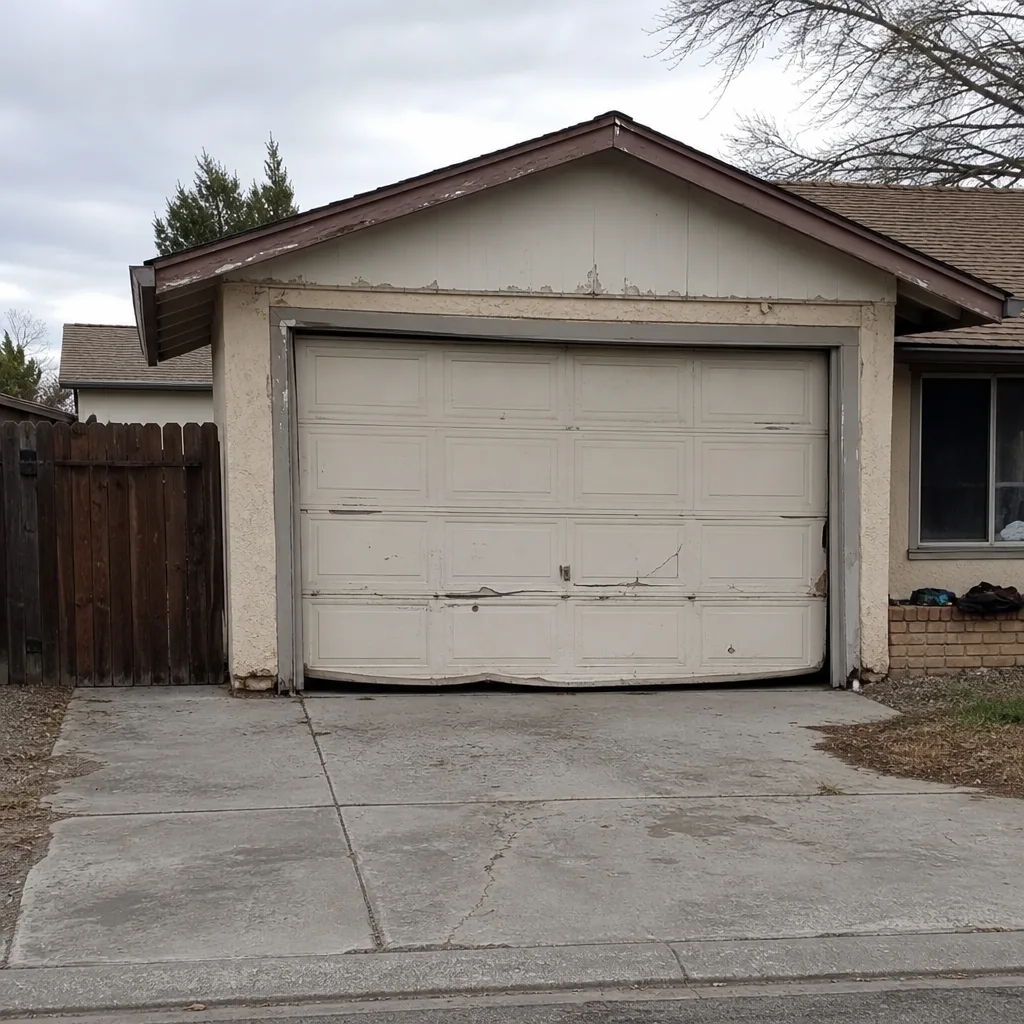 Before
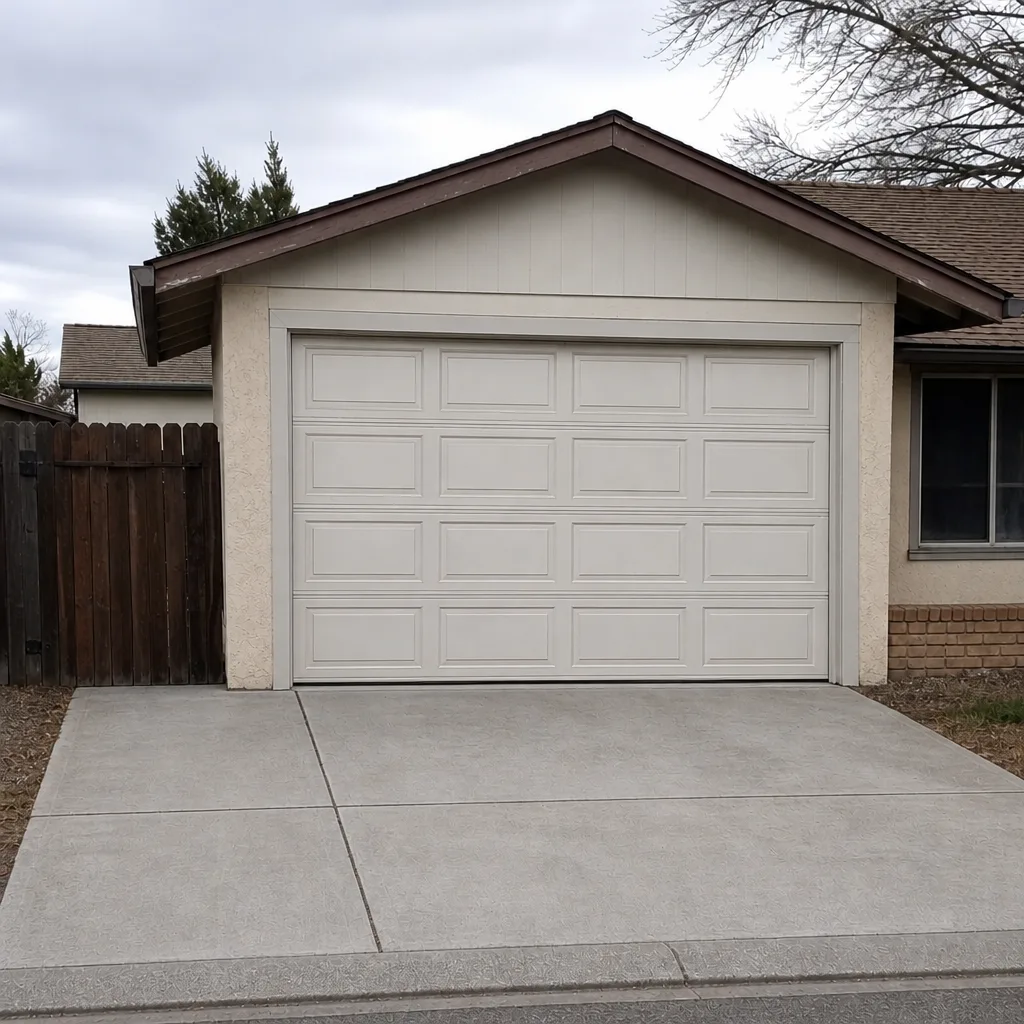 After
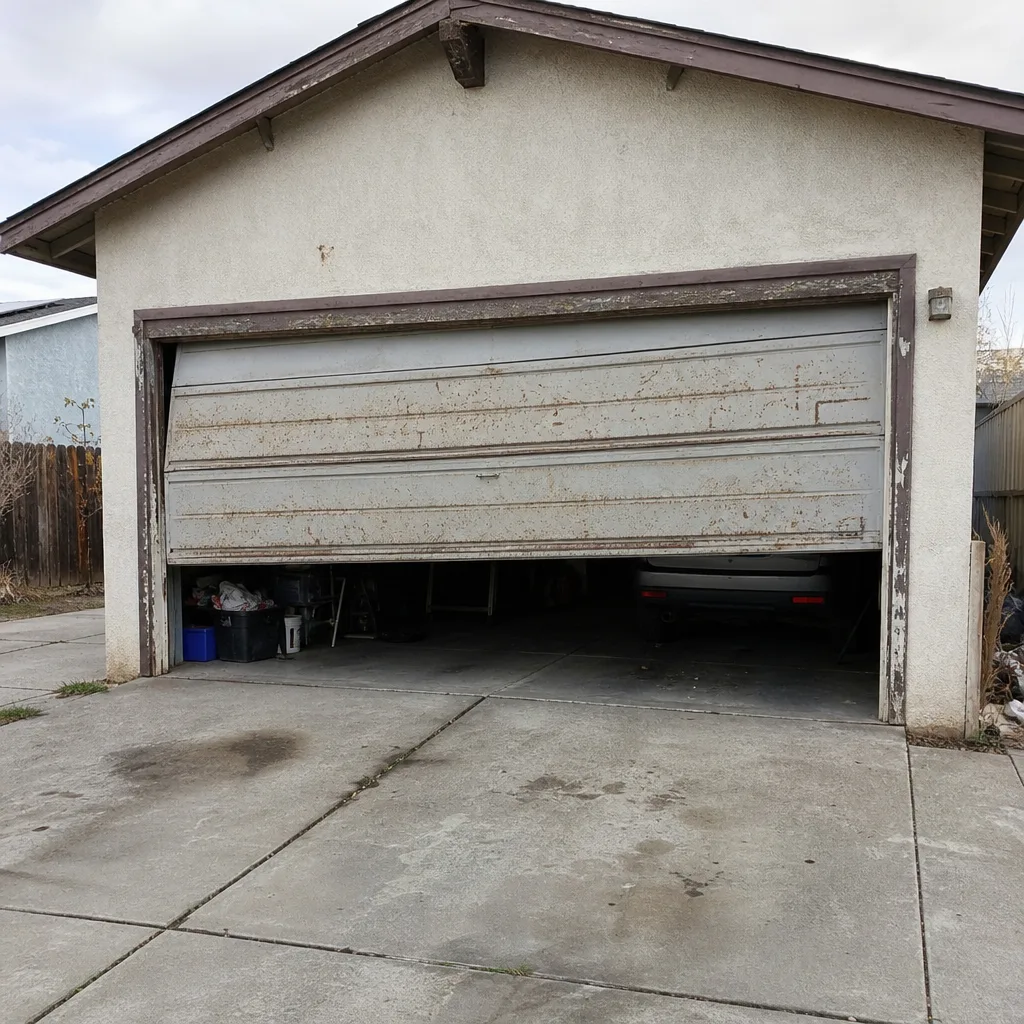 Before
 After
When to Call a Professional
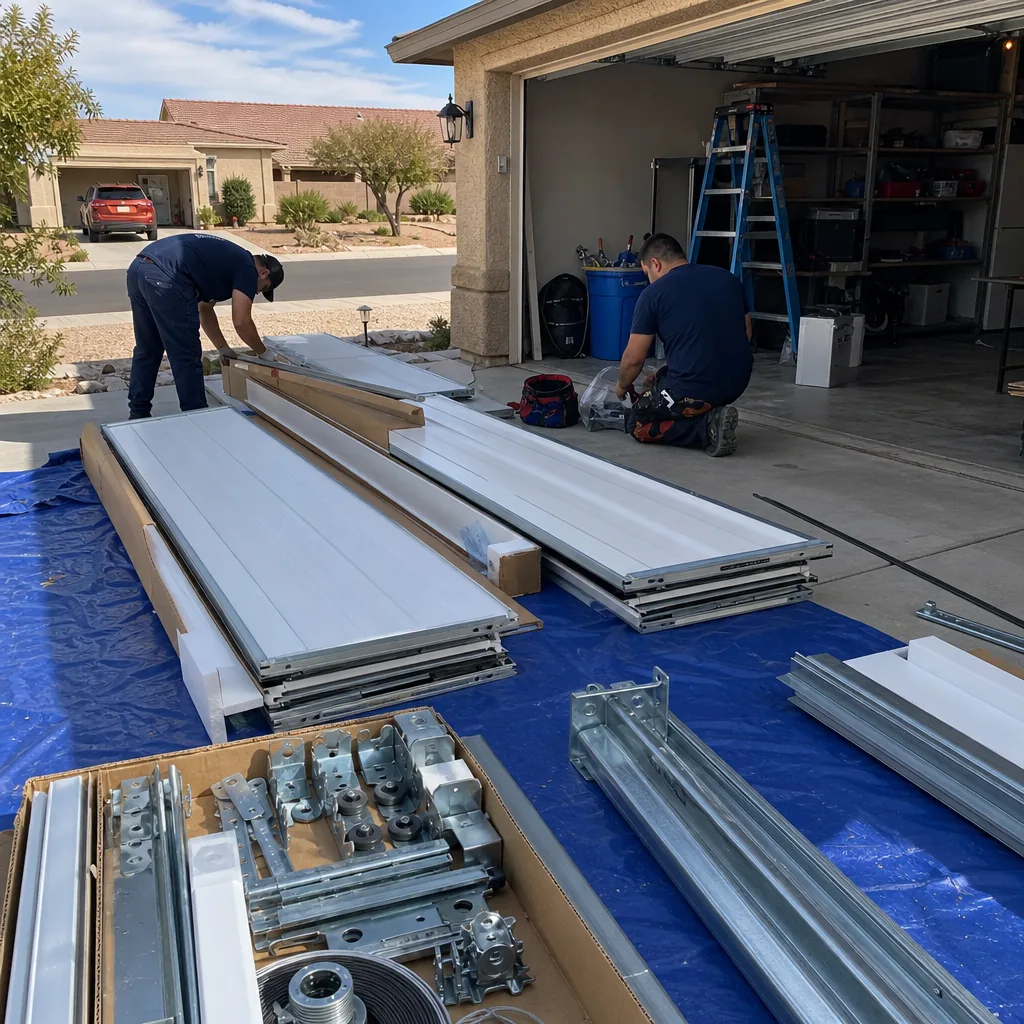
Call a professional if a cable is broken, a torsion spring has snapped, or a bottom hinge is cracked. Those are the three conditions where the door can drop unexpectedly, and running the opener on them risks injury and motor damage. Call us if you’ve done the balance check and the door won’t stay put, if you hear a noise you can’t trace to a specific roller or hinge, or if you’ve measured a replacement part but aren’t confident the spec is right. Also call if your opener is straining after a recent parts replacement, which usually points to a primary fault or a wrong spec. Servo Garage Doors Winchester offers free estimates in Winchester. Call (855) 517-0284 for a free estimate.
Frequently Asked Questions
Most parts replacements in Winchester run from about $90 for a bottom seal up to roughly $340 for a torsion spring with the cable drums checked and replaced as needed. Cables typically fall in the $120 to $220 range per side, and hinges and rollers are usually the lowest-cost items. Call (855) 517-0284 for an exact quote; estimates are free.
For a residential repair in Winchester, often yes, and emergency calls are answered by a live person around the clock. Same-day availability depends on the specific part and whether the primary fault needs inspection before a replacement is ordered. Call (855) 517-0284 and you’ll get a real answer, not a callback window.
No. The written price and written scope are agreed before any work starts, per Clause 1 of The Haven Standard. If the diagnostic reveals a primary fault not in the original scope, the technician photographs it and quotes the revised scope before proceeding, so there are no surprises at invoice time. Call (855) 517-0284 for a free estimate.
Yes. Servo Garage Doors Winchester connects you with local professionals who are licensed and insured as their state requires, and every job is documented with a photo record. Call (855) 517-0284 for a free estimate.
Early spring failure usually points to a primary fault such as a worn cable drum that let the cable run out of its groove, which overloads the spring. That’s why the diagnostic walk-through covers adjacent components, not just the broken spring. The technician photographs what was found so you can see both failures.
Yes, a worn bottom seal or a loose roller on a door that isn’t binding is a reasonable DIY job. Anything involving the torsion spring, lift cables, or the opener’s high-voltage wiring is not, because those parts store energy that causes serious injury when released incorrectly. For spring or cable work, call (855) 517-0284.
The Bottom Line
Garage door troubleshooting works best when you read symptoms as evidence, not verdicts. The loudest failure is often secondary damage caused by a quieter primary fault. Field-test the five common parts without tools, know which failures require an immediate shutdown, and document the failed component with photos and measurements before ordering anything. Measure springs and cables with a caliper and match bottom seal profiles to the door. In Winchester’s dry, dusty conditions, watch rollers and cable drums closely. When a test is ambiguous or a shutdown condition is present, call a professional. A written price before work starts beats a guess.
Written by the team at Servo Garage Doors Winchester.