
Last updated November 18, 2026
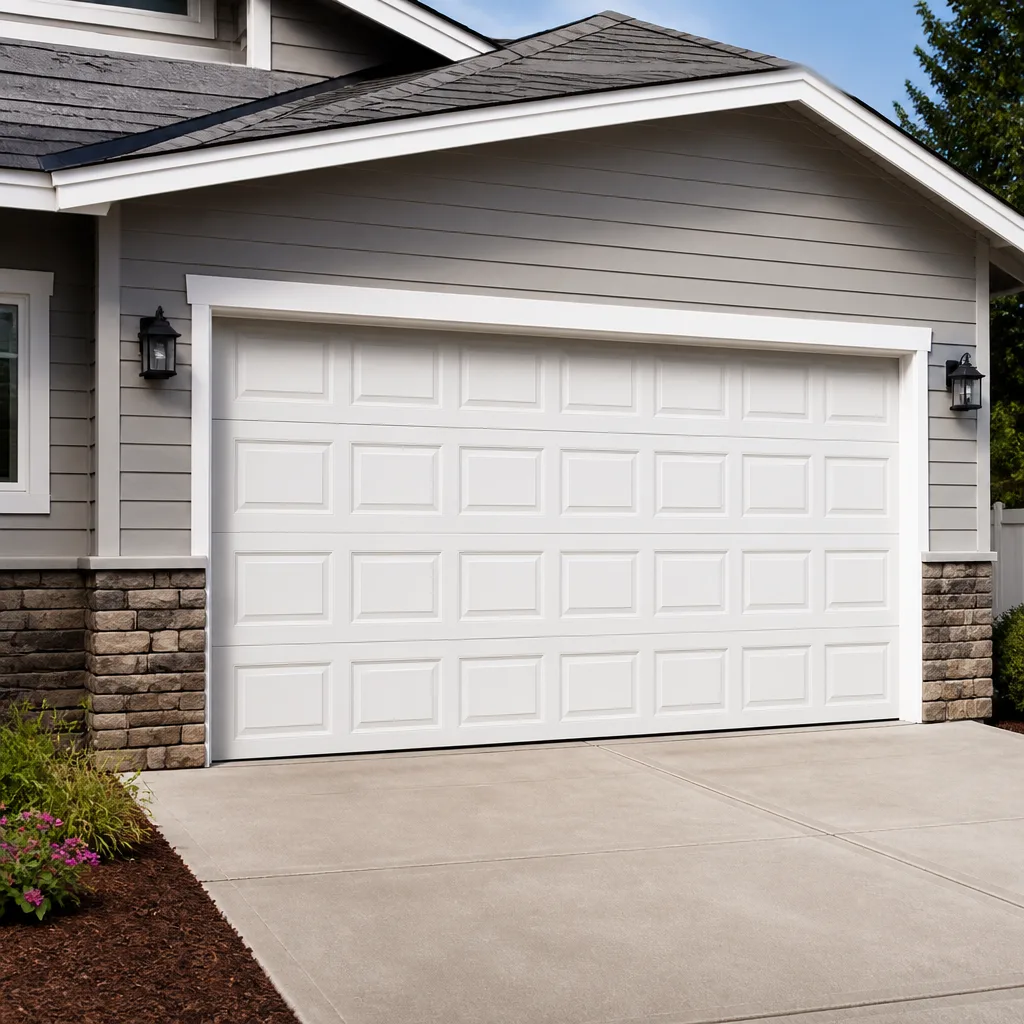 Raised-panel steel
 Carriage house
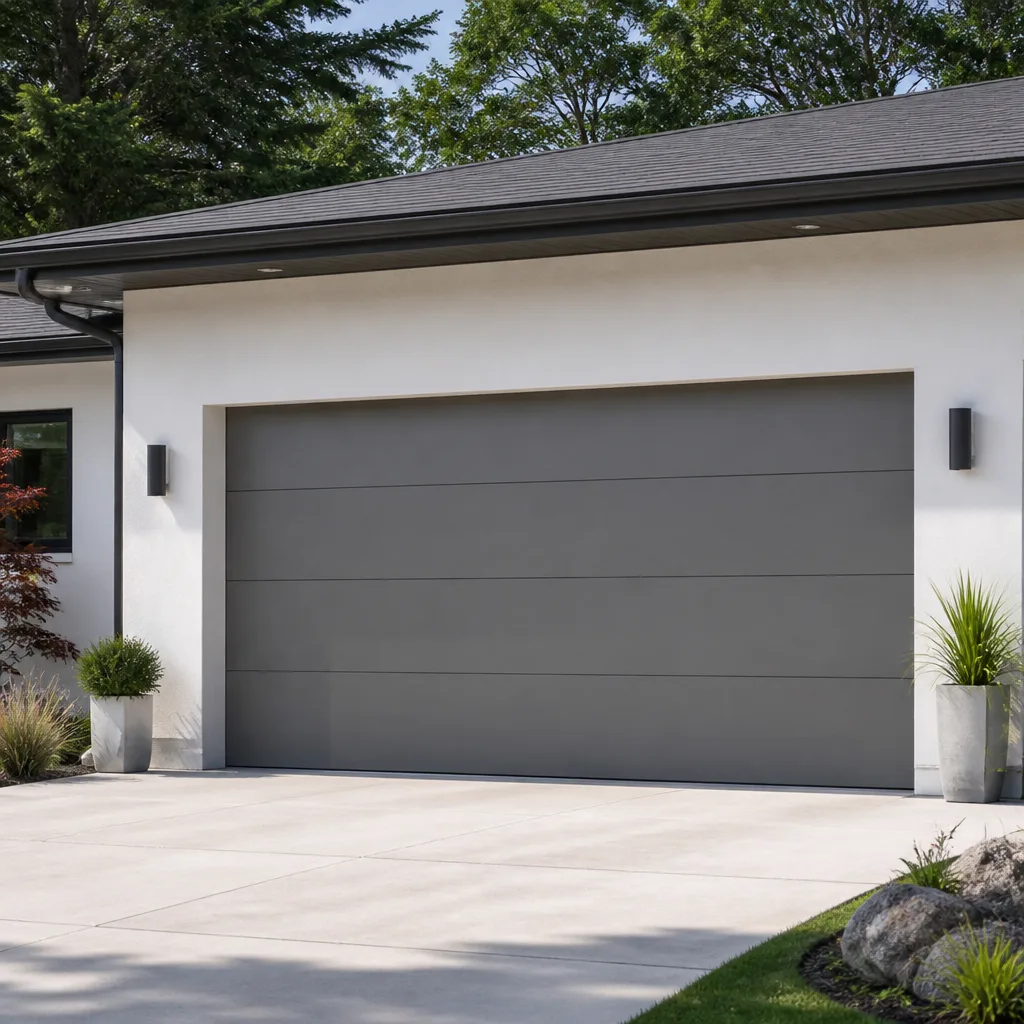 Modern flush
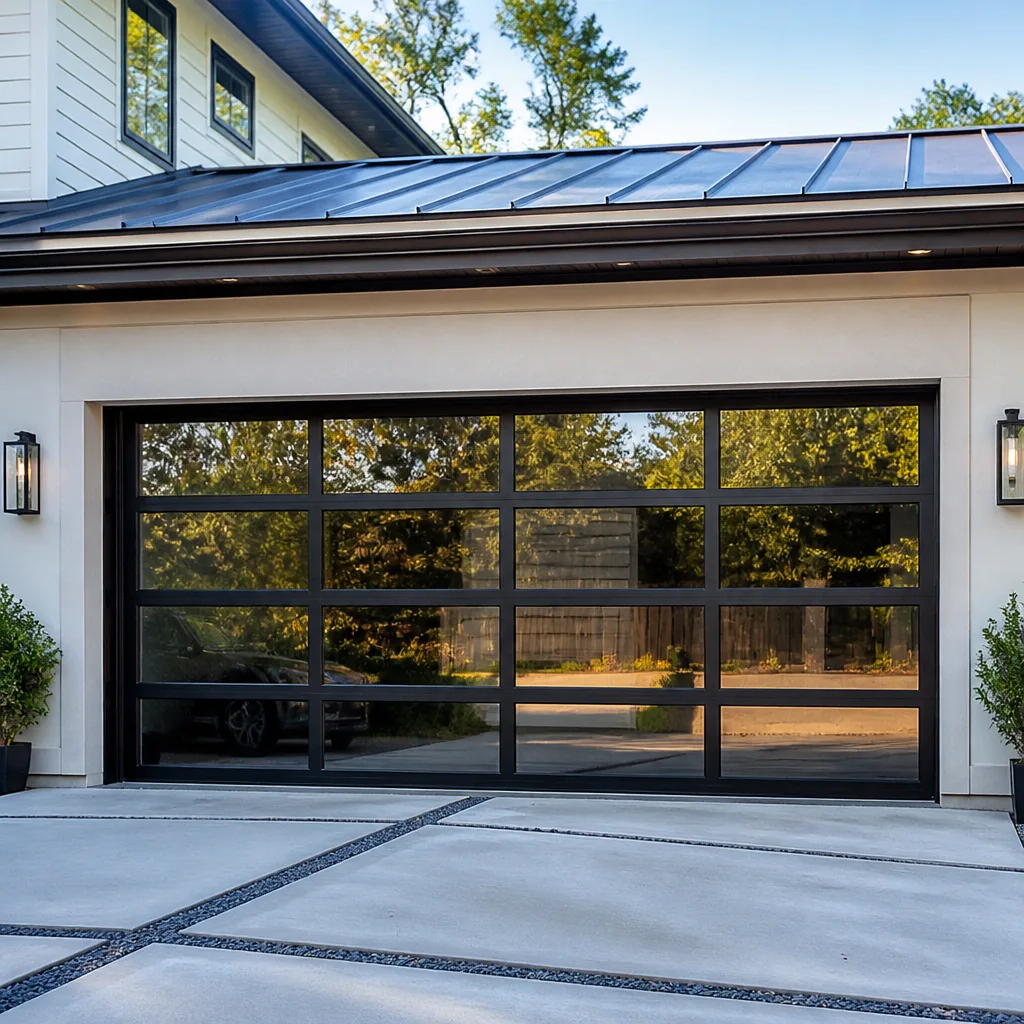 Full-view glass
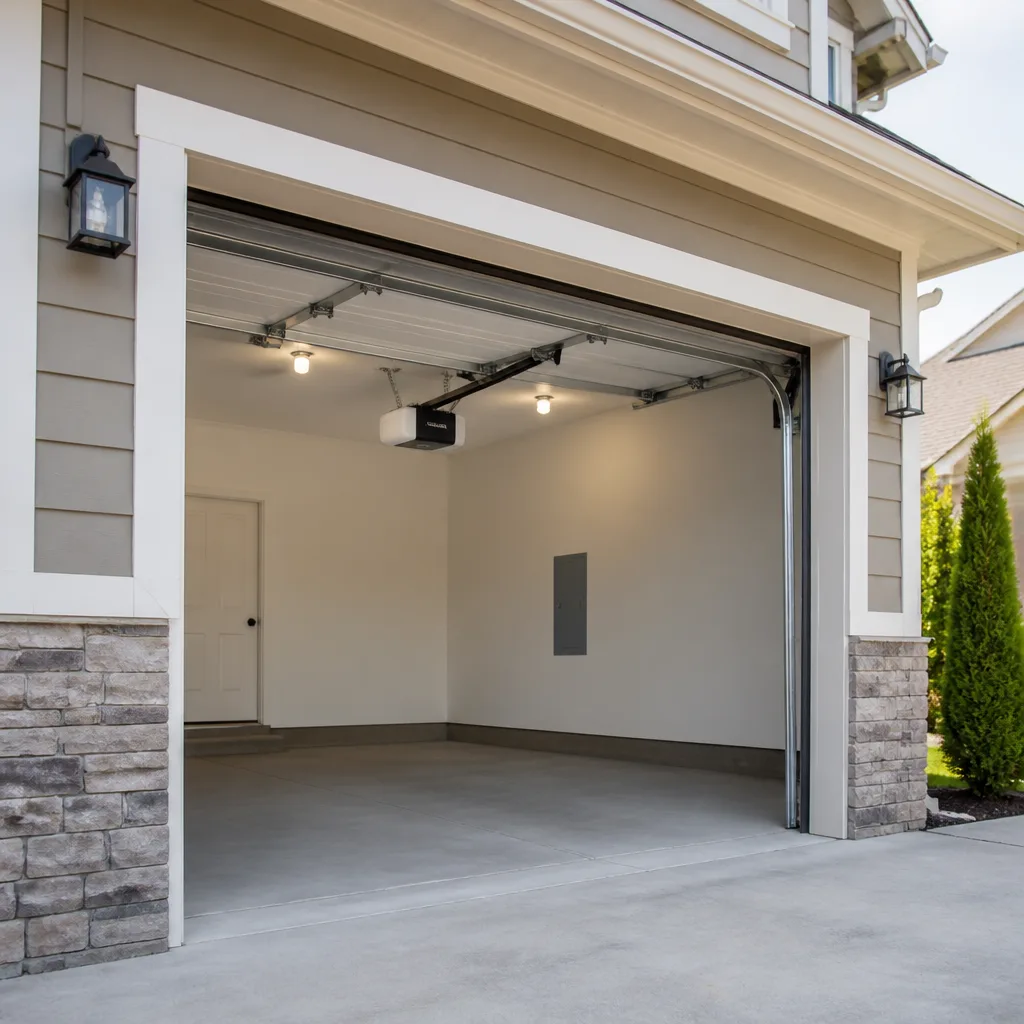 LiftMaster openers
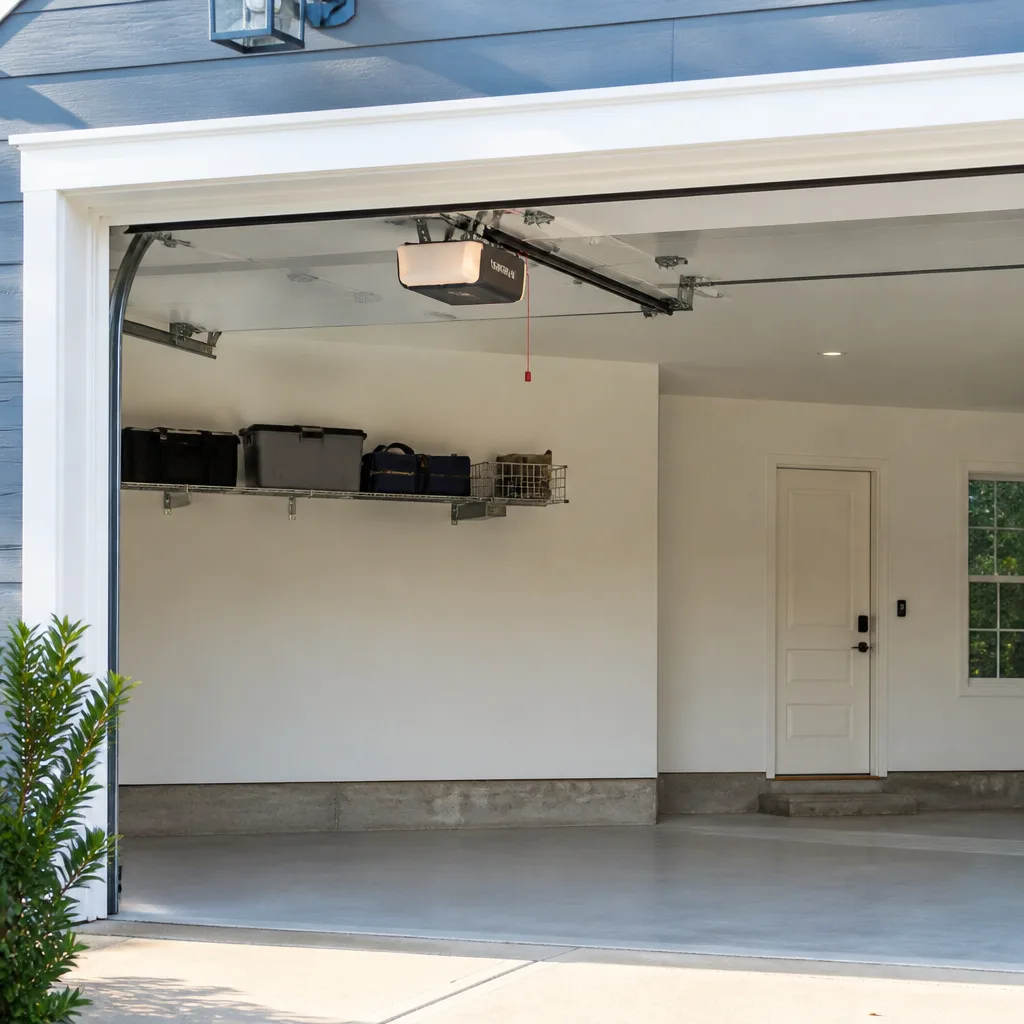 Chamberlain openers
Full 25-point door and opener safety check with every visit - springs, cables, rollers, tracks, and your LiftMaster or Chamberlain opener included
You get a price before we start. It does not change when the pro arrives.
Get your free estimateGarage Door Parts Warning Signs Every Homeowner Should Know
A door that opens two seconds slower than it did six months ago isn’t aging. It’s telling you the opener is working against a rising mechanical load, and that load usually traces back to three or four specific parts. The problem is rarely the noise itself; it’s that we hear it every day for weeks and slowly file it under “normal.” This guide pairs each symptom with the exact component it implicates, so instead of describing “a sound” to a technician, you can name what’s failing. We’ve diagnosed these patterns across thousands of Winchester doors, and the earlier the part is named, the cheaper the fix.
Quick Answer
The most reliable garage door parts warning signs are uneven movement (failing cables or drums), grinding (worn rollers or damaged tracks), a door that reverses before closing (misaligned sensors or weak torsion springs), and an opener that strains or sounds labored (spring fatigue loading the motor). These are mechanical signals, not cosmetic ones, and they almost always get more expensive the longer they’re ignored.
Styles & brands we work with
- Raised-panel steel
- Carriage house
- Modern flush
- Full-view glass
- LiftMaster openers
- Chamberlain openers
Table of Contents
- The Symptom-to-Component Index
- Uneven Movement: Cables and Drums
- Grinding Noises: Rollers and Tracks
- Door Reverses Before Closing: Sensors and Springs
- Opener Strain: The Spring Connection
- Why Gradual Failures Cost More Than Sudden Ones
- Cosmetic Signs vs. Structural Signs
- The Warning Sign Everyone Misses: The Balance Test
- What a Technician Photographs at Diagnosis
 Before
 After
The Symptom-to-Component Index
Most homeowners call a technician with a feeling, not a fact. “It’s just loud” or “it seems off.” That vagueness is understandable but it slows down the whole process. The better move is to translate the symptom into a probable part before anyone touches the door. Here’s the index we use, and the one you can use too.
- Uneven movement, one side lagging, or the door sitting crooked: cables or cable drums.
- Grinding, scraping, or a metal-on-metal squeal: rollers wearing flat or tracks bent out of alignment.
- Door reverses before it reaches the floor: safety sensor misalignment or insufficient torsion spring tension.
- Opener sounds labored, hums but barely lifts, or strains: a tired torsion spring forcing the opener to do the spring’s job.
- Door passes the manual balance test one month and fails the next: spring fatigue before any visible break.
Naming the likely part does two things. It helps you decide how urgent the call is, and it changes the conversation when a technician arrives. Instead of “something’s wrong,” you can say “the door lags on the left and the tension cable looks slack.” In Winchester, where we see a lot of older homes with original hardware, that kind of specificity often separates a $200 adjustment from a much larger repair. If you’d rather skip the diagnosis and get it looked at, our Garage Door Repair in Winchester team handles exactly this kind of troubleshooting.
Uneven Movement: Cables and Drums
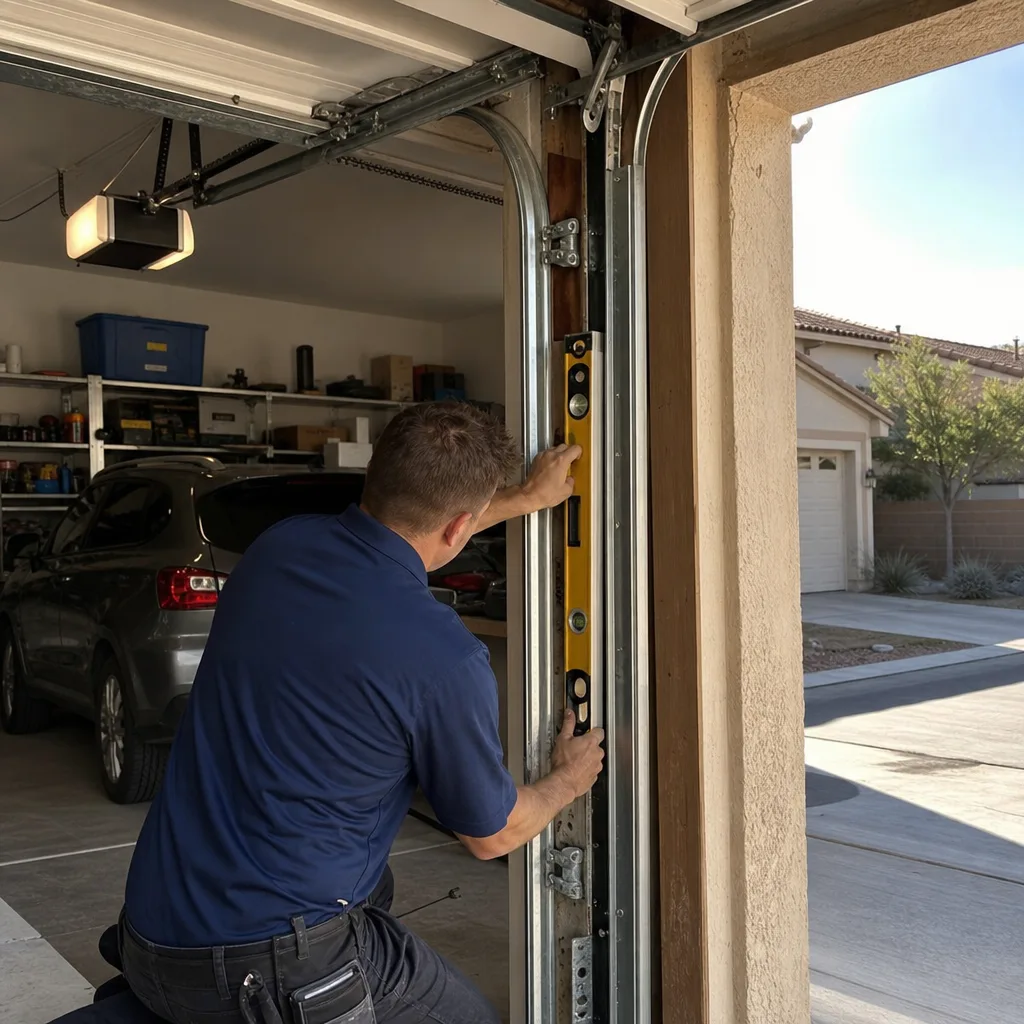
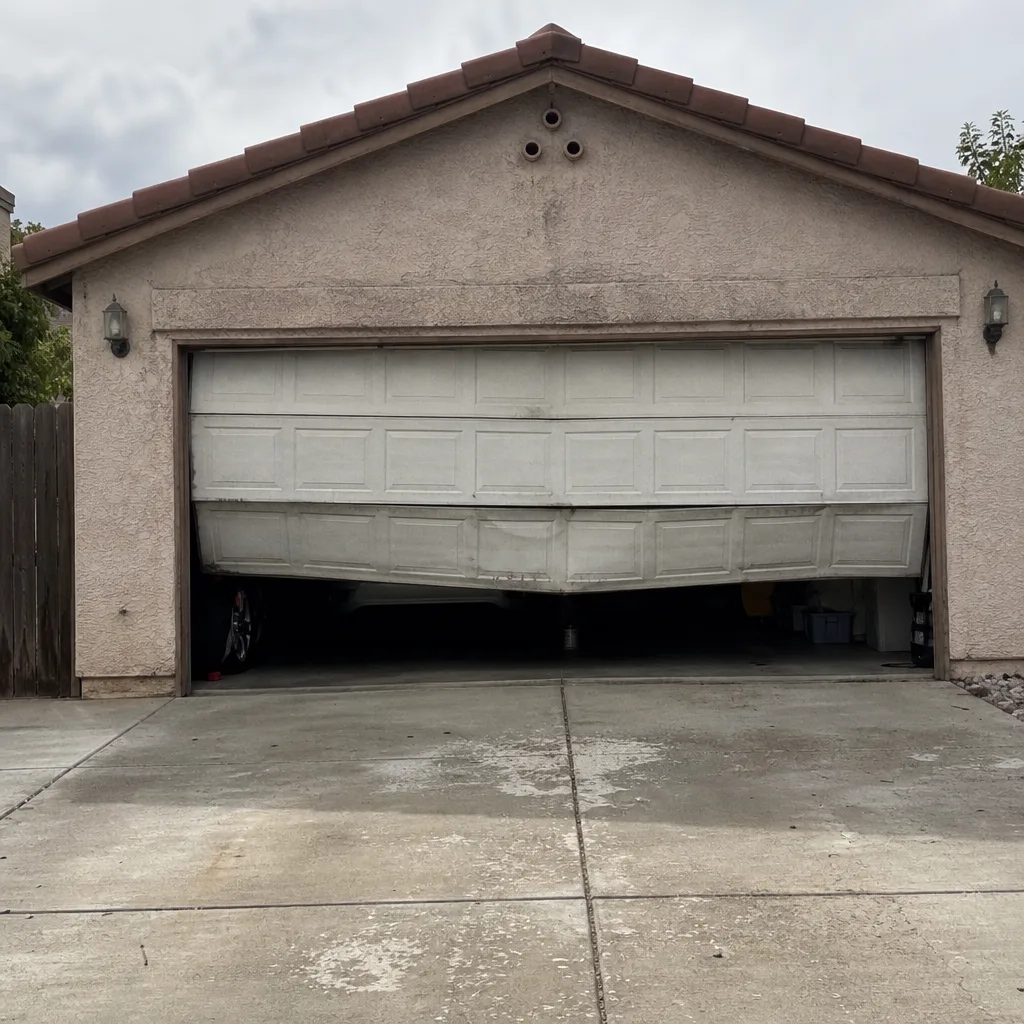
Watch the door as it travels. If one side rises faster than the other, or the bottom panel tilts out of level, the culprit is almost always a cable or a cable drum. The cables are the braided steel lines that run along each side; the drums are the spooled hubs at the top corners that the cables wind around. When a cable stretches, frays, or slips off its drum, the two sides lose their balance, and the door moves lopsided.
Uneven movement is one of those signs that’s genuinely dangerous to push through, because a fully detached cable can let the door come down fast and without warning. This is high-tension hardware, and it’s not a component to experiment with. What you can safely do is observe and document:
- Stand back and watch a full open and close cycle from the side of the door, not directly under it.
- Note whether the door looks level at the top and bottom as it travels.
- Look along each cable (without touching) for frayed strands, kinks, or a section that looks slack.
- Check the drums at the top corners for a cable that’s jumped its groove.
If you see any of that, stop operating the door and call. We’ve seen Winchester homeowners ride a slightly crooked door for months, and it almost never corrects itself. Fixing a cable and drum is straightforward when caught early; waiting risks the opener, the panels, and the people standing under them.
Grinding Noises: Rollers and Tracks
Grinding is the most misread warning sign. People assume it’s dirt or lack of lubrication, so they grease the tracks and the sound quiets for a week, then comes back louder. That’s because lubrication doesn’t fix a worn part. Grinding usually means one of two things: the rollers have worn flat spots, or the vertical or horizontal tracks have bent out of true and the roller is dragging against the metal.
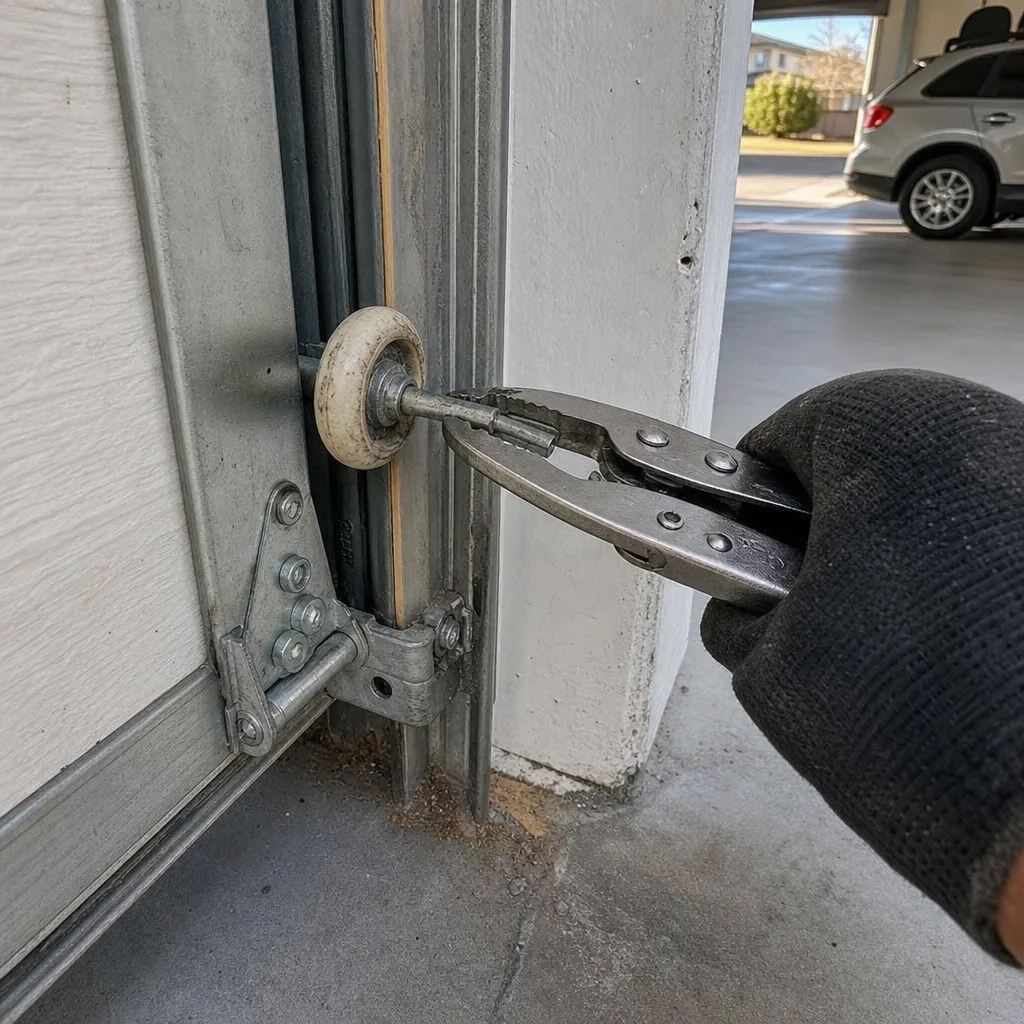
To sort out which it is, look at the rollers, the small wheels that ride inside the track on each side of the door. A healthy roller is round and turns freely. A worn roller has a visible flat edge, a groove worn into it, or it wobbles on its stem. Run your eye down the track where the noise is loudest and look for shiny scuff marks or a spot where the roller seems to catch.
- Worn nylon rollers flatten over time and chirp or grind, especially on doors that see heavy daily use.
- Bent steel tracks from a bumped car or shifting framing pinch the roller and force a scrape.
- Loose track brackets let the track shift slightly, and the roller knocks against the gap on every pass.
Rollers are inexpensive and replacing a worn set quiets the door dramatically. Bent tracks are a different matter; they need to be re-aligned, not bent back by hand, because the geometry of the track is what keeps the door tracking safely. If the grinding in your Winchester garage is persistent and lubrication didn’t help, that’s the signal to have the rollers and tracks inspected properly.
Door Reverses Before Closing: Sensors and Springs
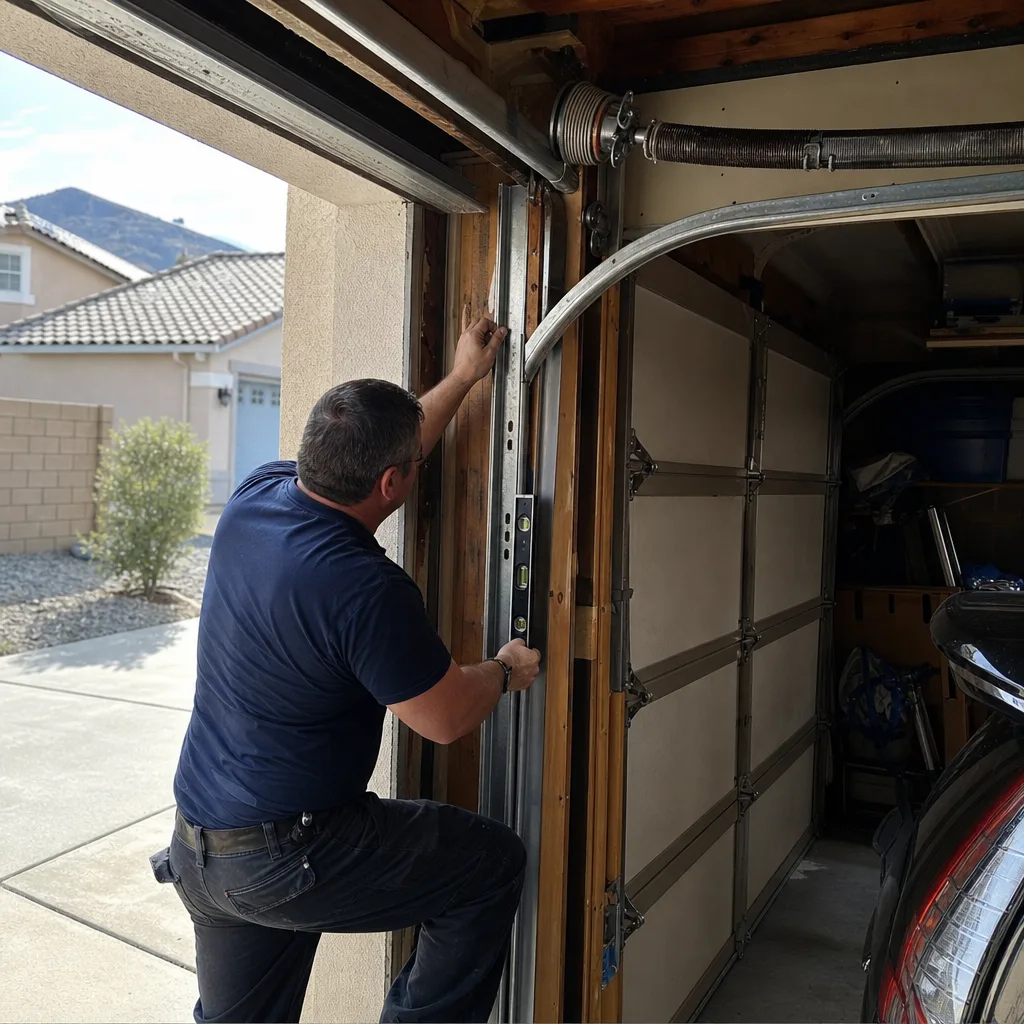
A door that goes partway down and reverses is doing exactly what it’s designed to do, but for one of two very different reasons. Either the safety sensors are triggering falsely, or the door is encountering real resistance because the spring isn’t lifting its share of the weight. The first is usually a quick, low-cost fix. The second is a load problem that gets worse.
The safety sensors are the small lenses mounted near the floor on each side of the door. They shoot an invisible beam across the opening, and if anything interrupts it, the door reverses. Misalignment is common; a bumped sensor, a spider web, or sunlight hitting the lens at the wrong angle can all cause it. Craftsman and Chamberlain openers both have a sensor indicator light that tells you whether the beam is making contact, so a quick glance at the light often confirms the problem before you call anyone.
The spring scenario is subtler. When torsion springs lose tension, the opener has to overcome more weight than it was set to lift, and many modern openers have a built-in force sensor that reverses the door when resistance climbs. If your door reverses on the way down and the sensor lights are solid, that’s a strong hint the springs are the real story. We cover the opener side of this in our Garage Door Opener Repair & Installation in Winchester guide, because the panel and the spring are often telling the same story from two angles.
Opener Strain: The Spring Connection
Here’s the thing most homeowners don’t realize: the opener doesn’t lift the door. It only guides it. The torsion springs carry the actual weight, and the opener’s job is to push a door that’s already nearly weightless. So when the opener starts to sound tired, grinding, humming without moving, or working visibly harder, the opener is usually the messenger, not the problem.
When the springs weaken, the load on the opener climbs, and it shows up as strain. Left long enough, a straining opener overworks its gear and logic board, and you end up replacing an opener because a tired spring burned it out. We see this pattern a lot in Winchester, where temperature swings between seasons flex the springs and speed up fatigue. A LiftMaster or Genie opener rated for years of normal duty can fail fast when it’s been lifting a door the spring should be supporting.
The reason to name the spring instead of blaming the opener is cost. A spring repair is far less than a new opener, and replacing the opener without addressing the spring just puts a fresh motor under the same strain. If the strain is recent and the door still opens, the door itself isn’t dangerous yet, but it’s a good time to get a written diagnosis before the opener gives out. Our Garage Door Installation in Winchester team also sees this when homeowners decide a fresh door and opener pair makes more sense than chasing failing parts on an old system.
Why Gradual Failures Cost More Than Sudden Ones
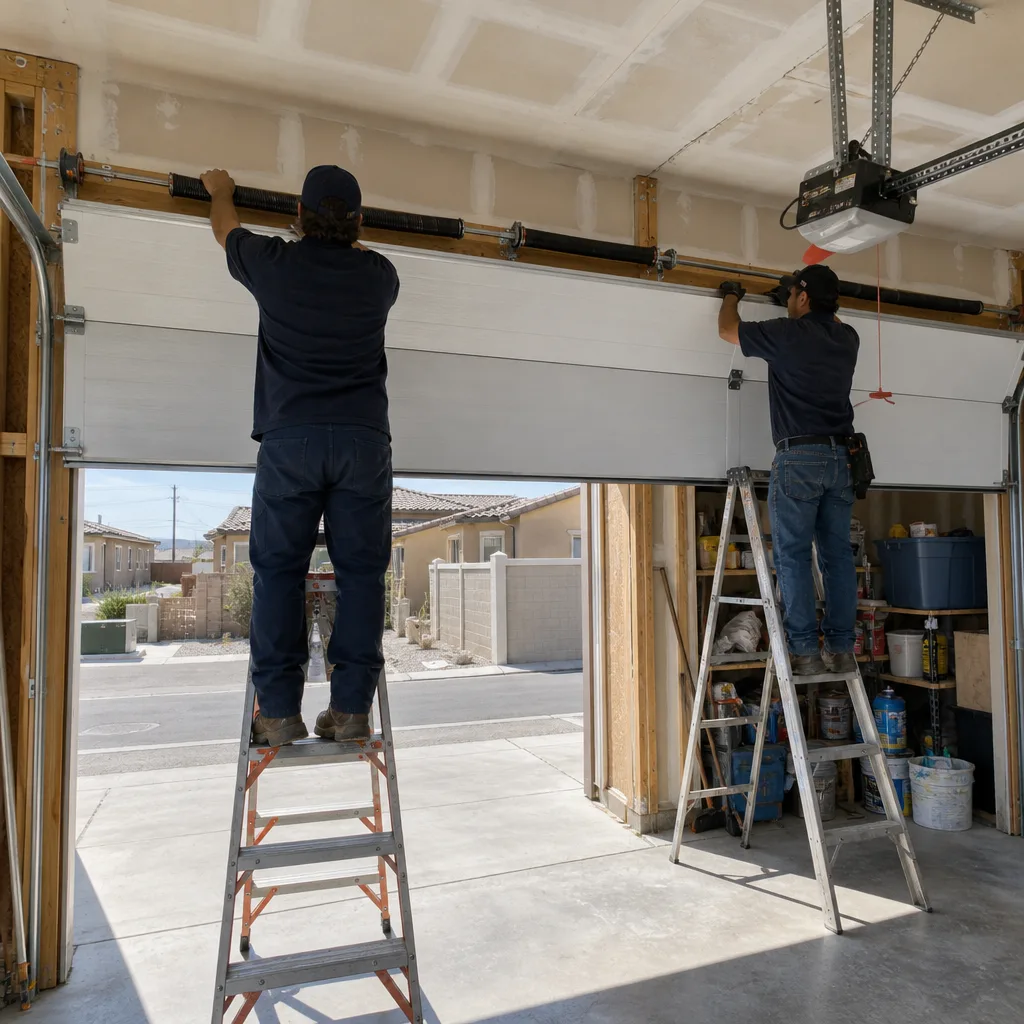
A sudden failure is inconvenient but honest. The spring snaps, the door won’t move, and you call for help the same day. A gradual failure is the opposite: it hides, it normalizes, and it quietly wears down the parts around it. That’s why the slowly failing part usually ends up costing more than the one that fails outright.
Picture a torsion spring slipping out of tension over a few months. Nothing dramatic happens. The door opens a little slower. The opener works a little harder. But during that stretch, the opener’s gear and logic board are running beyond their design load, the cables are taking uneven stress, and the rollers are wearing faster from the extra drag. By the time the owner finally calls, the spring isn’t the only item on the list. Now it’s a spring, a strained opener, a set of worn rollers, and possibly cables. One neglected part turned into four.
Compare that to the owner who notices the slower door in week two, does a balance check, and books a spring assessment. They pay for a spring and nothing else. In our experience across Winchester, the gradual-failure repairs are the ones where the final bill stings, because the delay stacked up hidden damage. The earlier a symptom gets named, the more of the surrounding system you save.
Cosmetic Signs vs. Structural Signs
Not every blemish means the door is failing. Some signs are surface only, and some point to real structural wear. Sorting them is the difference between a cosmetic touch-up and a safety call. Here’s how to tell them apart.
Cosmetic signs look the same today as they did last month.
- Light surface rust on painted steel panels, especially near the bottom where road salt splashes.
- Faded or chalking paint on the door face from sun exposure.
- A small dent that doesn’t change how the door moves or seats.
- Scuffed weather seal along the bottom edge.
Structural signs change over time and affect how the door operates.
- Cables with frayed or broken strands, or a cable that has slipped its drum.
- Rollers with a visible flat spot or a groove worn into the wheel.
- A gap between the door and the floor on one side only.
- A door that looks level one week and tilted the next.
- Rust that has eaten into the track and is catching the roller.
The rule of thumb: if a sign changes the way the door moves, seats, or sounds, treat it as structural. If it only changes how the door looks and nothing about its motion, it’s cosmetic. Winchester’s dry, dusty summers and occasional freeze mean surface rust is common and usually harmless, but rust that has reached the track is a structural problem because it interferes with the roller’s path. When in doubt, the safe choice is to have the door checked rather than guess.
The Warning Sign Everyone Misses: The Balance Test
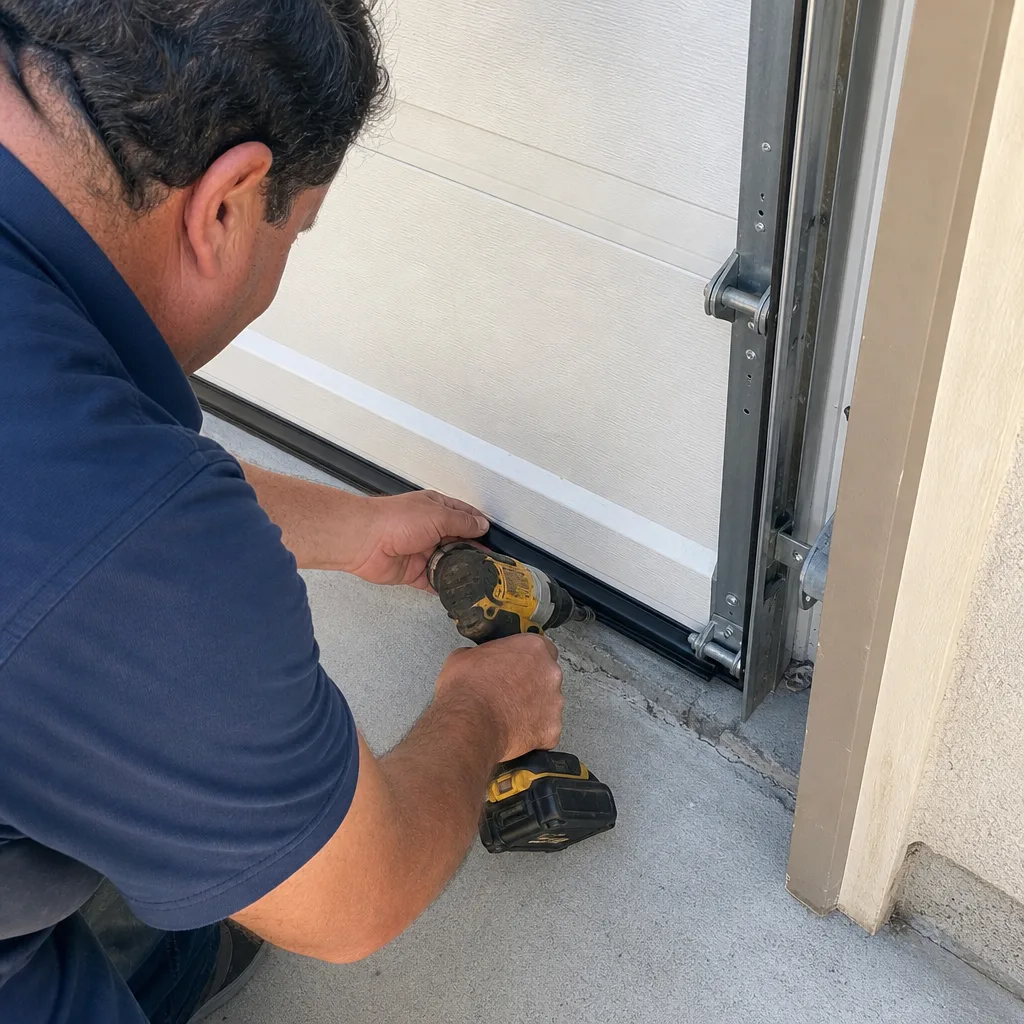
This is the sign almost nobody catches, and it’s the most valuable one in this whole guide. The manual balance test tells you whether the springs are still doing their job, and it can flag spring fatigue weeks or months before any visible break or obvious symptom. A door that passes the balance test one month and fails it the next is a door whose springs are giving out.
Here’s how the test works, safely, with the opener disconnected. Note this checks the door’s balance; it does not ask you to touch or adjust the springs, which you should never do yourself.
- With the door fully closed, pull the opener’s release cord to disconnect it from the door. On most openers, including Chamberlain and LiftMaster models, this is the red-handled cord hanging from the rail.
- Lift the door about halfway by hand. Use the handle or a bottom panel edge, not the hinges or rollers.
- Let go gently and step back. A well-balanced door stays put roughly where you left it.
- If the door drifts down on its own, the springs are losing tension. If it drifts up, they’re over-tensioned.
- Reconnect the opener when you’re done. Don’t leave the door disconnected and unattended.
The reason this matters is timing. Springs don’t snap out of nowhere; they fatigue first, and the balance test catches that phase. If you run the test once and then again a few weeks later and the door has started drifting when it didn’t before, you’ve found the warning sign before the visible symptom. That’s the ideal moment to call, because a spring replaced at the fatigue stage costs less and spares the opener. If you’re not comfortable running the test, we’ll run it during a service call, and we’ll show you the reading.
What a Technician Photographs at Diagnosis
Diagnosis should produce evidence, not adjectives. When we photograph the failed component before quoting, it’s not a formality; each image maps directly to a line item on the written price so you can see exactly what you’re paying for. Clause 4 of The Haven Standard exists for precisely this reason: the customer sees the failed part before anyone quotes a replacement.
Here’s what a proper diagnosis photograph captures, and why it corresponds to the cost:
- The broken spring, with wire diameter visible: confirms the exact spring size, so the quote names the correct replacement part.
- The cable and drum at the failure point: shows whether it’s a cable, a drum, or both, which are separate line items.
- The worn roller or bent track close-up: proves the roller is flat or the track is deformed, not just noisy.
- The opener’s gear and logic board: shows whether strain has caused damage or the motor is still sound.
- The door’s position against the floor and level line: documents any tilt or seating issue.
You get a documented photo record on every visit, included, not optional. That record lets you hold the quote and the repair to the same standard: the part you were shown is the part that was fixed. If you’ve already got a written estimate from another company, our Free Second Opinion applies to any competing paperwork you bring in, no coupon or code needed. It’s the evidence-first approach that’s kept Winchester homeowners calling us back for the parts they can actually see fail.
Common Mistakes to Avoid
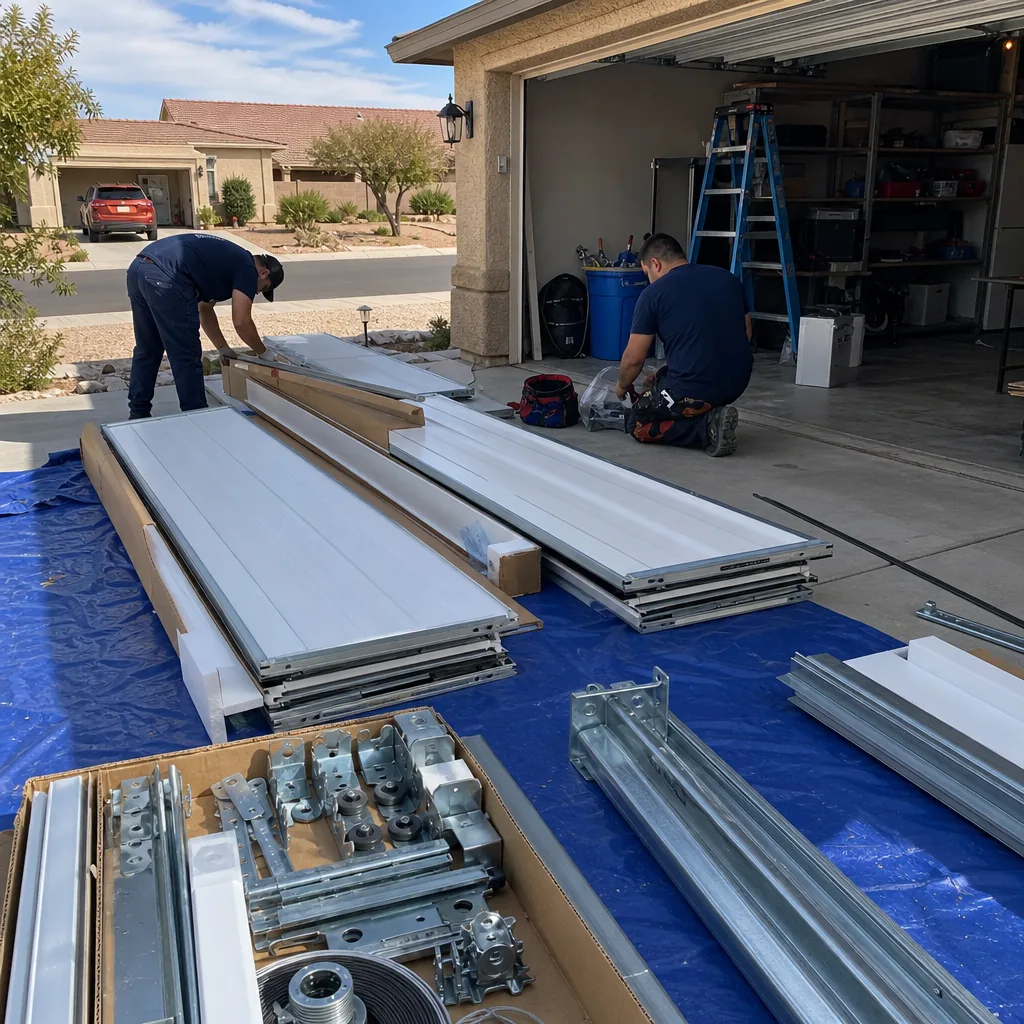
- Greasing the tracks to quiet a grinding noise. Lubrication masks a worn roller or bent track for a week, then the damage continues unseen. Fix the part, not the sound.
- Treating uneven movement as cosmetic. A door that tilts is a cable or drum problem, and a detached cable can drop a door fast. Stop operating it and call.
- Blaming the opener for the spring. When the opener strains, it’s usually lifting a door the springs have stopped supporting. Replacing the opener and ignoring the spring just re-strains the new motor.
- Never running the balance test. This single check catches spring fatigue before a break. Skipping it means the first sign of trouble is often a snapped spring.
- Assuming Winchester’s dry summers mean no rust risk. Surface rust is harmless, but rust that reaches the track catches rollers and becomes structural. Check the track, not just the panels.
- Accepting a verbal quote on high-tension parts. Springs and cables are dangerous to handle and easy to misprice. Insist on a written price and written scope before work begins.
- Letting a slow symptom ride for “just one more season.” That gradual delay is exactly what wears down the opener, rollers, and cables along with the original part.
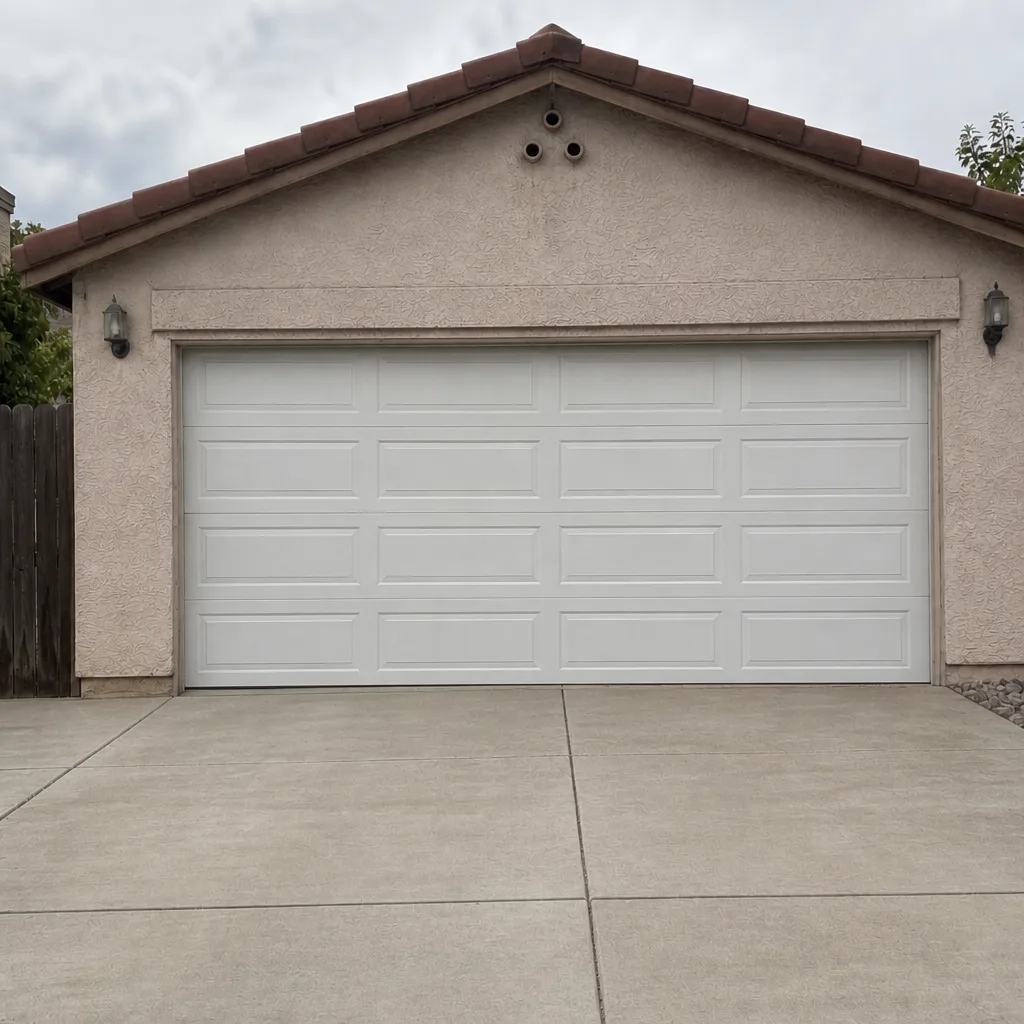
See the difference
BeforeAfter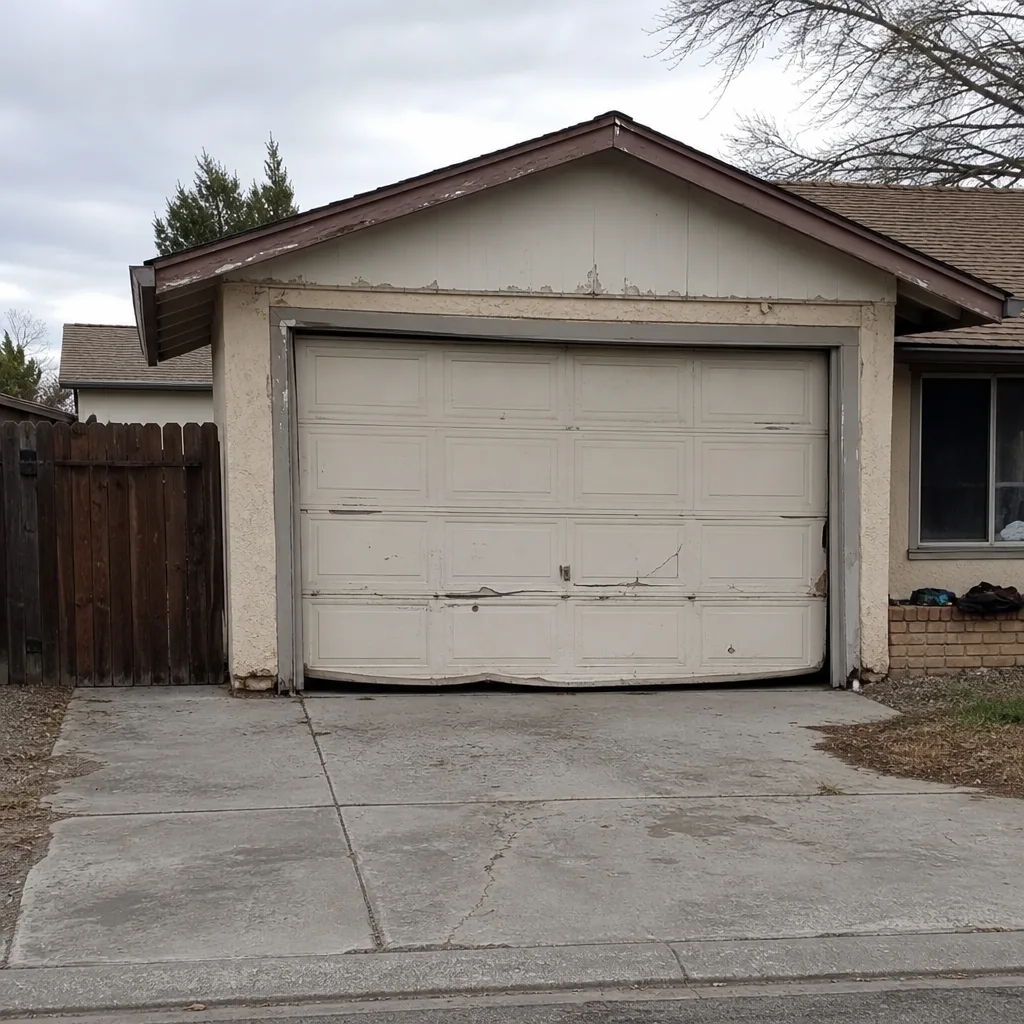 Before
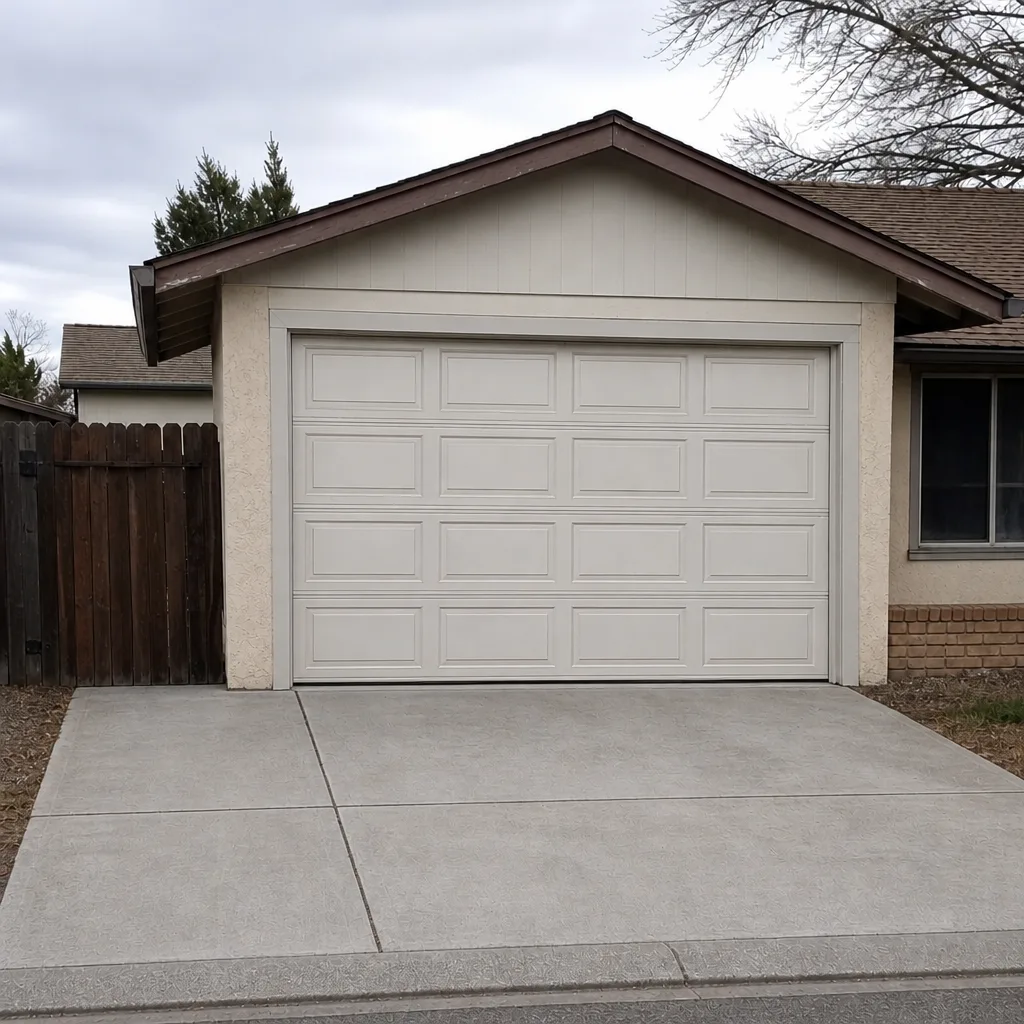 After
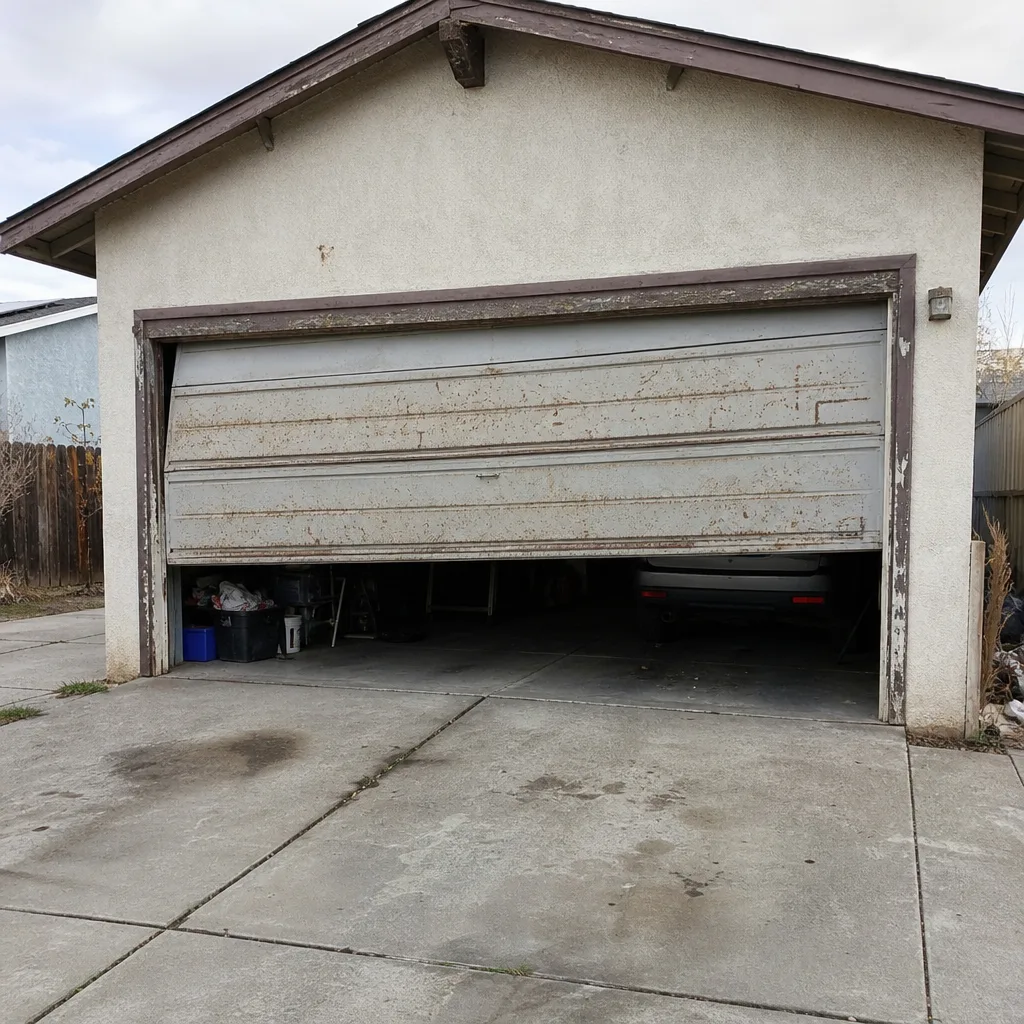 Before
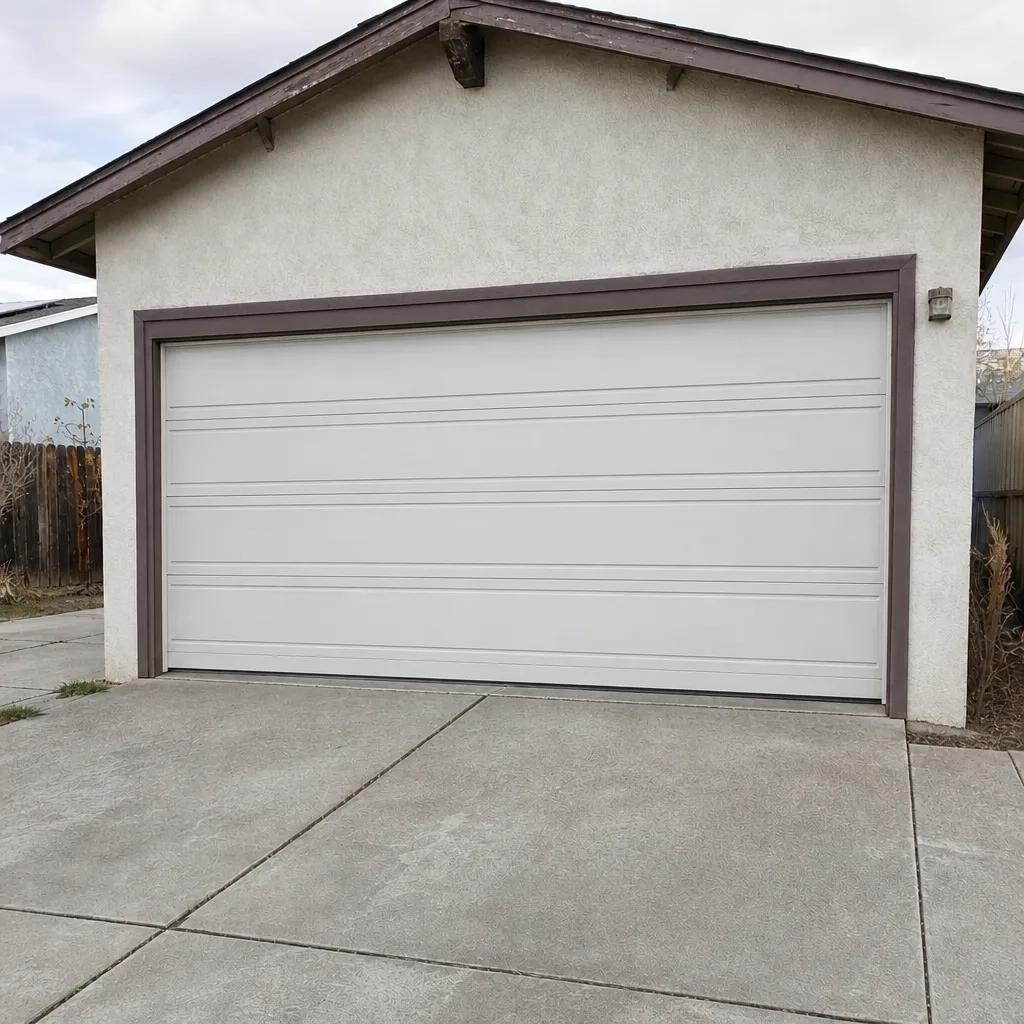 After
When to Call a Professional
Call a professional the moment you see any high-tension sign: frayed or slack cables, a tilted door, a snapped spring, or a door that reverses on its own while the sensors read clear. These are spring-and-cable matters, and the tension stored in those parts can injure someone who handles them wrong, which is exactly why they’re not a homeowner project. Also call when the opener strains consistently, when grinding persists after the rollers are clean, or when your balance test starts failing month to month. Our technicians have up to 11 years of experience, and Servo Garage Doors Winchester offers free estimates in Winchester. Call (855) 517-0284 and we’ll quote a flat, written price with a written scope before any work starts.
Frequently Asked Questions
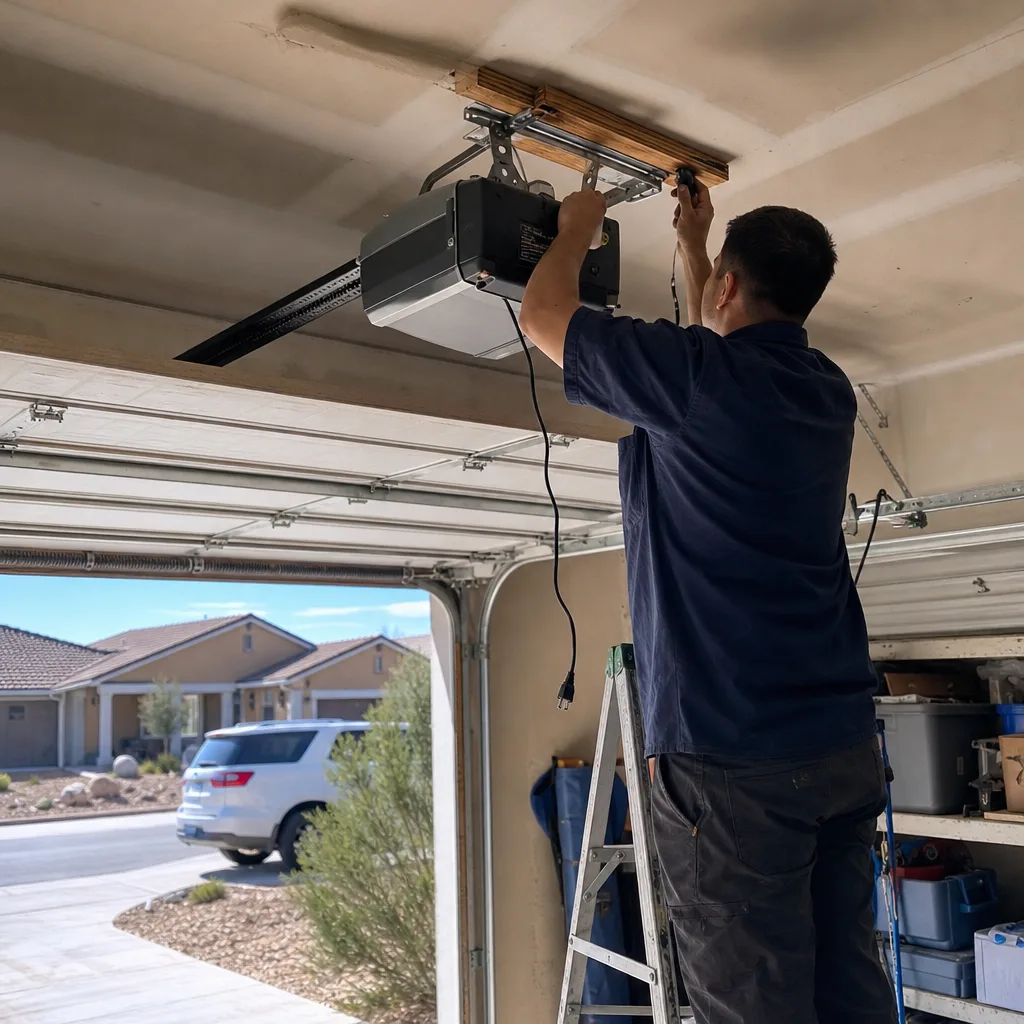
The most common signs are uneven movement (failing cables or drums), grinding (worn rollers or bent tracks), the door reversing before closing (sensor misalignment or weak springs), and an opener that strains (spring fatigue loading the motor). A failing manual balance test is the sign people miss most often. Call (855) 517-0284 for an exact quote, and estimates are free.
A failing spring usually shows up as an opener that strains, a door that reverses on the way down, or a failed manual balance test where the door drifts instead of holding position. In Winchester’s swinging temperatures, springs fatigue faster, so the balance test once a month is worth the two minutes. Call us for a written assessment before it snaps.
No, and you shouldn’t try. Garage door cables and torsion springs store high tension that can cause severe injury if released incorrectly, so this is work for a trained professional. What you can do safely is observe and photograph the failing part from a distance, then call (855) 517-0284 to have it quoted and fixed.
It’s usually not the opener; it’s the torsion springs. The springs carry the door’s weight, so when they weaken, the opener has to work harder and begins to strain or hum. Addressing the spring early protects the opener’s gear and logic board. Call us for a written diagnosis so you fix the cause, not just the symptom.
The technician photographs the failed component before quoting: the broken spring with wire diameter visible, the cable and drum at the failure point, the worn roller or bent track, the opener’s gear and logic board, and the door’s level line against the floor. Each image maps to a specific line item on your written price. Call (855) 517-0284 to book a visit with a documented record included.
No. We quote a flat, written price and a written scope before any work begins, which is Clause 1 of The Haven Standard, so there’s no invoice surprise after the fact. If a repair isn’t right, our 365-Day Done Right Promise means we make it right. Call (855) 517-0284 to get your written price.
The Bottom Line
Garage door warning signs are loud and specific if you know what to listen for. Uneven movement points to cables and drums, grinding points to rollers and tracks, a reversing door points to sensors or springs, and opener strain almost always traces back to a tired spring. The gradual symptoms cost more than the sudden ones because they wear down the parts around them while you wait. The balance test is your best early check. Name the part, get it looked at early, and you save the opener, the cables, and the panels along with it. Come back to our Servo Garage Doors Winchester home page any time to book service.
If any of these signs match what you’re seeing, call Servo Garage Doors Winchester at (855) 517-0284 for a free estimate. We’ll photograph the failed part, hand you a written price before any work starts, and leave you with a documented record of what we found and what we fixed. Calls are answered by a live person, 24/7, including emergencies, and every repair is backed by the 365-Day Done Right Promise.
Written by the team at Servo Garage Doors Winchester.